
Technical surveillance that detects covert devices, unauthorised transmissions and technical compromise across residences, offices and sensitive environments.
Technical surveillance detects covert surveillance and listening devices, identifies unauthorised transmissions, and protects sensitive information and conversations across residential, corporate and executive environments.
Privacy is often compromised not through open confrontation but through what goes unnoticed: a device left in place, an unauthorised transmission, a technical vulnerability concealed within an everyday environment. The information at risk, a conversation, a negotiation, a private arrangement, is frequently more valuable to a hostile party than any physical asset.
Latent Intelligence conducts intelligence led technical surveillance, the systematic inspection of an environment for covert listening, recording and tracking devices, designed to identify unauthorised monitoring, protect sensitive conversations and reduce information exposure before compromise occurs. The work applies equally to private residences, offices, vehicles and the meeting spaces where sensitive matters are discussed.
A technical inspection is often prompted by a single question: can I speak freely here. The purpose of the work is to answer that question with confidence, either by confirming that an environment is clean or by finding and resolving what is not.
Concern often arises around a specific event or change: a sensitive meeting, a commercial dispute, a relationship breakdown, a period of litigation, or simply an unexplained sense that information is reaching people it should not.
Modern surveillance devices are small, inexpensive and easily concealed, and they may be placed by anyone with brief access to a space, from an unknown intruder to someone already trusted within it. The threat is therefore as much about access and opportunity as about technical sophistication.
Vehicles deserve particular attention. They are private spaces in which sensitive conversations frequently take place, yet they are also accessible, are left unattended, and are readily fitted with tracking or listening devices.
Technical surveillance addresses the concern methodically, establishing whether a compromise exists and removing it where found. Equally important, a clean result, properly reached, allows a client to speak freely again with genuine confidence. The purpose is not reassurance for its own sake but the protection of information and the privacy that surrounds it.

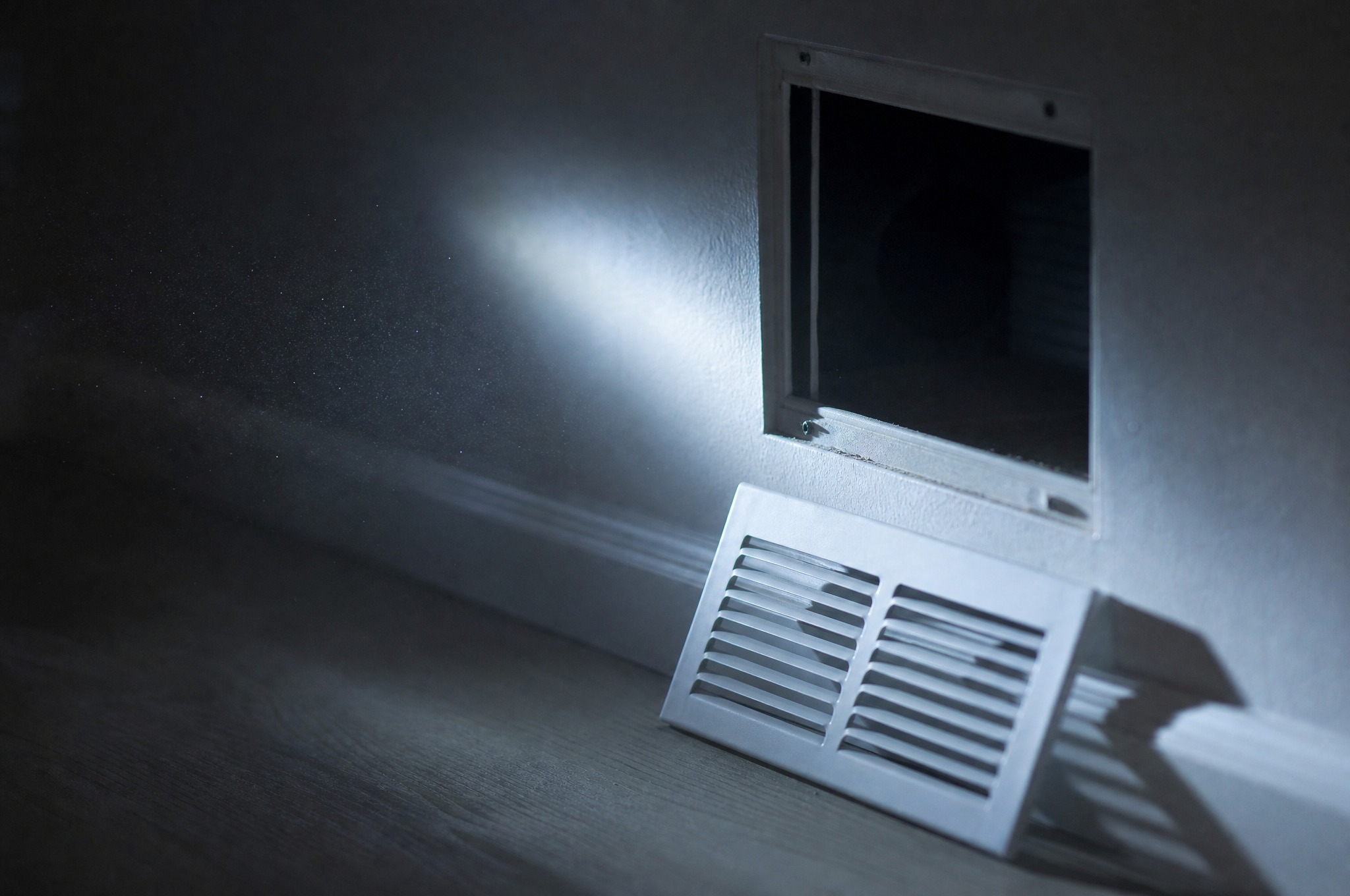
Technical screening combines specialist equipment with intelligence led assessment and analysis. A sweep is not simply the operation of detection equipment; it is an examination of an environment informed by an understanding of how, why and by whom it might be compromised.
Physical search, radio frequency spectrum analysis and environmental assessment are used together to identify anomalies, unauthorised transmissions and indicators of technical compromise. Fixtures, furnishings, communications infrastructure and the fabric of a space are examined for the concealment methods that covert devices depend upon.
Inspection is not a one dimensional exercise. A convincing result depends on combining electronic detection with methodical physical search and an understanding of the environment, since a device that is dormant or hard wired may reveal nothing to a receiver alone.
The assessment begins before arrival, by understanding who might wish to listen, what they would seek to hear, and where in the environment they would most plausibly place a device. That reasoning directs the physical search rather than leaving it to chance.
Inspections are conducted discreetly and, where necessary, outside normal hours, so that the examination itself does not signal concern to anyone who should not be aware of it.
Exposure is reduced by identifying and removing technical access before sensitive information can be collected, transmitted or exploited. Where a device or vulnerability is found, it is assessed and dealt with according to the client's objectives, which may include preservation of evidence or discreet neutralisation without alerting whoever placed it.
After an inspection, the environment can be maintained. Advice on access control, meeting discipline and the handling of devices reduces the likelihood that a space cleared today is compromised tomorrow.
Findings are reported clearly, with practical recommendations to reduce the likelihood of future compromise across the environments that matter most.
Where the concern is people outside the building rather than devices inside it, that is surveillance detection.
An inspection that raises questions about keys and servicing usually leads into residential protection.
For the client, technical surveillance restores confidence that private environments are genuinely private, and that sensitive discussions can take place without being observed.
In practice this means covert surveillance and listening devices are detected, unauthorised transmissions and technical compromise are identified, and sensitive conversations and information are protected, reducing the risk of eavesdropping across residences, offices and vehicles, with residential, corporate and executive coverage.
Technical inspections may be arranged before sensitive meetings, in response to a specific concern, or as a recurring measure for environments where confidentiality is critical. For some clients a single inspection resolves a concern; for others, regular screening is a sensible standing precaution.
Where a device is discovered, the response is considered rather than reflexive. Removing it immediately is not always the right course; preserving it, understanding it, and controlling what the other party believes may serve the client better.
Findings and recommendations are provided clearly and in confidence. Scope, methodology and reporting are discussed in confidence, and further detail is provided on enquiry.
Serviced floors, shared risers and a long list of contractors with access are dealt with under technical surveillance in the City of London.
Estate managed buildings, in which the occupier controls very little of the infrastructure, are covered under technical surveillance in Canary Wharf.
Period buildings subdivided between occupiers who do not know one another are described under technical surveillance in Mayfair.
An inspection rarely stands alone, and the full range of capabilities shows where it sits against the analytical and physical measures around it.
All enquiries are handled discreetly and reviewed before engagement suitability is determined. Information should be limited to what is necessary to outline the matter. Where appropriate, further contact is arranged following review.

Protect
Executive ProtectionDiscreet, intelligence led executive protection for private clients, principals and families, designed to reduce exposure and preserve freedom of movement without unnecessary visible presence.

Mitigate
Threat and Risk MitigationStructured assessment that identifies where exposure exists and reduces it through proportionate, intelligence led measures across people, places and routine.

Detect
Surveillance DetectionSurveillance detection identifies hostile interest and emerging patterns of activity, providing early warning of potential threats before targeting progresses to action.

Sweep
Technical SurveillanceTechnical surveillance that detects covert devices, unauthorised transmissions and technical compromise across residences, offices and sensitive environments.

Secure
Security ChauffeuringSecure movement delivered through trained protective drivers, intelligence led route planning and continuous situational awareness.

Fortify
Residential ProtectionResidential protection for private homes and estates, drawing on assessment, access control and continuity to protect principals and families at home.

Respond
Close Proximity ResponseA discreet, client carried alert and live location capability that lets a protective team maintain proximity and respond immediately, without an overt security presence.