
Technical surveillance in Mayfair for family offices, private residences and the meeting spaces where private capital is discussed.
Mayfair's technical exposure is different in kind to the City's. The sensitive conversations here happen in family offices, private members clubs, hotel suites and residences rather than in corporate boardrooms, and those spaces are governed by domestic rather than institutional levels of control.
A family office in Berkeley Square may hold discussion of transactions, succession, litigation, philanthropy and family matters of considerable sensitivity, in a converted building with a small staff, a landlord, shared services and no security function of its own. A residence on Mount Street may host the same conversation with even less. The material is comparable to the City's and the environment protecting it is not.
Access compounds this. These spaces run on trusted individuals rather than on process: private staff, long standing advisers, cleaners, contractors and a rotating population of visitors admitted on the basis of who they are. That trust is usually well founded and it is almost never documented, which means the circle of people who have been alone in a room is unknown.
Hotels and clubs add a further problem. A suite or a private dining room used for a sensitive meeting is a space the principal does not control, has not seen before that morning, and shares with a succession of other occupants.
Technical work is one requirement the district generates among several, and our coverage of Mayfair sets out the rest.
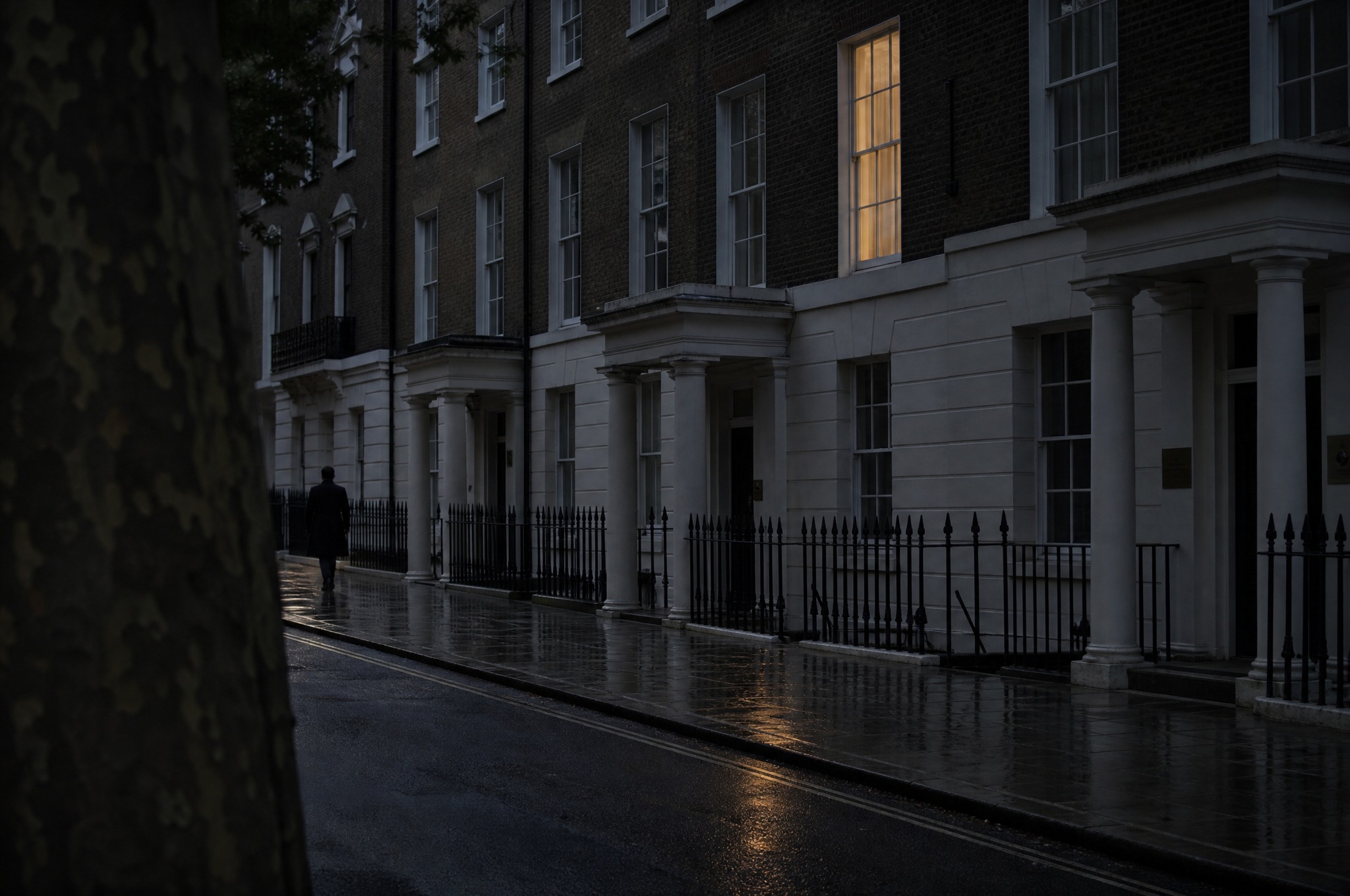
Examinations in Mayfair are scoped around the conversation rather than the square footage. We establish where sensitive discussion actually takes place, which in most family offices is two or three rooms rather than the whole premises, and concentrate the work there rather than spreading it thinly.
An examination covers the radio frequency environment, the physical fabric of the room, furniture and fittings, power and data infrastructure and connected equipment. In converted residential buildings the fabric and infrastructure elements are frequently where the interest lies, since period properties carry decades of accumulated cabling, redundant fittings and building work that nobody currently in the office can account for.
Where a meeting is to be held in a hotel suite, a club or another space the principal does not control, the examination is conducted immediately before use and the room is held from that point. A survey conducted the previous day tells you about the previous day.
Access history is established as far as it can be. In an environment run on trust rather than process, reconstructing who has had unaccompanied access to a room is often the most valuable part of the engagement, and the resulting recommendation is usually procedural rather than technical.
Findings are reported to a single named recipient by agreement.
This is a standard technical surveillance inspection carried out in buildings that are frequently period, subdivided and shared between occupiers who do not know one another.

The examination is scoped around the conversation. In most family offices, sensitive discussion happens in two or three rooms rather than throughout the premises, and concentrating the work there produces a better result than spreading it evenly.
The building itself is then assessed. These are frequently converted period properties with decades of accumulated cabling, redundant fittings, successive refurbishments and building work that nobody currently in the office can account for. The physical fabric and infrastructure elements of the examination usually carry more weight here than the radio frequency work, and take longer.
Access is reconstructed as far as it can be. These environments run on trusted individuals rather than documented process: private staff, long standing advisers, cleaners, contractors and visitors admitted on the basis of who they are. Establishing who has had unaccompanied time in a room, and when, is often the most valuable part of the engagement, and the resulting recommendation is usually procedural rather than technical.
Where a meeting is to be held in a hotel suite, a members club or another space the principal does not control, the examination is conducted immediately before use and the room is held from that point.
An inspection that raises questions about who holds keys and how the building is serviced usually leads into residential protection.
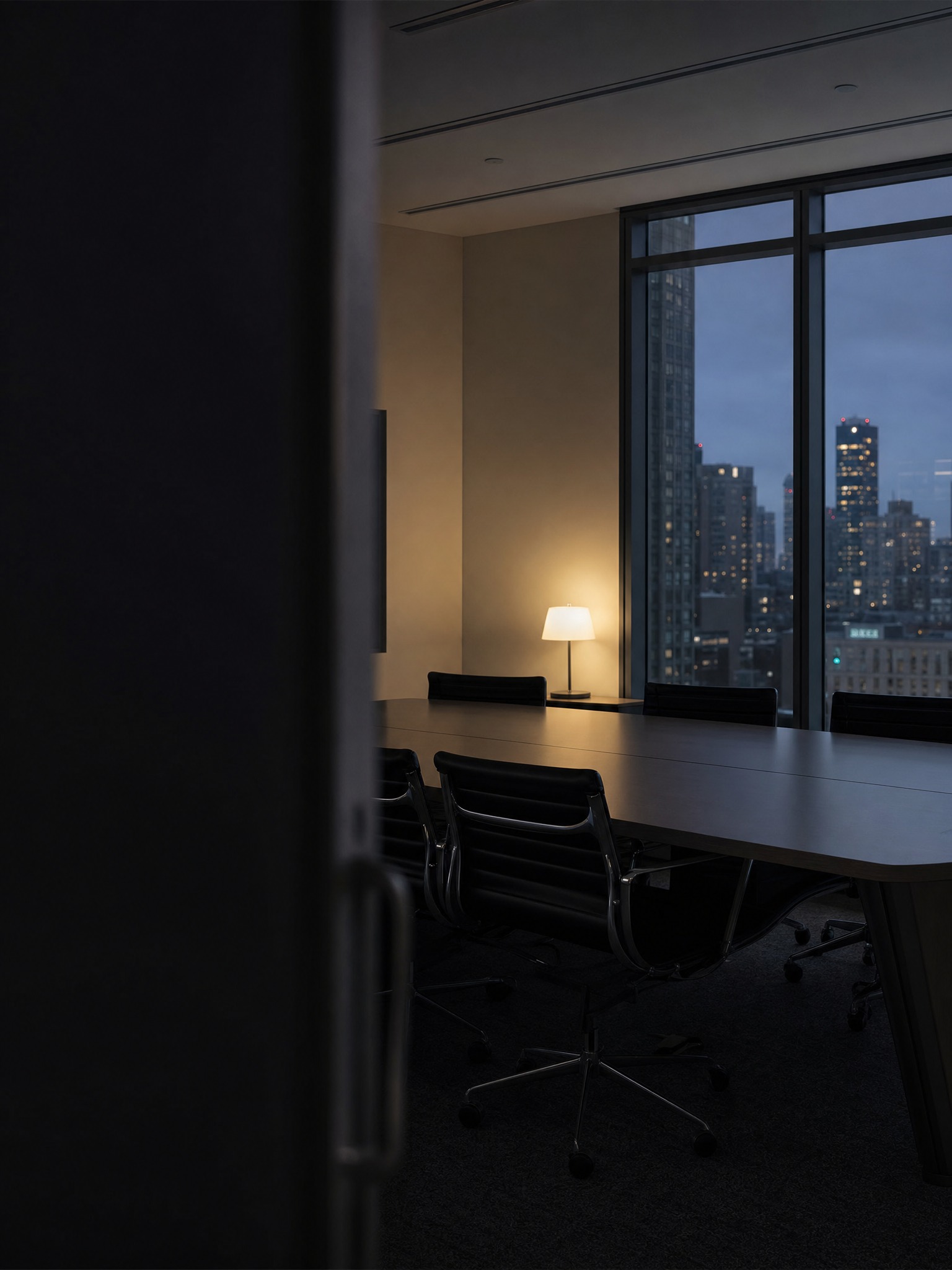
The triggers here are transactional and personal rather than seasonal.
A sale, an acquisition, a restructuring of family holdings, a succession discussion, a divorce, a dispute or a philanthropic commitment of scale each concentrates highly sensitive discussion into a defined period, and each carries parties with a direct interest in what is decided. Those periods are known in advance to the principal and rarely to anyone else, which is precisely why an examination timed against them is worth so much.
The second trigger is change in the household or the office. A departing member of private staff, a new adviser, a change of cleaning contractor or the completion of building work all alter the circle of people who have had unaccompanied access to a room. In an environment run on trust, that change is the point at which the assumption of trust should be tested.
The third is the meeting held somewhere the principal does not control. Hotel suites and private dining rooms are used constantly in this district for discussion that would never be held in an unswept office, and they are examined on the morning of use or not at all.
Corporate floors east of here are inspected under different constraints, described under technical surveillance in the City of London.

Protect
Executive ProtectionDiscreet, intelligence led executive protection for private clients, principals and families, designed to reduce exposure and preserve freedom of movement without unnecessary visible presence.
Mitigate
Threat and Risk MitigationStructured assessment that identifies where exposure exists and reduces it through proportionate, intelligence led measures across people, places and routine.
Detect
Surveillance DetectionSurveillance detection identifies hostile interest and emerging patterns of activity, providing early warning of potential threats before targeting progresses to action.
Sweep
Technical SurveillanceTechnical surveillance that detects covert devices, unauthorised transmissions and technical compromise across residences, offices and sensitive environments.

Secure
Security ChauffeuringSecure movement delivered through trained protective drivers, intelligence led route planning and continuous situational awareness.
Fortify
Residential ProtectionResidential protection for private homes and estates, drawing on assessment, access control and continuity to protect principals and families at home.

Respond
Close Proximity ResponseA discreet, client carried alert and live location capability that lets a protective team maintain proximity and respond immediately, without an overt security presence.