
Discreet protective and intelligence support in Edinburgh. Coverage is shaped by finance and government, a compact historic centre, affluent New Town residences and the crowds of the festival season.
Edinburgh is the Scottish capital and a centre of finance and government. Its financial district around Charlotte Square, St Andrew Square and the wider New Town holds asset managers, banks and professional services firms, while the seat of the Scottish Parliament and government at Holyrood, with consulates and official residences, brings a diplomatic dimension not found in most UK cities. The centre is compact, historic and walked. The Georgian terraces of the New Town, among the city's most affluent addresses, sit close to the medieval closes of the Old Town and the Royal Mile. That containment concentrates exposure. Business and diplomatic figures move on foot through a small and observable centre, in and out of offices, official venues and residences on routines that are readable. Each August the festival and fringe fill the centre with very large crowds, and later events raise profile at published moments. The city is orderly, but its density, its official and financial seniority and the seasonal surge in crowds are what require considered protective attention.

We work with the grain of a compact, historic capital. We understand the financial core around Charlotte Square and the New Town, the Old Town closes and the Royal Mile, and the official and residential quarters, and we plan movement to reduce exposure in congested and observable space, on foot as readily as in vehicles. Coverage is calibrated to the setting: a single experienced officer, low profile and consistent with the environment, is often more effective than a visible team. For business and diplomatic figures we assess venues, arrival points and the pattern already visible to an observer, and we advise accordingly. Through the festival season, when crowds fill the centre, we plan movement and appearances with particular care. For principals with residences in the New Town we assess and support the home, drawing on access control and continuity, and we integrate protective, residential and intelligence measures into a single plan, maintaining discretion throughout.
Executive Protection provides discreet, disciplined coverage for business and diplomatic figures moving through a compact historic centre, on foot and in transit, designed to reduce exposure without introducing attention.
Protective Intelligence supports decision making before events and during the festival season, assessing venues, crowds and the exposure created by predictable movement and a public profile.
Residential Protection draws on assessment, access control and continuity to protect principals and families at home in the New Town and across the city.
Edinburgh divides sharply between the Old Town, with its closes, wynds and dense medieval fabric, and the New Town, with its Georgian terraces, private gardens and ordered grid. The two present entirely different problems.
In the Old Town the environment is close, enclosed and heavily visited, with narrow routes and constant footfall. Movement on foot is the exposure, and coverage is positioned rather than escorted. In the New Town the picture is residential: terraced property with shared boundaries, basement access, communal gardens held by keyholders, and a settled routine on quiet streets.
The Festival period transforms the city for August. Population, footfall, road closures and media presence all rise sharply, venues appear in buildings not normally used as such, and the ordinary assumptions about movement do not hold. It happens on known dates and is planned for well in advance.
Edinburgh also carries a governmental and diplomatic element, with the attendant profile and periodic protest.
Work here extends to principals with estates elsewhere in Scotland, where the rural picture applies and distances are considerable.
South of the border the closest equivalent is Manchester.

The Festival period transforms the city for August. Population, footfall, closures and media presence all rise sharply, venues appear in buildings not normally used as such, and the ordinary assumptions about movement do not hold. The dates are known well in advance.
Hogmanay produces a shorter, denser version of the same effect across the centre.
The governmental and diplomatic element brings periodic protest and heightened policing on dates driven by events elsewhere, affecting private households on the same streets without being directed at them.
Most principals working here travel regularly to the City of London, which imposes its own constraints.
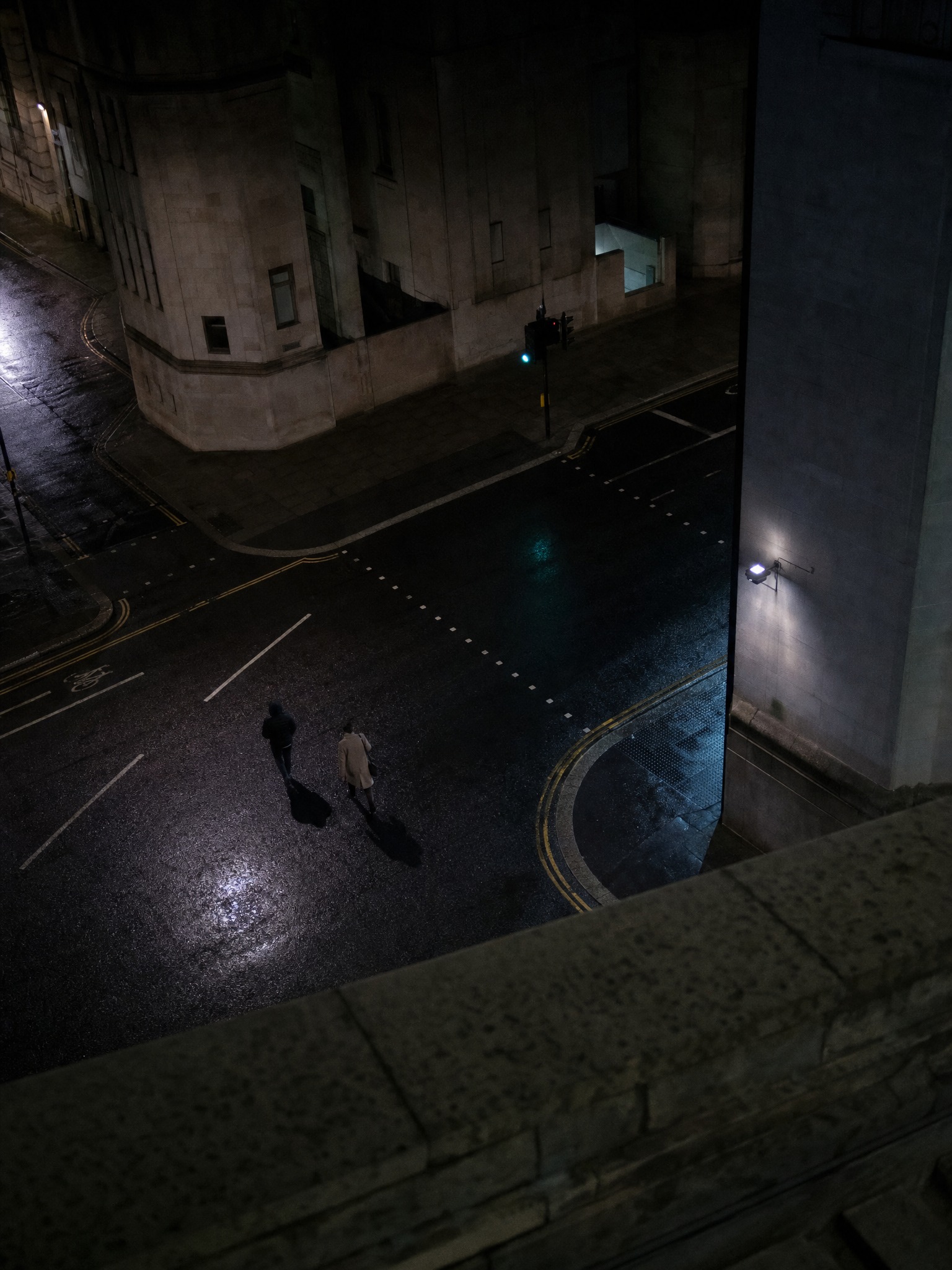
The city produces two distinct requirements. In the Old Town the work is movement led: enclosed routes, constant footfall and a principal exposed on foot rather than at an address. In the New Town it is residential, concerning terraced property, shared boundaries, basement access and communal gardens held by many keyholders.
The Festival generates a concentrated annual requirement across August, when the ordinary assumptions a movement plan rests on stop holding and the arrangements have to be rewritten for the month.
Governmental and diplomatic proximity produces periodic protest and heightened policing that affects private households on the same streets without being directed at them.
A share of enquiries extend to estates elsewhere in Scotland, where the rural assessment applies and distances make warning and time the governing considerations.
Inspection work in commercial premises follows the method described under technical surveillance in the City of London.
New Town properties with basement and rear access are assessed under residential protection.
All enquiries are handled discreetly and reviewed before engagement suitability is determined. Information should be limited to what is necessary to outline the matter. Where appropriate, further contact is arranged following review.

Protect
Executive ProtectionDiscreet, intelligence led executive protection for private clients, principals and families, designed to reduce exposure and preserve freedom of movement without unnecessary visible presence.

Mitigate
Threat and Risk MitigationStructured assessment that identifies where exposure exists and reduces it through proportionate, intelligence led measures across people, places and routine.
Detect
Surveillance DetectionSurveillance detection identifies hostile interest and emerging patterns of activity, providing early warning of potential threats before targeting progresses to action.

Sweep
Technical SurveillanceTechnical surveillance that detects covert devices, unauthorised transmissions and technical compromise across residences, offices and sensitive environments.

Secure
Security ChauffeuringSecure movement delivered through trained protective drivers, intelligence led route planning and continuous situational awareness.
Fortify
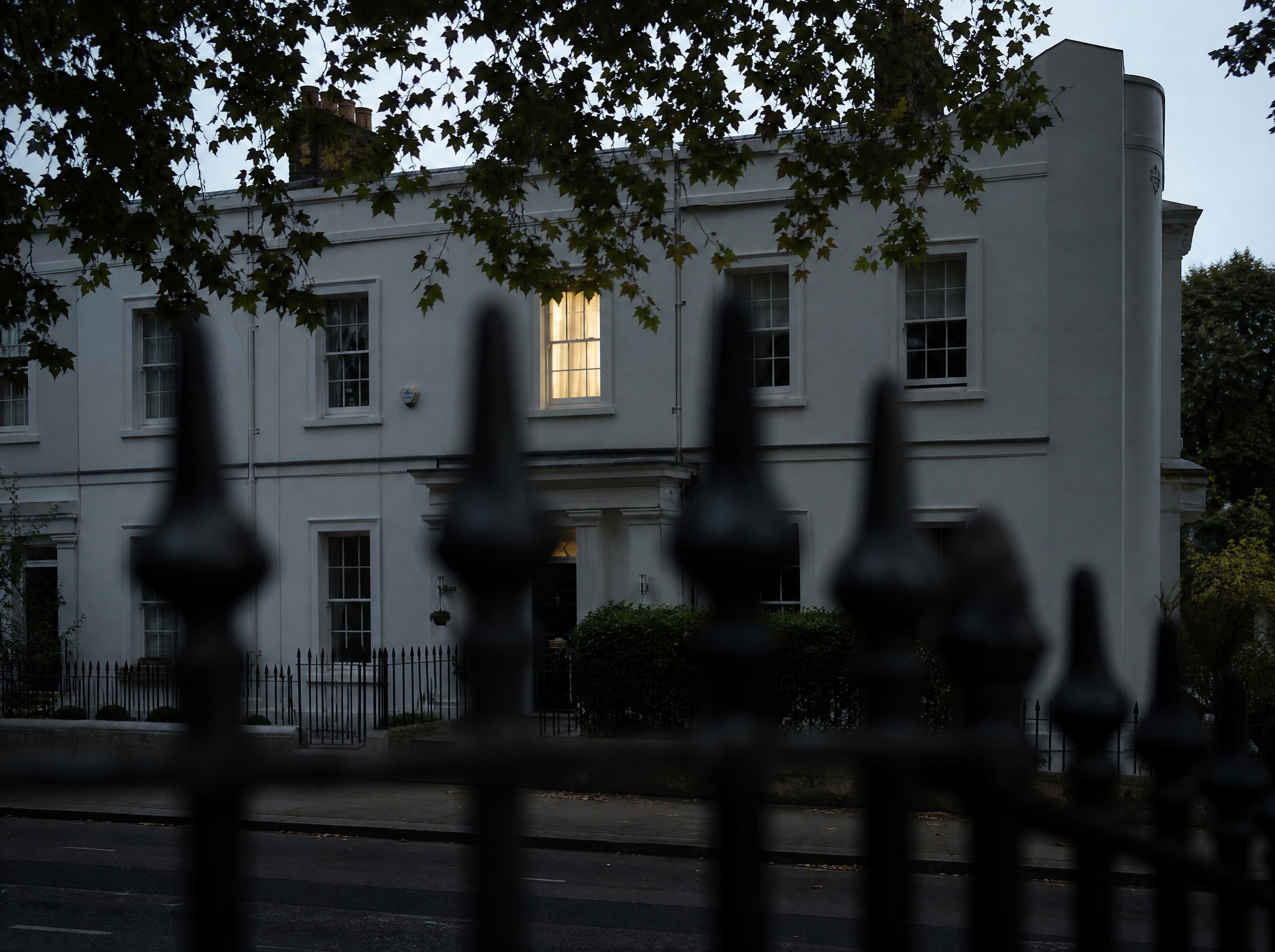
Residential ProtectionResidential protection for private homes and estates, drawing on assessment, access control and continuity to protect principals and families at home.
Respond
Close Proximity ResponseA discreet, client carried alert and live location capability that lets a protective team maintain proximity and respond immediately, without an overt security presence.