
Discreet protective and intelligence support in Glasgow. Coverage is shaped by the financial district on the Clyde, the Victorian terraces of the West End, the private suburbs to the north and south, and the public profile that football and major events carry across Scotland's largest city.
Glasgow is the largest city in Scotland and its commercial engine. The financial district sits on a grid between Bothwell Street, Blythswood Square and the Broomielaw, where banks, insurers and professional firms occupy modern blocks above the Clyde, with the Merchant City and Buchanan Street a few streets east. West of the centre the ground rises to Park Circus, a crescent of Victorian townhouses above Kelvingrove Park, and beyond it the sandstone terraces of Kelvinside, Dowanhill and Hyndland hold the traditional professional wealth of the city. Larger detached houses on private plots lie outside the boundary: Bearsden and Milngavie to the north west, and Newton Mearns, Whitecraigs and Thorntonhall to the south, where business owners and Old Firm players live within a short run of the M77 and the M8 to the airport. Two football clubs of international following, the SEC and the OVO Hydro on the riverside, and Hampden Park give the city a profile few of its size can match. Movement is largely by car. The city is direct and sociable, and a principal who is recognised here is recognised quickly.
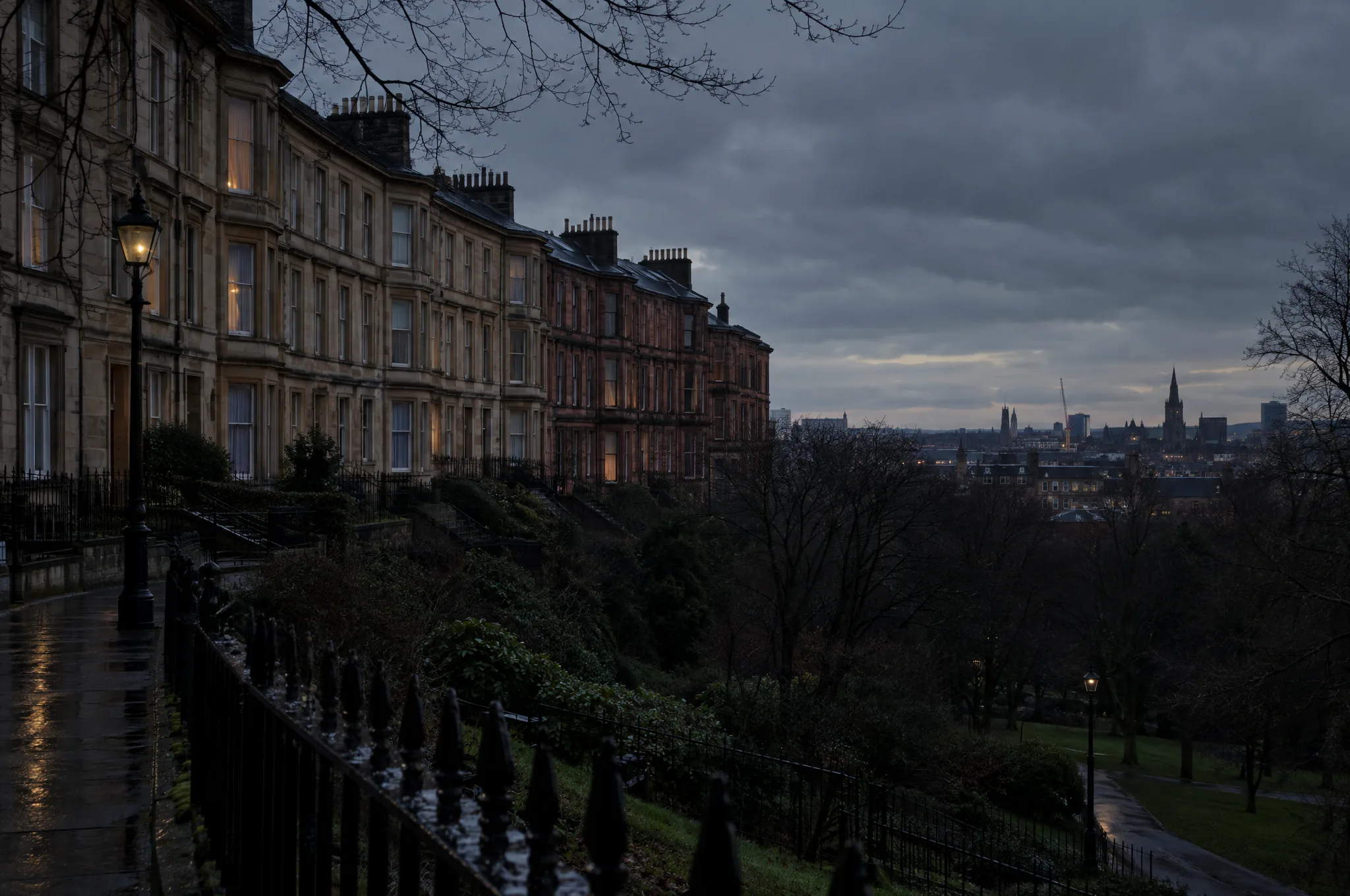
We work with the way the city is actually used. The centre is compact and busy at all hours, so movement between the financial district, hotels and the riverside venues is planned around arrival and departure. Coverage is kept proportionate: a single officer, dressed for the room and kept at a distance, is usually the right measure in a city that notices and comments. Residentially we assess West End terraces, with their shared closes, lanes and rear access, differently from the detached houses of Bearsden or Newton Mearns, where the boundary is long and the approach is by a quiet suburban road. For sporting principals we treat fixture lists and publicised appearances as the starting point, since these are known to everyone. Scots law shapes what may be done on private and public ground and we plan within it. Airport runs are planned with the rest of the week.
Executive Protection keeps a single officer within reach of business principals, sporting figures and visiting executives between the financial district, the riverside venues and the West End.
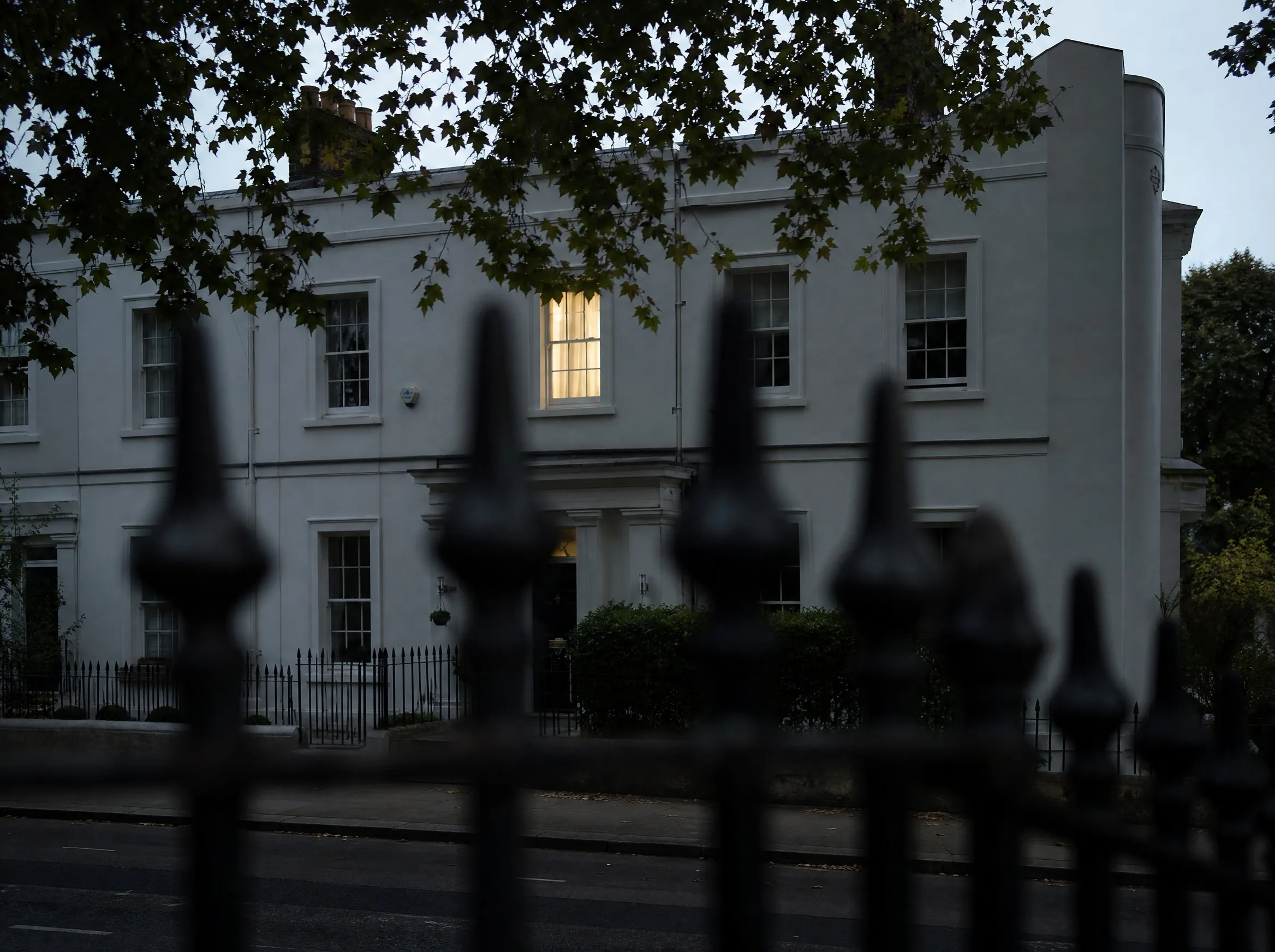
Residential Protection distinguishes the West End terraces, with shared closes and rear lanes, from the detached houses of Bearsden and Newton Mearns on their long gardens.
Security Chauffeuring covers the M8 to the airport, the road to the training grounds and evening journeys to Hampden and the Hydro, the driver watching what follows.
Glasgow work divides between a city centre used on foot and a ring of suburbs reached by car, and most engagements touch both within a single day.
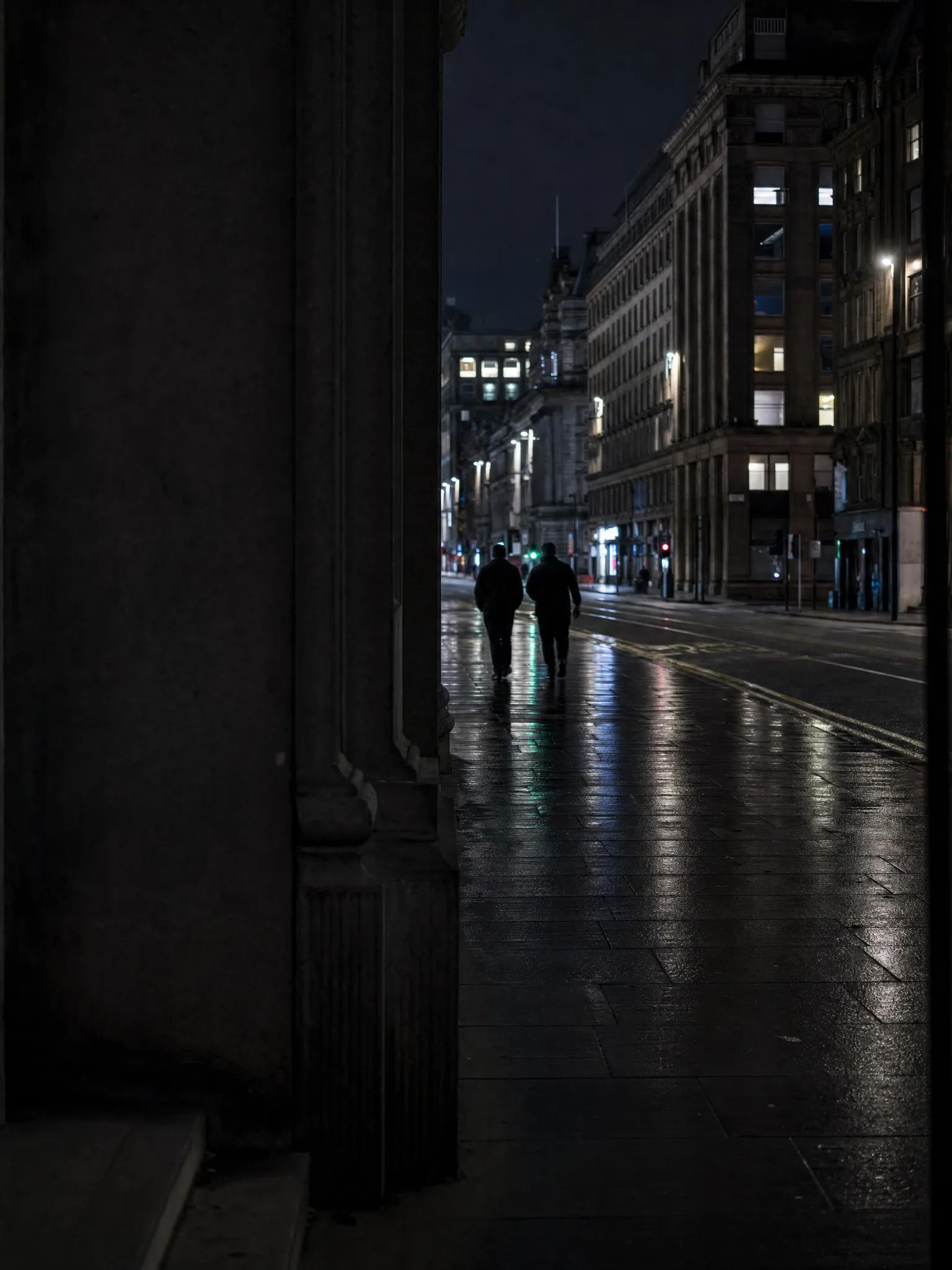
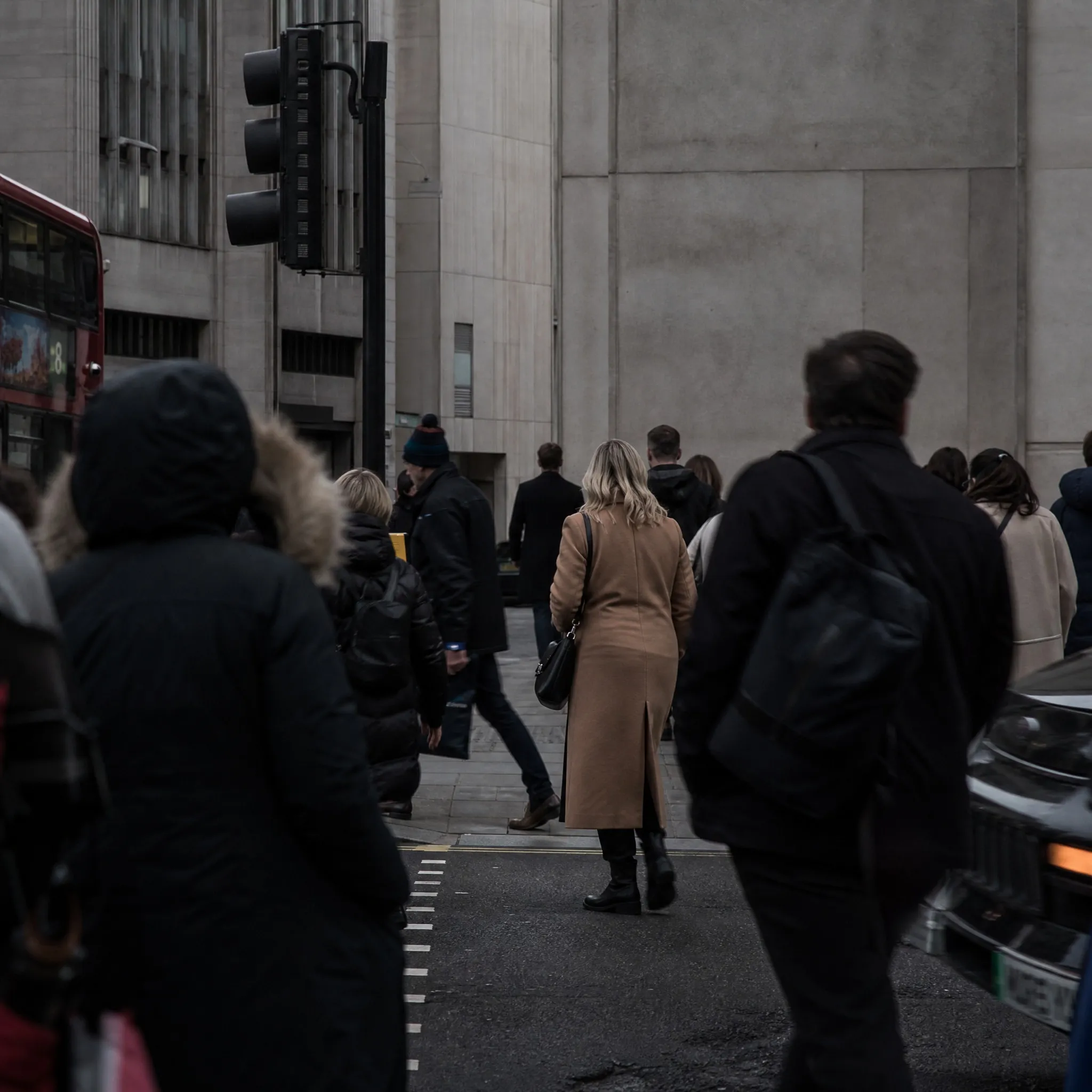
In the centre the financial district, the Merchant City and the hotels around George Square sit within a few minutes' walk of each other. Footfall is heavy and the night time economy is substantial. Exposure sits at doors. The moment a principal leaves a vehicle outside an office on Bothwell Street or a restaurant in Finnieston is the moment that matters, and the rest of the journey is arranged to make that moment short.
The riverside venues bring a different load. The SEC and the OVO Hydro empty tens of thousands onto the Clydeside on published evenings, and a principal attending, performing or hosting there is moving against that crowd.
Football carries the highest profile in the city. Players, managers and executives at the two Old Firm clubs are recognised anywhere in Glasgow, and their homes in the southern suburbs are known locally. Fixtures, training and travel are public or easily inferred. The response is planning, not presence.
Residentially the West End presents Victorian terraces with communal closes, rear lanes and neighbours at close quarters. Bearsden, Milngavie and Newton Mearns present detached houses with longer boundaries and quiet approaches after dark.
The capital is an hour east along the M8, and the governmental and diplomatic picture there is set out under Edinburgh. Repeated journeys to the airport and to Loch Lomond are handled under security chauffeuring.
The football calendar governs most of it. Old Firm fixtures are published months ahead and alter the temper of the city for the day, and cup finals and internationals at Hampden do the same on the south side. Transfer windows and managerial changes raise the profile of individuals rather than crowds, and are the periods when attention at a home address is most likely.
The Hydro and the SEC run a near continuous programme, with the heaviest concentration of arena dates through the autumn and winter. Celtic Connections fills venues across the city each January, and TRNSMT brings a large festival crowd to Glasgow Green in July.
Residentially the exposure follows darkness. From late October the suburban approaches are unlit by mid afternoon, and the West End lanes are unobserved for long hours. Summer is the reverse: households are away, and the property carries the requirement.
The nearest English city with a comparable mix of corporate and sporting profile is Manchester, three and a half hours south by road.
Principals with interests on both sides of the North Channel often combine Glasgow with Belfast, under an hour apart by air.
Sporting profile leads the enquiries. Players and their families ask for coverage of match days, public appearances and the periods around transfers or press attention, and for an assessment of a home in Newton Mearns, Thorntonhall or Bothwell that has become known.
Corporate requests follow, most often for visiting principals: arrival at Glasgow Airport, movement to the financial district or a hotel, a day of meetings and departure.
Residential assessments are requested for West End terraces and for detached suburban houses in roughly equal measure, and the findings differ. The terrace question is rear access and neighbours. The suburban question is the boundary and the road.
Security chauffeuring is asked for where a household makes the same journey daily, typically between a southern suburb and a training ground or the city.
Technical examinations are occasional and corporate in nature, usually around a transaction or a boardroom dispute.
A number of enquiries concern a vehicle or a person seen more than once near a home, and that is settled by surveillance detection before anything else is decided.
Where a family also keeps a property in the Highlands or on the west coast, the rural assessment described under the Edinburgh page applies there.
All enquiries are handled discreetly and reviewed before engagement suitability is determined. Information should be limited to what is necessary to outline the matter. Where appropriate, further contact is arranged following review.

Protect
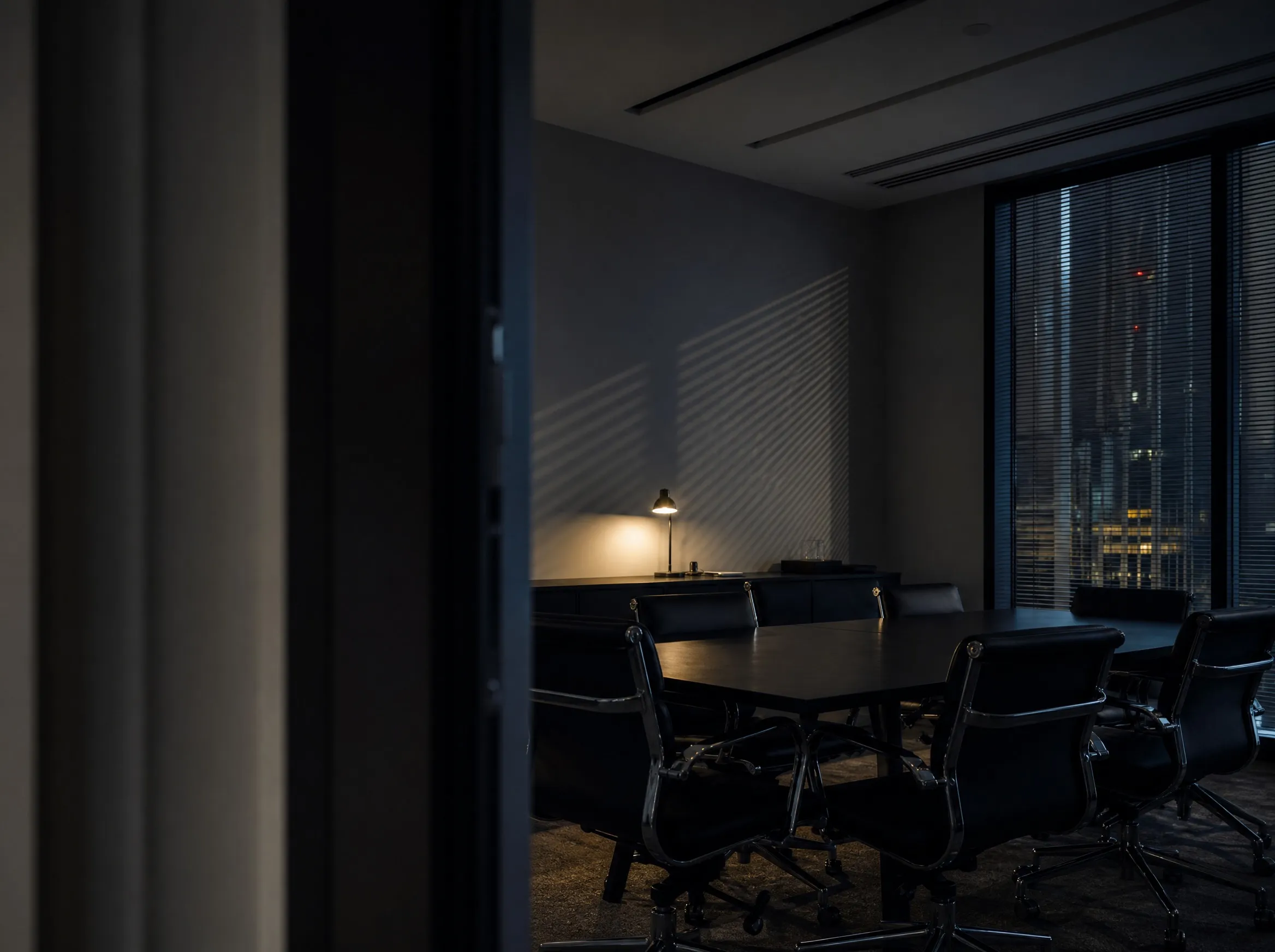
Executive ProtectionDiscreet, intelligence led executive protection for private clients, principals and families, designed to reduce exposure and preserve freedom of movement without unnecessary visible presence.
Mitigate
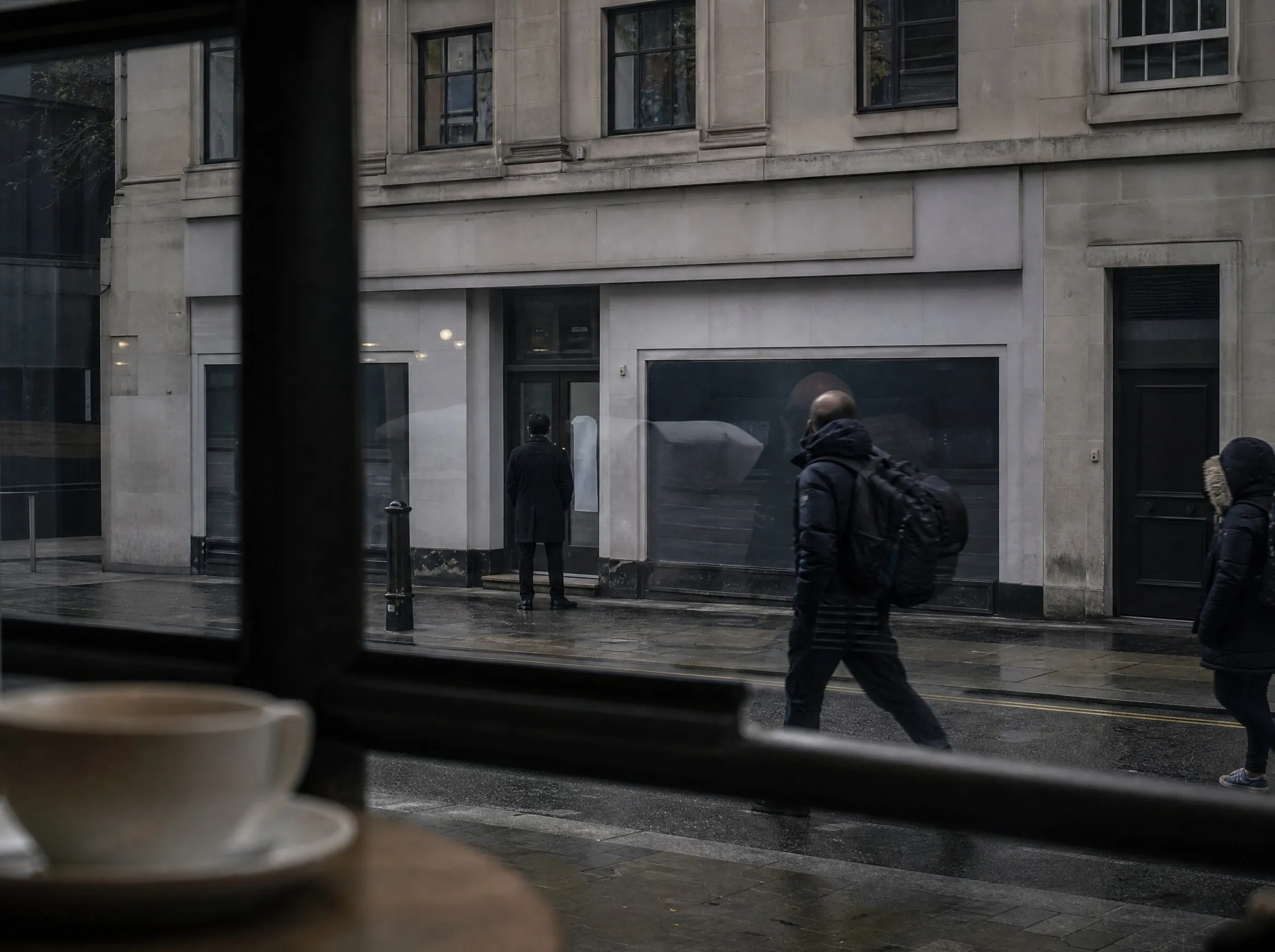
Threat and Risk MitigationStructured assessment that identifies where exposure exists and reduces it through proportionate, targeted measures across people, places and routine.
Detect
Surveillance DetectionSurveillance detection identifies hostile interest and emerging patterns of activity, providing early warning of potential threats before targeting progresses to action.
Sweep
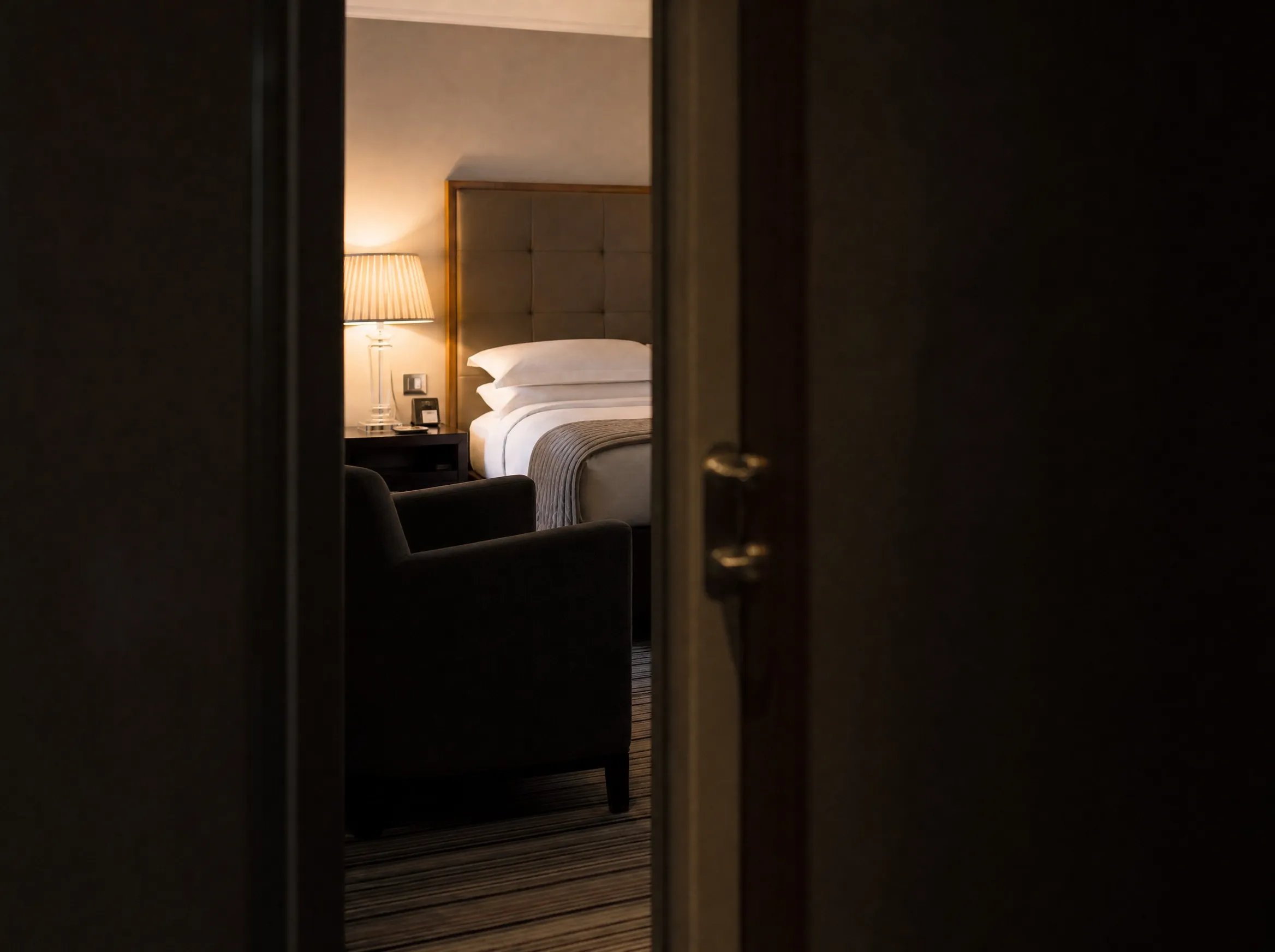
Technical SurveillanceTechnical surveillance that detects covert devices, unauthorised transmissions and technical compromise across residences, offices and sensitive environments.
Secure
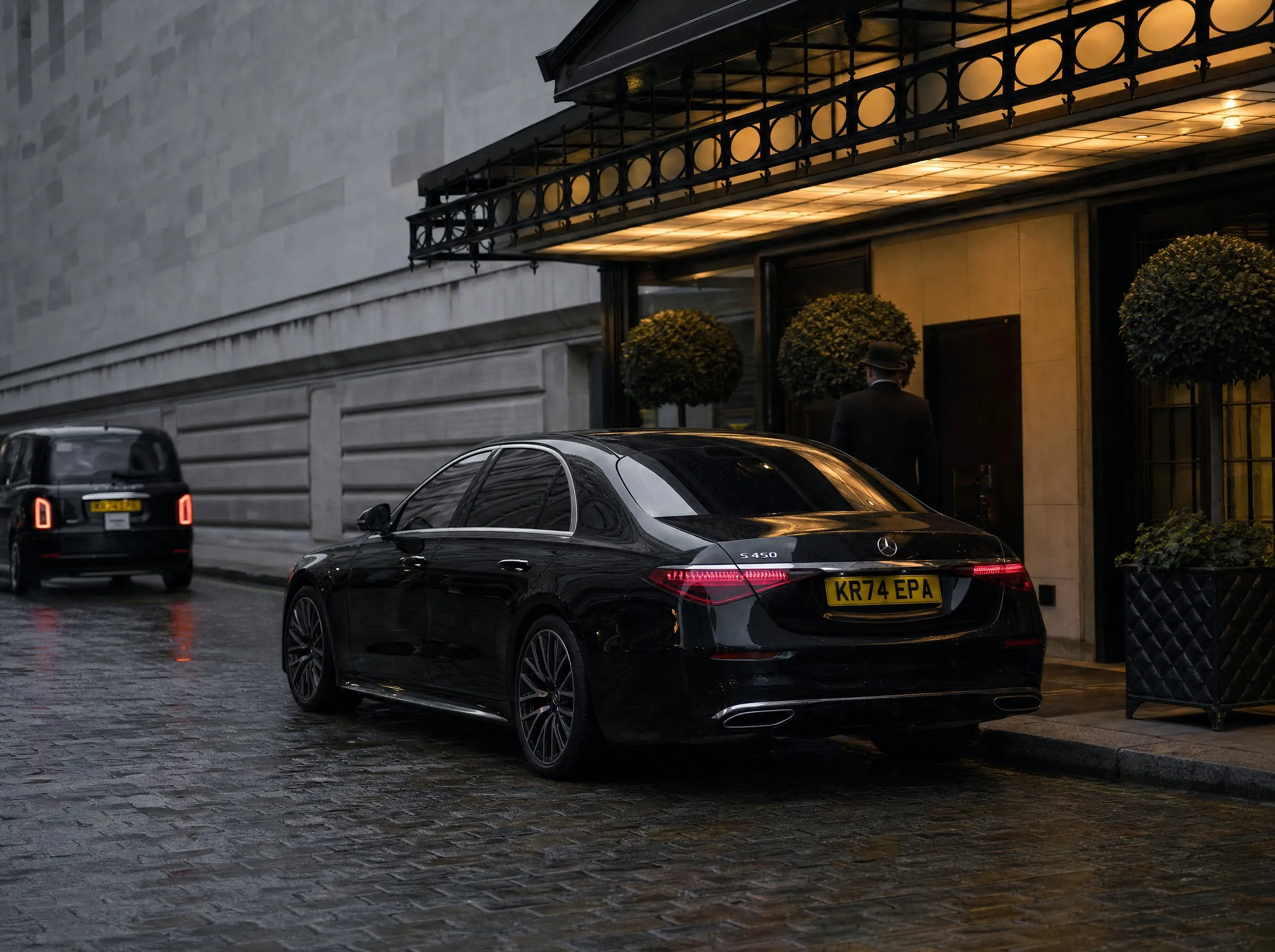
Security ChauffeuringSecure movement delivered through trained protective drivers, considered route planning and continuous situational awareness.
Fortify
Residential ProtectionResidential protection for private homes and estates, drawing on assessment, access control and continuity to protect principals and families at home.
Respond
Close Proximity Response™A discreet, client carried alert and live location capability that lets a protective team maintain proximity and respond immediately, without an overt security presence.