
Discreet residential and protective support in Walton on Thames. Coverage is shaped by two private parks behind barriers, a mile of river frontage that faces public water, and a town whose year is set by the Thames.
Walton on Thames is the river town of Elmbridge. The Thames runs along its northern edge from Walton Bridge past the marina and the meadows at Cowey Sale to Sunbury Lock, with Desborough Island and the cut behind it forming a stretch of water that is busy with boats in summer and almost silent in winter. The large houses divide into two kinds. Along the river they stand on long plots with lawns to the water, moorings and boathouses, facing a towpath that anyone may walk. Inland they sit inside Burwood Park and Ashley Park, two private estates with controlled entrances, wide plots, long drives and a mixture of inter war houses and much larger replacements. Burwood Park runs to some 350 acres against Burhill Golf Club, which the Guinness family founded in 1907. Ashley Park lies closer to the station and reads number plates at its gates. The residents are business owners, finance principals, people from broadcasting and sport, and families who chose the town for its schools. The centre is compact and unremarkable, the station sits a mile to the south with trains of around twenty five minutes to Waterloo, and the A3 and the M25 are ten minutes away by car.
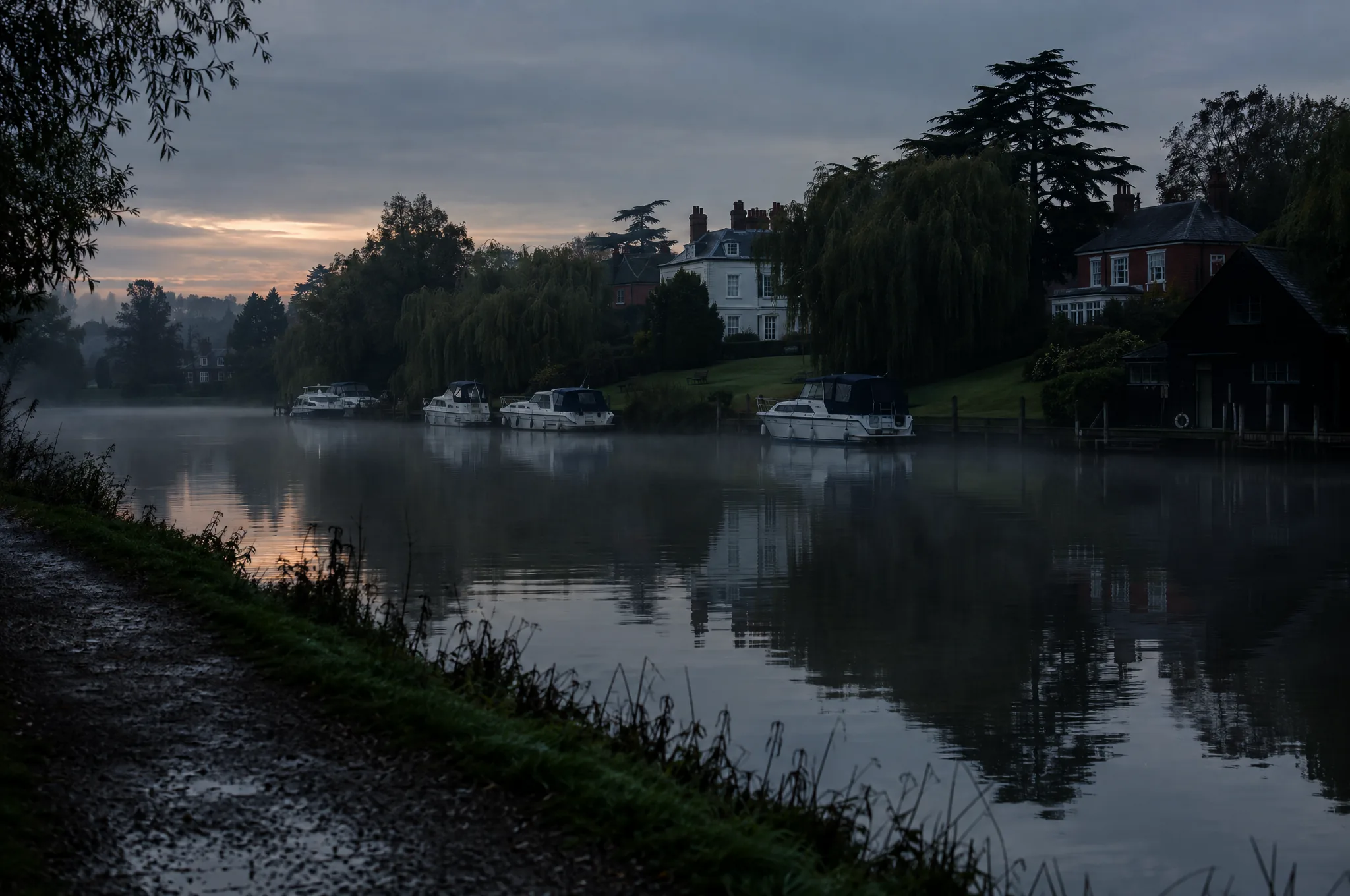
We treat the river as a boundary in its own right. A house with Thames frontage has a public approach that never closes, is used by walkers, anglers, rowers and boats at every hour, and gives a view straight across the lawn into the ground floor. Our residential work here begins there, then turns to the drive, the road and the estate entrance, in that order. In the parks we work alongside the estates' own barriers and camera systems without depending on them, since a gate that logs number plates says nothing about who was invited, what the cleaner's partner knows or where the family will be next Tuesday. We plan movement to the station, the schools, the A3 and London with attention to a road pattern that funnels through a small number of bridges and junctions. Where a principal or a family member wants a protective response available without an officer alongside, we arrange it beforehand. Presence is kept to a level that a neighbour would not register.
Residential Protection is planned for families in Burwood Park, Ashley Park and on the Walton riverside, where a controlled estate entrance and an open towpath belong to the same property.
Surveillance Detection confirms or dismisses repeated presence on the towpath, the Burwood Park roads or the station approach, so a household acts on evidence rather than unease.
Close Proximity Response gives a family member on the river, at the station or in the town a discreet alert that brings a planned protective response, arranged in advance.
Walton is quieter than its neighbours and that is part of the appeal. The town does not draw the press attention of the hill above Weybridge, and households here tend to want it kept that way.
The river changes the geometry of a residence. A garden that ends in water has no fence, the towpath on the far or near bank is public, and the ground floor is lit and visible from the water after dark. Moored boats, boathouses and slipways are entry points as well as amenities.
Inside the parks the exposure is different. Plots are wide, hedges are high and the roads are private, so the risk is less the stranger at the gate than the wide circle of gardeners, cleaners, pool contractors, drivers and tutors who pass through it legitimately every week.
Movement funnels. Walton Bridge is the only crossing for some distance, the station is a mile from the centre and the road to the A3 runs through a few predictable junctions. Anyone watching a household need not follow it, only wait where it must pass.
School runs are short and local, often on foot or by bicycle, and are treated as part of the picture rather than as a separate errand.
Downstream the river reaches the towns covered under Richmond, and the wider county setting is under Surrey.
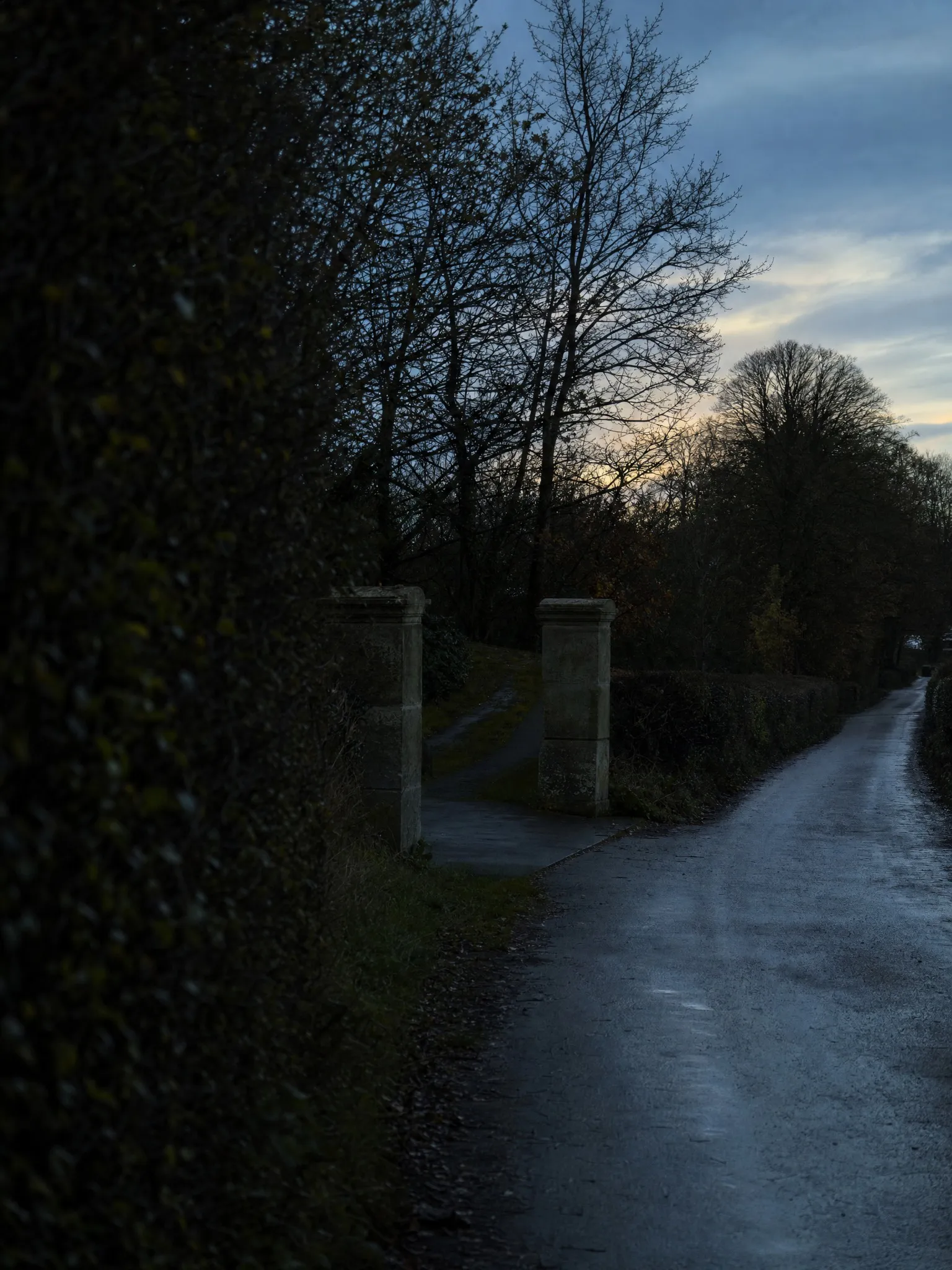
The Thames sets the calendar. From late spring the water fills with cruisers, paddleboards and rowing eights, the towpath and Cowey Sale draw crowds on warm weekends, and a riverside garden is overlooked from morning until late evening.
Winter reverses it. The river empties, the towpath goes unlit, and the lawns that were public in July are unobserved in January, which suits a different kind of visitor.
Racing at Sandown Park, a short drive away in Esher, brings traffic through the town on meeting days and fills the local restaurants in the evenings.
Term time fixes the school run to the minute. Holidays leave houses in the parks empty for weeks, often with contractors working in them, and that is when a review of who holds keys and codes is most useful.
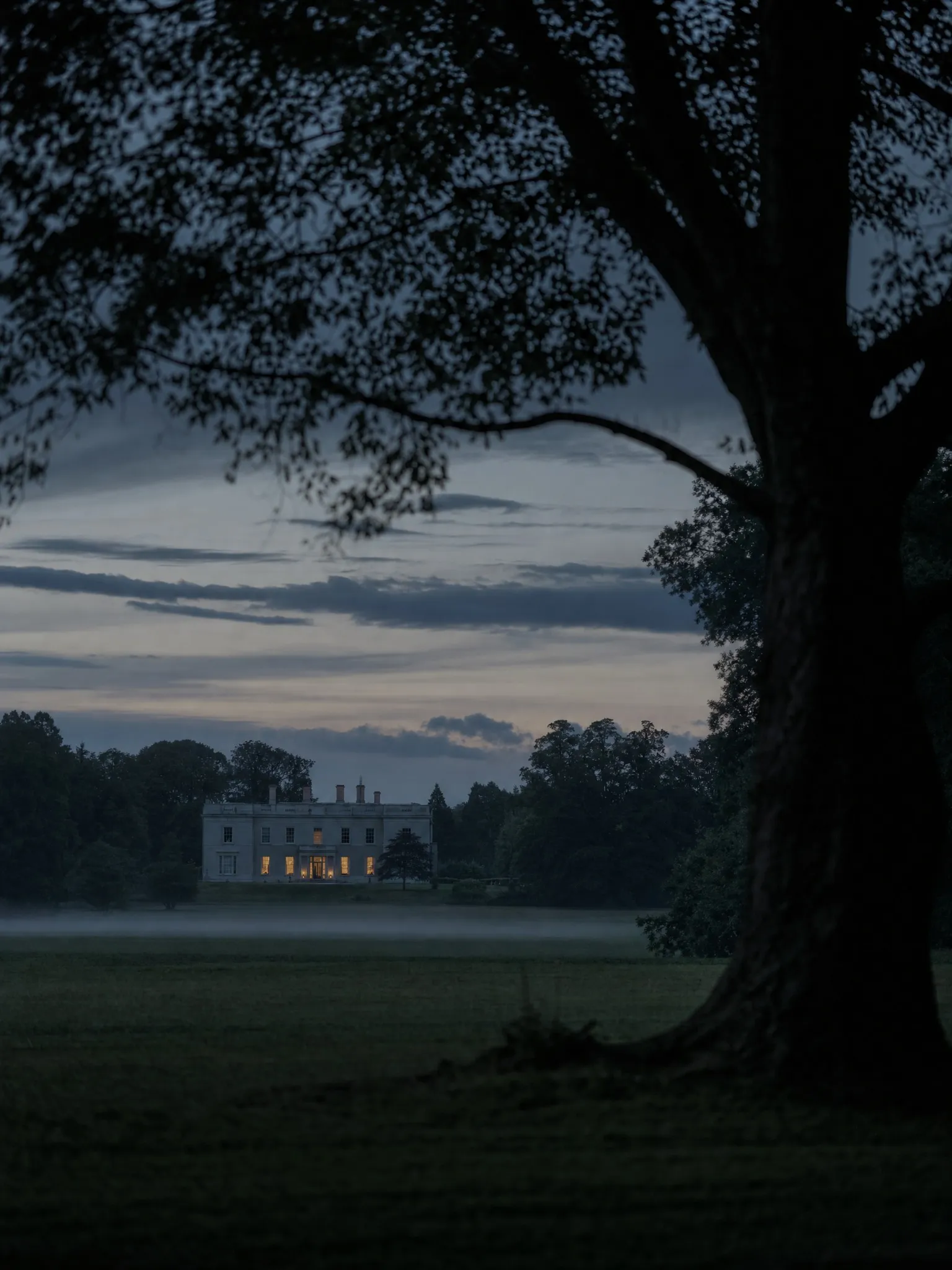
Riverside households ask first about the water. They want to know how far the frontage can be secured without spoiling it, and the answer is usually further than they expect, through lighting, sightlines and the management of moorings and access from the bank rather than through fencing.
Families in Burwood Park and Ashley Park ask what the estate barriers do not do. The reply concerns the access circle, deliveries and the information that leaves with people rather than with cars.
Secure movement to London, to the airports and to the schools is the steady requirement, run from a gate and a bridge that admit no alternative and covered under chauffeuring across the county.
A vehicle seen twice on the estate road, or a figure on the towpath at the same hour on consecutive days, is put to surveillance detection and settled before anyone acts on it.
Technical examinations follow a refit, a departure from the staff or a separation.
Family offices managing more than one Elmbridge property ask for a single assessment covering all of them.
All enquiries are handled discreetly and reviewed before engagement suitability is determined. Information should be limited to what is necessary to outline the matter. Where appropriate, further contact is arranged following review.

Protect
Executive ProtectionDiscreet, intelligence led executive protection for private clients, principals and families, designed to reduce exposure and preserve freedom of movement without unnecessary visible presence.
Mitigate
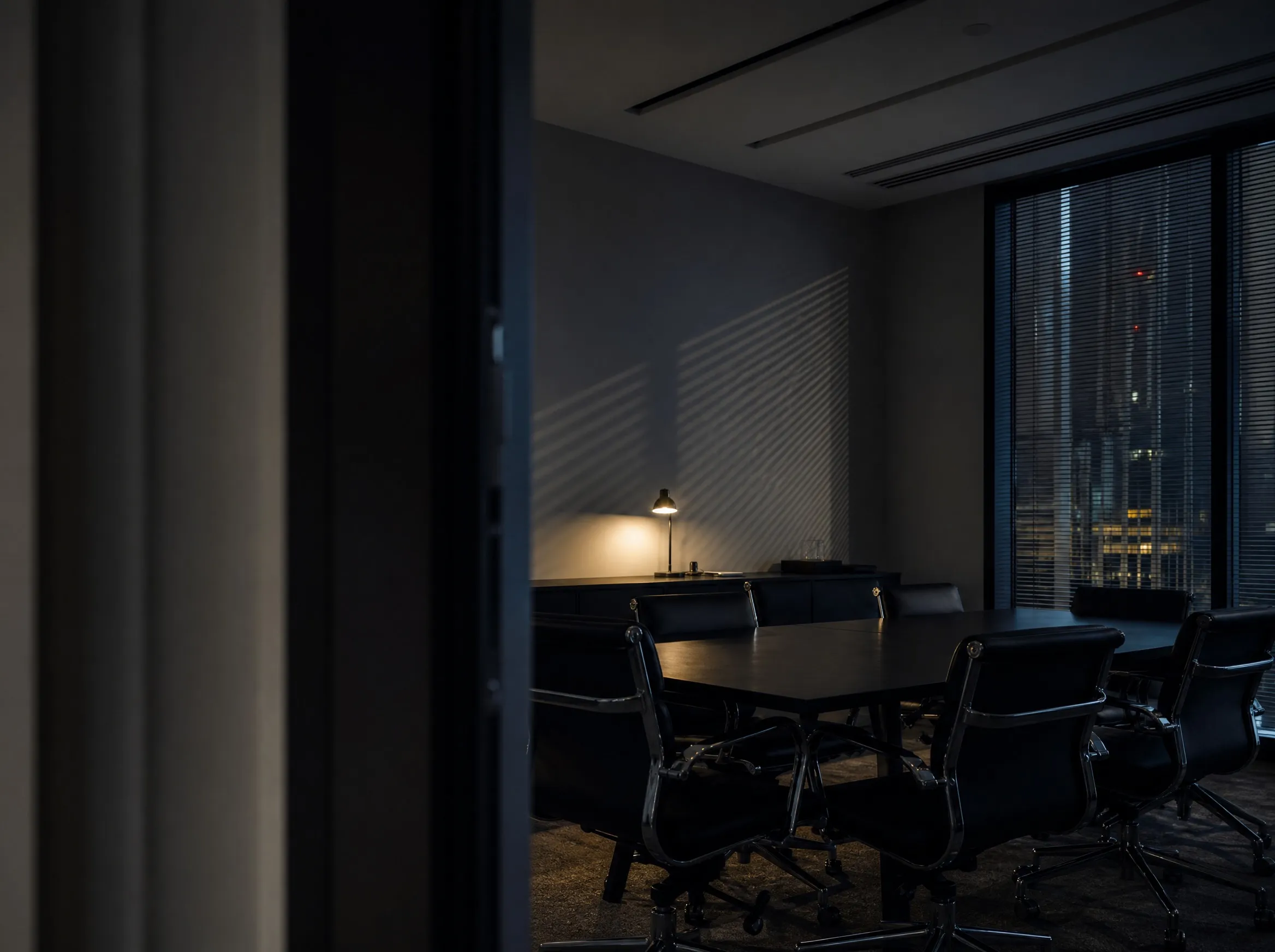
Threat and Risk MitigationStructured assessment that identifies where exposure exists and reduces it through proportionate, targeted measures across people, places and routine.

Detect
Surveillance DetectionSurveillance detection identifies hostile interest and emerging patterns of activity, providing early warning of potential threats before targeting progresses to action.
Sweep
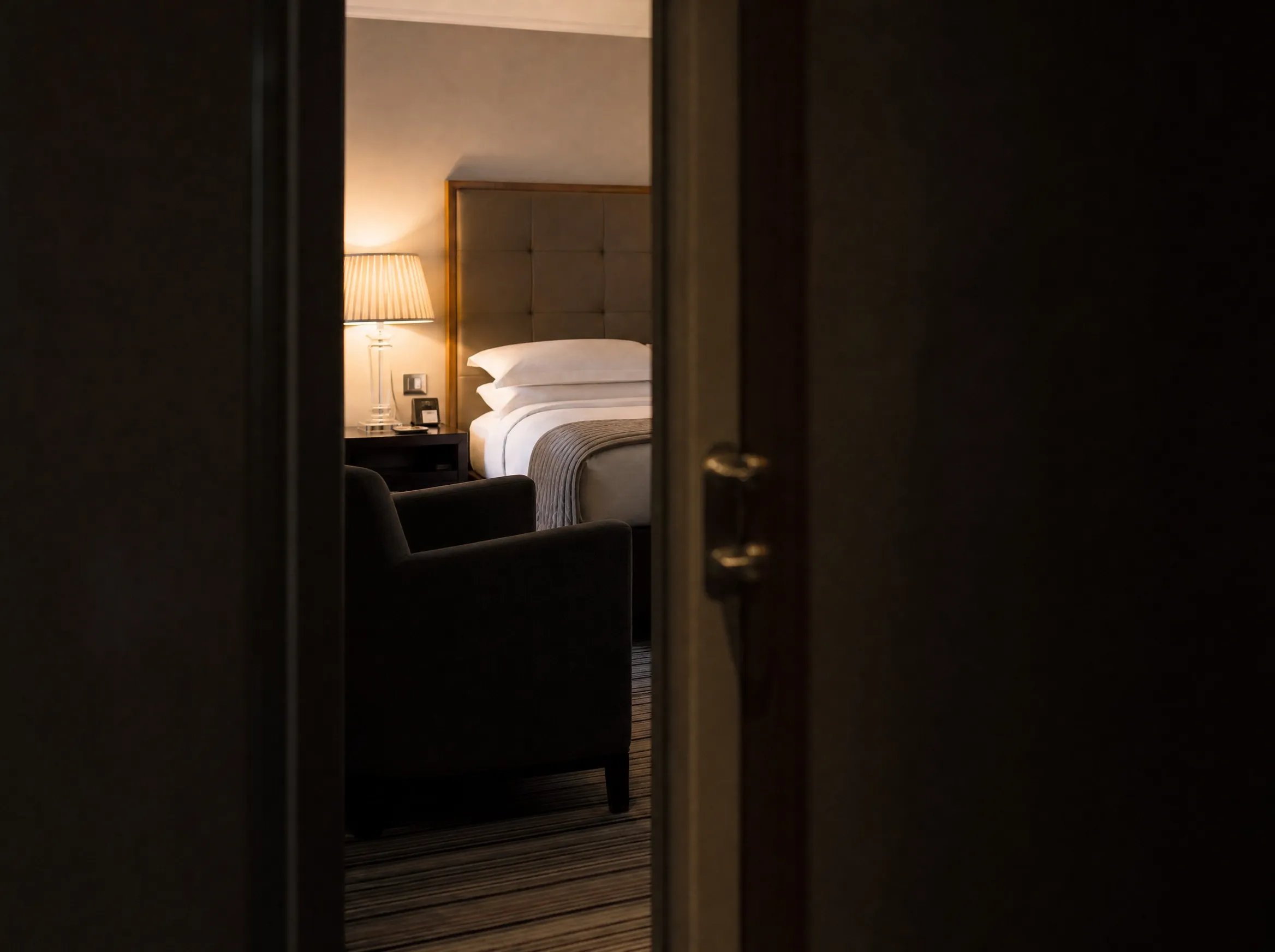
Technical SurveillanceTechnical surveillance that detects covert devices, unauthorised transmissions and technical compromise across residences, offices and sensitive environments.

Secure
Security ChauffeuringSecure movement delivered through trained protective drivers, considered route planning and continuous situational awareness.
Fortify
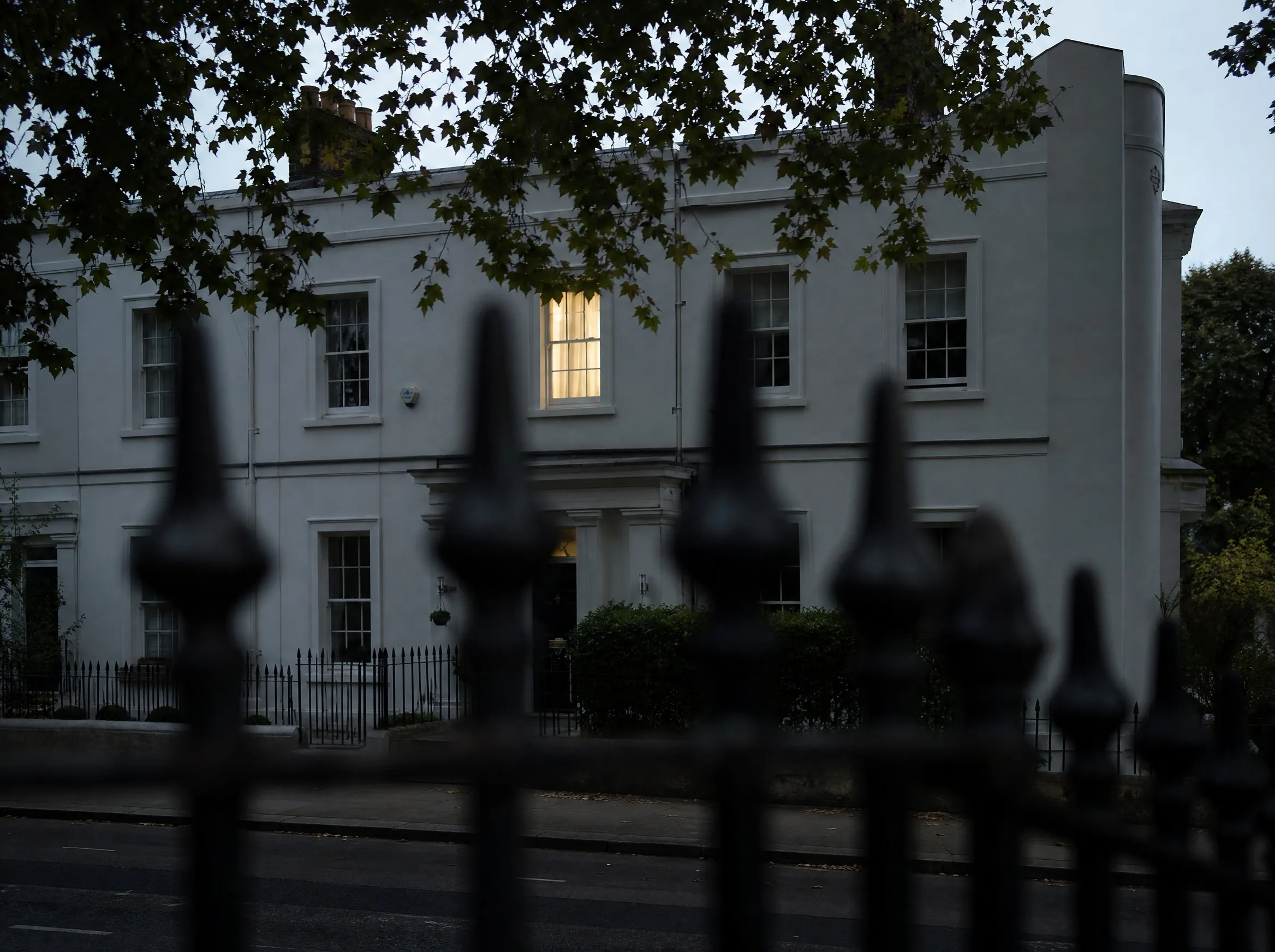
Residential ProtectionResidential protection for private homes and estates, drawing on assessment, access control and continuity to protect principals and families at home.

Respond
Close Proximity Response™A discreet, client carried alert and live location capability that lets a protective team maintain proximity and respond immediately, without an overt security presence.