
Discreet protective and residential support in Radlett. Coverage is shaped by large houses behind gates on private roads, a resident population that includes Premier League players and entertainers, and a commute that is short, fast and easy to observe.
Radlett sits inside the M25 on Watling Street, between Elstree and St Albans, in the valley running north from Aldenham Reservoir. It is a village of substantial detached houses on wide plots, close to half of them valued above a million pounds. The private roads north and west of Watling Street hold the largest: Newlands Avenue, where houses stand behind gates and long walls with pools to the rear, and Loom Lane running out towards Aldenham. Residents include Premier League players, entertainers and business owners, drawn by a Thameslink journey to St Pancras of little over twenty minutes and by the M1 and M25 close at hand. The village has a strong Jewish community, a dozen schools for younger children and no secondary school of its own, so the school run heads out towards Elstree, Aldenham and St Albans. Porters Park Golf Club and the cricket ground on Cobden Hill supply the social calendar. Exposure concentrates at the gate, on the stretch of Watling Street everyone uses, and at the station approach early in the morning.
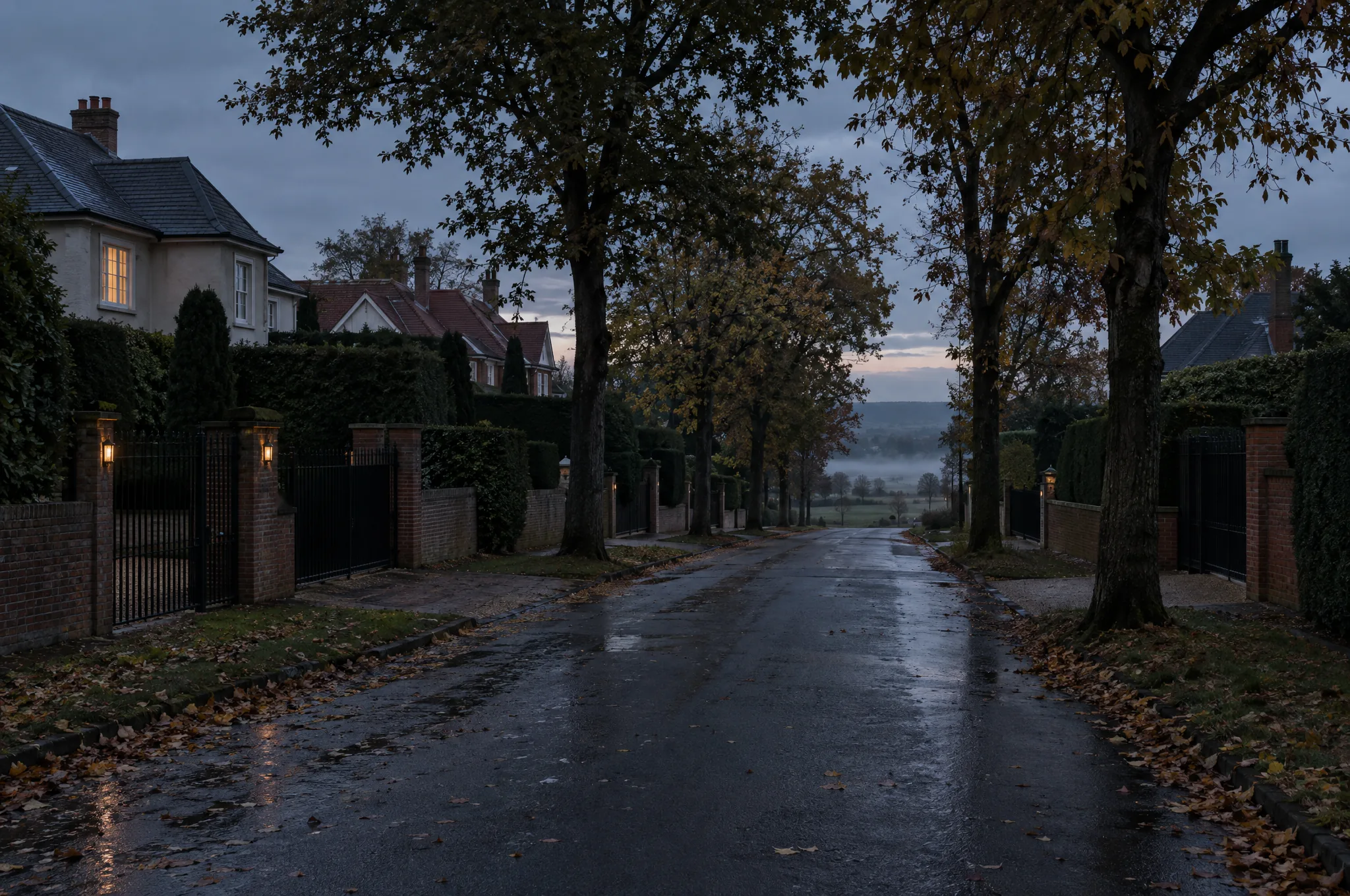
Radlett is a place where a large house is expected and a visible guard is not. We begin with the property: the gate on the private road, the wall line, the rear boundary onto gardens or open ground, and the cleaners, nannies, tradespeople and drivers who hold codes or keys. Residential protection here is usually built on who holds access and a steady arrangement, not on a standing presence, with a technical examination of gate systems where the installation predates the current household. For a principal with a public profile we establish how much of the daily pattern is already visible from Watling Street and the station approach, and plan the London journey to shorten the time spent in observable space. Where a family member moves independently, a client carried alert capability keeps a response close without an escort. Coverage stays low profile throughout. In a village this size, attention travels quickly between neighbours, schools and clubs.
Residential Protection is arranged for the walled houses on Newlands Avenue, Loom Lane and the private roads off Watling Street, beginning with the builder's gate system.
Executive Protection covers players, entertainers and business principals whose profile follows them from the training ground to a village where every car is known.
Close Proximity Response gives a family member travelling alone between Radlett, the station and the schools a discreet client carried alert with a planned response behind it.
Radlett work starts at the gate and rarely strays far from it.
The private roads are quiet, wide and lightly used, which cuts both ways. A stranger on foot is noticed by residents, but a parked vehicle is not, and the long frontages give a patient observer a clear view of who leaves, when and in what. Most houses have electric gates and a camera fitted at the last refurbishment, and most households have never checked who still holds a code.
The London journey is short and consistent. Thameslink reaches St Pancras in around twenty minutes, and the car alternative runs down Watling Street to the M1 and into the capital through the northern suburbs. The station car park and the short approach from the village are where a commuting principal is most easily found.
Families move on a wide radius. With no secondary school in the village, mornings involve a drive to the independent schools around Elstree and Aldenham or into St Albans, and afternoons involve sports clubs, tuition and the return leg.
Domestic staff are common. A household of this kind often has six or more people holding keys, and the list changes without anyone recording it.
The village is a natural base for principals with interests across Hertfordshire, and the green belt lanes that give it privacy also give it few alternative routes.
A comparable pattern of large plots behind walls continues south across the London boundary into Totteridge.
Term time sets the rhythm. The school run and the commute leave a few minutes apart through one gate, and for a Premier League household the training schedule fixes the day more tightly still. Match days add a known journey to a known ground, published in advance.
The Jewish festival calendar brings large gatherings to homes and to the village's synagogues on set dates, with visitors arriving on foot and by car.
Summer empties the private roads. Long holidays abroad leave houses with staff and gardeners for weeks, and the exposure moves from the person to the property.
Anything that raises a resident's profile, a transfer, a broadcast, a court matter or a business sale, brings unwanted attention to the front gate faster here than in London, because the village is small and addresses are easy to establish. The next town up the same Thameslink line, Harpenden, raises similar questions with a larger share of family requirements.
Most enquiries begin with a residential assessment. A family has bought or rebuilt a house on one of the private roads, the gates and cameras came with the build, and nobody has looked at the property as a whole since. The finding is usually the access list and the rear boundary rather than the front gate.
Close protection for a principal with a public profile comes next, arranged around specific dates and specific journeys rather than as a permanent escort. In a village this size a permanent escort would draw the attention it exists to avoid.
Security chauffeuring covers the London journey and the airport runs to Luton and Heathrow, both quick from here and both booked through the same small circle each time.
Technical examinations follow the trades out, a change of staff and occasionally a dispute, and they cover the gate and camera systems as well as the rooms.
Families ask for a response that stays near a spouse or a teenager who drives to school and to sport unaccompanied, without an officer in the car.
Household staffing, gate systems and the pattern of contractors are reviewed under residential protection, which is the service most Radlett enquiries resolve into.
All enquiries are handled discreetly and reviewed before engagement suitability is determined. Information should be limited to what is necessary to outline the matter. Where appropriate, further contact is arranged following review.

Protect
Executive ProtectionDiscreet, intelligence led executive protection for private clients, principals and families, designed to reduce exposure and preserve freedom of movement without unnecessary visible presence.
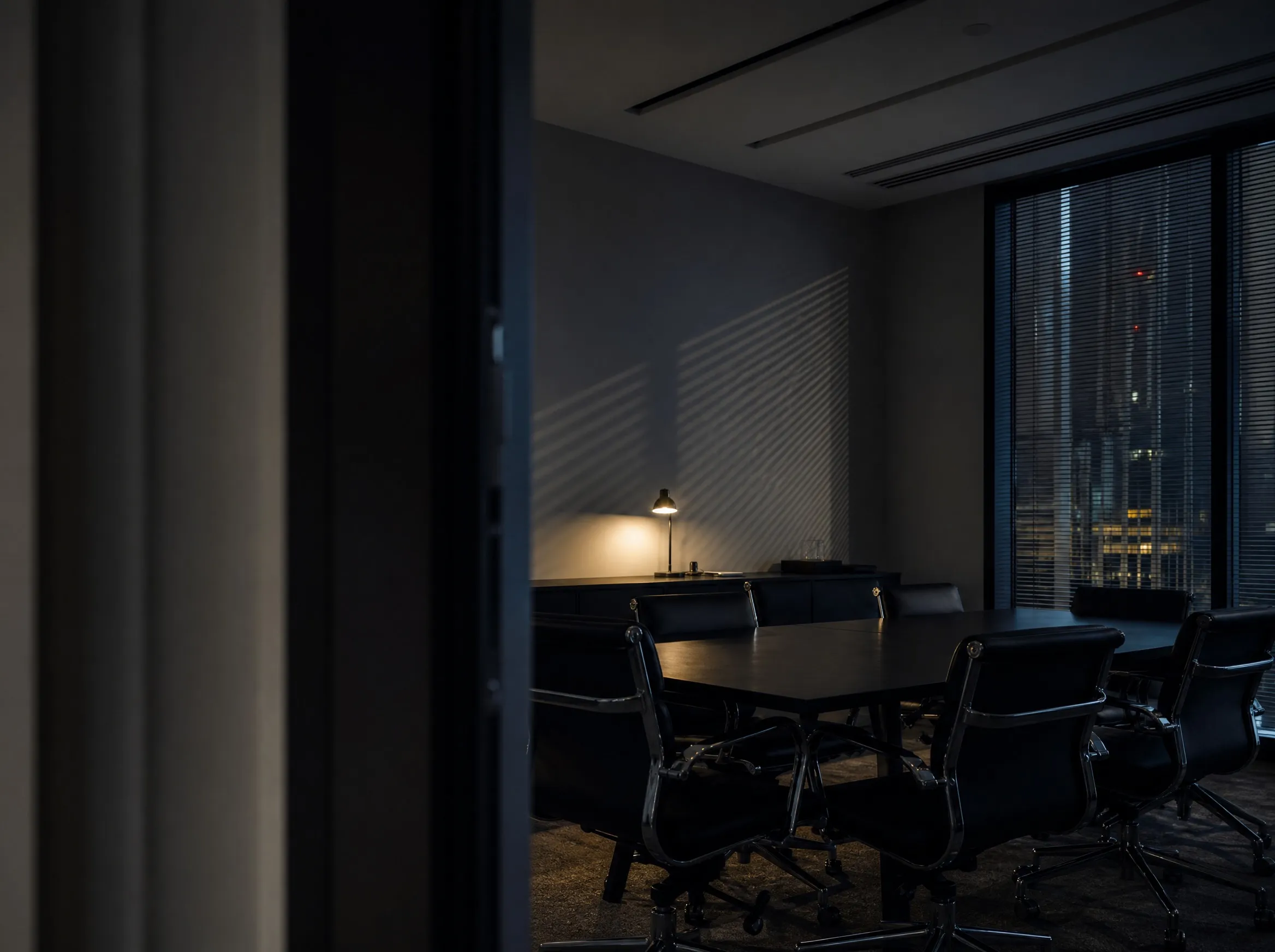
Mitigate
Threat and Risk MitigationStructured assessment that identifies where exposure exists and reduces it through proportionate, targeted measures across people, places and routine.

Detect
Surveillance DetectionSurveillance detection identifies hostile interest and emerging patterns of activity, providing early warning of potential threats before targeting progresses to action.
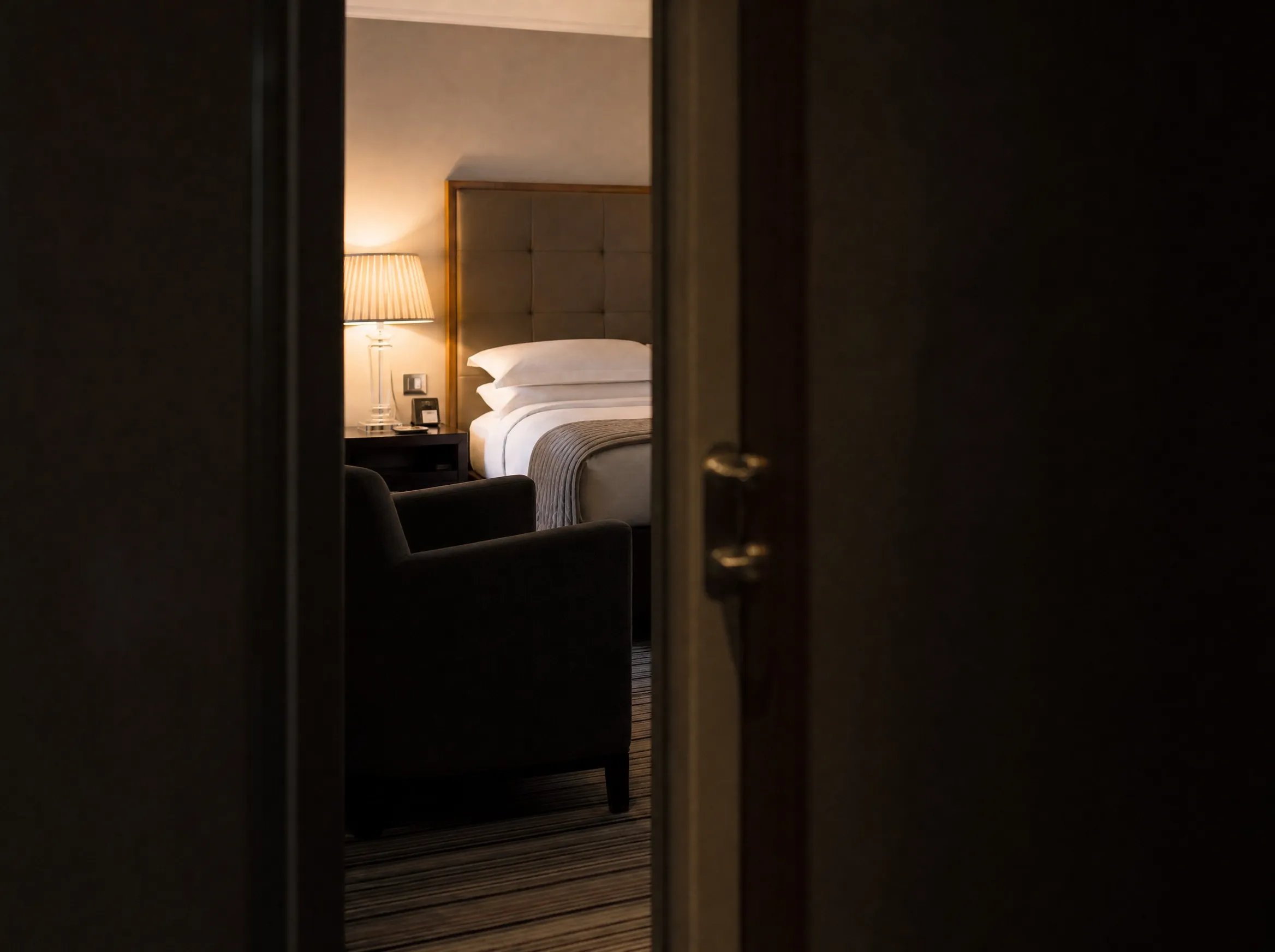
Sweep
Technical SurveillanceTechnical surveillance that detects covert devices, unauthorised transmissions and technical compromise across residences, offices and sensitive environments.

Secure
Security ChauffeuringSecure movement delivered through trained protective drivers, considered route planning and continuous situational awareness.
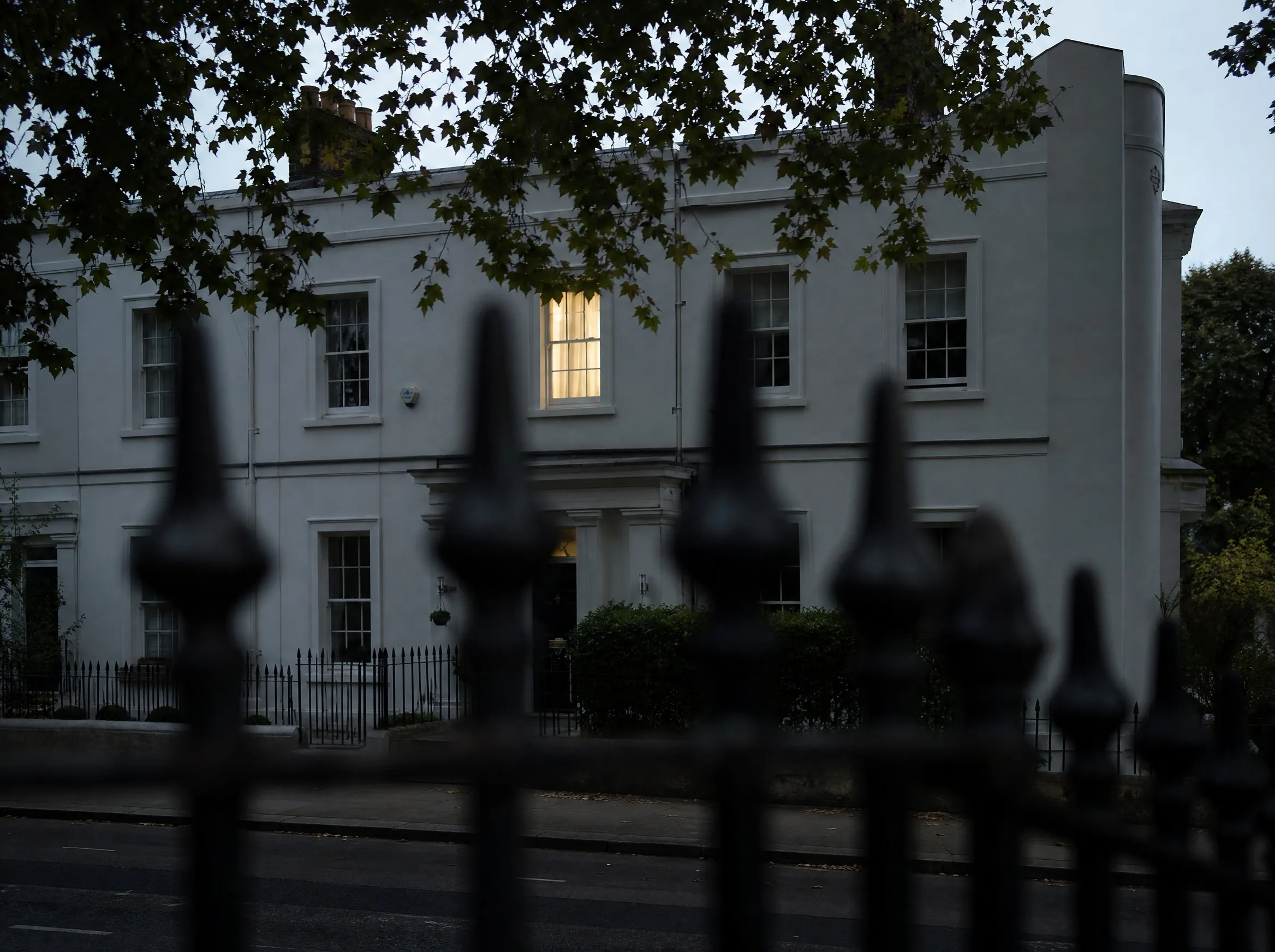
Fortify
Residential ProtectionResidential protection for private homes and estates, drawing on assessment, access control and continuity to protect principals and families at home.

Respond
Close Proximity Response™A discreet, client carried alert and live location capability that lets a protective team maintain proximity and respond immediately, without an overt security presence.