
Discreet residential and family support in Harpenden. Coverage is shaped by detached houses on the roads around the Common and Rothamsted, a daily pattern set by four secondary schools and several prep schools, and a Thameslink commute that puts St Pancras under half an hour away.
Harpenden is a family town before anything else. It occupies a dry valley in the St Albans district, with the River Lea passing Batford to the east, and its centre opens directly onto the Common, 238 acres of grass, gorse and bridleway stretching more than a mile south with a golf club and cricket grounds inside it. The largest houses stand on the roads that border it and on the western side towards Rothamsted: Park Avenue South and North, Oak Way, Cross Lane, Pipers Lane and West Common Way, detached houses on generous plots behind hedges rather than walls. Rothamsted Research and its manor form a private estate of fields and parkland on the south western flank. The population is professional and settled, and many families moved for the schools. St George's, Sir John Lawes, Roundwood Park and Katherine Warington provide the state secondary places, Aldwickbury and The King's School the independent ones. Thameslink runs to St Pancras, Farringdon and Blackfriars and directly to Luton Airport, and the A1081 carries road traffic south to St Albans and the M1. Exposure gathers on the school run and at the station.
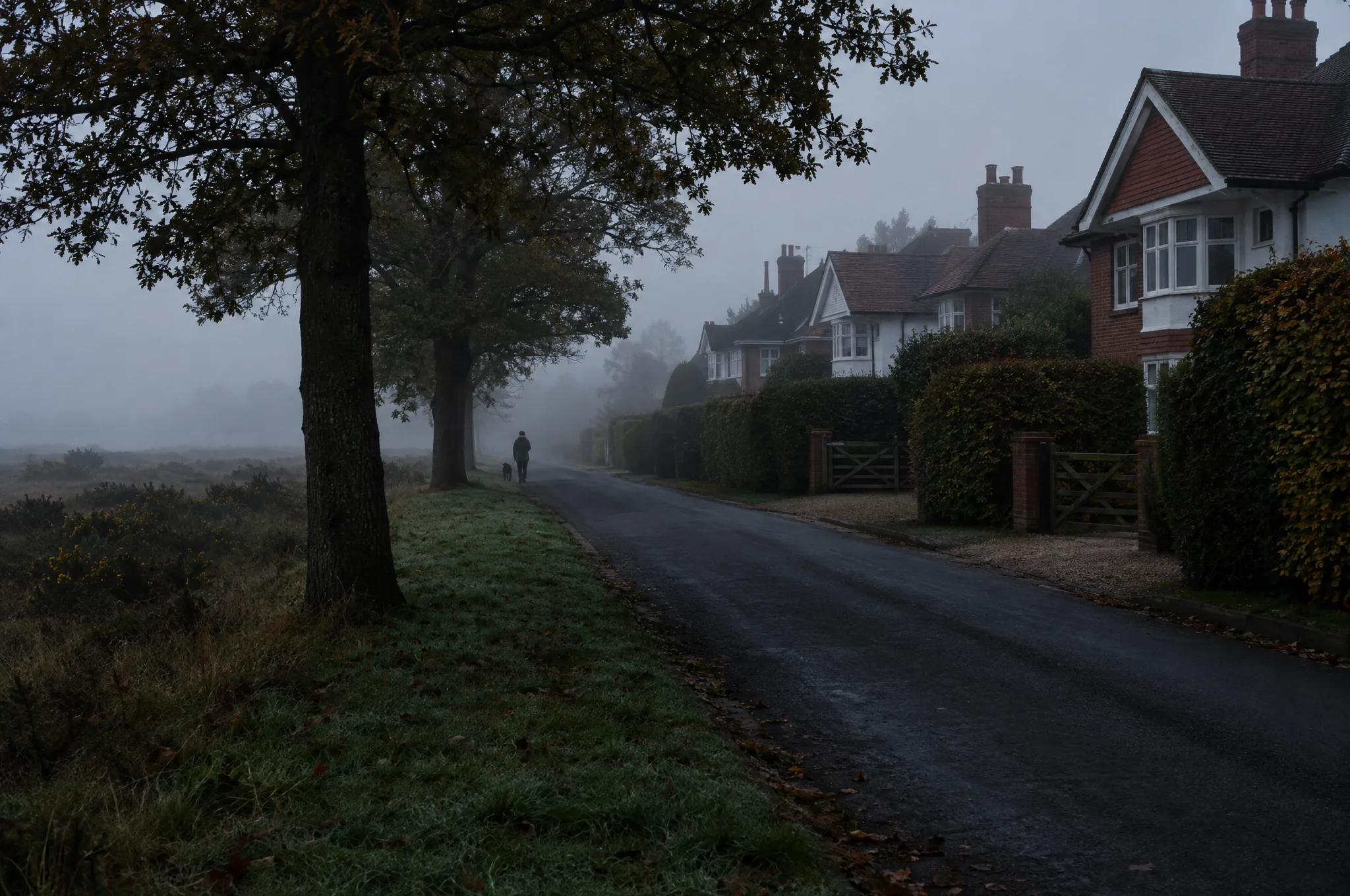
We work around the family rather than the principal. In Harpenden the household's day is set by the schools, and the commute fits around it. We assess the residence first: the hedge line rather than a wall, the side access to a garden that often backs onto the Common or farmland, and the nannies, cleaners, tutors and coaches who pass through the house each week. Residential protection draws on access control and continuity and sits lightly on a house meant to look like every other house on the road. Where a business matter raises the family's exposure, we map the school run, the station approach and the week's fixtures and adjust what can be adjusted. A client carried alert capability suits a teenager walking across the Common or a spouse driving alone. Security chauffeuring covers the London journey and the short run to Luton Airport where a household prefers not to use the station.
Residential Protection centres on the detached houses along the Common and towards Rothamsted, where the garden ends on public grass and the gate matters less.
Security Chauffeuring joins the station drop for Thameslink, a school run crossing the town twice daily and the road to Luton Airport into one arrangement.
Close Proximity Response is arranged for families whose older children drive themselves to school in St Albans, with a discreet alert and a response agreed before term.
Harpenden's houses are open by design. Hedges, not walls, front most of the roads around the Common, and a garden that backs onto grass or farmland has a boundary that is longer than the family thinks and rarely lit.
The Common is the town's great asset and its widest approach. It is public, crossed by footpaths and bridleways, and busy in daylight with dog walkers, runners and golfers. After dark it is empty and unlit against the rear of the most valuable houses in the town.
The daily pattern is fixed by term dates. Four secondary schools and several prep schools produce a school run that starts and finishes at the same time every day, and a household with children at two schools runs two routes. Coaching, music and tutoring fill the afternoons, and most of it can be seen from the pavement.
The commute is fast and predictable. Thameslink reaches St Pancras in under half an hour, and the station car parks and the walk from the Common are the same each morning.
Households here rely on a wide circle of help. Nannies, cleaners, gardeners, tutors and coaches come and go through the week, most with a key or a code, and the list is seldom written down.
Requirements often extend across the county, since a Harpenden household may hold land or business interests elsewhere in Hertfordshire.
Four miles south, St Albans shares the line, the schools and much of the same commuting population, and the two are often assessed together.
The school calendar governs everything. Term time produces the tightest routine, and the first and last weeks of each term, when timetables and pick ups change, are when the pattern is least settled. Half terms and the summer break move the family away and leave the house with staff.
July brings the Common's two big days. The Highland Gathering and Classics on the Common each draw thousands of visitors and hundreds of vehicles onto grass that borders private gardens, and the roads around fill with parked cars for a full day.
Winter fixtures and summer cricket put children and parents at known grounds at published times, week after week.
A principal's business matter, a sale, a dispute, a listing, raises the exposure of a family that has never been observed before. That is also true of Radlett, a few stops down the line, where the houses are walled and the profile of residents is higher.
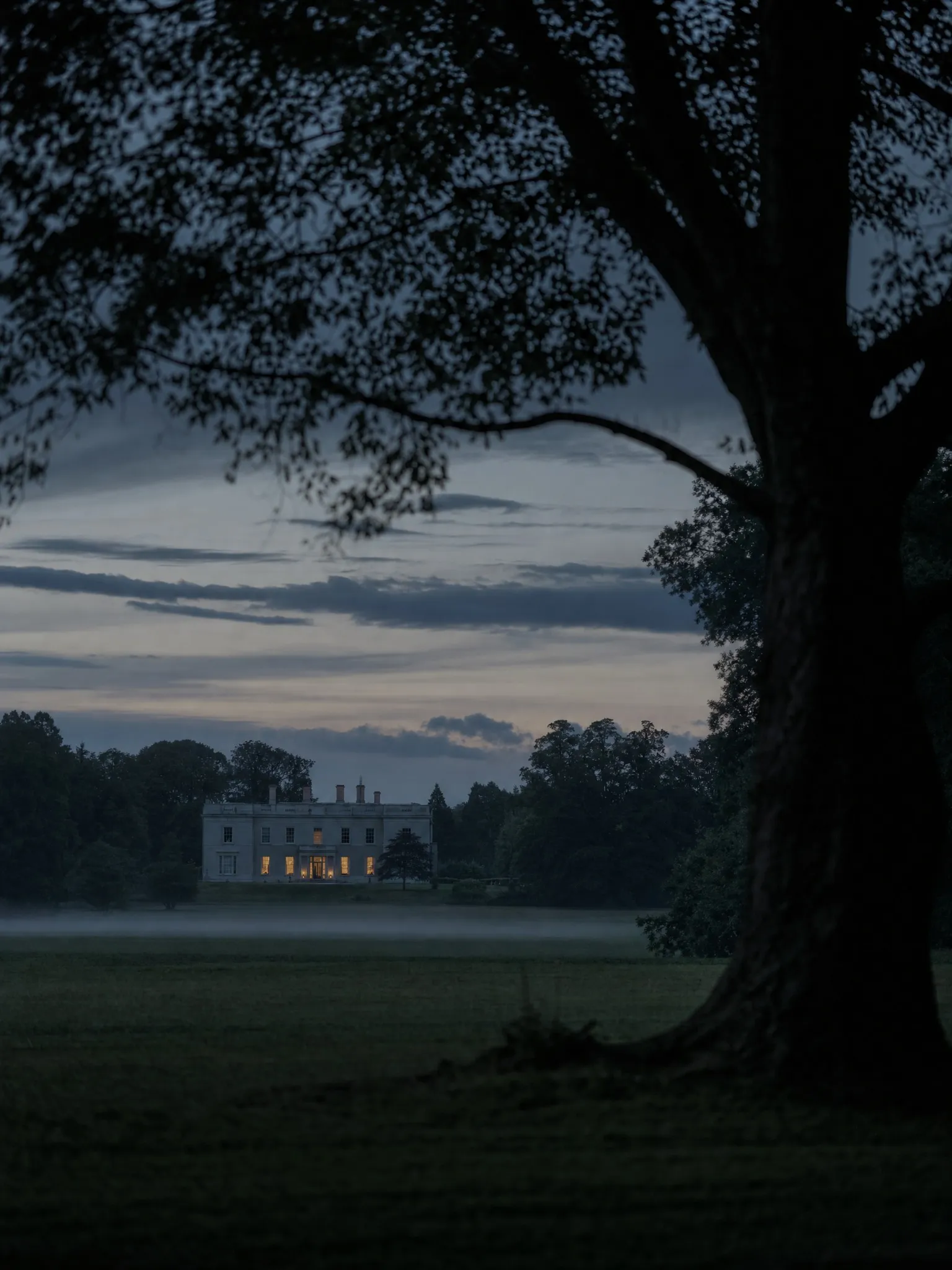
Residential assessments lead. The request usually comes from a family that has extended or rebuilt a house on one of the roads by the Common and wants to understand the garden boundary, the side gate and the number of people who can walk in during a working day. The rear is nearly always the finding.
Security chauffeuring follows, covering the London journey for a principal who no longer wishes to use the station and, more often, the school run across two or three sites.
Families ask for something that stays close to a child or a spouse without an officer alongside. A client carried capability answers that in most cases.
Threat and risk assessments arise when a business event brings a family's address into view for the first time.
Technical examinations are occasional and usually follow building works or a change of household staff.
The Luton Airport run, short and easily arranged, is covered with the school run and station drop under security chauffeuring.
Where a child walks or cycles to school across the Common, close proximity response keeps a response near without an adult in tow.
All enquiries are handled discreetly and reviewed before engagement suitability is determined. Information should be limited to what is necessary to outline the matter. Where appropriate, further contact is arranged following review.

Protect
Executive ProtectionDiscreet, intelligence led executive protection for private clients, principals and families, designed to reduce exposure and preserve freedom of movement without unnecessary visible presence.
Mitigate
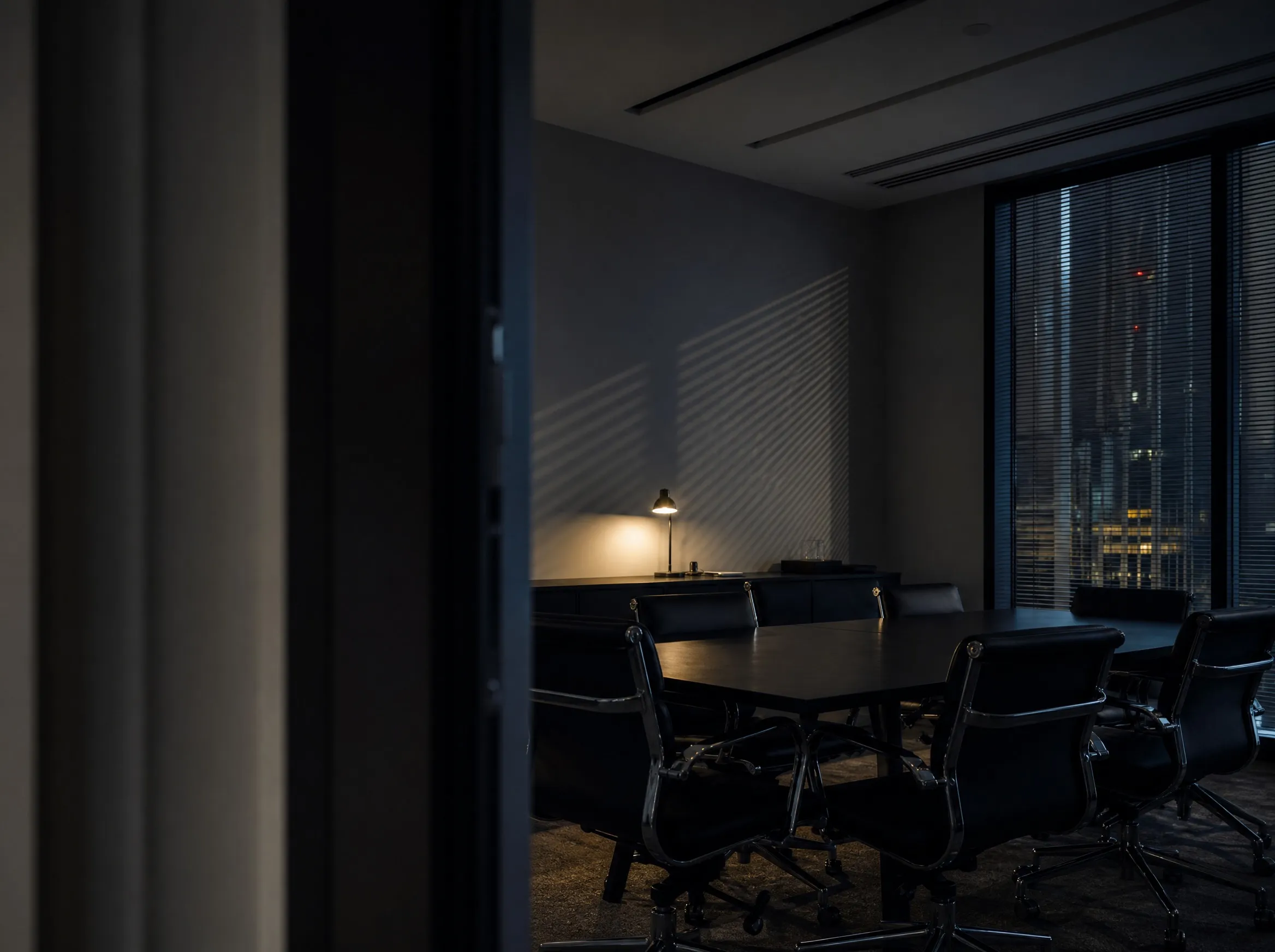
Threat and Risk MitigationStructured assessment that identifies where exposure exists and reduces it through proportionate, targeted measures across people, places and routine.
Detect
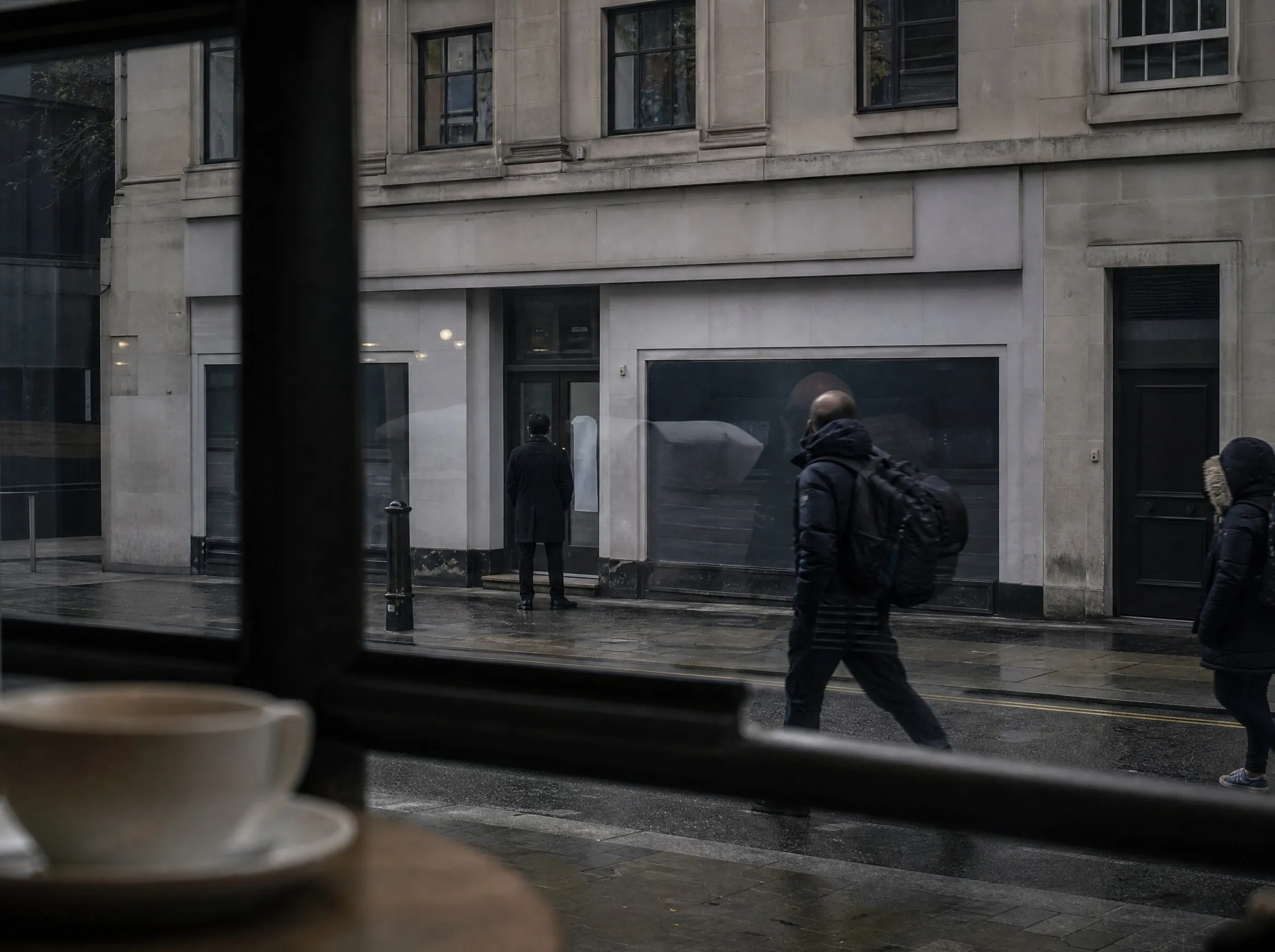
Surveillance DetectionSurveillance detection identifies hostile interest and emerging patterns of activity, providing early warning of potential threats before targeting progresses to action.
Sweep
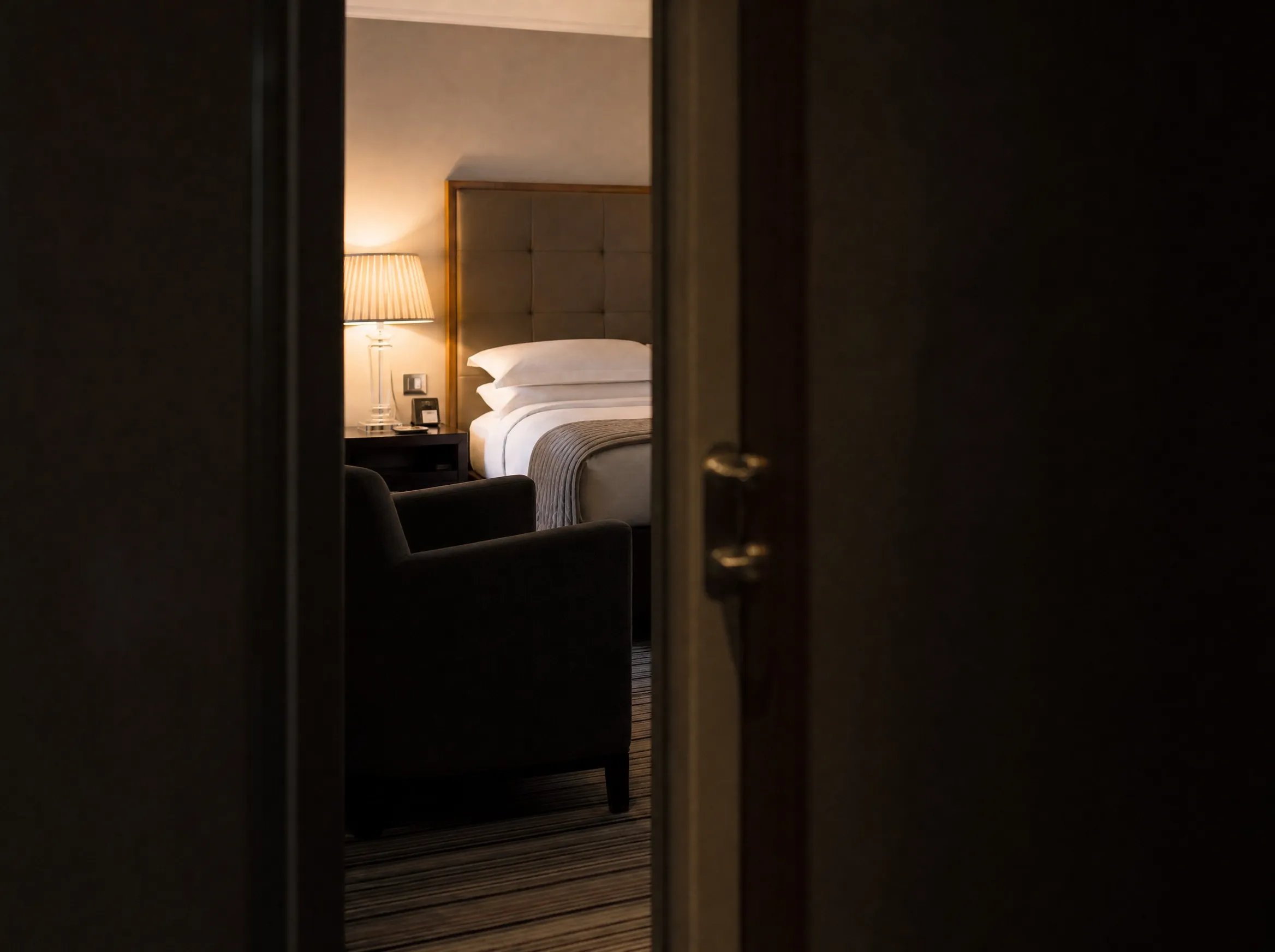
Technical SurveillanceTechnical surveillance that detects covert devices, unauthorised transmissions and technical compromise across residences, offices and sensitive environments.

Secure
Security ChauffeuringSecure movement delivered through trained protective drivers, considered route planning and continuous situational awareness.
Fortify
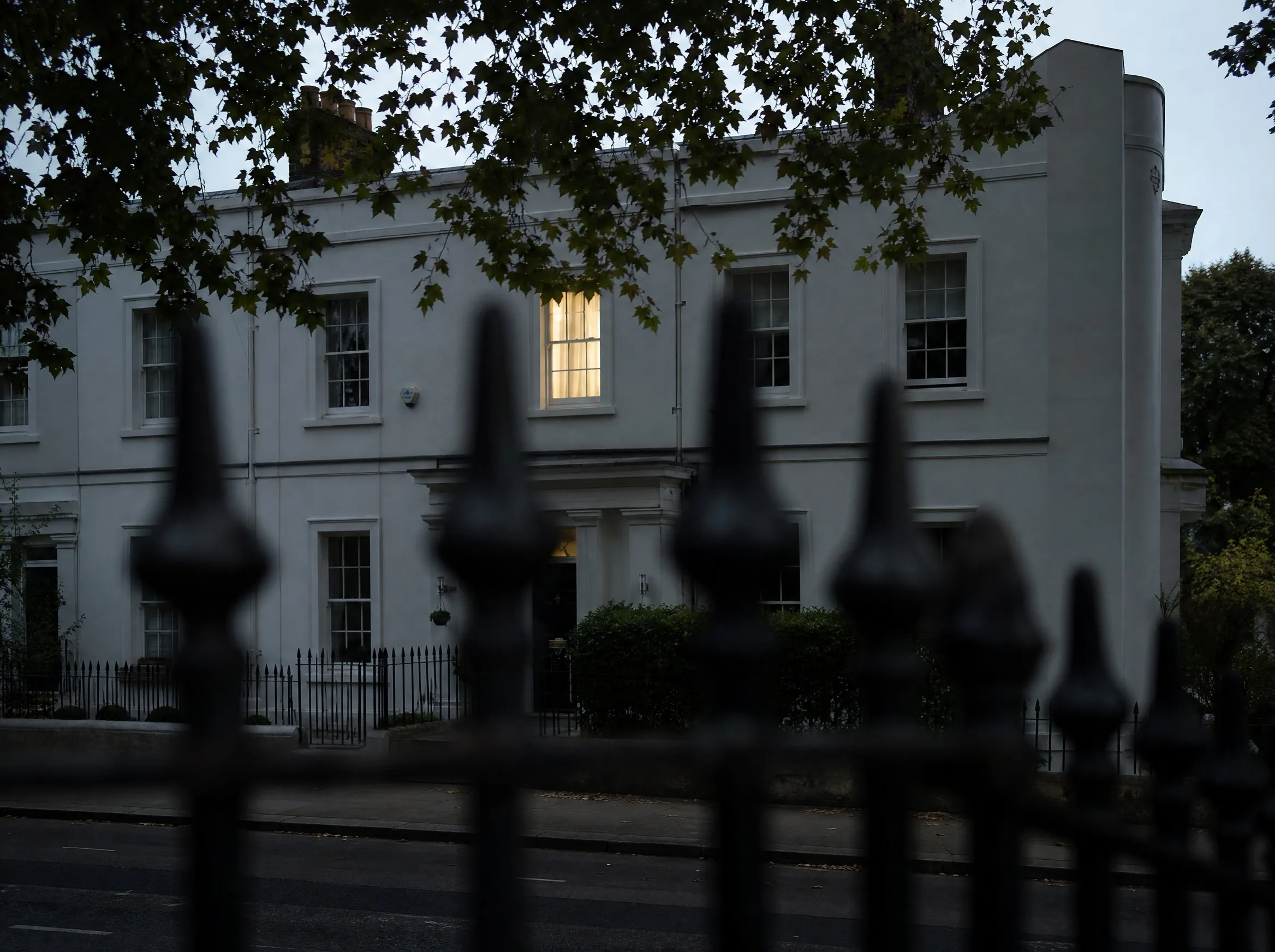
Residential ProtectionResidential protection for private homes and estates, drawing on assessment, access control and continuity to protect principals and families at home.

Respond
Close Proximity Response™A discreet, client carried alert and live location capability that lets a protective team maintain proximity and respond immediately, without an overt security presence.