
Discreet protective and residential support in Totteridge. Coverage is shaped by a green belt village within the London Borough of Barnet, large houses on long plots along the Common and the Lane, and households with a public profile whose routes are quickly learned.
Totteridge is a village that London reached and then left alone. It sits on a ridge in the Borough of Barnet between the Dollis Brook and the Folly Brook, and most of it has been a conservation area since 1968. One road runs its length, changing its name from Totteridge Lane to Totteridge Village, Totteridge Green and Totteridge Common as it climbs west towards Mill Hill, and the largest houses stand along it behind hedges and gates on plots that run back into paddocks and woodland. St Andrew's church with its ancient yew, cricket on the Green and South Herts Golf Club give the place its settled character. Residents are Premier League players, business owners and established families, drawn by space, privacy and two clubs' training grounds within a short drive. Movement is by car almost entirely. The Northern line at Totteridge and Whetstone serves the eastern end, and Darlands Lake opens the ridge to walkers. Exposure concentrates on that single road, where every gate is passed by everyone else who lives here, and on the short list of routes out to the A1 and the M25.
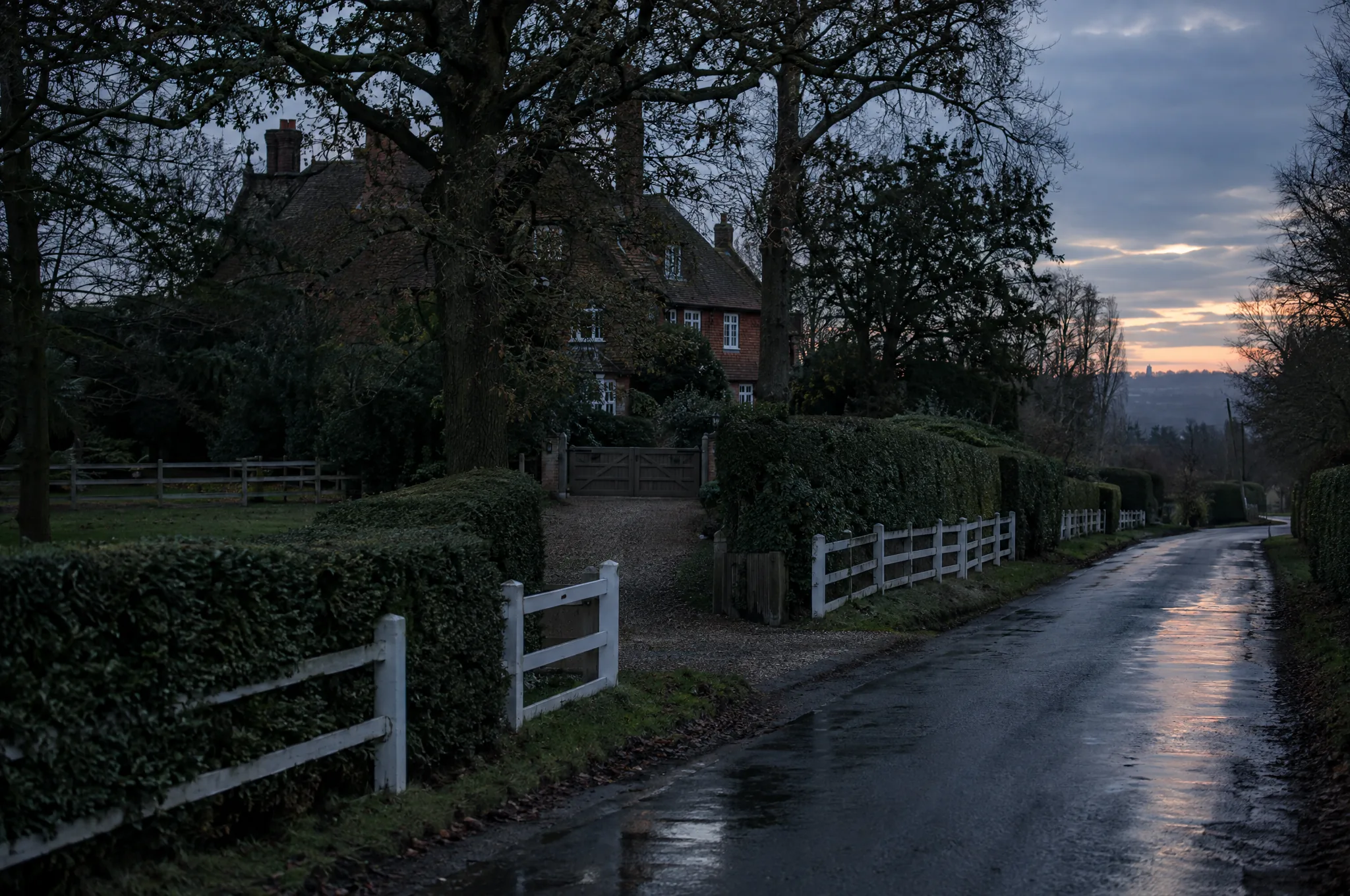
The village is worked as a single road with many gates, and the plan starts from what that road reveals. A house on the Common is seen from the carriageway, from the bridleways behind and often from the golf course, so each sightline is read in daylight and after dark before anything is proposed. Coverage is kept to the scale of the place: an officer who reads as a driver or a member of staff. For players and public figures we cover the training ground run, match days and the periods when a name is in the news, and we plan the few routes out of the village to remove as much pattern as the geography allows. For families at home we draw on access control and continuity, address the grooms, gardeners and contractors who move through long plots, and fold protective, residential and intelligence measures into one arrangement a neighbour would not notice.
Executive Protection covers players and business principals along the Common and Totteridge Lane on the days a fixture brings attention to the gate.
Residential Protection is planned for households on long plots with paddocks and bridleways behind them, where the rear is the working frontage.
Close Proximity Response gives a family member driving alone from Totteridge to the ground or the school a discreet alert and a team ready to respond.
Totteridge has one road, and that fact shapes everything done here. A car leaving a gate on the Common is seen by the neighbour opposite, by whoever is walking to the Orange Tree and by any vehicle waiting on the verge.
The plots are long. A house may sit forty metres from the carriageway with paddocks and a bridleway behind, which puts unlit public ground against the rear boundary and leaves the back of the property less observed than the front.
Players draw a particular kind of attention. A recognisable face on a known road brings supporters, photographers and occasionally people with a grievance, and the training ground run at the same hour each day is the first thing an observer learns.
Household access is wide. Grooms, gardeners, pool contractors and cleaners work across several properties on the same road and know one another, so a change of staff at one house is known next door within days.
Routes out are few. The Lane runs to Whetstone and the A1000, the Common drops to Mill Hill and the A1, and Barnet Lane climbs north, so variation is built from timing as much as road choice.
The neighbouring enclave of Hadley Wood sits across Barnet to the north east and shares the same population, the same contractors and the same questions about a house set well back from the road.
Towards town the Northern line and the A1000 lead to Highgate, where the residential picture is older and the roads are quieter still.
The football season is the calendar. From August to May the training ground run, home fixtures and the travel around away matches produce a weekly pattern that is public knowledge, and the transfer windows in January and the summer bring press interest to the gate itself.
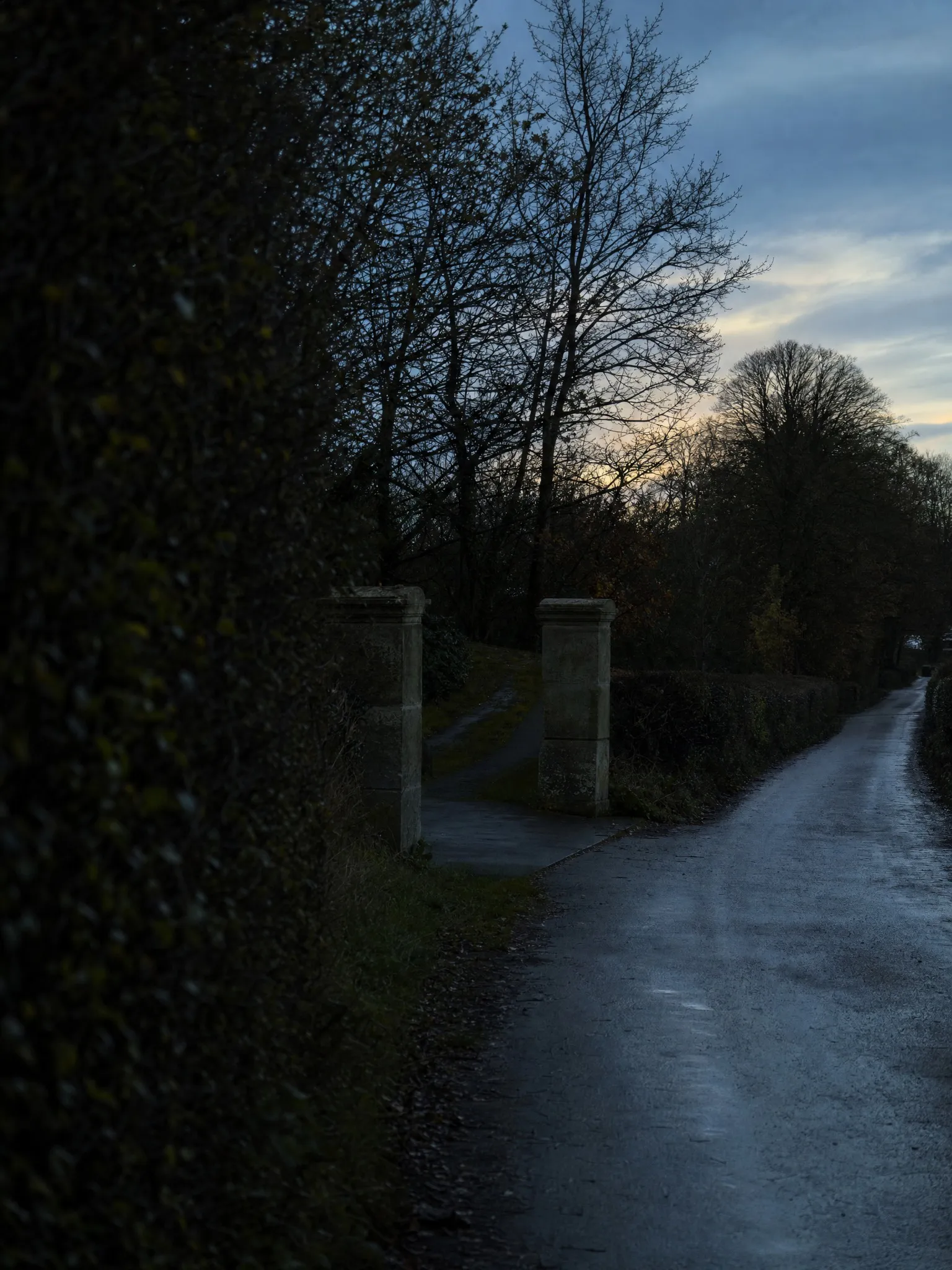
Summer brings people onto the ridge. Cricket on the Green, golf at South Herts and walkers on the ridge between Darlands Lake and Totteridge Fields put more people on the footpaths that run behind the largest plots, and the bridleways are busiest on fine weekends.
Winter empties it. The Common is dark early and much of the road is poorly lit, so a house shows its lit windows to the carriageway all evening and the ground behind it is unobserved from four in the afternoon.
Beyond the M25 the same green belt continues into Hertfordshire, and a household that keeps horses or a second property there is covered on both sides of the M25.
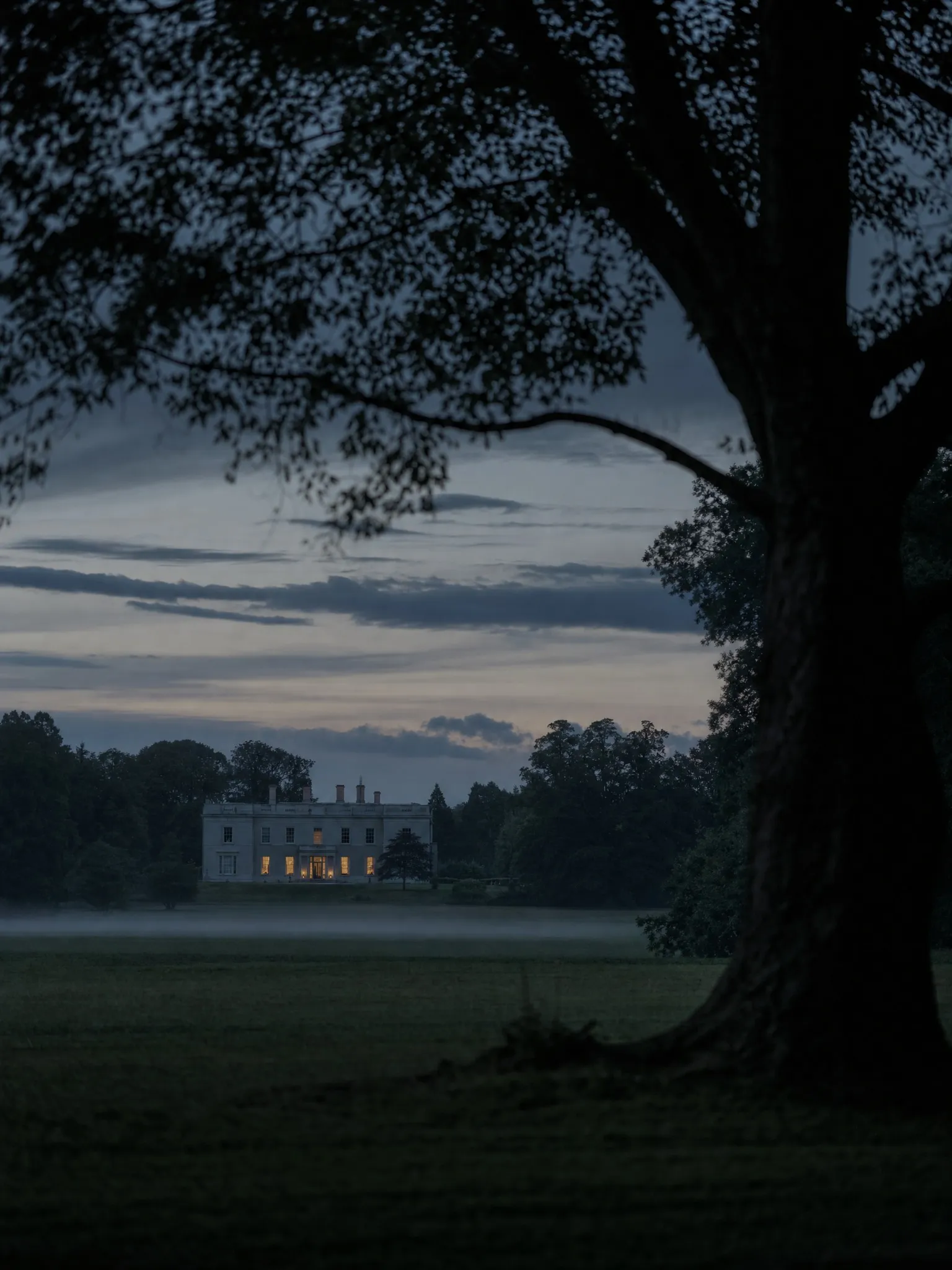
The first enquiry is usually about the house. A family has bought on the Common or the Lane, the plot runs back further than they expected, and they want to know what the paddocks, the bridleway and the golf course mean for the rear of the property. The assessment is walked twice, and the finding is usually sightlines and access rather than fencing.
Players and their advisers ask for close protection around specific periods: a transfer, a contract dispute, a run of press coverage or a threat received through social media. The requirement is scaled to the period and stood down after it.
Security chauffeuring covers the training ground run, match days and the school run, often in a single arrangement, and the driver's observations on a road this short are reviewed rather than discarded.
Family members who drive themselves along the same road are frequently covered by close proximity response instead of an accompanying officer.
Technical examinations follow works, frequent on plots this size, and a change of household staff.
Private office lawyers ask for protective intelligence when a principal's name is about to appear in print, and want a measured view of what the house and family already show online.
All enquiries are handled discreetly and reviewed before engagement suitability is determined. Information should be limited to what is necessary to outline the matter. Where appropriate, further contact is arranged following review.

Protect
Executive ProtectionDiscreet, intelligence led executive protection for private clients, principals and families, designed to reduce exposure and preserve freedom of movement without unnecessary visible presence.
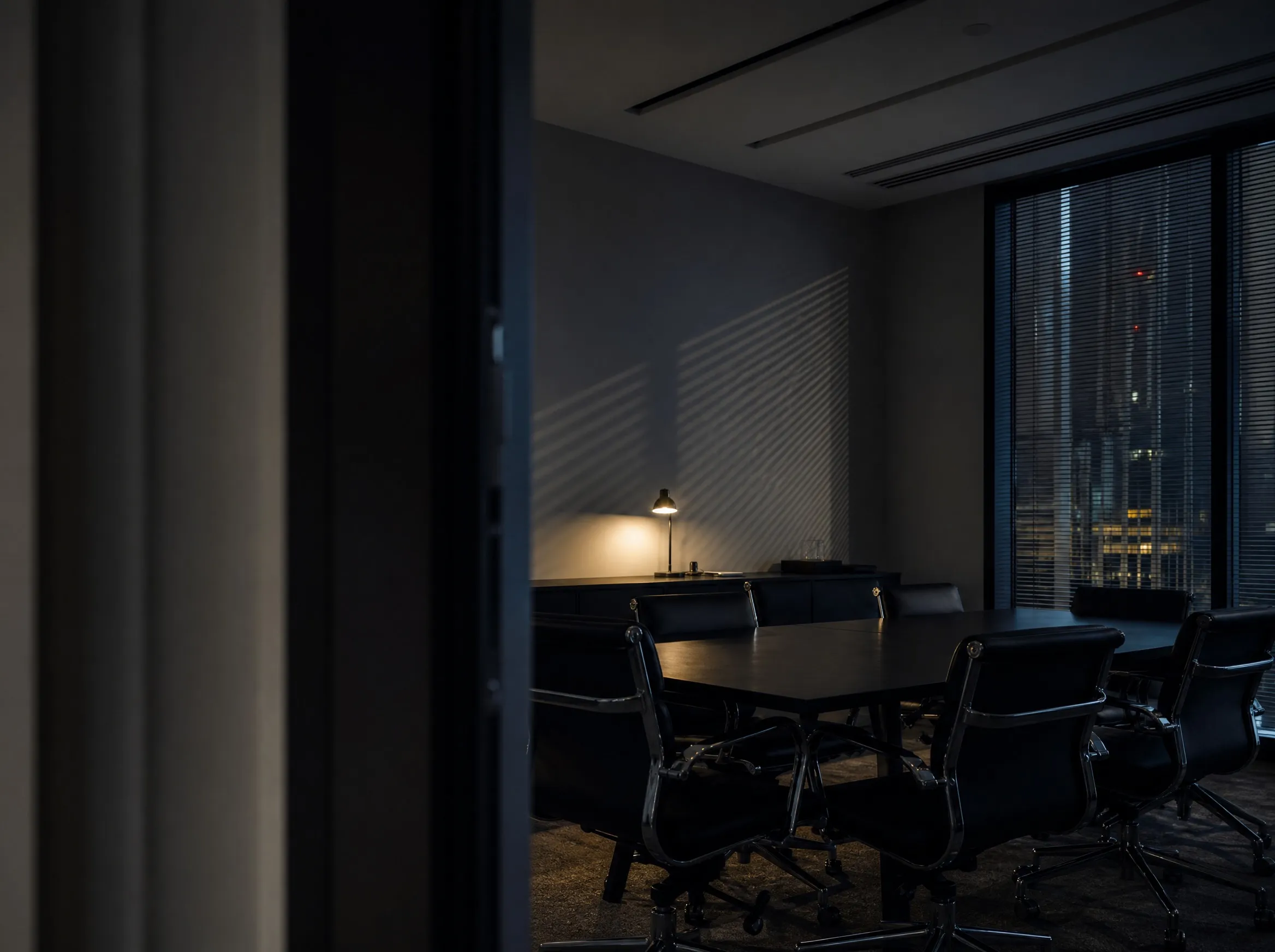
Mitigate
Threat and Risk MitigationStructured assessment that identifies where exposure exists and reduces it through proportionate, targeted measures across people, places and routine.

Detect
Surveillance DetectionSurveillance detection identifies hostile interest and emerging patterns of activity, providing early warning of potential threats before targeting progresses to action.
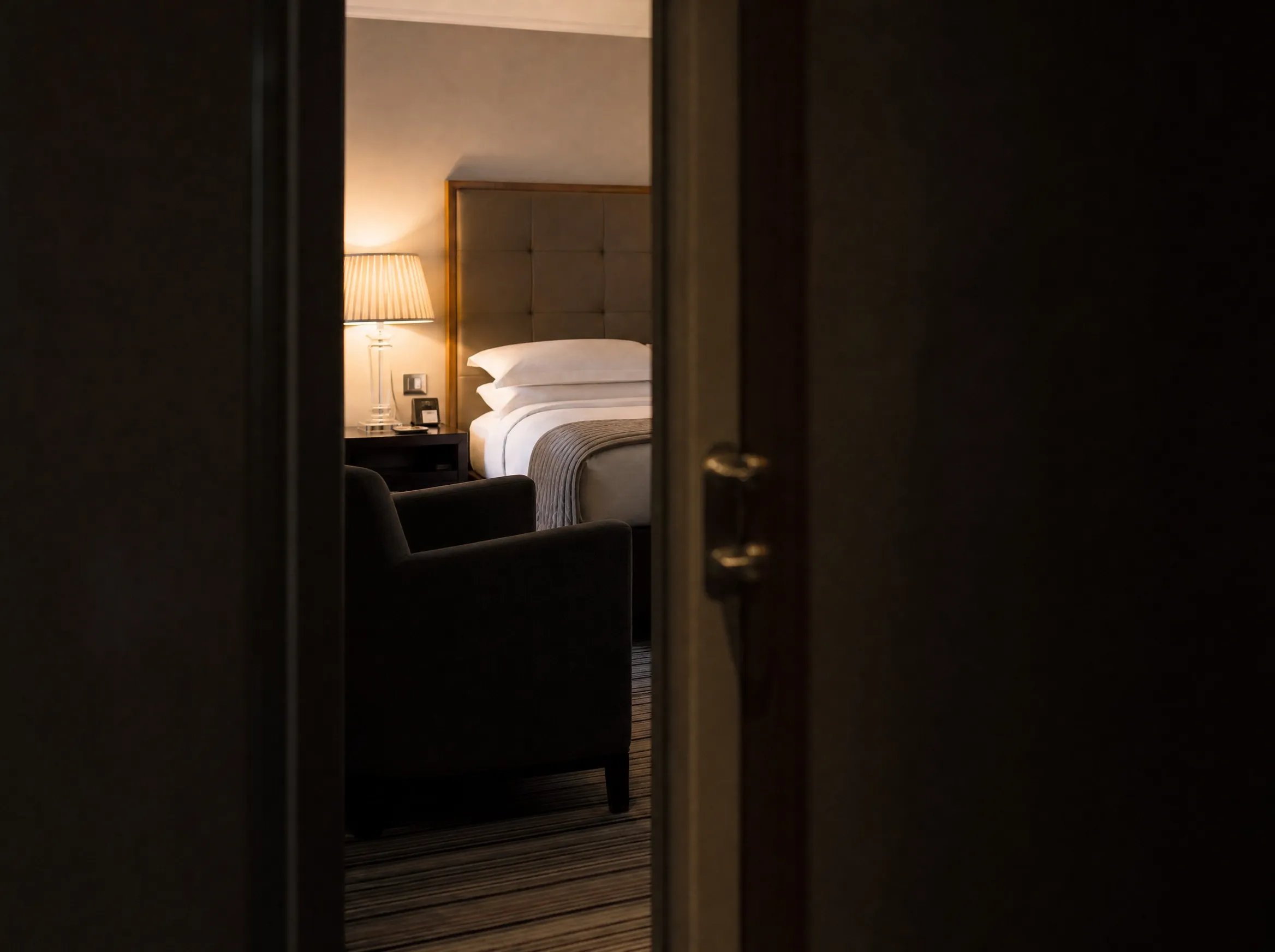
Sweep
Technical SurveillanceTechnical surveillance that detects covert devices, unauthorised transmissions and technical compromise across residences, offices and sensitive environments.

Secure
Security ChauffeuringSecure movement delivered through trained protective drivers, considered route planning and continuous situational awareness.
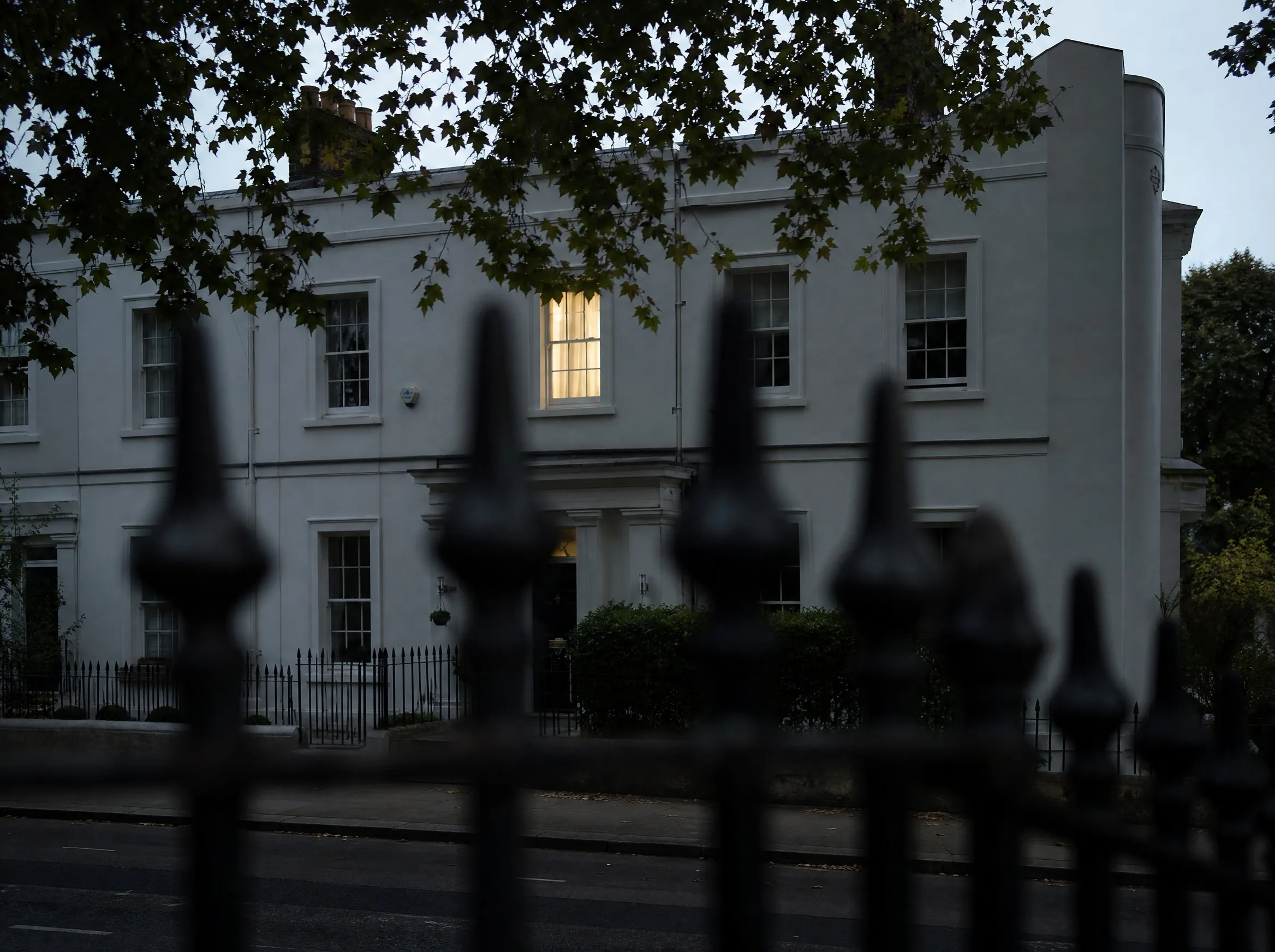
Fortify
Residential ProtectionResidential protection for private homes and estates, drawing on assessment, access control and continuity to protect principals and families at home.

Respond
Close Proximity Response™A discreet, client carried alert and live location capability that lets a protective team maintain proximity and respond immediately, without an overt security presence.