
Discreet residential and intelligence support in Hadley Wood. Coverage is shaped by a planned suburb on the Enfield and Barnet border, wide plots on crescents and closes ringed by farmland and woodland, and households whose week runs between the house and the City.
Hadley Wood was laid out as a private suburb from the 1850s, when the owner of Beech Hill Park persuaded the Great Northern Railway to give it a station, and it has kept that character. About a thousand houses stand on wide plots along Camlet Way, Beech Hill, Crescent East and Crescent West, most detached, many rebuilt in the last twenty years behind electric gates and evergreen screening. The suburb is an island. Green belt farmland, Monken Hadley Common and the woodland of Covert Way and Trent Park close it on every side, the M25 runs a mile to the north at Potters Bar, and the road in from Cockfosters is the road out. Hadley Wood Golf Club occupies the old park with its eighteenth century mansion as the clubhouse. Residents are finance and property principals, business owners and established families, and the week runs to the station and the train into Moorgate. Exposure concentrates at the station car park in the morning, at the gate in the evening and along the field edges and footpaths that run unlit behind the largest gardens.
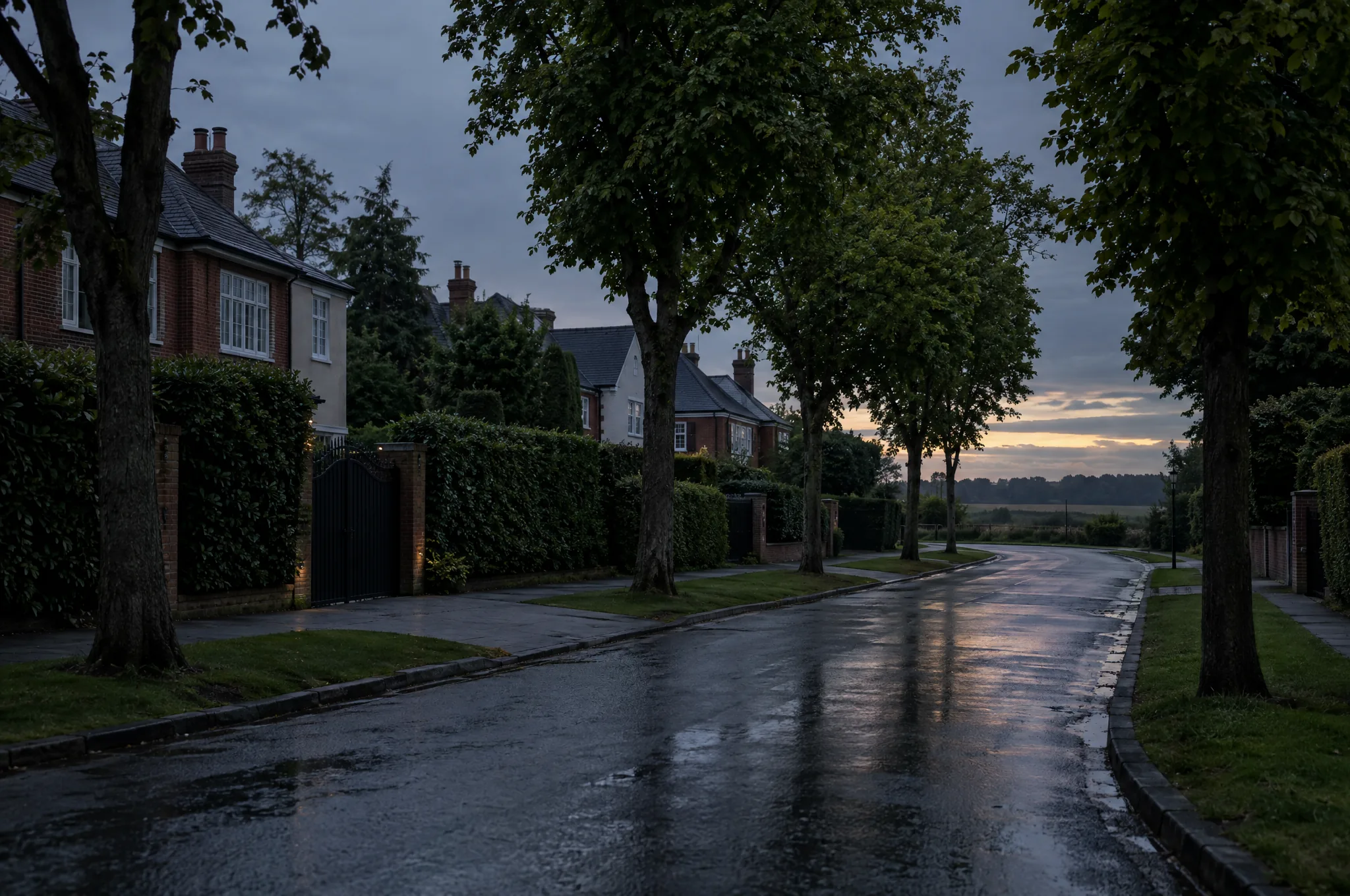
The suburb is worked as a private estate without an entrance barrier, which is what it is. Its edges are open country and its interior a few roads on which every vehicle is known, so the assessment begins with the boundary a house shares with fields or woodland and ends with the walk to the platform. Coverage is proportionate to a quiet place: a single officer, a driver who observes, a plan the neighbours never see. We assess the residence as a whole and draw on access control and continuity to protect a family whose house is often empty between eight in the morning and seven at night. Household staff, gardeners and the builders who rebuild houses here at scale are treated as part of the picture. Technical examinations follow those works. Security chauffeuring covers the City commute where a principal prefers the road, and protective intelligence keeps a measured view of what public records, planning files and the family's own footprint reveal.
Residential Protection addresses the wide plots off Beech Hill and Camlet Way whose rear boundaries meet the golf course, the common and open farmland.
Technical Surveillance is most often asked for after a house has been rebuilt behind its original frontage, and for the studies and cars of principals who work from home.
Threat and Risk Mitigation sets a household's routine and access circle against what the planning portal and the Land Registry already say about a private address.
The rear boundary is the first concern here. Many of the largest gardens run to a hedge or a post and wire fence with a field, a footpath or a wood beyond, and that ground is public in practice, unlit and unobserved from the road for the whole of a winter evening.
The front is quieter than it looks. Gates, cameras and screening are now standard on Camlet Way and Beech Hill, but they present a uniform face that tells an observer little except that something worth protecting is behind it.
The commute is by rail more than by road. Great Northern trains run from Hadley Wood into Moorgate and King's Cross, and the walk from a gate to the platform at the same time each morning is the most routine and least considered movement of the week.
Houses are rebuilt here at scale. A project can put contractors on a plot for eighteen months, and drawings, codes and keys travel with them to the next job.
Vehicles are known. A car that does not belong is noticed within a day, which works in the resident's favour and against anyone who tries to watch a house from the kerb, and shapes how observation is done.
The suburb has a close neighbour in Totteridge across Barnet, where the same families, contractors and questions recur on longer plots along a single road.
The train ends in the City of London, where the arrival is fixed and the street picture changes entirely.
The school year holds the tightest pattern. Households here spread across the independent schools of north London and south Hertfordshire, and for most of the year the school cars and the walk to the station leave one gate within half an hour.
Summer brings the edges to life. Walkers on Monken Hadley Common, the Covert Way reserve and the paths into Trent Park bring strangers to the field boundaries behind the gardens on fine weekends, and the golf club's competition calendar fills the lanes with visiting cars on known dates.
Winter is the residential season. The house is lit and visible from mid afternoon, the fields behind it are dark, and the holiday fortnight when the family is away is the period most often read from the road.
North of the M25 the same households keep horses, second properties and parents across Hertfordshire, and the requirement follows them over the county line.
Residential assessment is the first request, typically once a rebuild is finished. The family has moved back into a house that is new behind its old frontage, the contractors have gone, and someone in the private office asks what has been left behind and who still holds a key. The rear boundary and the access circle are the findings that recur.
Technical examinations are requested more often here than in most residential settings, because so many houses have been rebuilt or refitted and because principals conduct business from home offices that were fitted out by others.
The commute is raised next. Principals who prefer the road to the platform ask for security chauffeuring that varies the run to the City and observes the road in both directions.
Families who have noticed something twice ask for surveillance detection to confirm or dismiss it, and the answer is usually reached from within the property rather than from a parked car.
Protective intelligence is asked for when a house has been bought through a company and the family wishes to know how private that has left them.
Executive protection is occasional and tied to a period, a dispute or a public matter, rather than to a way of life.
All enquiries are handled discreetly and reviewed before engagement suitability is determined. Information should be limited to what is necessary to outline the matter. Where appropriate, further contact is arranged following review.

Protect
Executive ProtectionDiscreet, intelligence led executive protection for private clients, principals and families, designed to reduce exposure and preserve freedom of movement without unnecessary visible presence.
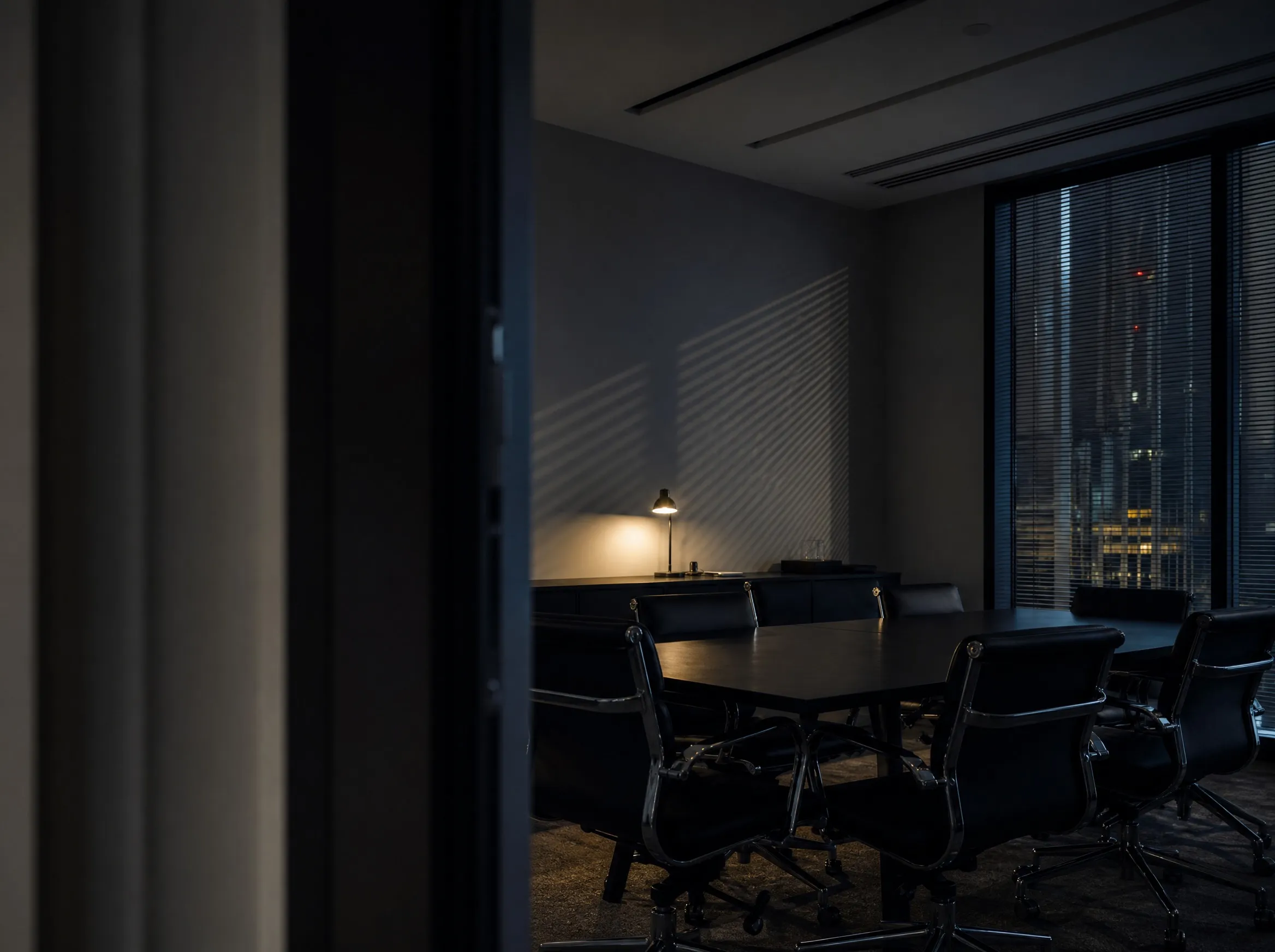
Mitigate
Threat and Risk MitigationStructured assessment that identifies where exposure exists and reduces it through proportionate, targeted measures across people, places and routine.
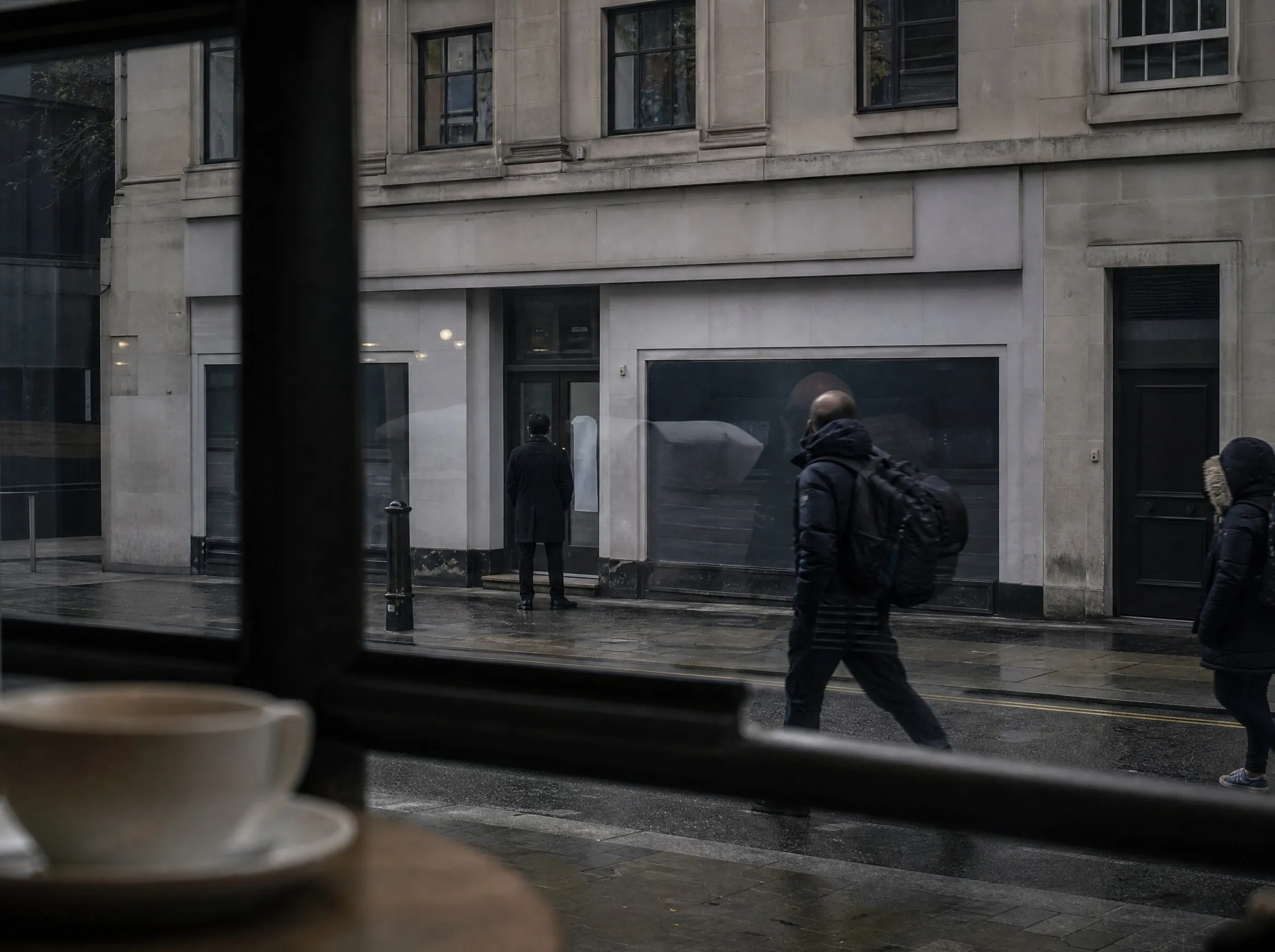
Detect
Surveillance DetectionSurveillance detection identifies hostile interest and emerging patterns of activity, providing early warning of potential threats before targeting progresses to action.
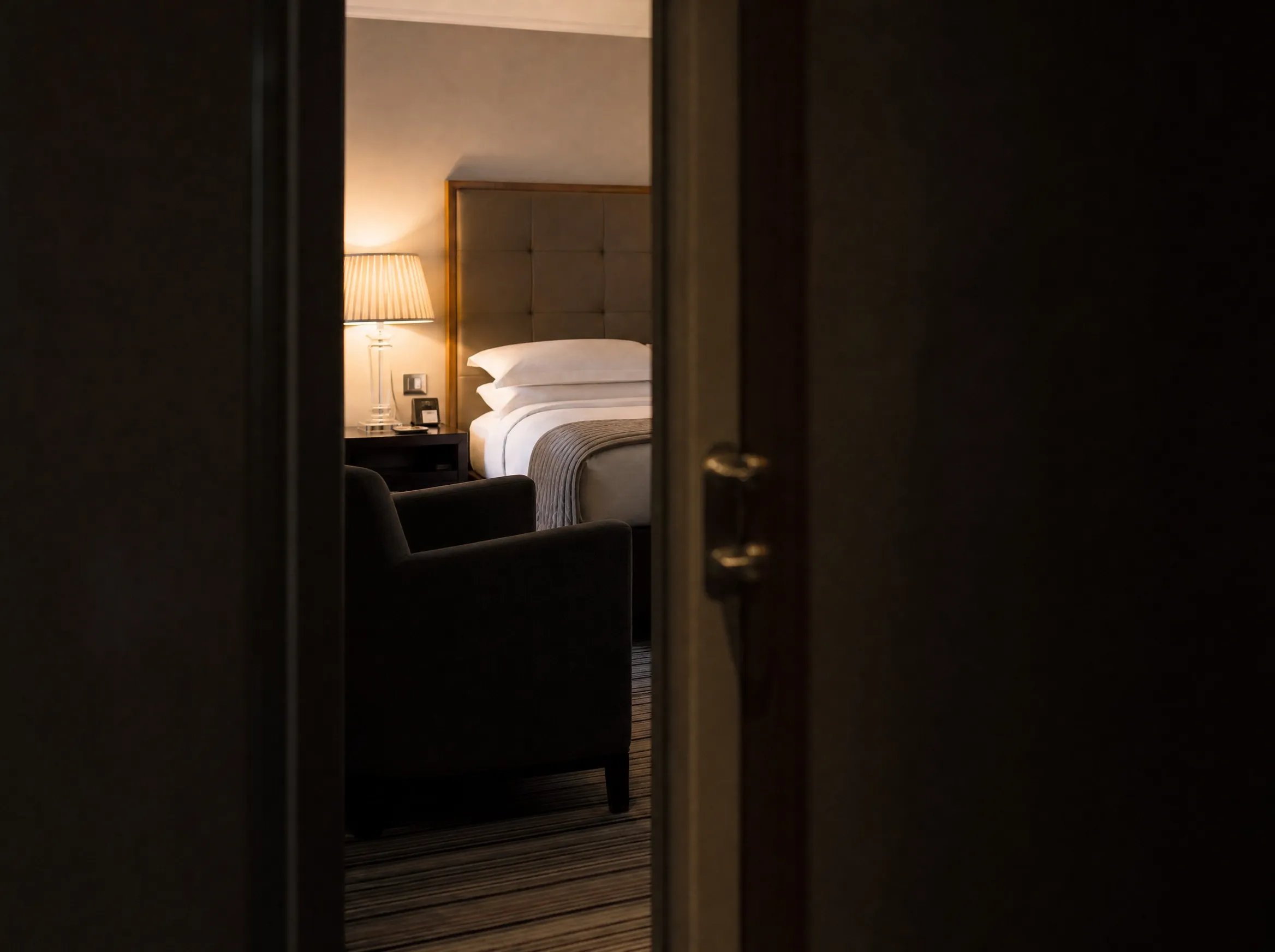
Sweep
Technical SurveillanceTechnical surveillance that detects covert devices, unauthorised transmissions and technical compromise across residences, offices and sensitive environments.

Secure
Security ChauffeuringSecure movement delivered through trained protective drivers, considered route planning and continuous situational awareness.
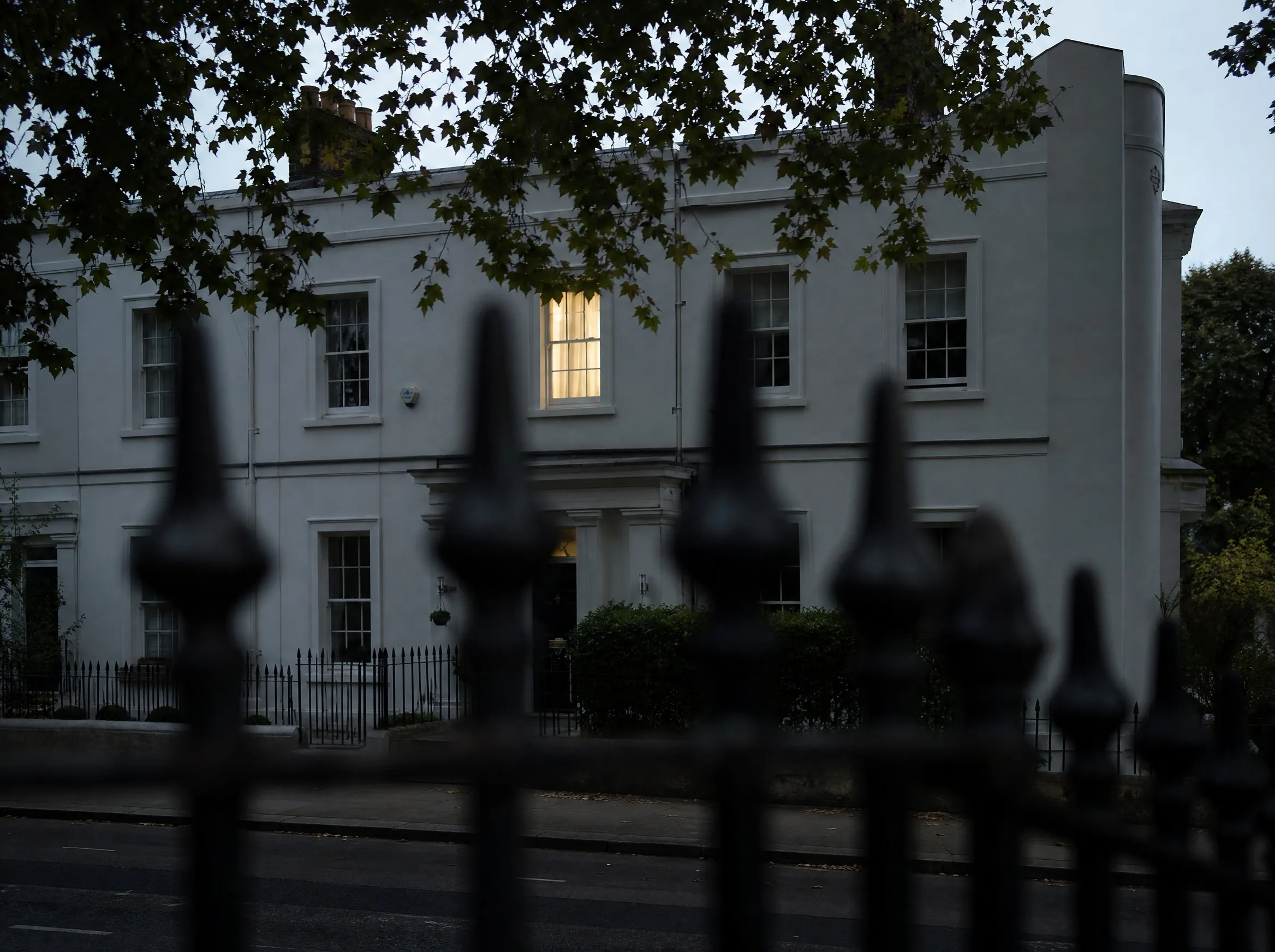
Fortify
Residential ProtectionResidential protection for private homes and estates, drawing on assessment, access control and continuity to protect principals and families at home.

Respond
Close Proximity Response™A discreet, client carried alert and live location capability that lets a protective team maintain proximity and respond immediately, without an overt security presence.