
Discreet residential and intelligence support in Henley on Thames. Coverage is shaped by riverside houses that open onto public water, a regatta calendar that fills the town on known dates, and country properties in the Chiltern lanes above it.
Henley on Thames sits on the Oxfordshire bank of the river at the point where Oxfordshire, Berkshire and Buckinghamshire meet, a Georgian market town whose wealth runs along the water. Hart Street and Market Place form the centre, the stone bridge carries the road east into Berkshire at Remenham, and the reach north of the bridge is the straight course on which Henley Royal Regatta is rowed each summer. Riverside houses on Wargrave Road, at Remenham and towards Marsh Lock have lawns and moorings that open directly onto public water. Above the town the ground rises to Harpsden, the Fair Mile and the Chiltern lanes towards Nettlebed and Hambleden, where country houses sit in parkland reached by single track roads. Residents are finance and business principals, established families and well known names from broadcasting who value the distance from London. Movement is by car along the A4130 and the A4155 to Marlow and Reading, or by the branch line from Twyford. Leander Club and Phyllis Court anchor a social calendar that fills the town on fixed dates, and the exposure sits on the river frontage, the single bridge and the lanes behind.
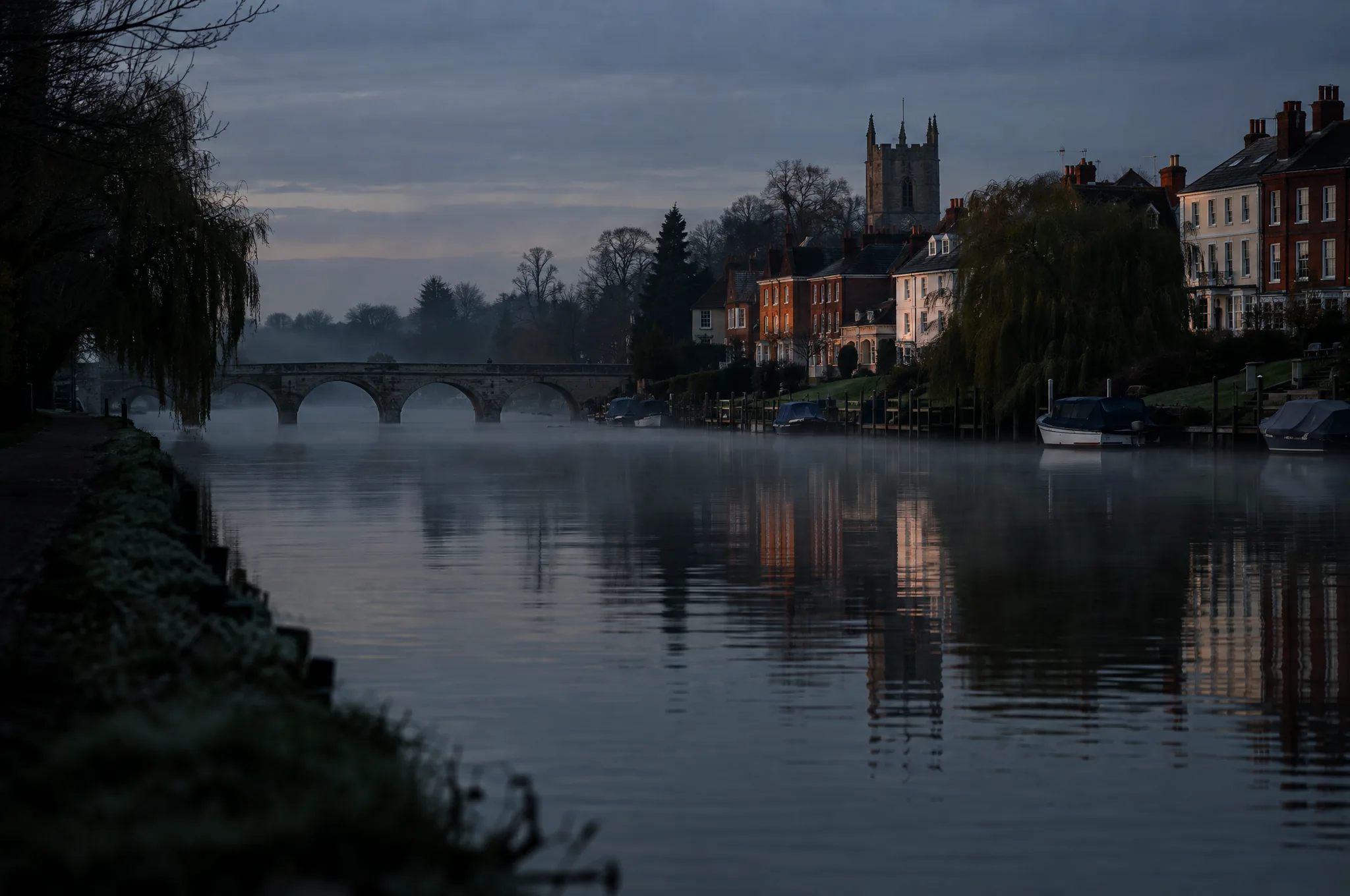
Work here begins with the river. A frontage that opens onto public water is a boundary the household cannot close, and we survey it from the water as well as from the garden. We then turn to the road side, the drive, the lane and the point where private ground meets a public route, and treat the two aspects as one property. Coverage is kept proportionate to a small town where everyone knows the houses: a single experienced officer, a driver who observes, a plan for regatta week. For principals who keep a house here and an office in London we assess the journey through Twyford or down the M4 as part of the picture. Country houses in the Chiltern lanes above the town present long boundaries and slow response, and residential protection there rests on knowing the boundary, controlling who holds access and keeping the arrangement constant, rather than on presence. Where a household relies on boat staff, gardeners and contractors, the access circle is documented early.
Residential Protection is arranged for riverside houses between the bridge and Remenham and country houses in the Chiltern lanes, where the water side is open to every boat.
Threat and Risk Mitigation sets the household routine, the regatta week guest list and the sightlines from the towpath against what a family's profile attracts.
Security Chauffeuring covers the journey to London through Twyford and the M4, the school run and the regatta week movement of guests and family.
Henley is a small town with a single bridge, and that shapes everything. Every vehicle crossing to Berkshire uses it, the approach roads on both banks are few, and in regatta week the centre is closed to most traffic. A household's realistic ways in and out can be counted on one hand.
Riverside property is the distinctive requirement. Lawns run to the water, moorings sit below the house, and the towpath on the opposite bank gives any walker a clear view of the garden. The survey is taken from the river as well as the road.
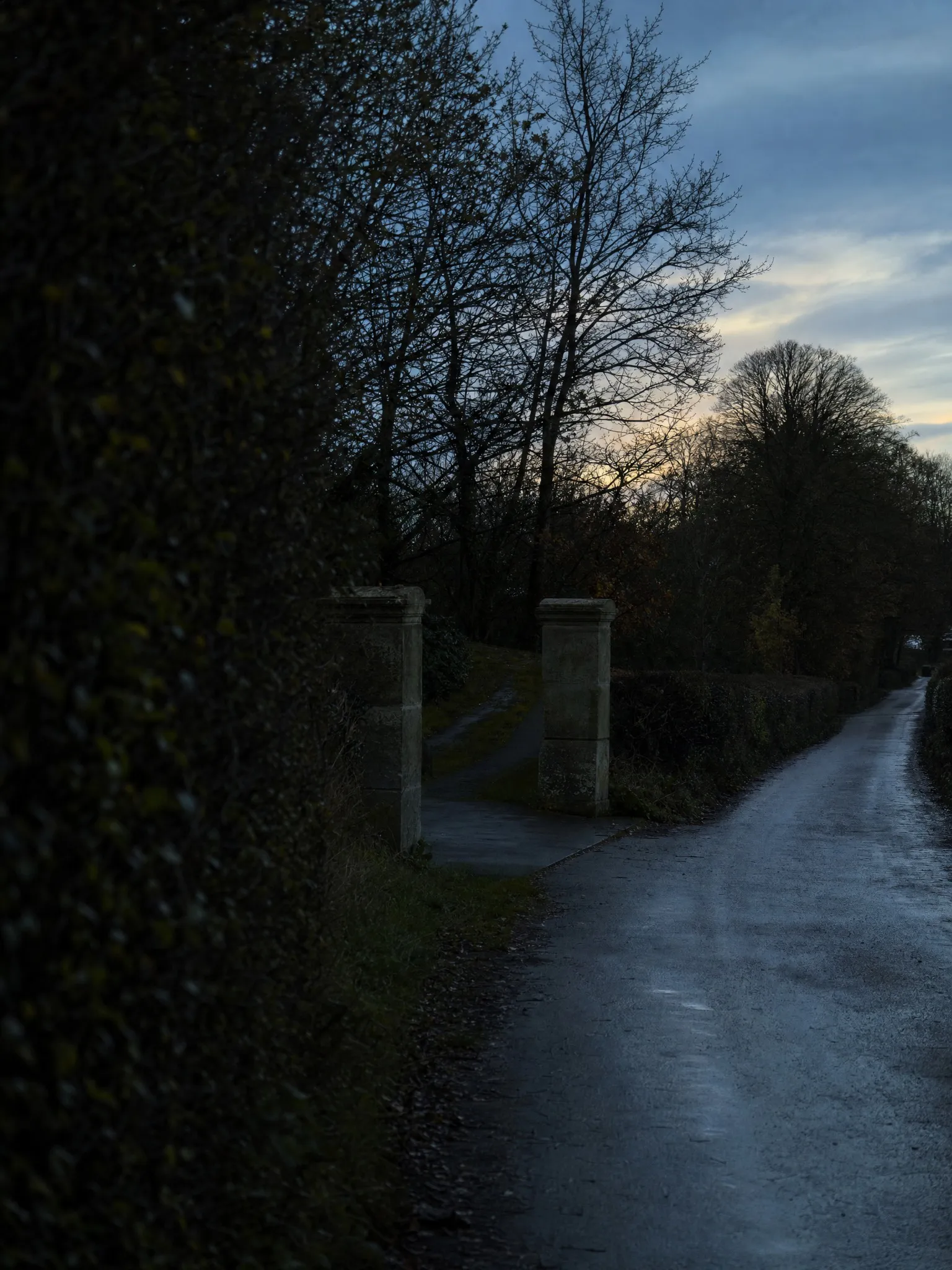
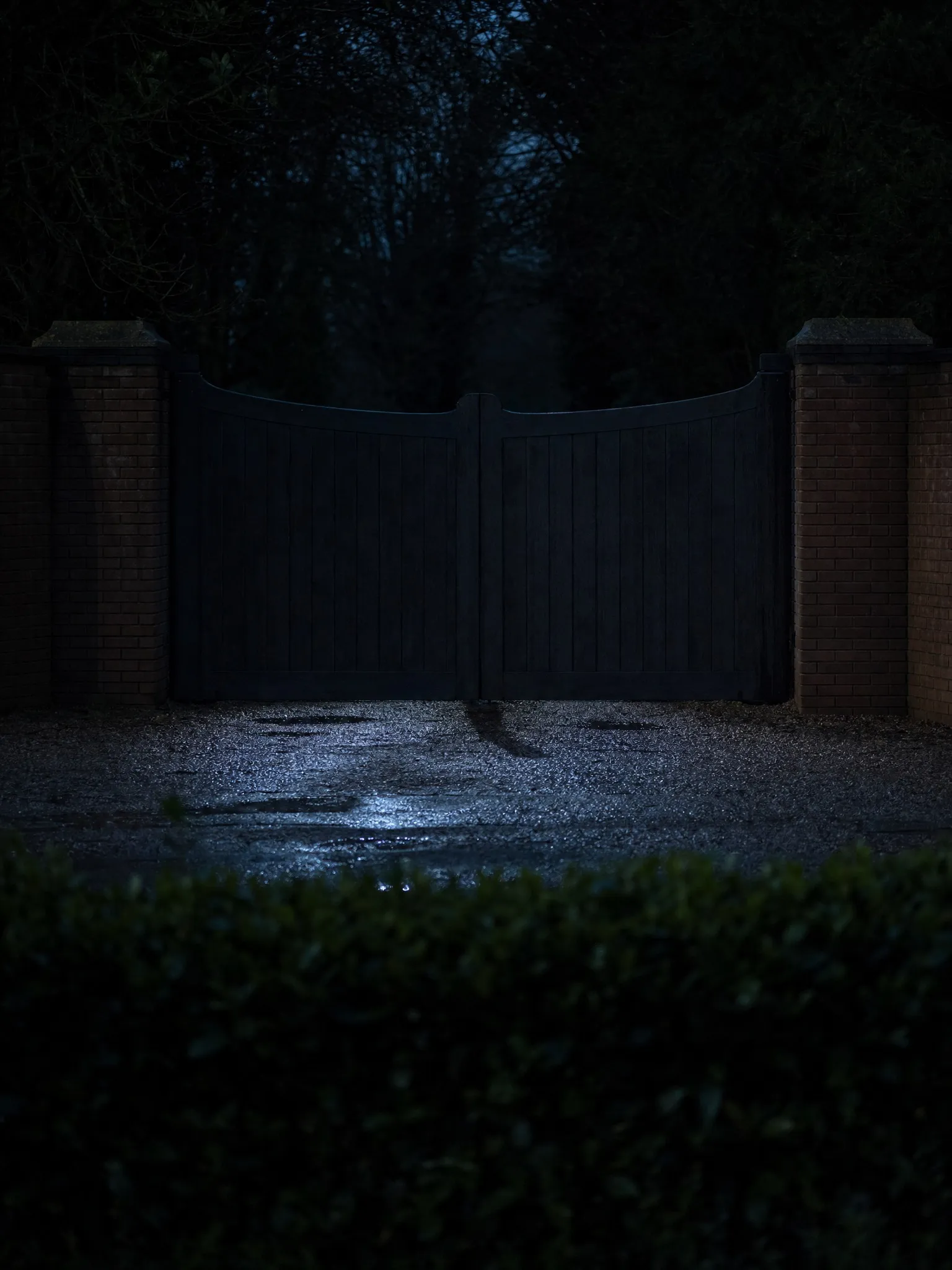
Houses in the lanes above the town raise the country questions instead: long boundaries, screened drives, and a response measured in minutes. Assessment, access and continuity carry more weight there than visible presence.
Households here frequently keep a boat, a driver and seasonal staff, and the access circle grows each summer. It is recorded and reviewed.
The London commute runs through Twyford or down the M4, and a principal with a house here usually holds a second address in town. Both are assessed as one routine.
Downstream the river reaches Marlow, which shares the water and a June regatta of its own but sits on a different road network. The Berkshire bank at Remenham belongs to the wider Thames valley requirement, which runs down through Windsor and Ascot.
Regatta week at the turn of June into July is the fixed point. Six days of racing on Henley Reach bring crowds, hospitality and a closed town centre, and private houses along the course are used for entertaining, which puts guests, caterers and boats through gates that are otherwise quiet. Henley Festival follows a week later on the same Berkshire bank, and the women's regatta precedes both in June.
Summer as a whole raises the river. Moorings fill, the towpaths are busy until late, and a frontage that is private in February is overlooked from the water in July.
Autumn brings the literary festival and a quieter town, while winter evenings leave the lanes above Harpsden and the Fair Mile dark and lightly travelled.
For principals who move between here and a college or business address in Oxford, the A4130 is a single corridor with few alternatives.

Riverside residential assessment is the first request. Owners of houses on the water want to know what the towpath and the river see, how a mooring is secured and whether a garden that runs to the bank can be closed at all. The answer is usually partial and the survey says where.
Regatta week arrangements come next, and usually late. A house on the course becomes a hospitality venue for six days, and the household wants the guest list, the boat traffic and the caterers managed without a visible presence on the lawn.
Country houses in the Chilterns above the town ask for a full residential picture, from the lane to the outbuildings.
Security chauffeuring covers the Twyford and M4 journey and the school run to the independent schools around the town.
Once the builders have left, or when household staff change, families ask for technical surveillance of the house and the cars.
Principals with a second home across the county line often ask for the two to be assessed together, which is the approach taken across Buckinghamshire as well.
All enquiries are handled discreetly and reviewed before engagement suitability is determined. Information should be limited to what is necessary to outline the matter. Where appropriate, further contact is arranged following review.

Protect
Executive ProtectionDiscreet, intelligence led executive protection for private clients, principals and families, designed to reduce exposure and preserve freedom of movement without unnecessary visible presence.

Mitigate
Threat and Risk MitigationStructured assessment that identifies where exposure exists and reduces it through proportionate, targeted measures across people, places and routine.

Detect
Surveillance DetectionSurveillance detection identifies hostile interest and emerging patterns of activity, providing early warning of potential threats before targeting progresses to action.
Sweep
Technical SurveillanceTechnical surveillance that detects covert devices, unauthorised transmissions and technical compromise across residences, offices and sensitive environments.

Secure
Security ChauffeuringSecure movement delivered through trained protective drivers, considered route planning and continuous situational awareness.

Fortify
Residential ProtectionResidential protection for private homes and estates, drawing on assessment, access control and continuity to protect principals and families at home.

Respond
Close Proximity Response™A discreet, client carried alert and live location capability that lets a protective team maintain proximity and respond immediately, without an overt security presence.