
Discreet protective and residential support in Marlow. Coverage is shaped by a riverside town that is visited as much as lived in, large houses in the woodland above it, and principals whose profile is recognised on the bridge and in the park.
Marlow occupies the Buckinghamshire bank of the Thames below the Chiltern scarp, a town whose image is a bridge. William Tierney Clark's suspension bridge of the 1830s carries light traffic across to Bisham on the Berkshire side, with Higginson Park along the bank beside it. High Street and West Street hold the shops, Sir William Borlase's Grammar School and a concentration of restaurants that draws visitors from London every weekend. Wealth sits in the large houses of Quarry Wood Road, Bovingdon Green and Marlow Common on the wooded slopes above the town, in riverside plots along the Bisham reach, and in the country houses towards Danesfield and Medmenham. Residents are business owners, finance principals, sportspeople and names from entertainment who commute by the A404 to the M40 and M4 or by the branch line through Bourne End to Maidenhead. Movement funnels through the bridge, the bypass roundabouts and the single road along the river, and the exposure gathers where the town's visitors and its residents share the same few streets.
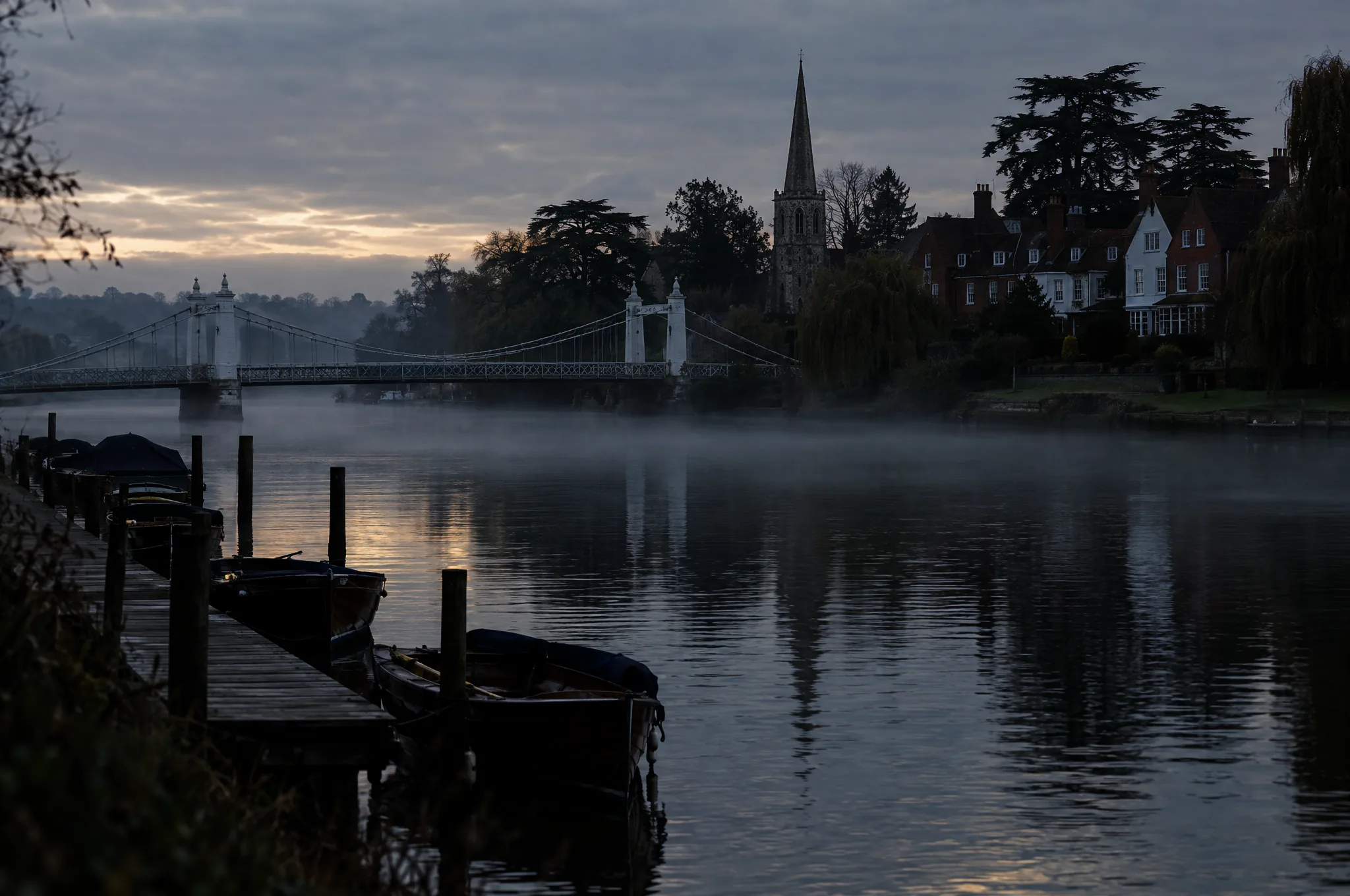
We treat Marlow as a town that is visited as much as it is lived in. Weekend footfall, the restaurant trade and the riverside walk put strangers on the same pavements as residents, so a principal with a public profile is assessed for what a visitor can see from High Street and the park before anything else. For houses on the slopes above the town we survey the woodland edge, the bridleways through Quarry Wood and the private drives off Bovingdon Green, which offer approaches that are public, unlit and rarely walked after dark. Riverside plots along the Bisham reach are surveyed from the water, and the bridge crossing is planned as a fixed point. Coverage is proportionate: an experienced officer at a family occasion, a driver who observes on the A404 and the school run, a residential plan built on assessment and continuity rather than gatehouse presence.
Executive Protection is arranged for principals with a recognised profile in a small town that its visitors photograph, planned to reduce exposure without adding attention on the High Street.
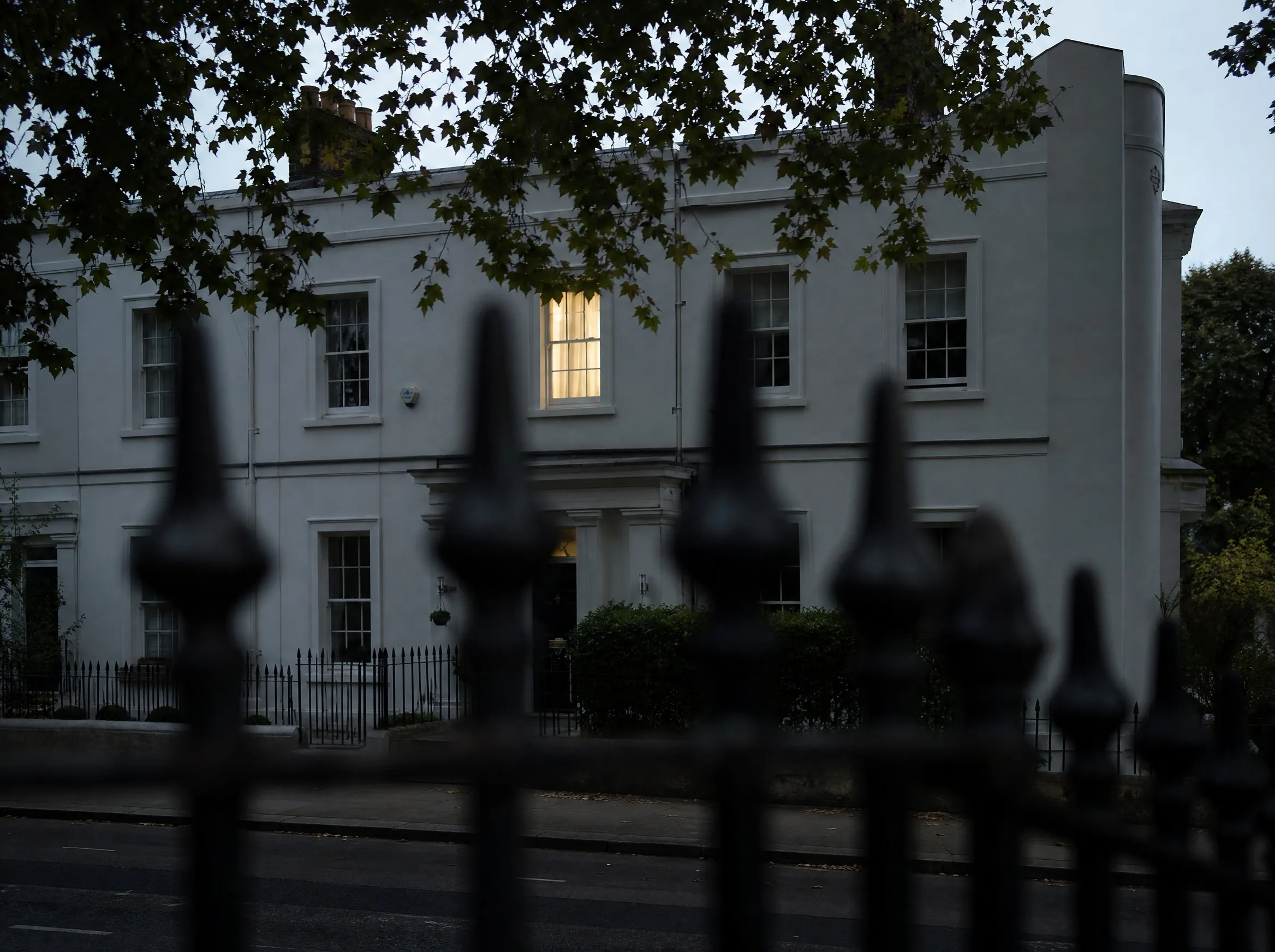
Residential Protection is planned for the woodland houses above Marlow and the riverside plots below it, where a bridleway or the towpath forms one side of the boundary.
Surveillance Detection confirms or dismisses repeated presence on a quiet lane, a bridleway or the towpath before a household changes its routine.
Marlow's geography narrows movement in a way that matters. The river closes the south, the suspension bridge admits only light traffic, and the A404 bypass takes everything else round the town to two roundabouts. A household on the Bisham side has one crossing. A household on the Buckinghamshire side has the bypass or the river road.
The bridge and the park are the town's front room. Residents with a profile are seen there, at the restaurants and on the towpath, by visitors who photograph what they see. Public exposure in Marlow is social and domestic, and it is planned accordingly.
Above the town the houses sit in woodland. Quarry Wood, Marlow Common and Bovingdon Green are laced with bridleways and footpaths that meet private boundaries without a fence in sight, and after dark they are empty. The survey concentrates on those lines.
The riverside houses face the opposite problem: overlooked from the water, close to the towpath, easily reached.
Households here commute to London on the Chiltern line from High Wycombe, on the Elizabeth line from Maidenhead, or by road on the M40, and the choice is settled and repeated. Variation within it is the first response.
The town sits at the southern edge of the Buckinghamshire commuter belt, whose estates around Beaconsfield raise the same questions of long boundaries and fixed routes. Downstream the river reaches Maidenhead and the wider Berkshire corridor, and upstream it runs to Henley, whose regatta pattern is larger and longer than Marlow's own.
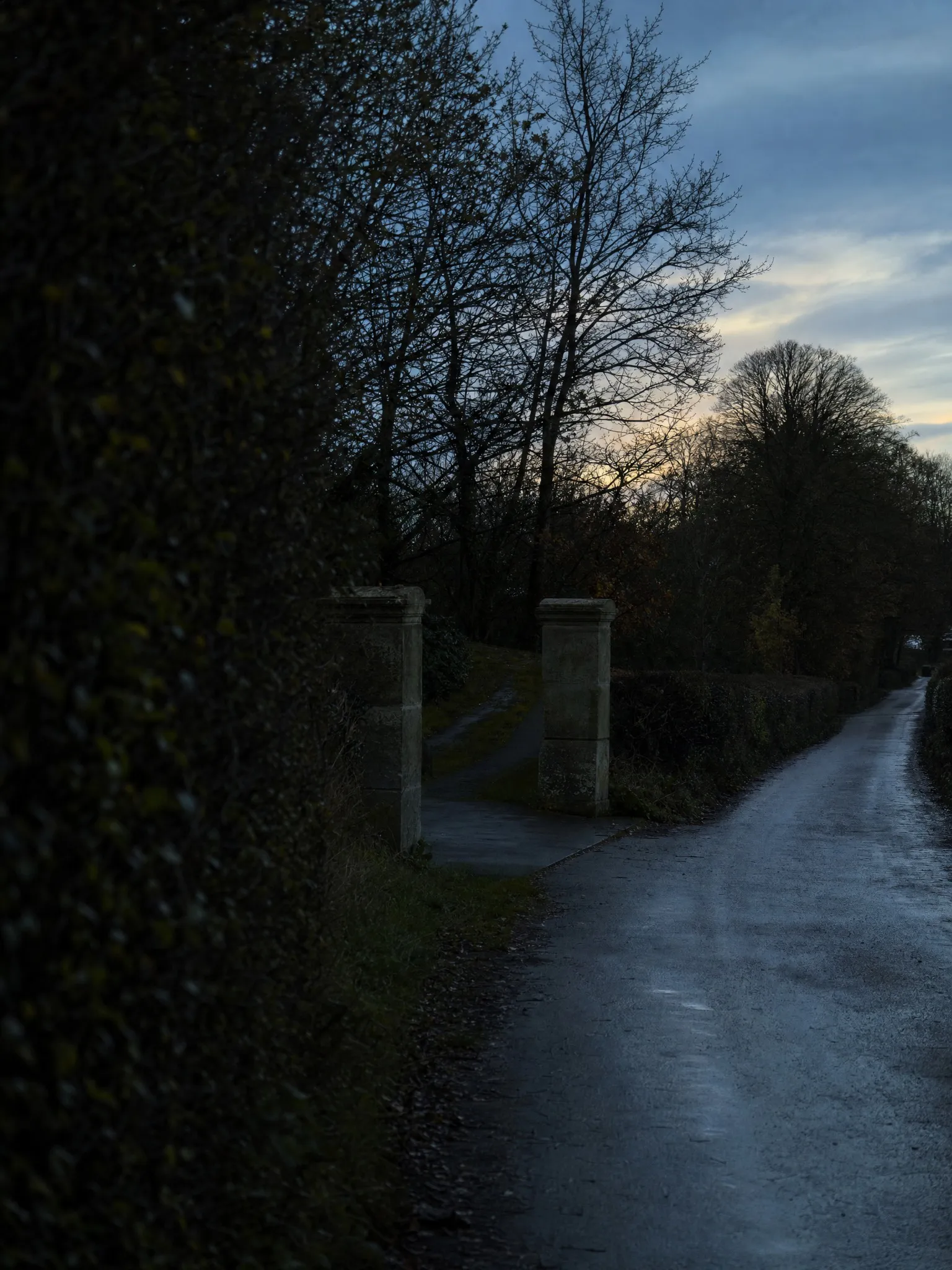
The Marlow Town Regatta and Festival takes the river for a weekend in June, filling Higginson Park and the reach beside it, and the houses along the bank become viewing platforms with guests arriving by road and boat. Through the summer the towpath and the park are busy every fine weekend, and the restaurants carry a London crowd on Friday and Saturday nights.
Residentially the winter matters most. Early darkness leaves the bridleways through Quarry Wood and Marlow Common unobserved against private boundaries for long evenings, and a woodland approach that is walked in August is empty in January.
School terms set the household pattern, with the grammar school and the preparatory schools producing a run that shares the bypass roundabouts at the same time each morning.
Where a principal's calendar includes fixtures or training across the river, the national sports centre at Bisham adds known dates and a single crossing to the picture. That kind of rise and fall around a date is assessed as threat and risk mitigation.
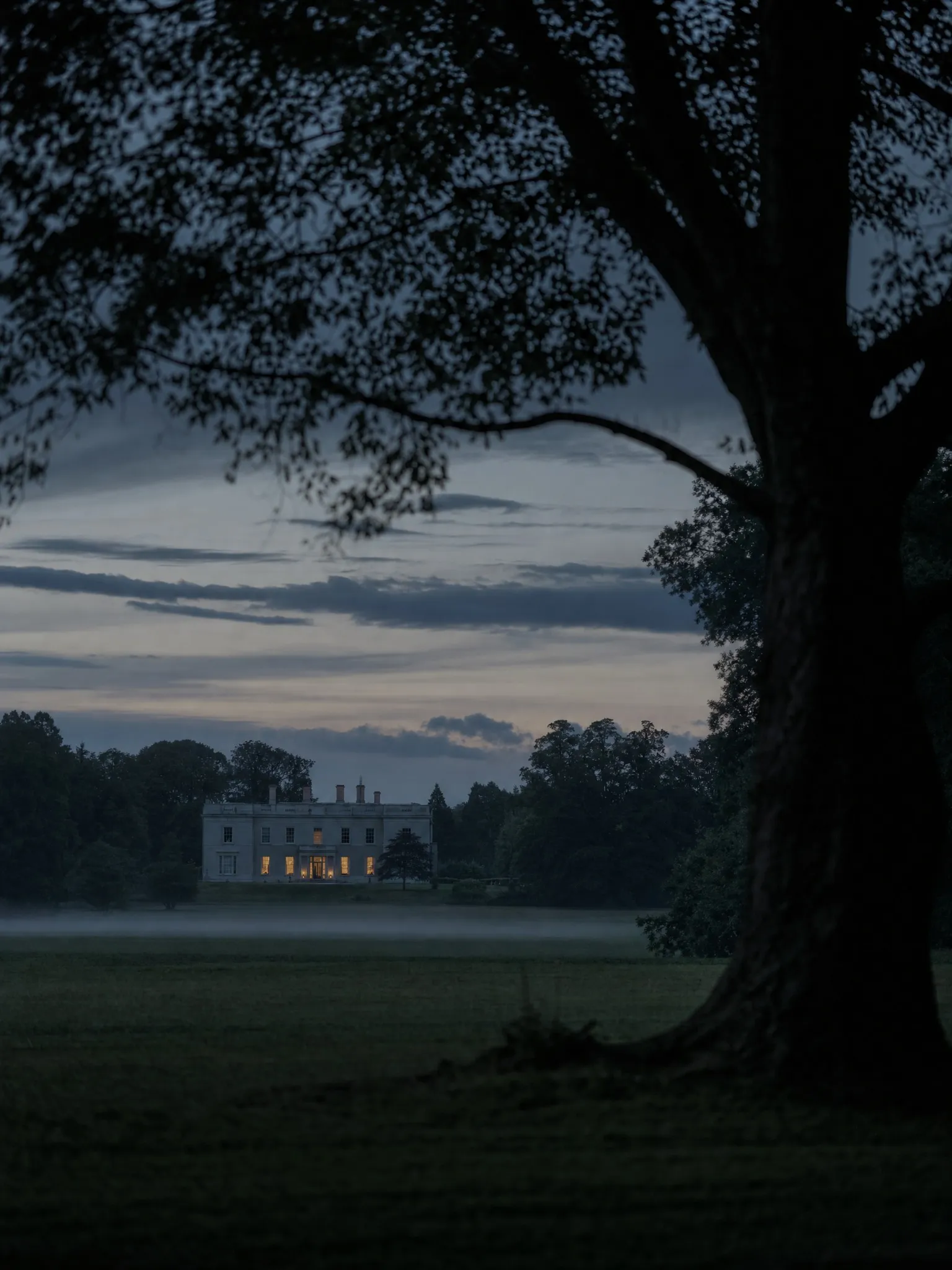
Residential assessment of a house on the wooded slopes is the most frequent request, and the footpath network is usually the finding the owner had not considered. A bridleway meeting the boundary is public ground, and it is treated as such.
Executive protection for principals with a public profile follows, most often around family occasions, restaurant evenings and events where the principal will be recognised. The presence is kept to an experienced officer who reads as company.
Riverside houses ask for the survey from the water, the mooring and the towpath side.
Security chauffeuring covers the A404 and the M40 into London, the school run and the late return from town, and the driver's observations along a repeated route are recorded.
A car noticed twice on a quiet lane is checked through surveillance detection before anyone acts on it.
Technical examinations are infrequent and tend to follow a building project or a new member of staff.
Families who divide the week between here and a London address, most often in Holland Park or the western districts, ask for the two homes to be assessed together.
All enquiries are handled discreetly and reviewed before engagement suitability is determined. Information should be limited to what is necessary to outline the matter. Where appropriate, further contact is arranged following review.

Protect
Executive ProtectionDiscreet, intelligence led executive protection for private clients, principals and families, designed to reduce exposure and preserve freedom of movement without unnecessary visible presence.

Mitigate
Threat and Risk MitigationStructured assessment that identifies where exposure exists and reduces it through proportionate, targeted measures across people, places and routine.

Detect
Surveillance DetectionSurveillance detection identifies hostile interest and emerging patterns of activity, providing early warning of potential threats before targeting progresses to action.

Sweep
Technical SurveillanceTechnical surveillance that detects covert devices, unauthorised transmissions and technical compromise across residences, offices and sensitive environments.

Secure
Security ChauffeuringSecure movement delivered through trained protective drivers, considered route planning and continuous situational awareness.
Fortify
Residential ProtectionResidential protection for private homes and estates, drawing on assessment, access control and continuity to protect principals and families at home.

Respond
Close Proximity Response™A discreet, client carried alert and live location capability that lets a protective team maintain proximity and respond immediately, without an overt security presence.