
Discreet protective and intelligence support in Oxford. Coverage is shaped by the collegiate university, the research and investment economy around it, the Victorian villas of North Oxford and a small, walkable city that is watched by visitors all year.
Oxford is a small city with an outsized profile. The university and its colleges occupy the medieval centre, a compact grid of quadrangles, lanes and gated lodges that is closed to most traffic and open to several million visitors a year. Around it a second economy has grown, in the research campuses at Headington, the Oxford Science Park at Littlemore, Begbroke to the north and the science corridor down the A34 towards Harwell and Culham, which together produce founders, investors and visiting principals with international interests. Residentially the wealth lies in North Oxford, where the Victorian villas of Park Town, Norham Manor and the roads off the Banbury Road and Woodstock Road stand behind brick walls and long gardens, and in the houses of Boars Hill and the villages beyond the ring road. Blenheim Palace at Woodstock is eight miles north, with the Cotswolds beginning behind it. Movement runs to London by rail from Oxford and Oxford Parkway, by road on the M40 and the A34, and through London Oxford Airport at Kidlington. The exposure is a blend of academic visibility, research value and a townscape in which everyone walks.
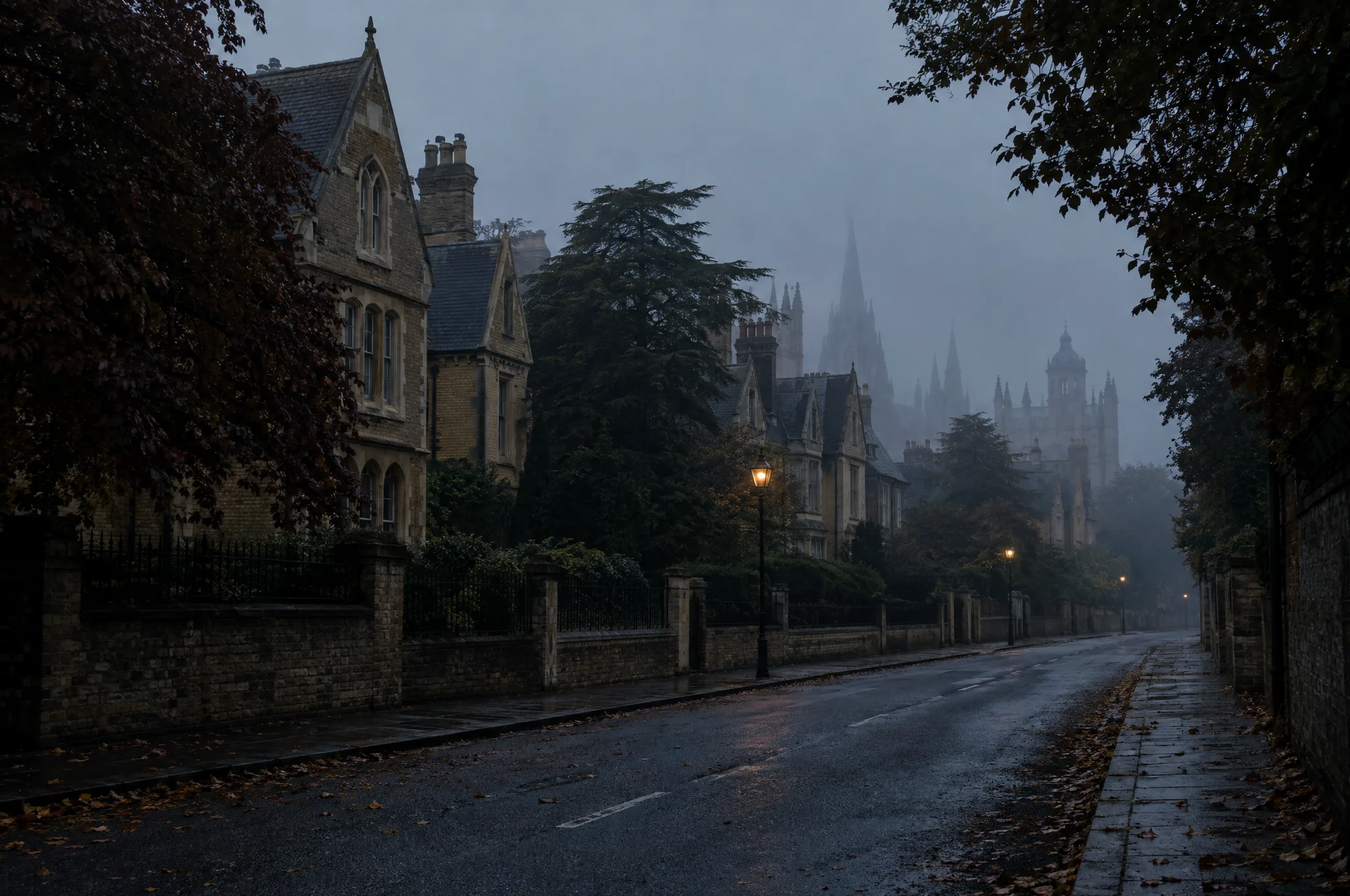
We work at the scale of the city, which is walked, cycled and crowded rather than driven. Colleges have their own lodges, porters and customs, and protective support inside them is arranged with those in charge and kept consistent with the setting. For visiting principals, lecturers and benefactors we assess the venue, the arrival on foot through streets that cannot be closed and the few routes between college, hotel and station. For founders and investors in the research economy we look at the pattern that is already visible: the campus, the office, the home in North Oxford and the journey between them, and we address the technical exposure that follows intellectual property of value. Houses in Park Town or on Boars Hill are assessed in daylight and after dark, with attention to gardens, rear lanes and open ground. A single experienced officer, unremarkable among academics and visitors, is usually the right measure.
Executive Protection provides low profile coverage for university figures, research founders and visiting principals moving on foot through a crowded and historic centre.
Technical Surveillance examines offices, laboratories, meeting rooms and homes where research, funding and commercial negotiations create a reason for someone to listen.
Residential Protection is planned for the villas of North Oxford on shared boundaries, the houses on Boars Hill and the country properties beyond the ring road, each with a different distance to help.
Oxford requires a lighter touch than most cities. The centre is pedestrian, the buildings are watched by tourists at every hour, and anyone accompanying a principal is seen by hundreds of people in a few hundred metres.
Colleges are private institutions with public faces. Their lodges control access well in principle, but term time brings visitors, conferences and open days through the same gate, and the protective arrangements for a head of house, a visiting speaker or a benefactor are made with the college rather than around it.
The research economy carries a different exposure. Founders and investors in spinouts hold information of real value, negotiate with overseas partners and work from buildings shared with many other firms. The technical questions here are more frequent than the physical ones.
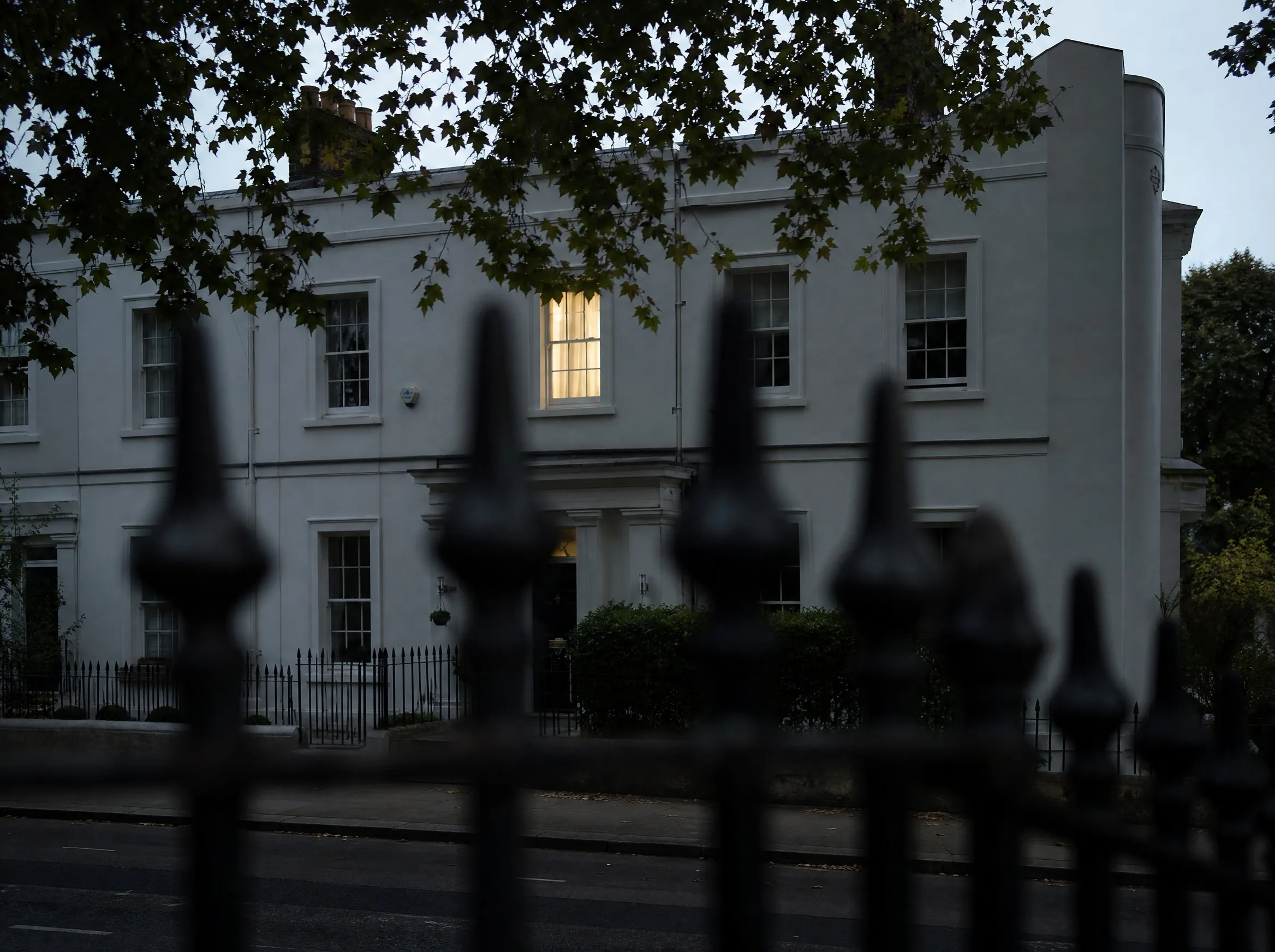
North Oxford is residential and quiet. Park Town's crescents and the villas of Norham Manor have rear gardens, shared walls and lanes, and the University Parks and the Cherwell give open, unlit approaches after dark.
Boars Hill and the villages carry a country pattern of long drives and slow response.
Movement to London is by rail or the M40, and the airport at Kidlington adds private aviation.
The equivalent university city to the north east is Cambridge, with a research economy of similar character, and the country houses to the north west lie in the Cotswolds.
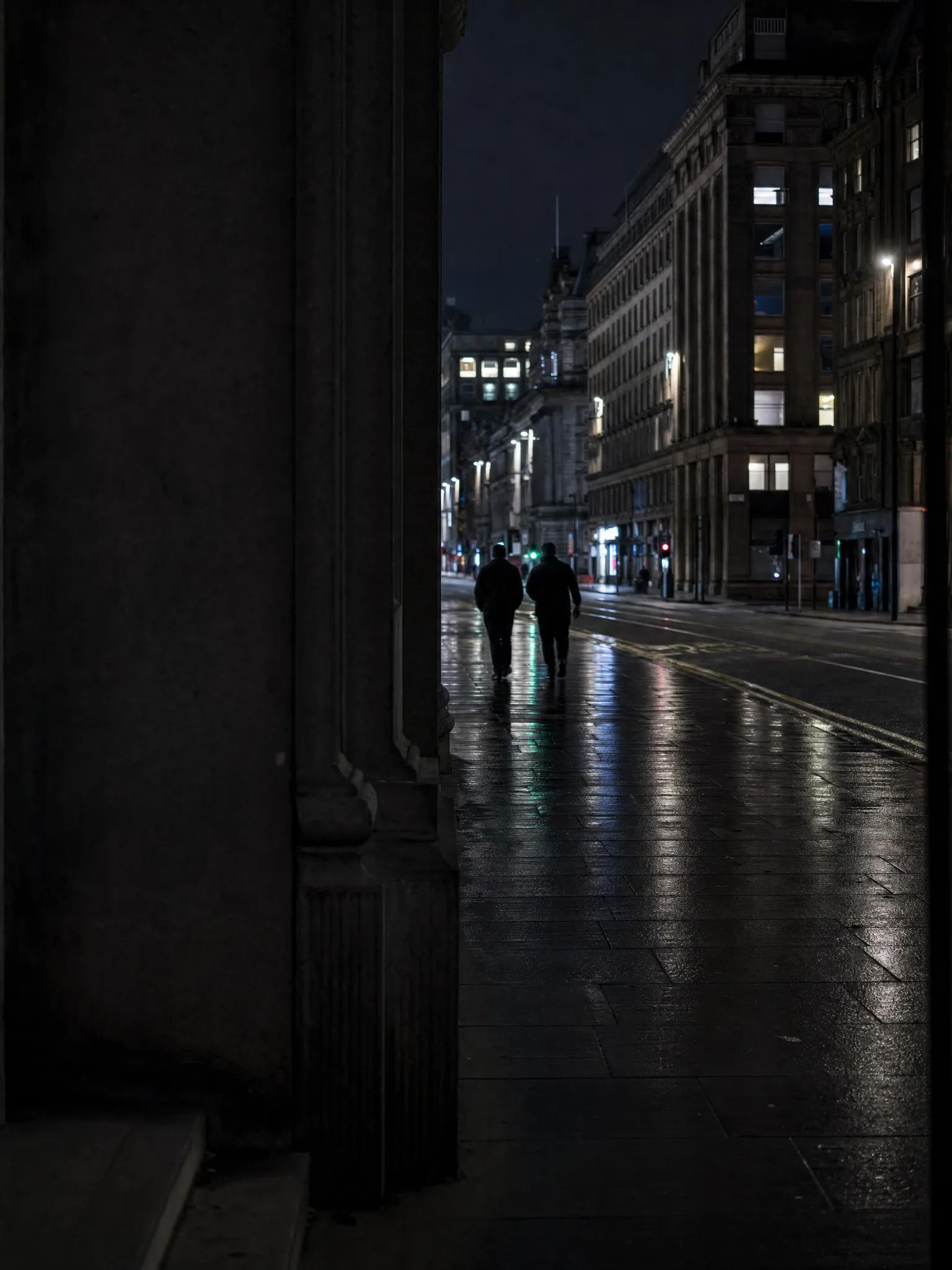
The academic year sets the calendar. Michaelmas, Hilary and Trinity terms fill the city with students, visitors and events, and the weeks outside them empty the colleges and change the pattern entirely. May Morning at Magdalen Bridge, Eights Week on the river at the end of May, Encaenia in June and the Commemoration balls that close Trinity term each bring crowds, ceremony and named guests into a centre that cannot be closed to the public.
Graduation days and the start of Michaelmas in October bring families to the same streets.
Outside the university, the Blenheim Palace horse trials each September draw large numbers to Woodstock and the roads north of the city, and the summer visitor season keeps the centre full from Easter to October.
Research exposure rises around funding rounds, licensing negotiations and the announcement of results, when a founder's office and home deserve a technical examination.
The Thames route south east passes through Henley on Thames, whose own regatta follows the end of Trinity term.
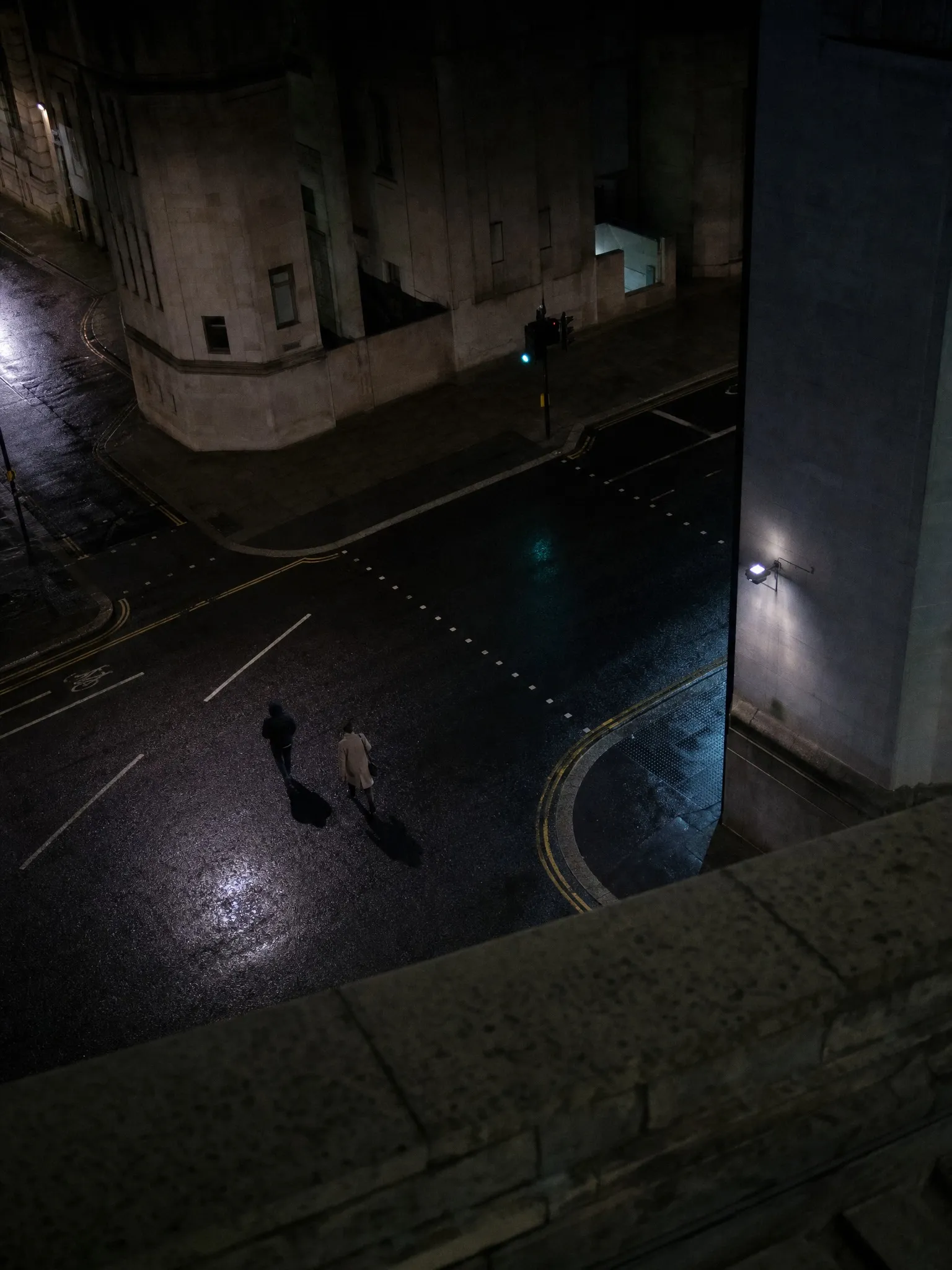
Executive protection for visiting principals is the most frequent request. Speakers, benefactors and business figures attend colleges, the Union and the university's ceremonies, and their hosts want an arrangement that is present without being remarked upon in a hall of people who notice everything.
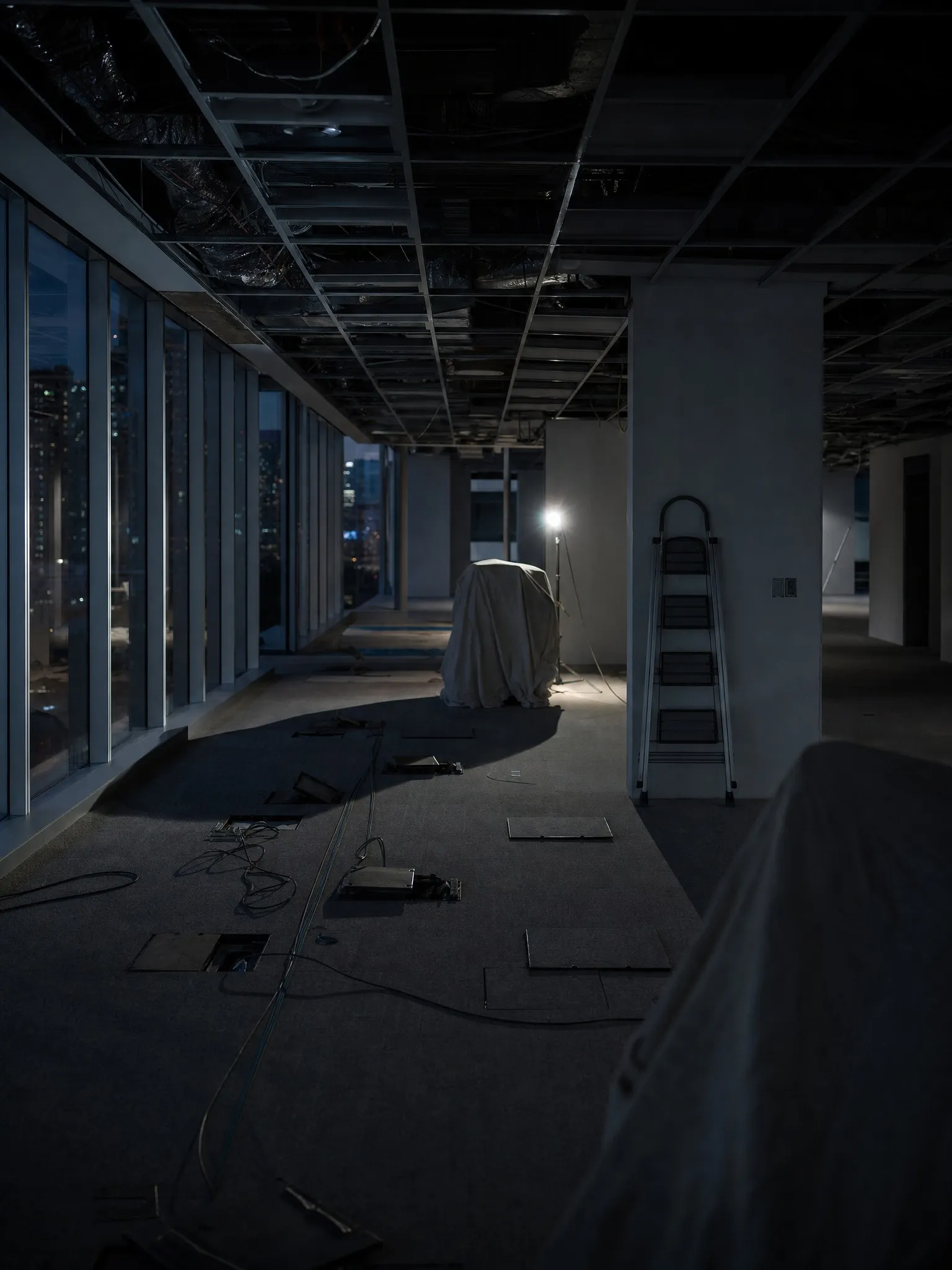
Technical examinations follow closely, from founders, investors and research groups whose value lies in what is said in a meeting room or written on a whiteboard.
Residential assessments come from families in North Oxford and on Boars Hill, and the findings usually concern rear boundaries, lanes and the household's access circle rather than the front door.
Protective intelligence is requested by academics and public figures who have become the subject of attention, online or in person, for their work or their views.
Security chauffeuring covers the London run and the airports.
Families with children at the city's schools ask about movement on foot and by bicycle without an escort, which is where a client carried capability fits.
The M40 corridor east of the city runs into Buckinghamshire, where several Oxford principals keep a second home, and journeys of that kind are covered under security chauffeuring.
All enquiries are handled discreetly and reviewed before engagement suitability is determined. Information should be limited to what is necessary to outline the matter. Where appropriate, further contact is arranged following review.

Protect
Executive ProtectionDiscreet, intelligence led executive protection for private clients, principals and families, designed to reduce exposure and preserve freedom of movement without unnecessary visible presence.
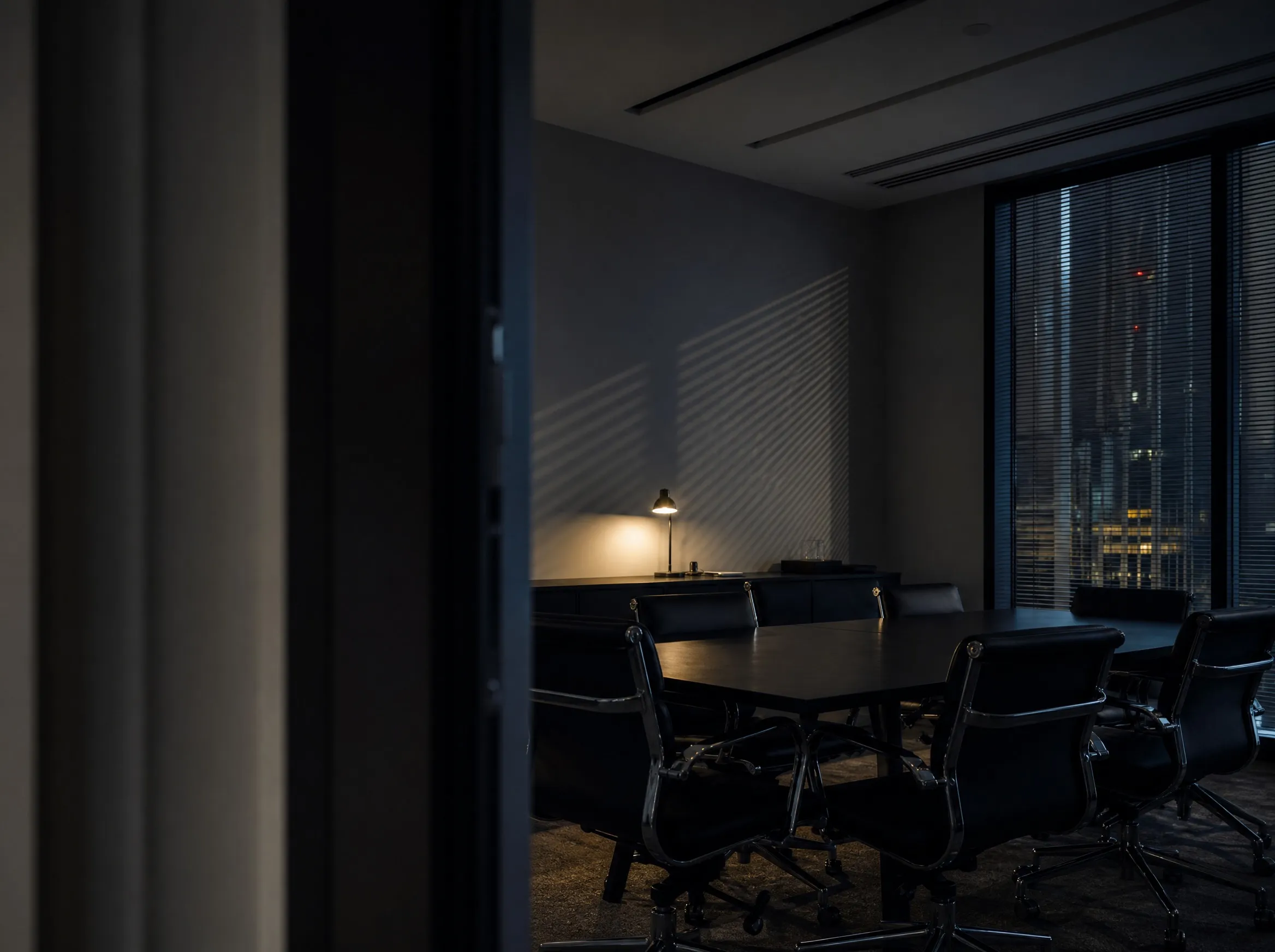
Mitigate
Threat and Risk MitigationStructured assessment that identifies where exposure exists and reduces it through proportionate, targeted measures across people, places and routine.
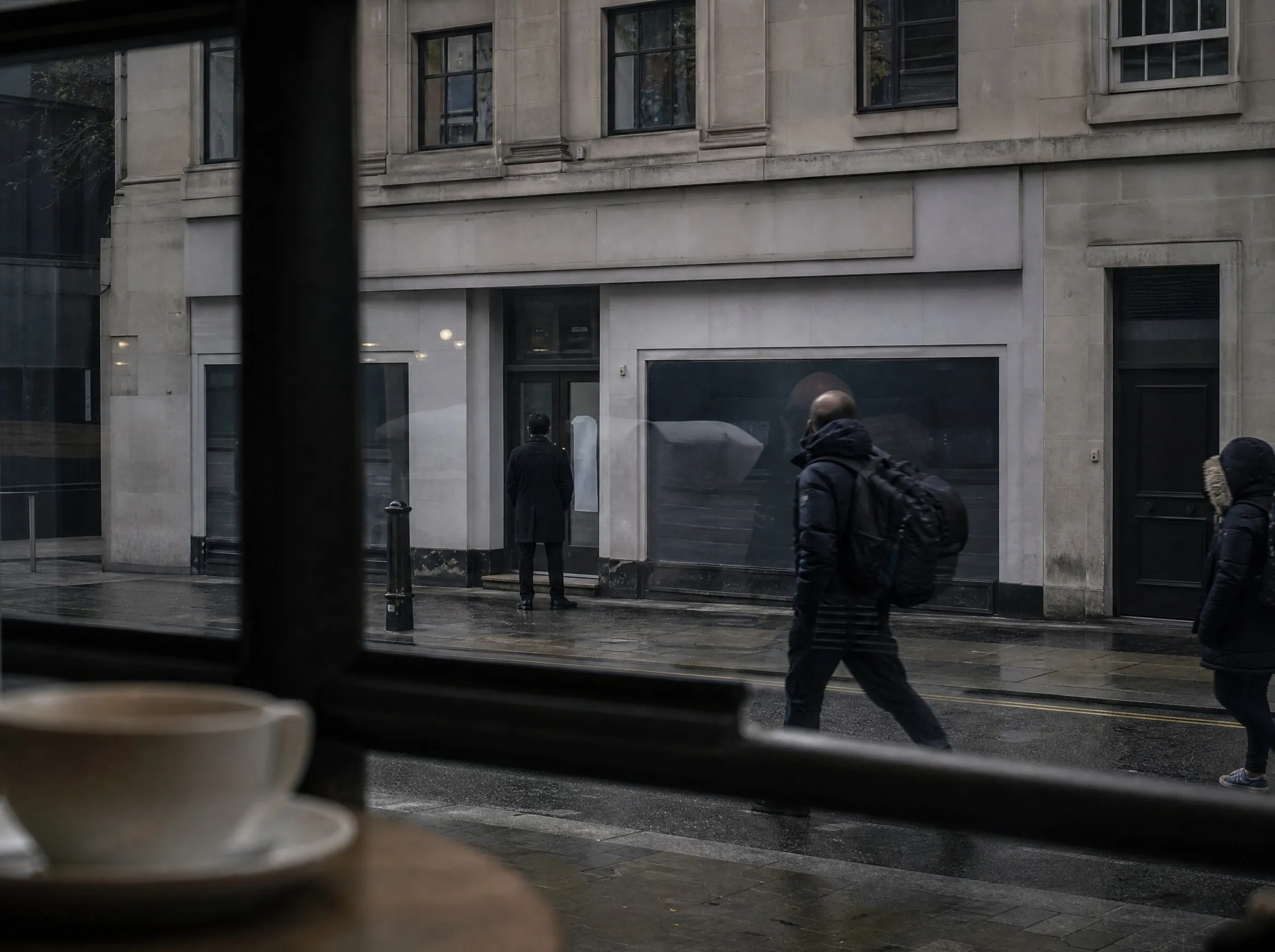
Detect
Surveillance DetectionSurveillance detection identifies hostile interest and emerging patterns of activity, providing early warning of potential threats before targeting progresses to action.
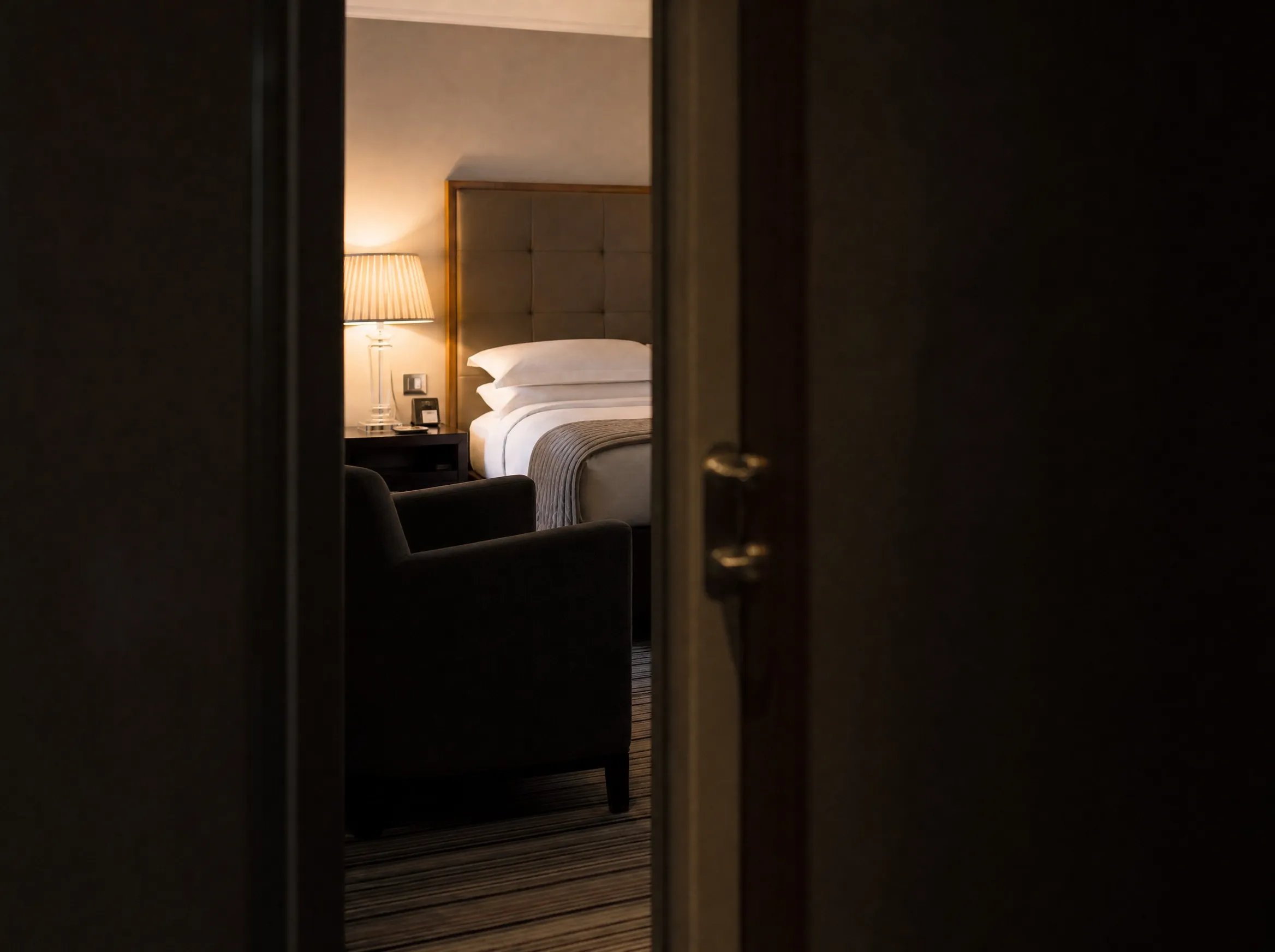
Sweep
Technical SurveillanceTechnical surveillance that detects covert devices, unauthorised transmissions and technical compromise across residences, offices and sensitive environments.
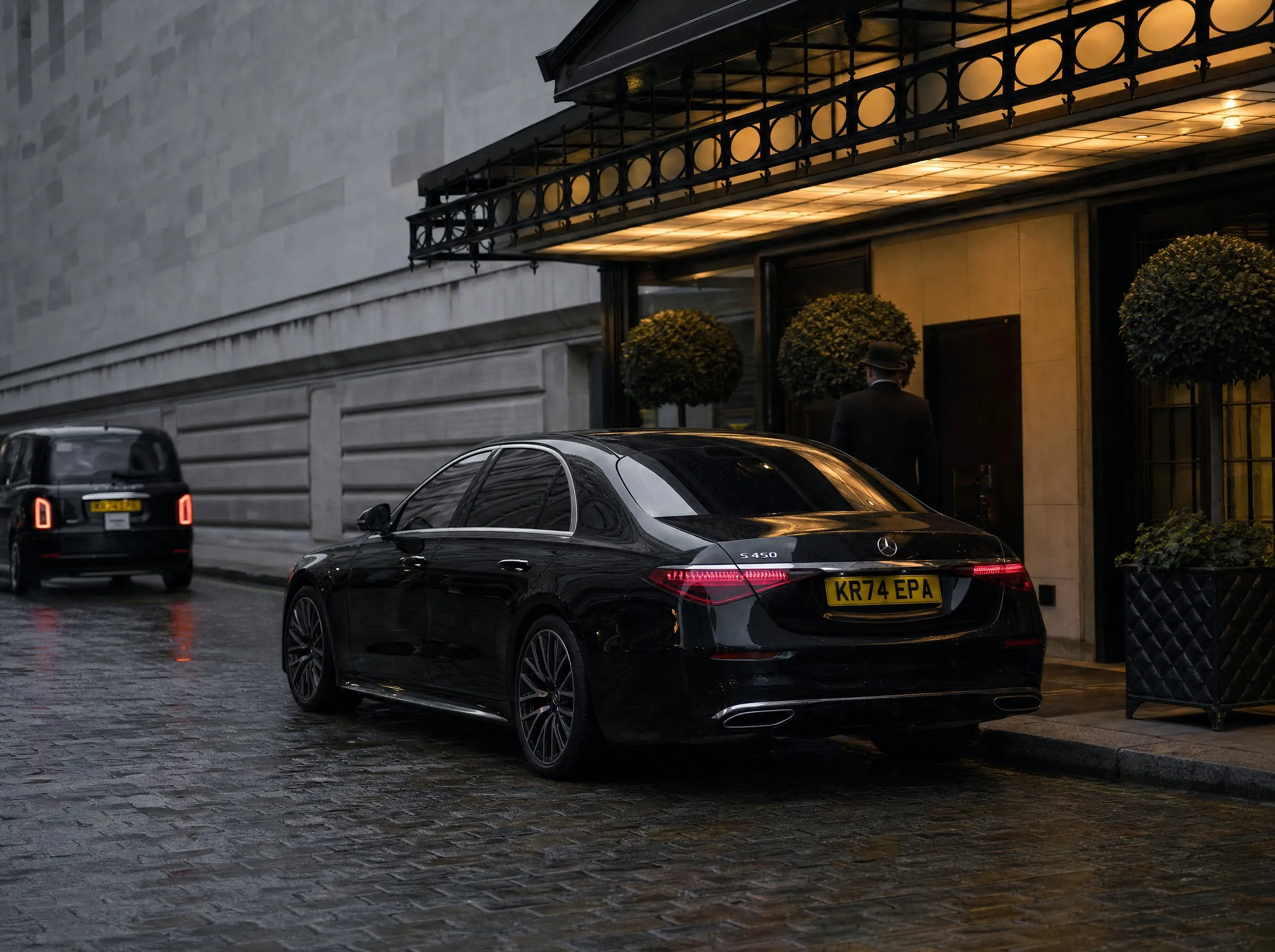
Secure
Security ChauffeuringSecure movement delivered through trained protective drivers, considered route planning and continuous situational awareness.
Fortify
Residential ProtectionResidential protection for private homes and estates, drawing on assessment, access control and continuity to protect principals and families at home.
Respond
Close Proximity Response™A discreet, client carried alert and live location capability that lets a protective team maintain proximity and respond immediately, without an overt security presence.