
Discreet residential and movement support in Beaconsfield. Coverage is shaped by large gated family houses in the New Town, a commute to Marylebone and the M40 that repeats for years, and households that rebuild their houses as often as they buy them.
Beaconsfield is two towns with one name. The Old Town gathers around the crossroads of London End, Wycombe End, Aylesbury End and Windsor End, where Georgian coaching inns and the church of St Mary and All Saints line broad streets built for the Oxford road. The New Town grew a mile north around the Chiltern line station after the railway arrived and holds the shops, the schools and the largest houses. Burkes Road, Ledborough Lane, Wattleton Road and the lanes towards Penn and Knotty Green are lined with substantial detached houses on wide plots behind hedges and electric gates, and the town ranks among the most expensive in the country outside London. Residents are chief executives, business owners, finance principals and families drawn by the grammar schools, the preparatory schools and a journey of about twenty five minutes to Marylebone. The M40 passes the town at junction 2 and the A355 runs south towards Slough, so movement is by road and rail on a settled timetable. Exposure here is quiet, residential and patterned: gated houses, known school runs and a commute that repeats.

The household is the unit of work here. We assess the house on its plot: the gate, the drive, the hedge line that screens the frontage and equally screens anyone standing inside it, and the garden boundary shared with a neighbour or with open land towards the Chilterns. Beaconsfield houses are large enough to employ staff and close enough to London to employ contractors from it, and the access circle is documented at the start. Residential protection here is built on that assessment and on who holds the codes, with no visible presence. We plan the commute to Marylebone or down the M40 and the school run to the schools in and around the town as one pattern, since they usually leave through one gate in a single busy hour. Technical work is arranged around building projects, which are frequent in a town where houses are rebuilt as often as bought.
Residential Protection begins at the hedge line of the large New Town plots and the houses on the lanes to Penn, where the boundary outruns the gate.
Security Chauffeuring covers the drive to the station for Marylebone, the M40 from junction 2, the school run and Heathrow, with a driver briefed on what repeats.
Close Proximity Response suits a plot large enough that a family member in the garden or on the far drive is out of sight of the house, the response arranged beforehand.
Beaconsfield work is residential first and movement second, and the two meet at the gate.
The houses along Burkes Road and Ledborough Lane are set well back behind planting, which screens the frontage from the road and screens the drive from the house. A gate that opens for a delivery van, a gardener and a school run within the same hour is the most used point of the property, and it is assessed as such.
Plots back onto other plots or onto the open ground towards Penn and Forty Green, where footpaths meet garden boundaries without a road in between. After dark they are empty.
The Old Town raises a different question. Its inns and restaurants put residents in a small public space on Friday and Saturday evenings, and a principal who is known will be seen.
Households here rebuild. A house on a good plot is frequently extended or replaced, which brings contractors, deliveries and open boundaries for a year or more. The project is treated as a security matter in its own right.
Movement is settled. The morning train, the M40 from junction 2 and the run to a preparatory school in the town or a grammar school in Amersham or High Wycombe repeat for years. What can be varied within that is varied.
Two miles south east the same belt continues into Gerrards Cross, closer to the M25 and with its commons at the centre. Both sit within the wider Buckinghamshire requirement.
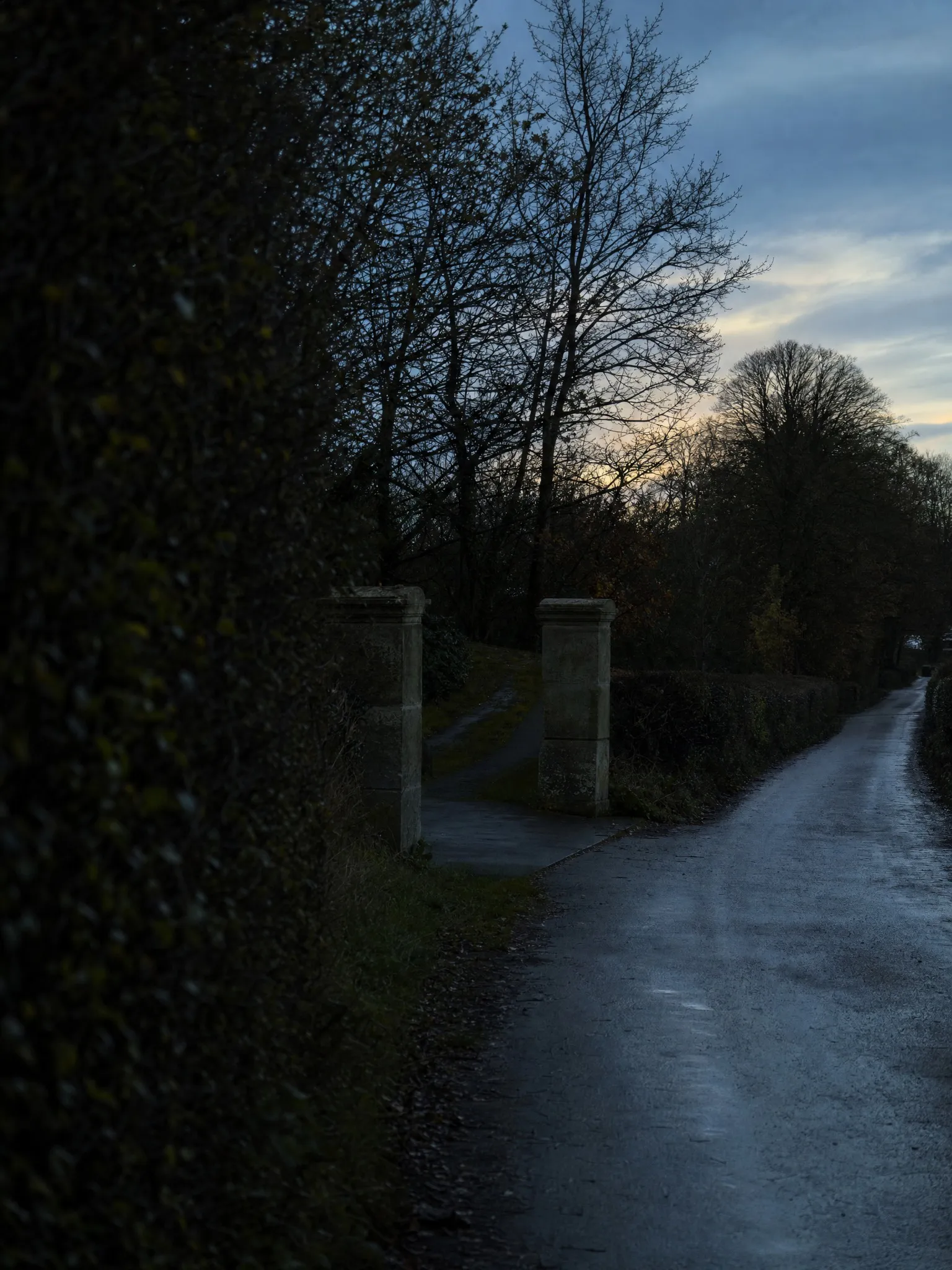
Term time sets the tightest pattern. The school run and the commute leave within the same half hour, and the routes to the station, the M40 and the schools are the same each day. Holidays loosen it and empty the house, which moves the question from the road to the property.
Building season matters more here than in most towns. From spring to autumn a plot under works has open boundaries, a temporary gate, skips on the road and a rotating set of trades who know the layout of the house.
The Old Town fills for the winter, with the inns and restaurants at their busiest in December, and a principal who is recognised is recognised at short range.
West of the M40 the calendar is seasonal and public, and Marlow carries a river and regatta pattern that the commuter belt does not.

A residential assessment of a large house on a private plot is the standard request, and it usually arrives after a move, a rebuild or a change of staff. The findings concentrate on the gate, the hedge line and the rear boundary where a footpath or a neighbour's garden meets the plot.
Security chauffeuring follows, covering the commute to Marylebone or into London by the M40, the school run and the airport. Long or early journeys are arranged as security chauffeuring rather than through a car service.
Households with a house under construction ask for the project to be assessed before the first contractor arrives, and again before the family moves back in.
Technical examinations are requested at the end of works and after a change of staff, and are conducted as technical surveillance of the house, the study and the cars.
Older children who drive themselves are covered by a client carried capability without an officer in the car.
Requests for a visible guard at the gate are rare and are usually redirected, since a guard in a road of known cars tells the road something it did not know.
All enquiries are handled discreetly and reviewed before engagement suitability is determined. Information should be limited to what is necessary to outline the matter. Where appropriate, further contact is arranged following review.

Protect
Executive ProtectionDiscreet, intelligence led executive protection for private clients, principals and families, designed to reduce exposure and preserve freedom of movement without unnecessary visible presence.

Mitigate
Threat and Risk MitigationStructured assessment that identifies where exposure exists and reduces it through proportionate, targeted measures across people, places and routine.

Detect
Surveillance DetectionSurveillance detection identifies hostile interest and emerging patterns of activity, providing early warning of potential threats before targeting progresses to action.

Sweep
Technical SurveillanceTechnical surveillance that detects covert devices, unauthorised transmissions and technical compromise across residences, offices and sensitive environments.

Secure
Security ChauffeuringSecure movement delivered through trained protective drivers, considered route planning and continuous situational awareness.

Fortify
Residential ProtectionResidential protection for private homes and estates, drawing on assessment, access control and continuity to protect principals and families at home.

Respond
Close Proximity Response™A discreet, client carried alert and live location capability that lets a protective team maintain proximity and respond immediately, without an overt security presence.