
Residential protection in St John’s Wood for private and international families, planned around large plots, sizeable households and a settled daily routine.
St John’s Wood is unusual in central London for the amount of private space it contains. Large detached and semi detached villas sit behind walls and gardens along Avenue Road, Hamilton Terrace and the surrounding roads, alongside substantial mansion blocks. The American School and a strong diplomatic presence draw a settled international population, and many households are large, staffed and long established at the address.
The exposure here is the household rather than the street. A sizeable property with a garden, a garage, a service entrance and a staff door presents several ways in rather than one, and the boundary is usually a wall that is high enough to obstruct observation from outside and equally effective at obstructing it from inside. Deliveries, contractors, tutors and domestic staff arrive throughout the day, most of them expected, some of them not, and the household’s own sense of who belongs on the property is often looser than it believes.
Routine compounds this. St John’s Wood households tend to be settled, with school runs, standing appointments and a rhythm that has not changed in years. That stability is the district’s appeal and the source of its predictability. An address that has functioned the same way for a decade has published a great deal about itself without ever intending to.
School runs, staff turnover and visiting family shape the requirement here more than any single threat, and our coverage of St John’s Wood explains why.
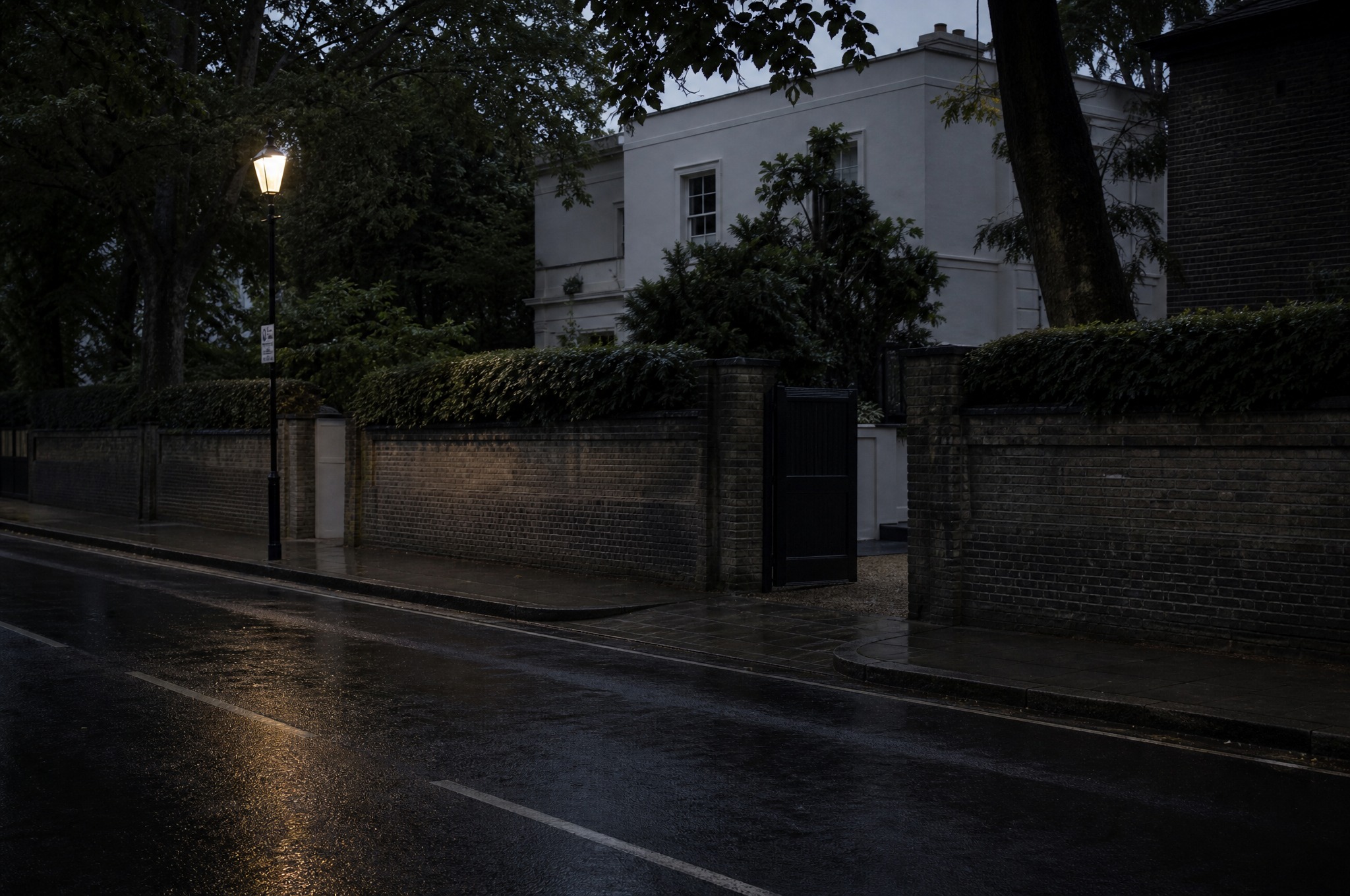
The assessment begins with access rather than with the perimeter, because in St John’s Wood the wall is rarely the weak point. We establish the full circle of people who can reach the property on a normal week, how each of them is admitted, who holds keys, codes and remote access, and how any of that is withdrawn when someone leaves. In most large households this list has never been written down, and writing it down is itself a meaningful part of the work.
Physical measures follow the survey. Multiple entrances are ranked by how they are actually used rather than how they were designed, detection is positioned against the approaches that matter, and the internal ordering of the house is considered as carefully as the boundary, since a property with a long response time from the street needs to slow an intruder inside as well as outside.
Staff are trained rather than merely vetted. The people who open the door, take the delivery and admit the contractor are the household’s actual security layer, and a household that has agreed what happens when something is not as expected recovers far better than one relying on a system alone.
For international families who are absent for part of the year, the unoccupied periods are planned for directly, including how the property presents from outside while empty and how the return is handled.
The approach is standard residential protection; what St John’s Wood contributes is a mixture of gated schemes, private roads and estate staff already in place.

The assessment starts with access, because in St John’s Wood the wall is rarely the weak point and the household is rarely aware of how many people can reach the property.
We build the full list: domestic staff, tutors, drivers, gardeners, cleaners, pool and plant maintenance, deliveries, and the contractors attached to whatever work is current. For each we record how they are admitted, whether they hold keys, codes or remote access, who granted it, and what the process is when they leave. In most large households this exercise finds several live credentials belonging to people who no longer attend.
The physical survey then ranks the entrances by real use rather than design intent. A service door that is propped open every morning for an hour is a more significant entry point than a formal front door that is never used, whatever the specification of each.
Because these properties sit behind walls that obstruct observation in both directions, the internal ordering of the house carries more weight than it would elsewhere. We assess how far an intruder would get before being detected, and whether the household can reach a secure position and communicate while that is happening.
A vehicle noticed twice on a private road may mean nothing at all, and surveillance detection is the measure that establishes which.
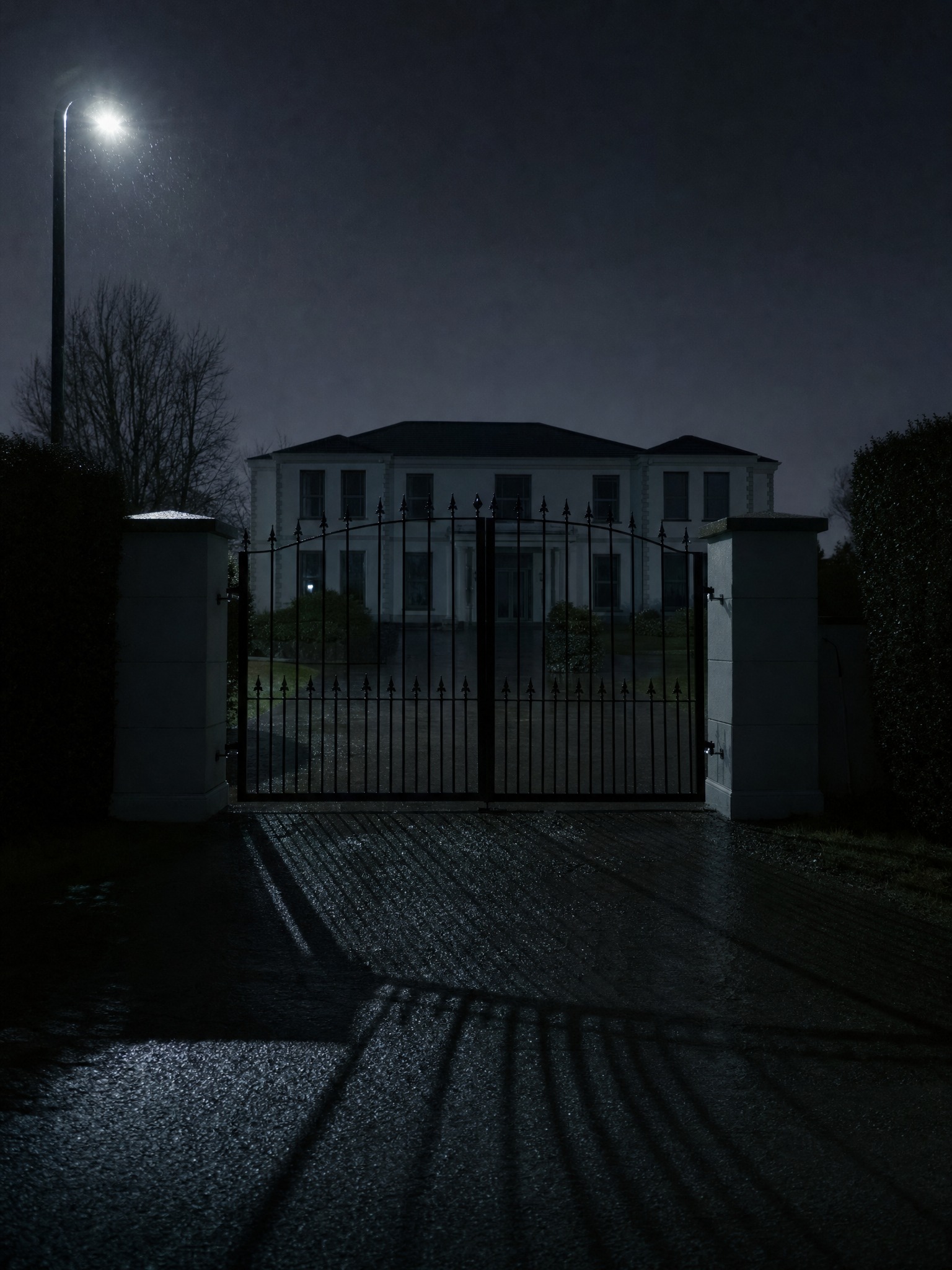
The rhythm here is set by the school year and by the international movement attached to it. The American School calendar governs a substantial part of the district, and the summer departure and August return produce a concentrated period in which a large number of properties on the same roads are empty, then occupied again within a fortnight.
That concentration matters. An empty street is a different proposition to an empty house, and it is understood locally. Households that coordinate their absence with neighbours, even informally, materially improve the position for all of them.
Staff turnover follows the same calendar. New household staff frequently arrive at the start of the academic year, which is the point at which access is most likely to be granted quickly and least likely to be documented. It is also the natural moment for a technical examination of the property, since the circle of people who have had unaccompanied access has just changed.
Lord’s brings periodic large crowds and road closures to the southern edge of the district on known dates.
North of the park the properties sit in larger grounds with longer approaches, and residential protection in Hampstead describes what that changes.
The same questions arise west of the park, where residential protection in Holland Park covers a tighter street pattern.
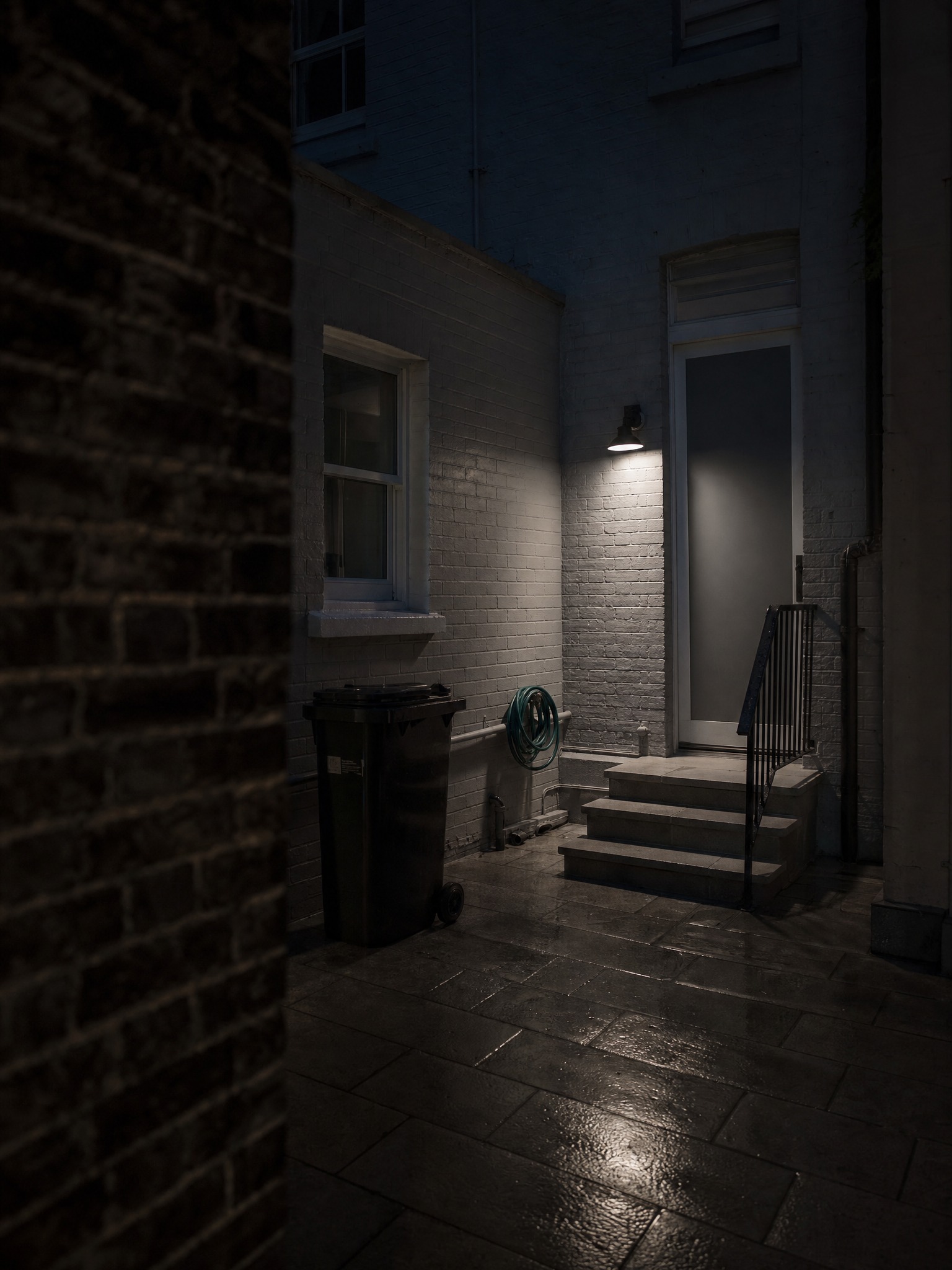

Protect
Executive ProtectionDiscreet, intelligence led executive protection for private clients, principals and families, designed to reduce exposure and preserve freedom of movement without unnecessary visible presence.
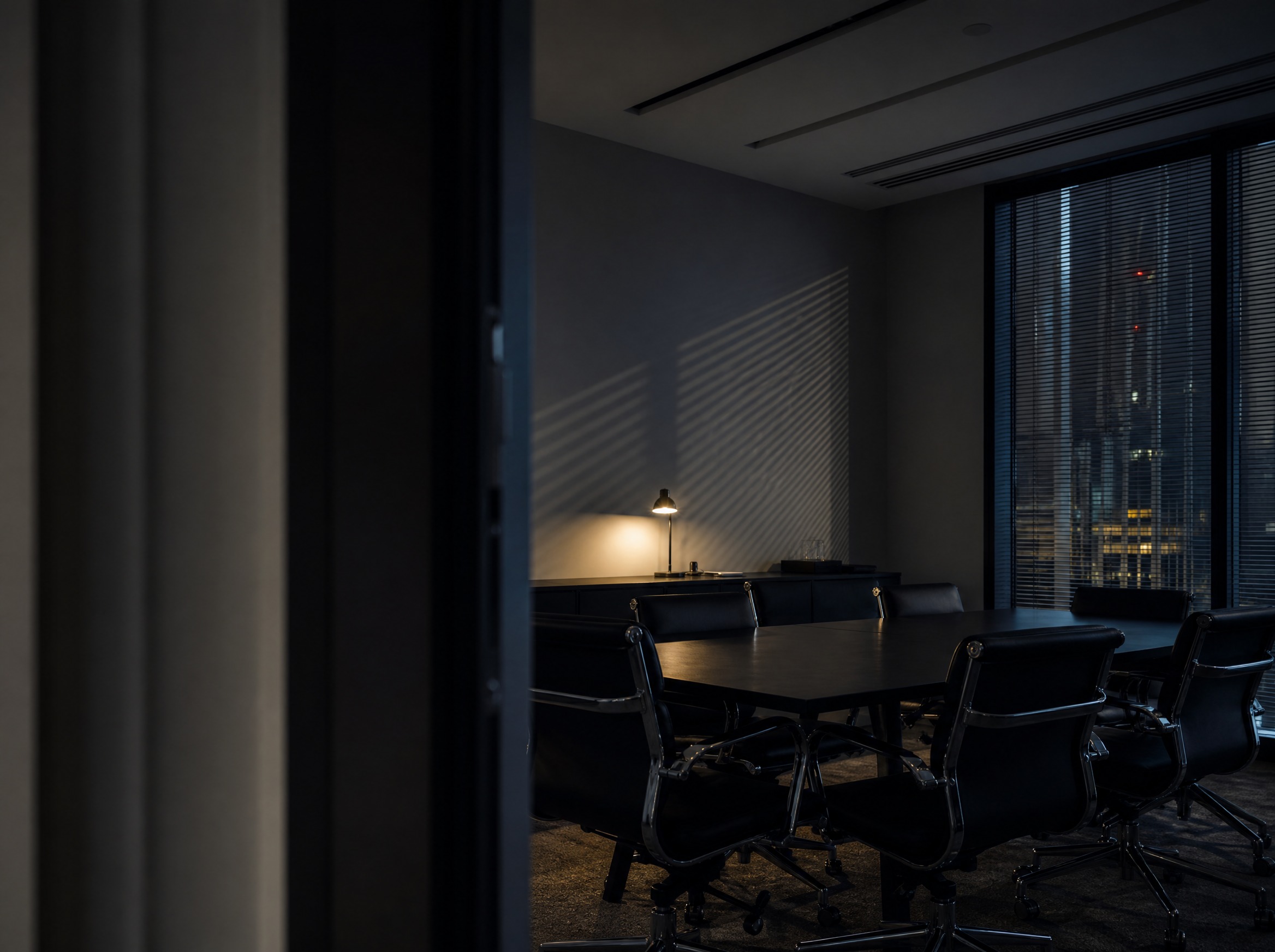
Mitigate
Threat and Risk MitigationStructured assessment that identifies where exposure exists and reduces it through proportionate, intelligence led measures across people, places and routine.

Detect
Surveillance DetectionSurveillance detection identifies hostile interest and emerging patterns of activity, providing early warning of potential threats before targeting progresses to action.
Sweep
Technical SurveillanceTechnical surveillance that detects covert devices, unauthorised transmissions and technical compromise across residences, offices and sensitive environments.

Secure
Security ChauffeuringSecure movement delivered through trained protective drivers, intelligence led route planning and continuous situational awareness.
Fortify
Residential ProtectionResidential protection for private homes and estates, drawing on assessment, access control and continuity to protect principals and families at home.

Respond
Close Proximity ResponseA discreet, client carried alert and live location capability that lets a protective team maintain proximity and respond immediately, without an overt security presence.