
Residential protection in Hampstead for private clients and public figures, planned around wooded plots, long perimeters and the open border of the Heath.
Hampstead sits on high ground in north London and has kept a village form that central districts lost long ago. Narrow lanes, Georgian houses and large gated properties stand among mature trees, and Hampstead Heath forms a wide, unstructured border to the south and east. It draws residents from finance, media and public life, many of whom chose the district precisely because it offers privacy and space.
Those same qualities complicate the residential picture. A house on a wooded plot has a long perimeter and several approaches rather than one frontage. Mature planting that screens a property from the road screens an approach to it just as effectively. The lanes are quiet and discreet, which means a vehicle or a person waiting attracts little attention, and the hilly ground gives elevated sightlines into gardens and upper windows from positions that are entirely public.
The Heath is the largest single factor. It places an unmanaged, unlit, publicly accessible space directly against residential boundaries across a wide arc, open at all hours, with no natural point at which presence becomes noteworthy. A perimeter that is secure against the street may be open at the back, and in Hampstead the back is where the exposure usually sits.
The area produces travel and family requirements as well as residential ones, and how we work across Hampstead covers both.
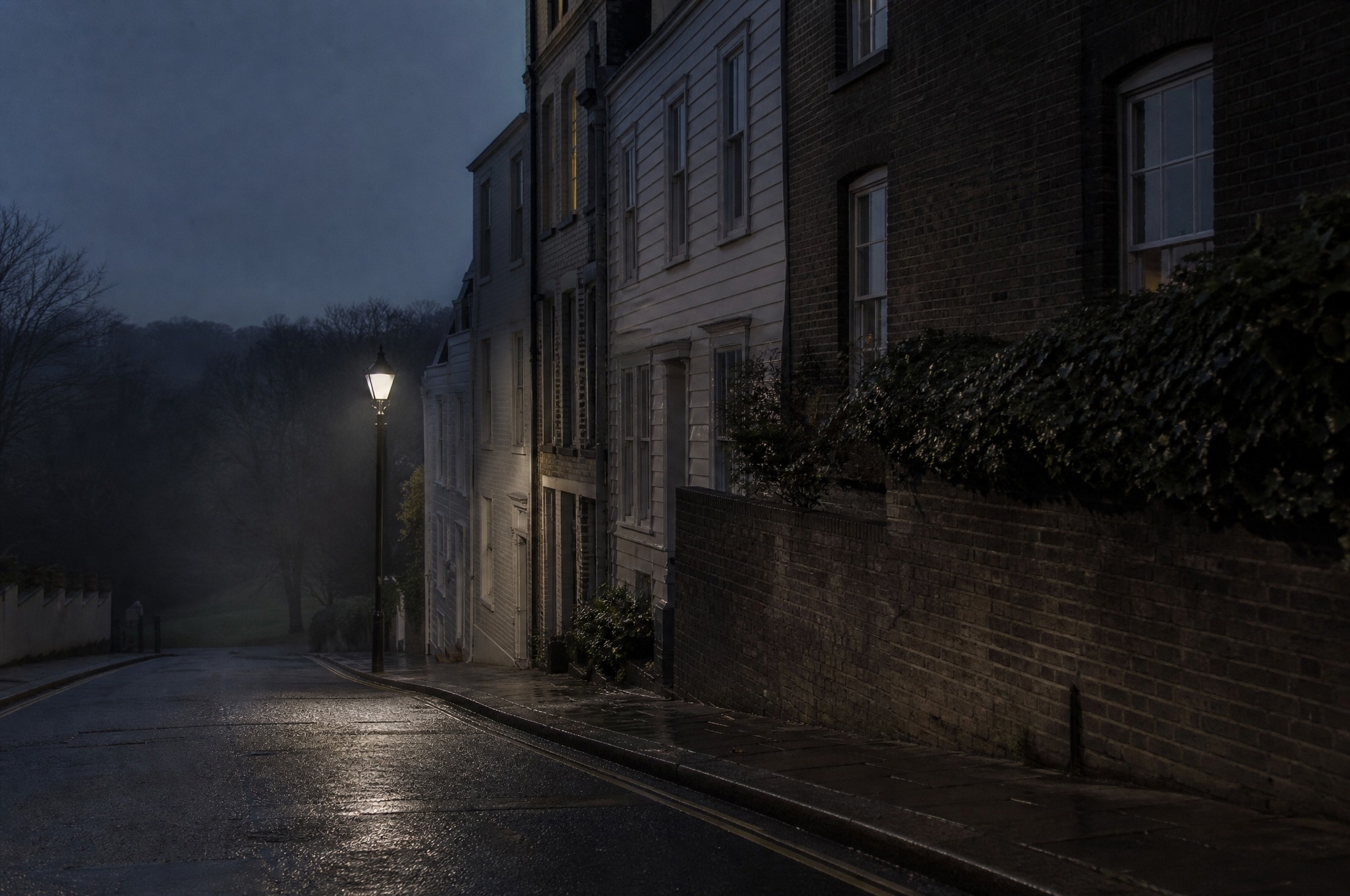
Residential protection in Hampstead starts with a survey of the property as it actually stands rather than as it appears from the road. We walk the full boundary, identify every approach including the ones the household does not use, establish which sightlines run onto the house from public ground, and record where planting helps and where it conceals. On a Heath facing property that survey almost always finds a second, quieter frontage that has never been treated as one.
From there the work is layered rather than fortified. The objective is to make an approach detectable early and to make the house a slow proposition, not to turn a family home into a compound. In practice that means lighting and detection positioned against the approaches the survey found, entry points ordered by how long each would take to defeat, and a household that knows what to do in the first two minutes rather than a system that assumes somebody else will.
Staff and access are treated as part of the perimeter. Large Hampstead households run on gardeners, housekeepers, contractors and deliveries, and each of those is a route in that no wall addresses. We establish how access is granted, how it is withdrawn, and what is still known by people who left.
Where the household includes a public figure, the assessment also covers what is discoverable about the address itself, since a residence that can be identified from published material is a different problem to one that cannot.
Assessment, access and continuity are common to all residential protection work; Hampstead adds mature planting, long approaches and a great many boundaries that are not overlooked.
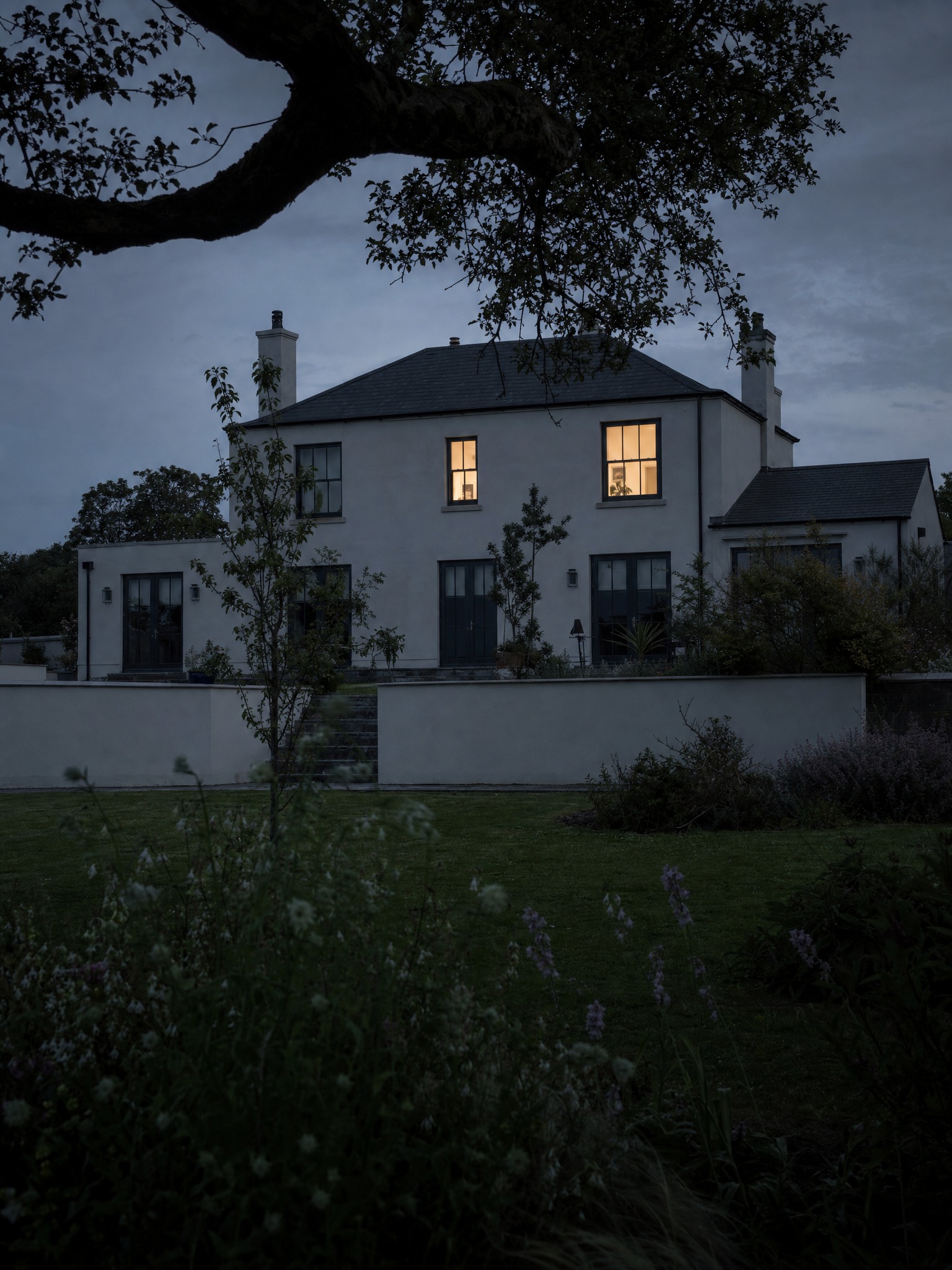
The assessment is a physical survey conducted on foot, in daylight and again after dark, because a Hampstead property presents differently in each.
We walk the entire boundary rather than the frontage, including the sections the household never uses. On a plot of this kind that usually means a road frontage, one or two neighbouring boundaries, and a rear line that may adjoin the Heath, a footpath or unlit ground. Each is assessed for how it could be approached, how visible that approach would be, and how long it would take.
Planting is recorded specifically. Mature screening that gives a household privacy from the road gives the same privacy to somebody standing behind it, and the survey identifies where that trade has been made without anyone deciding to make it. Elevated positions are noted for the same reason: Hampstead's terrain gives public ground a view into private gardens and upper windows from several directions.
Entry points are then ranked by how long each would take to defeat, and the internal ordering of the house is considered against the realistic response time to that address. Finally, the access circle is documented, since gardeners, housekeepers and contractors reach a property of this size on a schedule the household rarely has written down.
An assessment that raises the possibility of monitoring inside the house, rather than watching from outside it, becomes a technical surveillance requirement.
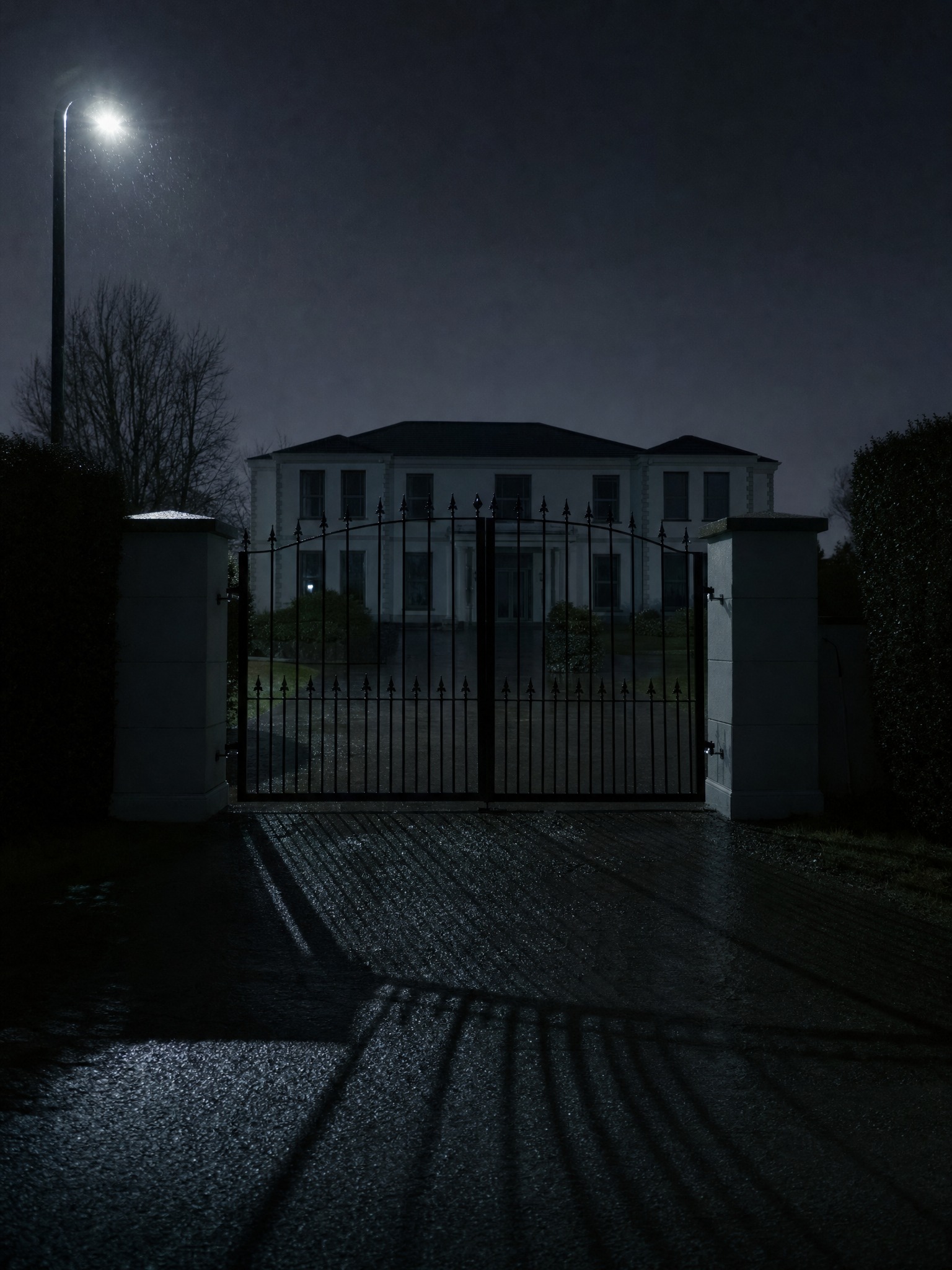
The winter months change the picture materially. Darkness from mid afternoon extends the period during which an approach is unobserved, the Heath empties of the casual footfall that provides incidental surveillance, and bare planting alters sightlines in both directions. Most residential assessments in this district recommend a seasonal adjustment rather than a single fixed arrangement.
Absence is the other variable. Households here are frequently away over Christmas, at half terms and through part of the summer, and a large detached property on a quiet lane advertises absence through unlit windows, uncollected post and an unchanged frontage. How the property presents while empty is within the household's control once it is looked at directly.
Where a member of the household has a public profile, exposure also rises around publication, broadcast, release or any event that places their name back into circulation. Those dates are usually known well in advance and are worth sharing, since the residential picture changes with them even though nothing at the property has changed.
The pattern a mile south is different again, with gated developments in place of detached grounds, and residential protection in St John's Wood sets out what that changes.
Households that hold a second London address will find the same reasoning applied to a denser street pattern under residential protection in Holland Park.

Protect
Executive ProtectionDiscreet, intelligence led executive protection for private clients, principals and families, designed to reduce exposure and preserve freedom of movement without unnecessary visible presence.
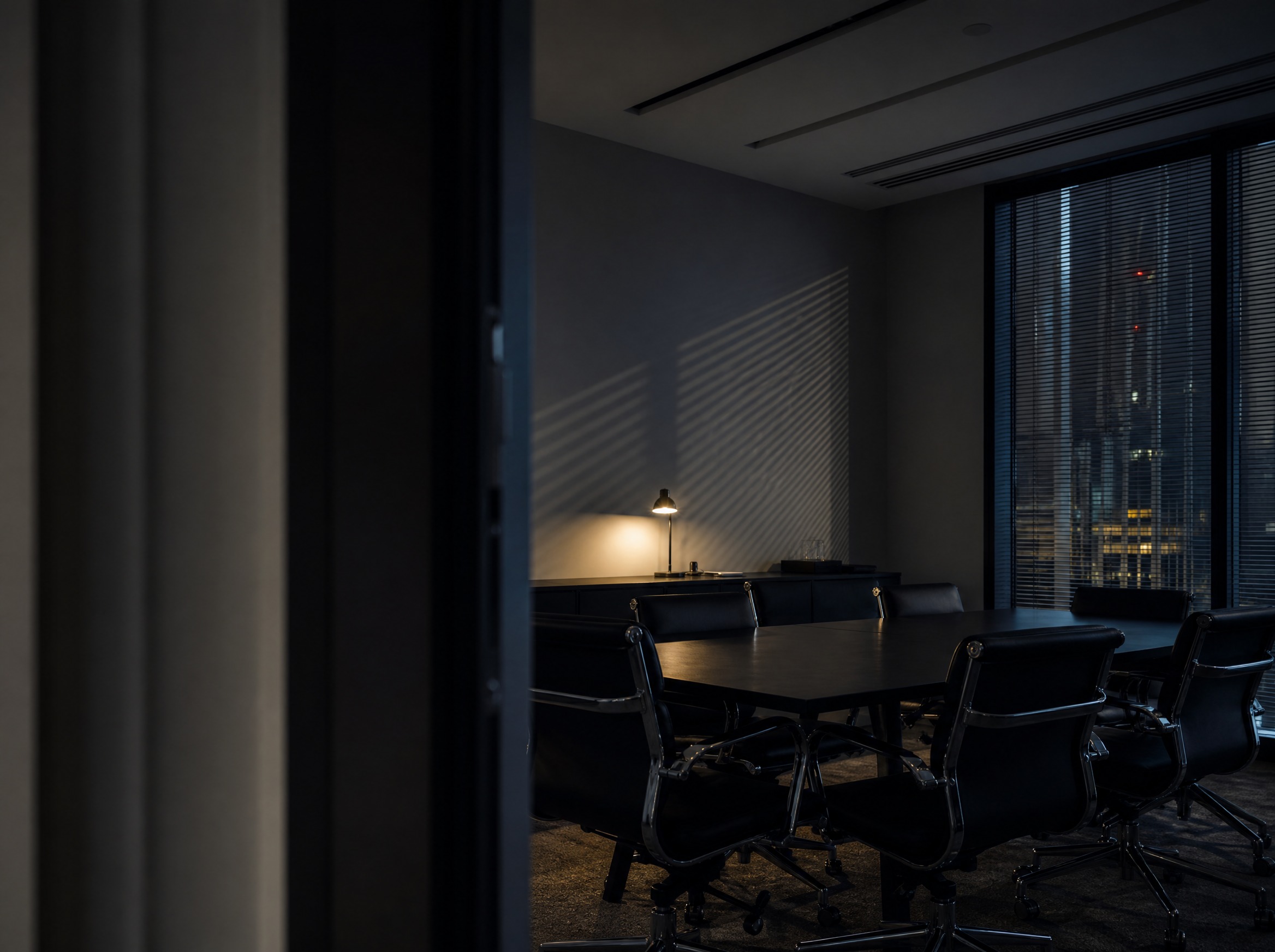
Mitigate
Threat and Risk MitigationStructured assessment that identifies where exposure exists and reduces it through proportionate, intelligence led measures across people, places and routine.
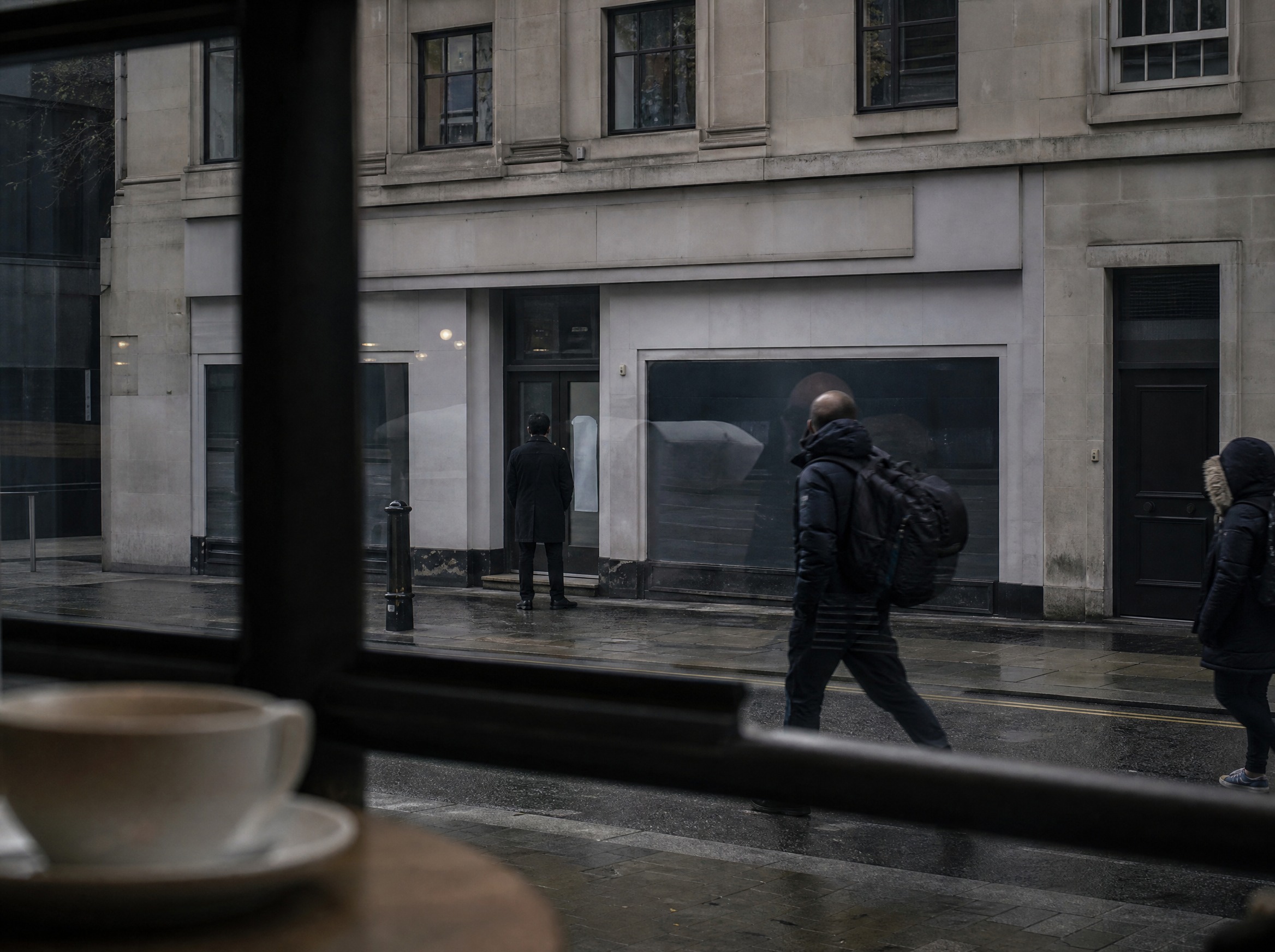
Detect
Surveillance DetectionSurveillance detection identifies hostile interest and emerging patterns of activity, providing early warning of potential threats before targeting progresses to action.
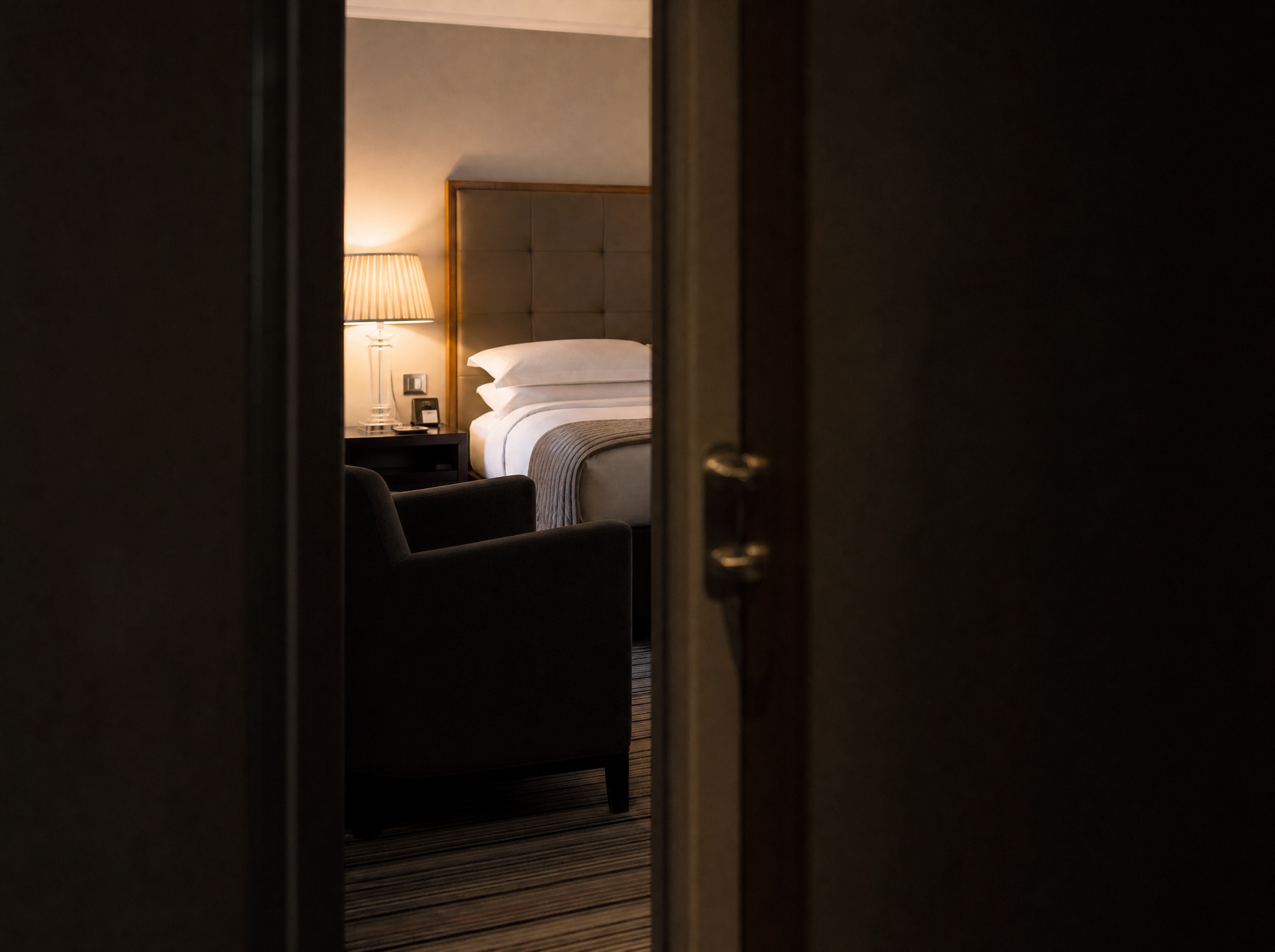
Sweep
Technical SurveillanceTechnical surveillance that detects covert devices, unauthorised transmissions and technical compromise across residences, offices and sensitive environments.

Secure
Security ChauffeuringSecure movement delivered through trained protective drivers, intelligence led route planning and continuous situational awareness.
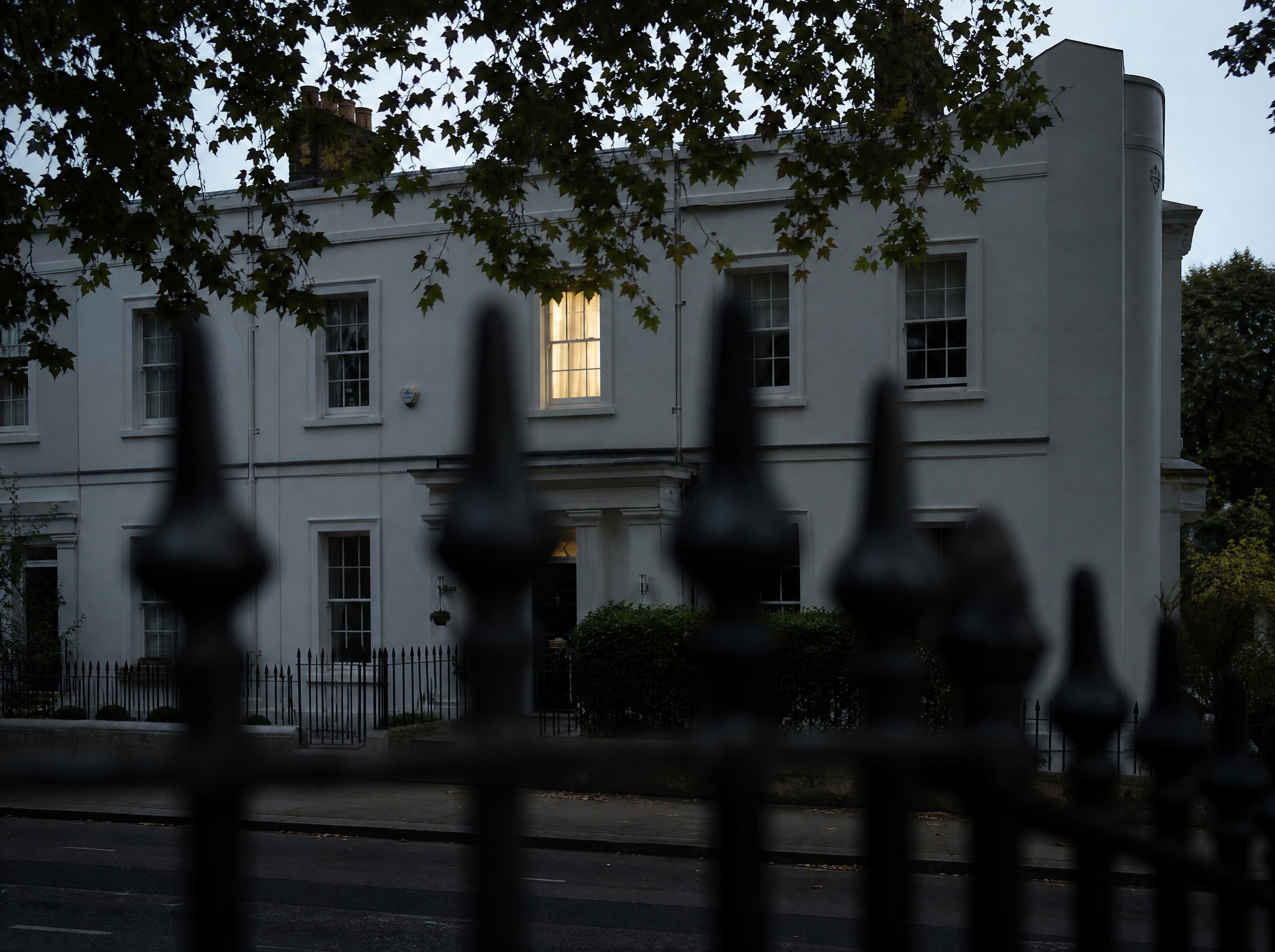
Fortify
Residential ProtectionResidential protection for private homes and estates, drawing on assessment, access control and continuity to protect principals and families at home.

Respond
Close Proximity ResponseA discreet, client carried alert and live location capability that lets a protective team maintain proximity and respond immediately, without an overt security presence.