
Residential protection in Holland Park for international families, planned around grand villas, long perimeters and a district of concentrated value.
Holland Park sits in prime west London between Notting Hill and Kensington High Street, within the Royal Borough. Grand Victorian villas line Addison Road, Holland Villas Road and Ilchester Place, among the most valuable residential addresses in the country, and several embassies stand nearby. The park itself gives the district a green and enclosed centre.
The distinguishing feature here is concentration. A short run of streets holds an extraordinary density of value, and that density is well documented. Property records, press coverage of sales and the general visibility of the addresses mean the district is understood, from outside, as a place where a great deal is kept. The exposure attaches to the street as much as to any individual house.
The villas themselves present long perimeters, deep gardens, coach houses, basement developments and service entrances, frequently with construction under way somewhere on the road. Residents are predominantly international and ultra high net worth, and many households are occupied for part of the year, with staff, security systems and maintenance running in the owners' absence.
Proximity to the park adds an open, publicly accessible boundary along part of the district, and the embassies bring their own profile and their own periodic disruption to streets that private households share.
The area is small enough that a single street can carry the whole requirement, and how we work across Holland Park sets out the range.
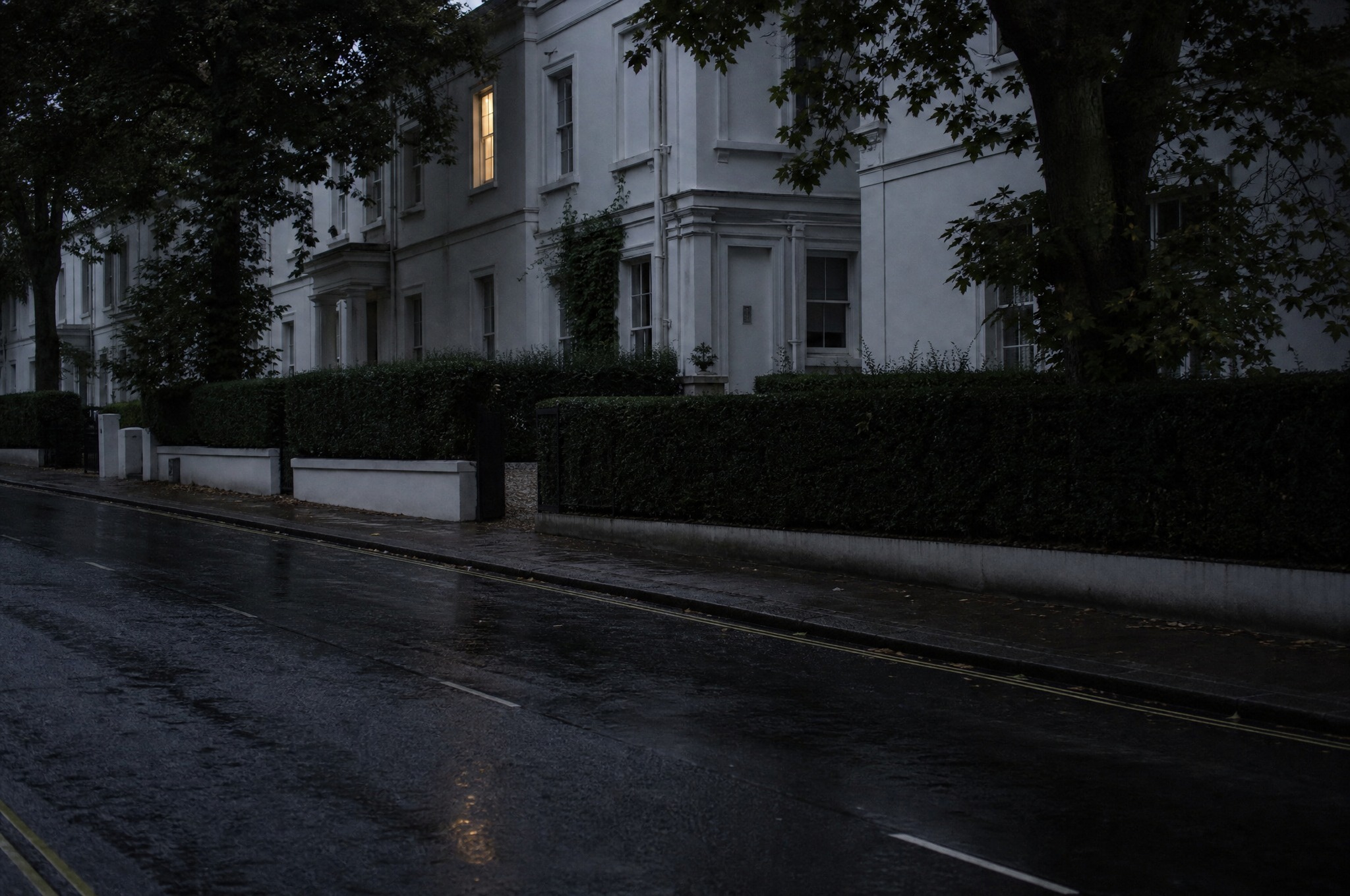
Because the concentration of value is public knowledge, residential protection in Holland Park is designed on the assumption that the address is already of interest and that the useful variable is how hard it is to act on that interest. The survey covers the full perimeter including the garden boundary and any shared or party access, ranks the entrances by real use rather than intended use, and pays particular attention to basements, coach houses and any part of the property under construction.
Building work is treated as a live exposure rather than an inconvenience. A villa with contractors on site has an enlarged and rotating circle of access, temporary openings in its boundary, and a legitimate reason for unfamiliar vehicles to be present for months. We plan around that explicitly, including how contractor access is controlled and what happens to it at the end of each working day.
For part year households, the unoccupied period is the core of the engagement rather than an afterthought. We look at how the property presents when empty, how staff attendance patterns signal occupation, how deliveries and post are handled, and how an arrival is managed so that a return is not announced in advance.
Measures are specified to be unobtrusive. On streets of this standing, an address that visibly hardens itself distinguishes itself from its neighbours, which is rarely the intention.
This is residential protection applied to terraces and communal gardens rather than to grounds, which changes access control more than it changes assessment.
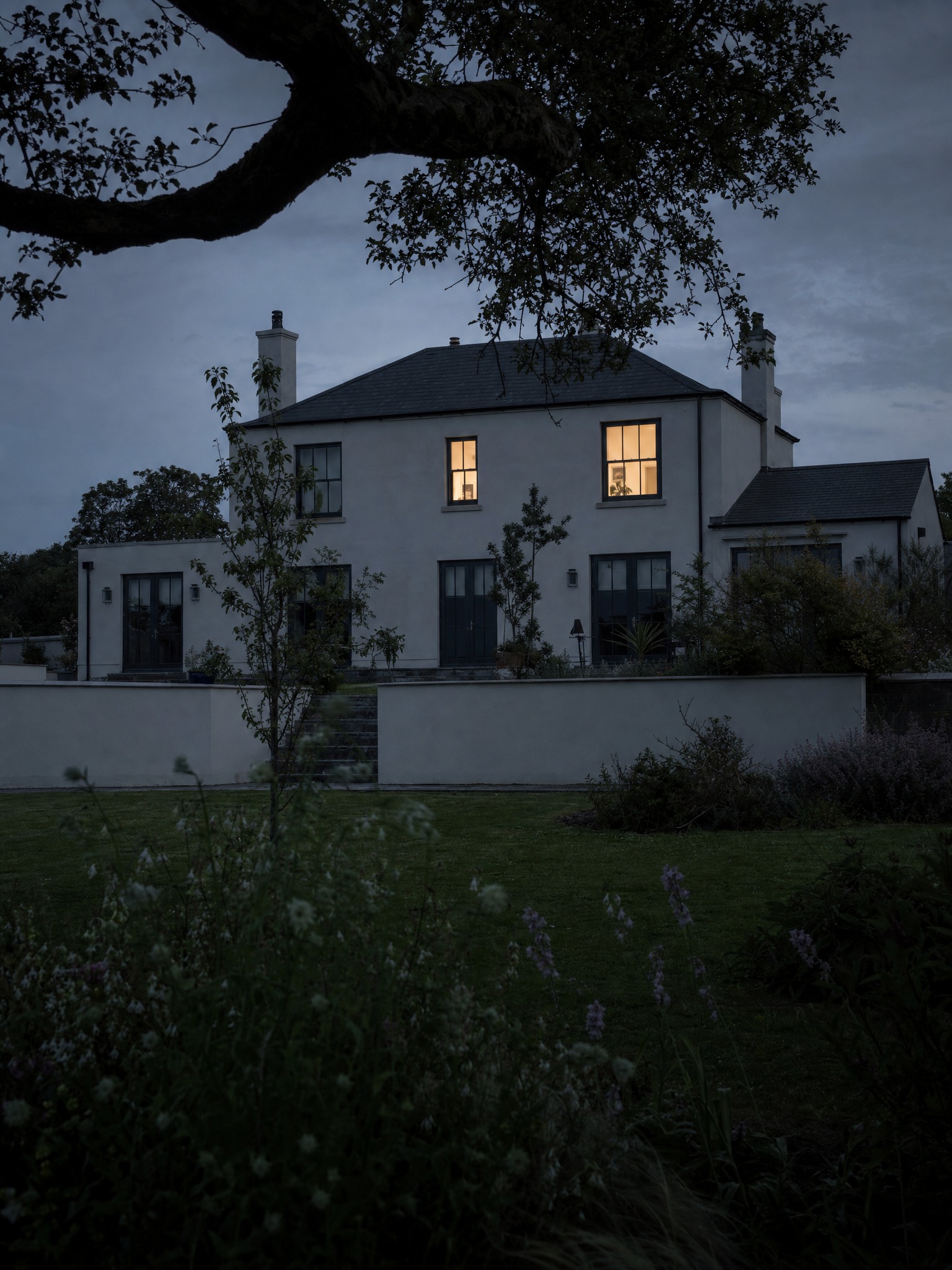
The survey covers the full perimeter, and on these villas that is a longer and more varied line than the frontage suggests. Deep rear gardens, party boundaries with neighbouring properties, coach houses, mews access and basement developments all form part of it, and several of them are outside the household's daily attention.
Construction is assessed as a live condition rather than a temporary inconvenience. Where work is under way on the property or on an adjoining one, we record who is on site, how they are admitted, what temporary openings exist in the boundary, what happens to those openings at the end of each working day, and how long the arrangement is expected to run. Basement works in particular create months of legitimate access, heavy vehicle movement and open ground.
The access circle is documented as elsewhere, with particular attention to the staff who remain in post while the family is abroad, since they are the household's presence at the address for much of the year.
Finally we establish what is publicly discoverable about the property. On these roads a good deal is: sale prices, planning applications, architectural coverage and press interest in previous or current owners.
Shared walls and communal services raise questions that assessment alone does not settle, and a technical surveillance inspection is sometimes the only way to close them.
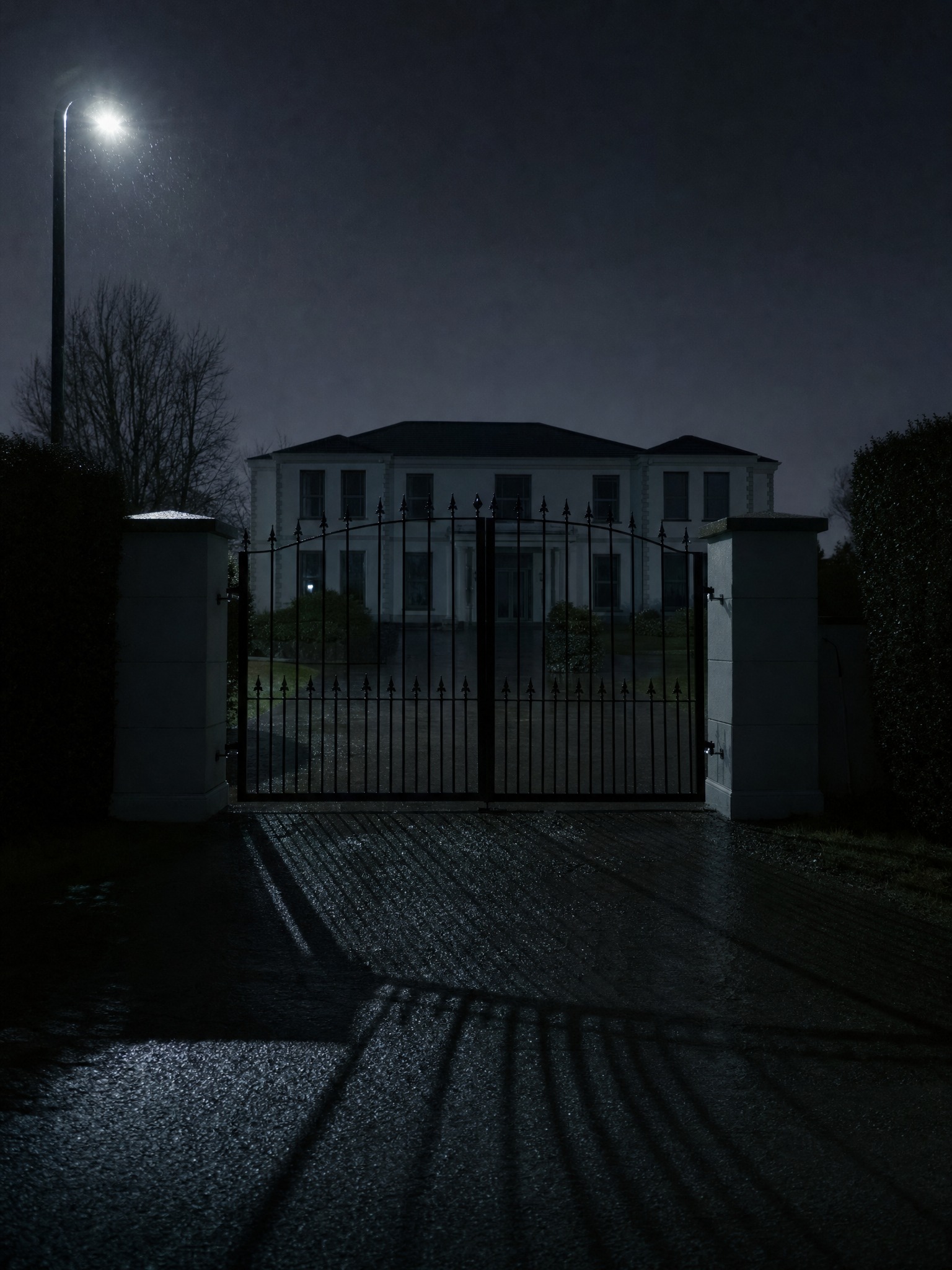
Occupancy is the dominant variable. Many households here are present for part of the year, and the property's state is legible from the street through lighting, staff attendance, deliveries and the condition of the frontage. The transitions matter more than the periods themselves: an arrival that has been arranged weeks in advance through agents, staff and service providers is known to a wide circle before the family lands.
Construction seasons overlay this. Planning cycles and contractor availability mean works cluster, and a road with three basement projects running has a materially different character to the same road eighteen months earlier.
The embassies nearby bring periodic protest and policing on dates driven by international events rather than anything local. Private households on the same streets are affected by the disruption without being the subject of it.
Where a family's absence is known to be lengthy, we would rather adjust the arrangement for that period than maintain a single posture year round, which is both less effective and more expensive than it needs to be.
Households comparing a town address with a northern one will find residential protection in Hampstead covers the same questions on very different ground.

Protect
Executive ProtectionDiscreet, intelligence led executive protection for private clients, principals and families, designed to reduce exposure and preserve freedom of movement without unnecessary visible presence.
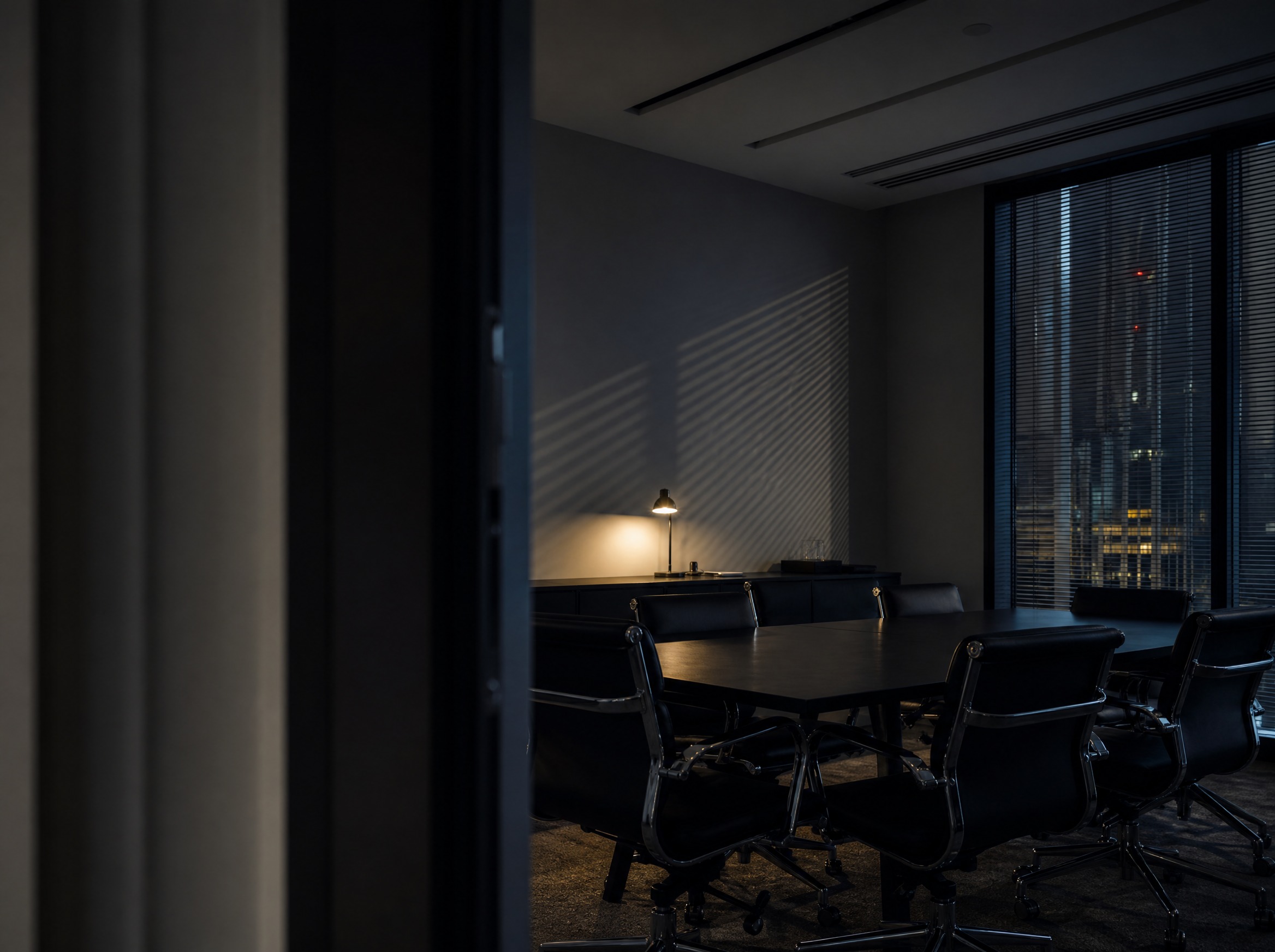
Mitigate
Threat and Risk MitigationStructured assessment that identifies where exposure exists and reduces it through proportionate, intelligence led measures across people, places and routine.

Detect
Surveillance DetectionSurveillance detection identifies hostile interest and emerging patterns of activity, providing early warning of potential threats before targeting progresses to action.
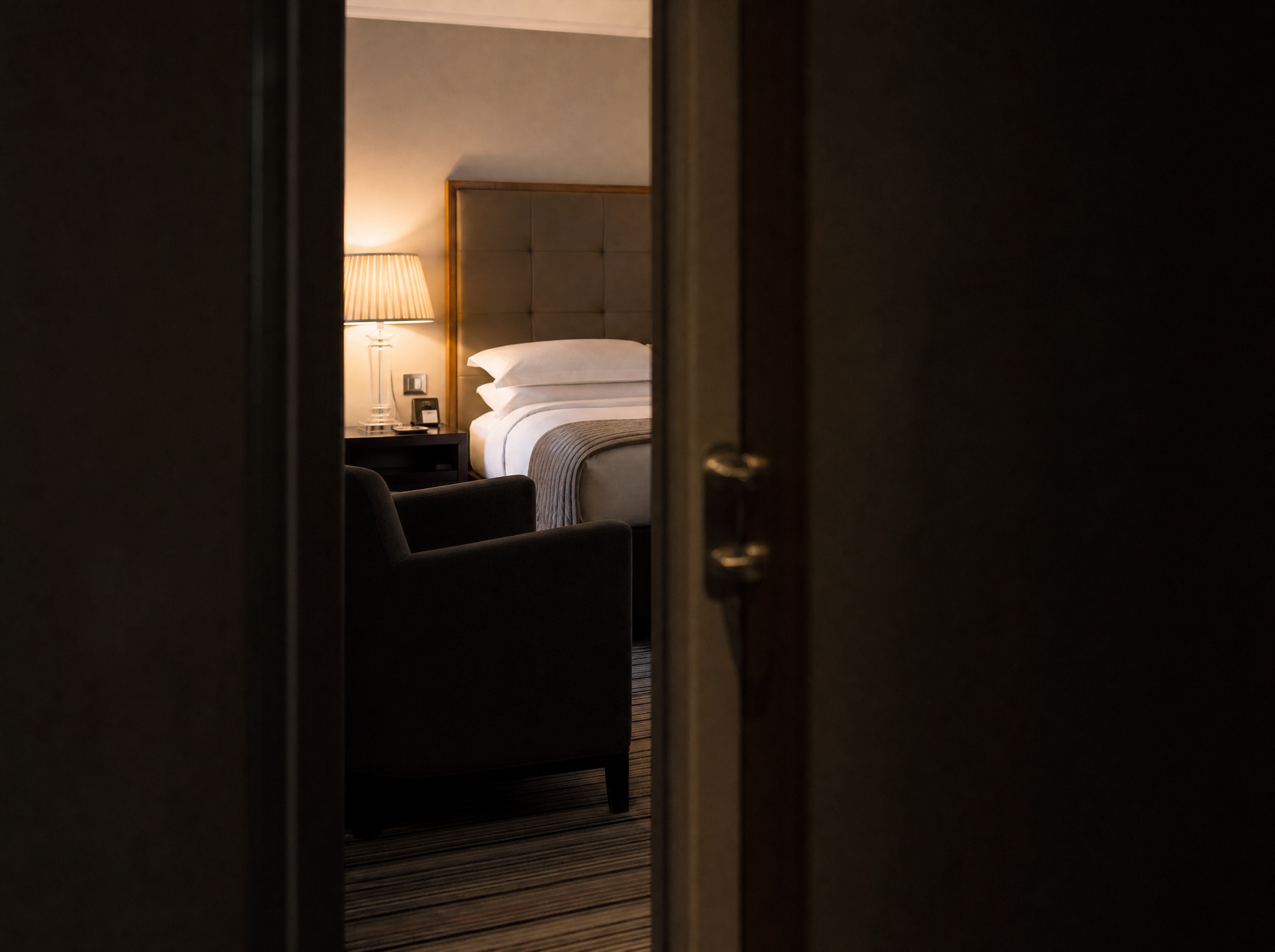
Sweep
Technical SurveillanceTechnical surveillance that detects covert devices, unauthorised transmissions and technical compromise across residences, offices and sensitive environments.

Secure
Security ChauffeuringSecure movement delivered through trained protective drivers, intelligence led route planning and continuous situational awareness.
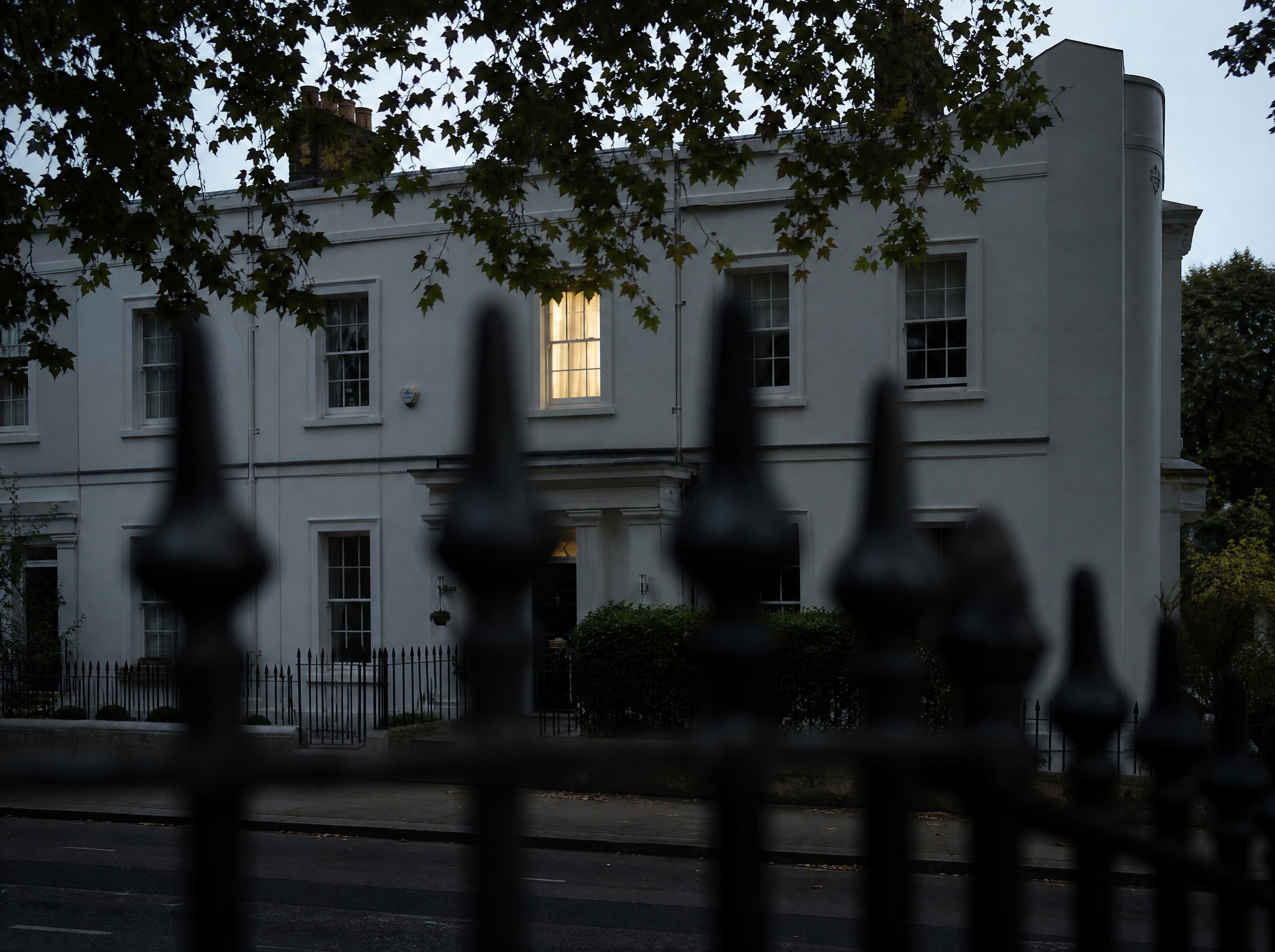
Fortify
Residential ProtectionResidential protection for private homes and estates, drawing on assessment, access control and continuity to protect principals and families at home.

Respond
Close Proximity ResponseA discreet, client carried alert and live location capability that lets a protective team maintain proximity and respond immediately, without an overt security presence.