
Discreet executive protection in Knightsbridge for residents and visiting principals, planned around open affluence, heavy footfall and short, highly visible journeys.
Knightsbridge presents a different problem to the districts around it. Where Belgravia is quiet and residential, Knightsbridge is public. Harrods and the Sloane Street houses draw sustained crowds through a small area, the hotels host visiting principals for concentrated periods, and the landmark residences place substantial private wealth directly onto a busy and heavily photographed street frontage.
The consequence is that exposure here is largely open. Affluence is on display by design. Purchases move through public entrances, valuables are carried between shops and vehicles, and the forecourts of the hotels are among the most watched thirty metres of pavement in London. A principal arriving at a retail entrance in Knightsbridge is visible to several hundred people, a proportion of whom are filming something.
Visiting principals raise a second issue. Many are in the district for a defined period on a full itinerary of retail, dining and appointments, often booked in advance and known to several parties before the principal arrives. Concentrated visits generate a concentrated schedule, and a schedule that exists in other people's systems is not private. That combination, high value in public, on a known timetable, in a confined area, is what protection in Knightsbridge is built around.
Residential and technical requirements arise here as often as protective ones, and how we work across Knightsbridge covers the wider picture.
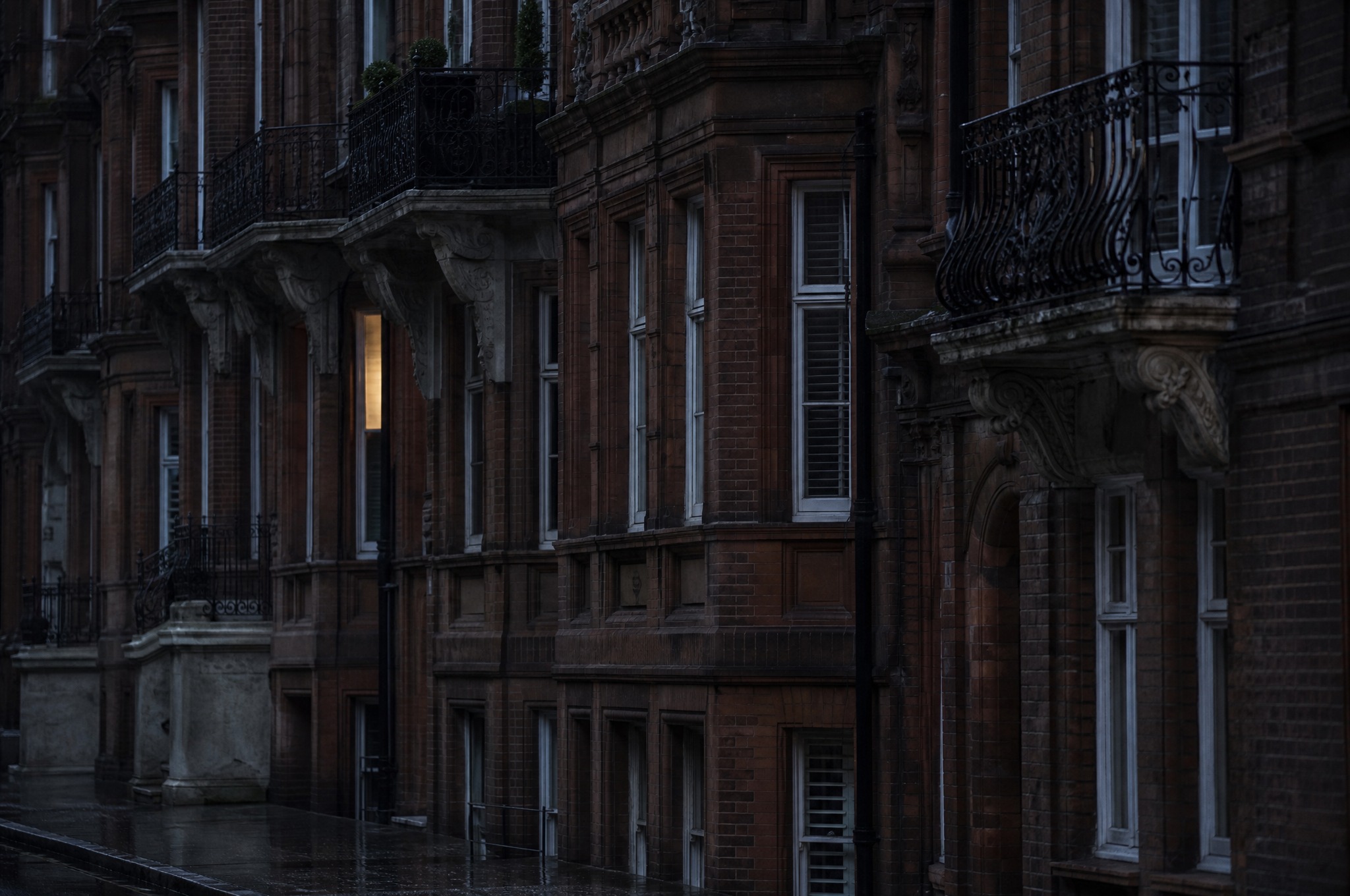
The work in Knightsbridge is largely a matter of controlling arrival and departure. These are the moments at which a principal is stationary, identifiable and closest to the crowd, and they account for most of the exposure across a typical day. We plan them individually: which entrance, at what time, with the vehicle held where, and with what alternative if the intended approach is obstructed on the day.
Advance work carries more weight here than coverage on the ground. A venue read an hour before a principal arrives tells you what a plan made a week earlier cannot: where the crowd has settled, which entrance is being watched by press, whether a delivery has blocked the service approach, and how long the principal will actually stand still. That reconnaissance is what allows a team to remain small and quiet.
For visiting principals we treat the itinerary itself as the first vulnerability. Who holds it, how many copies exist, which of the bookings carry the principal's real name and which do not are all questions asked before any protective posture is set. Reducing what is known in advance usually does more than adding officers to the ground.
Where retail is a feature of the visit, the movement of high value items is planned separately from the movement of the principal. The two should not share a vehicle, a route or a moment of exposure.
The method is the one described under executive protection generally; the variable in Knightsbridge is the density of the ground and the number of people already on it.
For a resident the assessment follows the pattern used elsewhere in prime central London. For a visiting principal, which is the larger part of the work here, it starts with the itinerary and the number of people who already hold it.
A concentrated visit typically involves a hotel, a private office, several retail appointments, restaurant bookings, a driver, and often an agent or manager coordinating between them. Each of those holds some portion of the schedule, most of them by email, and several under the principal's real name. We establish how many copies exist, which bookings carry identifying detail, and which could be made differently without inconvenience. Reducing that circle is usually the single largest available improvement and it costs nothing.
The physical work covers each venue on the itinerary in turn: where a vehicle can stop, how far the principal will be exposed on foot, which entrance is watched, and what the alternative is if the primary approach is blocked. Hotel forecourts and retail frontages are examined at the hour the principal will actually use them, since the picture at ten in the morning bears little relation to five in the afternoon.
Where high value items form part of the visit, their movement is assessed as a separate problem with its own route, vehicle and timing.
Proximity without visible presence is a common finding on this ground, and close proximity response is how it is delivered.
Knightsbridge has a pronounced visiting season. Arrivals from the Gulf concentrate from late spring through the summer, and the district's population, traffic and observation all rise with them. For principals present in that window, anonymity is harder to hold and the pavements around the landmark retail addresses are at their most congested and most photographed.
The sales periods in winter and summer produce a similar effect over shorter stretches, as does the run up to Christmas, when the lights draw sustained crowds and standing photography to a small number of junctions.
Within a single visit, exposure rises at the predictable points: the first arrival at the hotel, any appointment that has been publicised, and the departure, which is frequently the least planned movement of the trip and the one most likely to be observed. Where a visit has been arranged some weeks in advance, we treat the days either side of arrival as part of the engagement rather than the visit alone.
Coverage is scaled to those periods. A principal who is in the district for four days on a full itinerary requires a different arrangement to one making a single appointment.
Belgravia sits a few streets south and produces a quieter version of the same exposure, set out under executive protection in Belgravia.
Principals whose day runs between the two districts are covered once rather than twice, and executive protection in Mayfair accounts for the other half of that pattern.
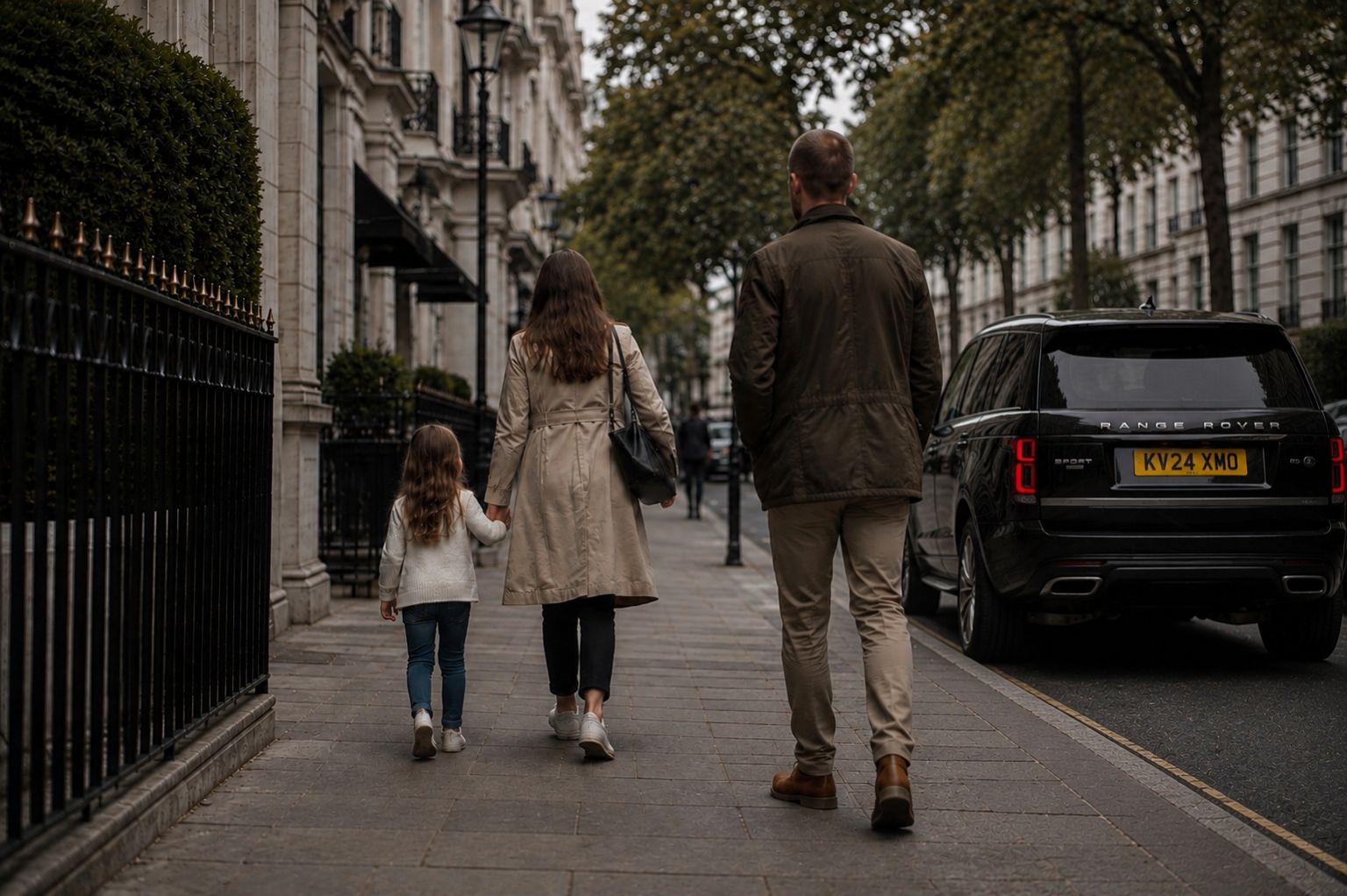
Protect
Executive ProtectionDiscreet, intelligence led executive protection for private clients, principals and families, designed to reduce exposure and preserve freedom of movement without unnecessary visible presence.
Mitigate
Threat and Risk MitigationStructured assessment that identifies where exposure exists and reduces it through proportionate, intelligence led measures across people, places and routine.
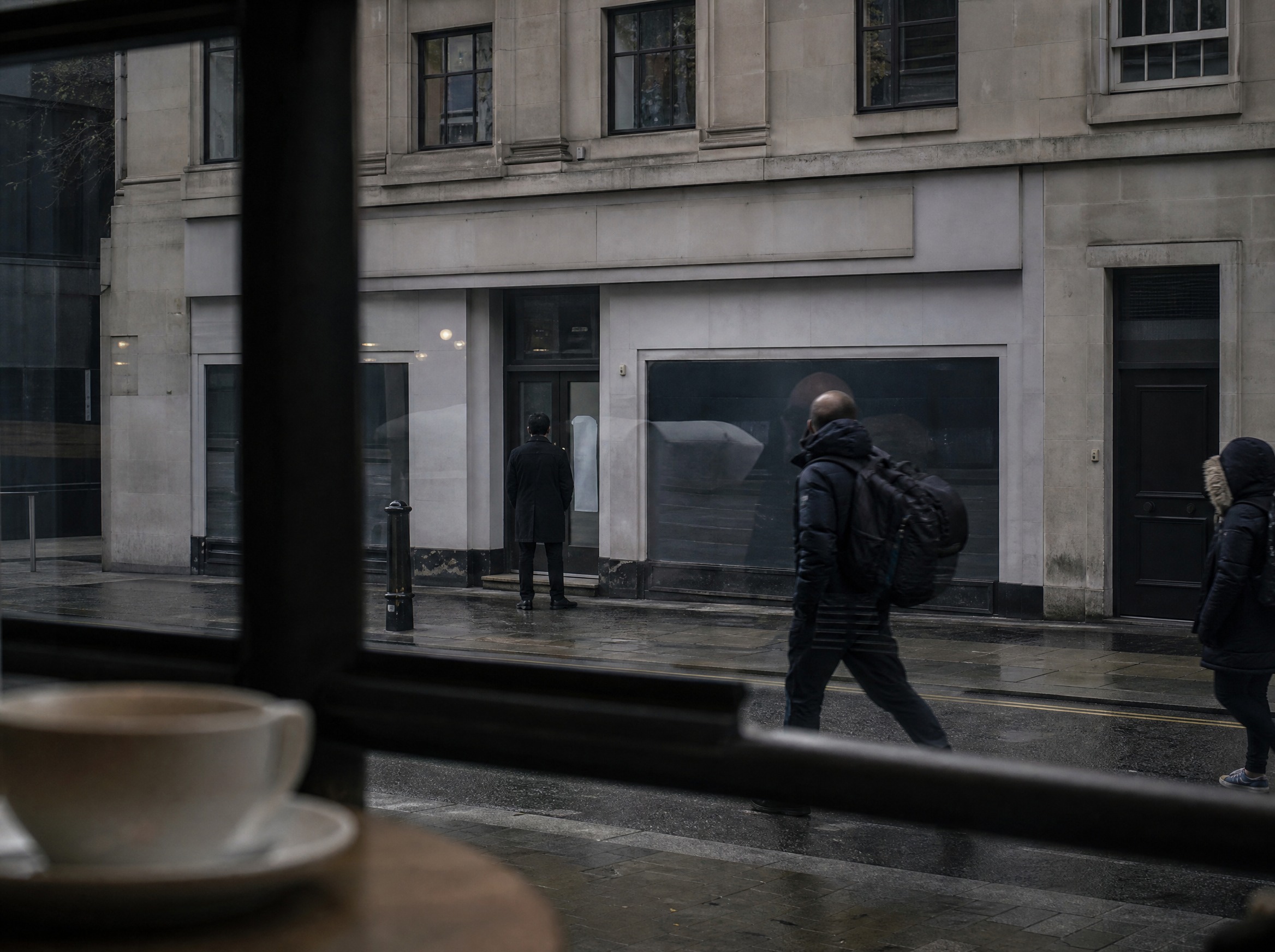
Detect
Surveillance DetectionSurveillance detection identifies hostile interest and emerging patterns of activity, providing early warning of potential threats before targeting progresses to action.
Sweep
Technical SurveillanceTechnical surveillance that detects covert devices, unauthorised transmissions and technical compromise across residences, offices and sensitive environments.
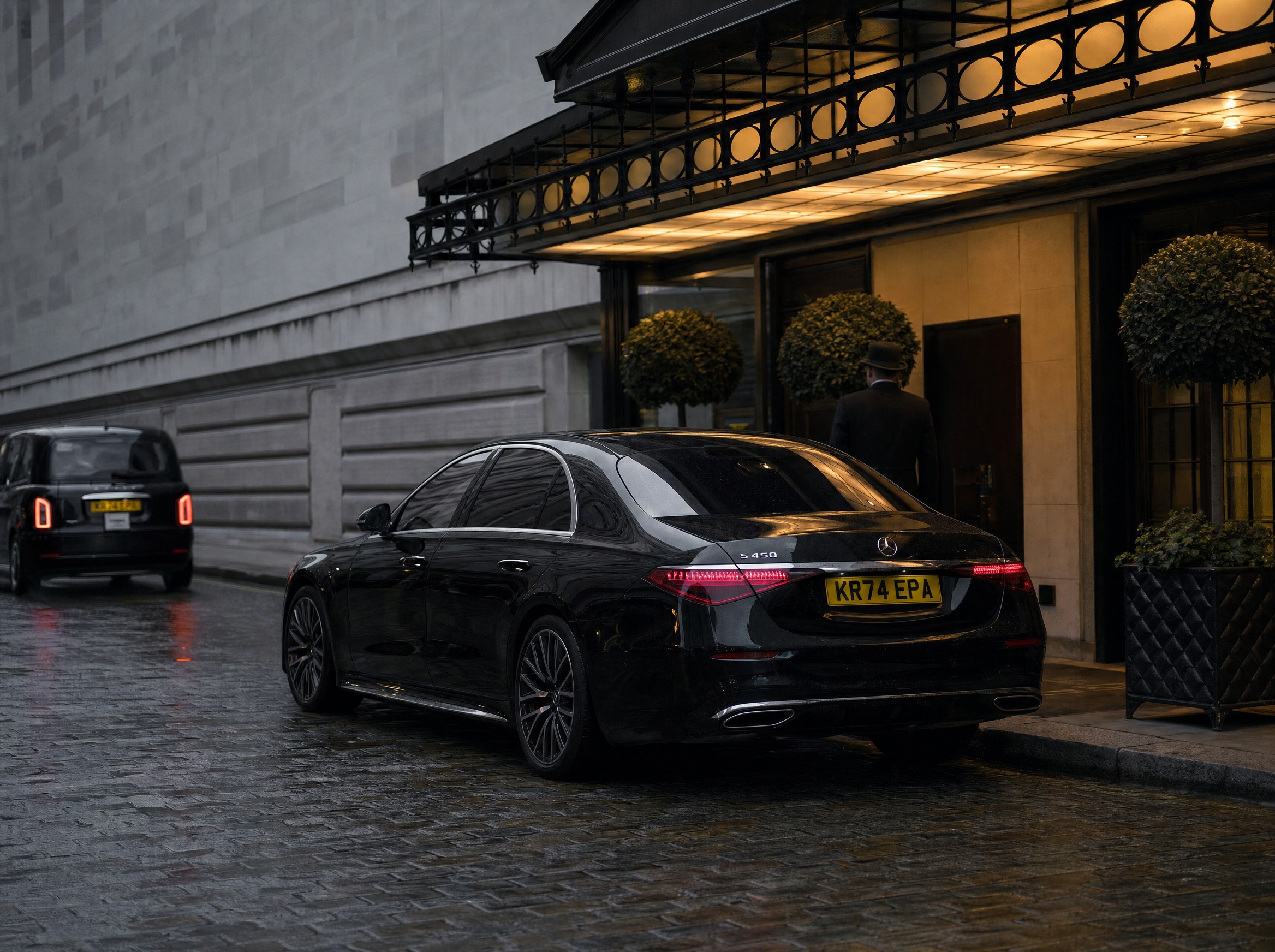
Secure
Security ChauffeuringSecure movement delivered through trained protective drivers, intelligence led route planning and continuous situational awareness.
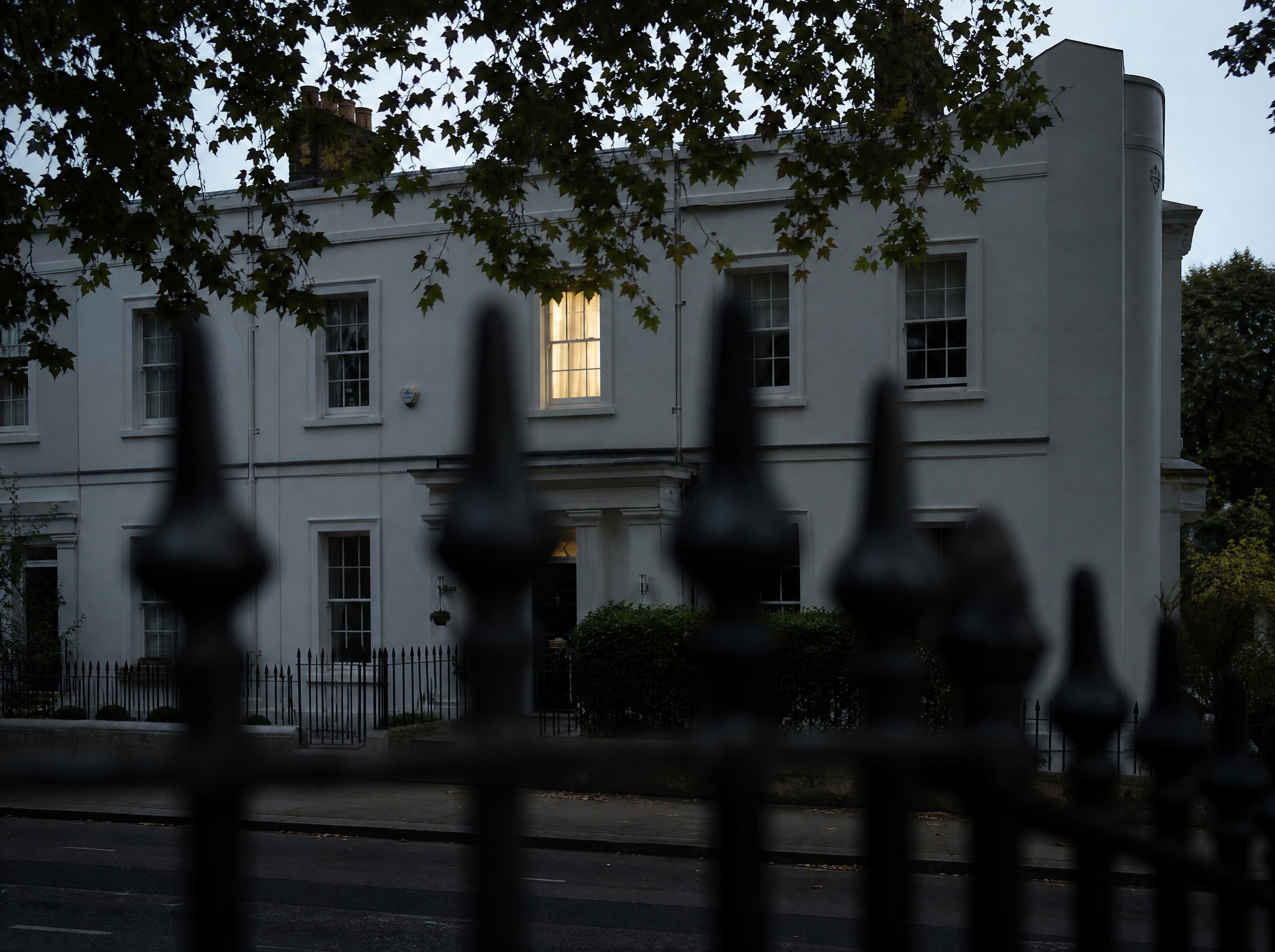
Fortify
Residential ProtectionResidential protection for private homes and estates, drawing on assessment, access control and continuity to protect principals and families at home.
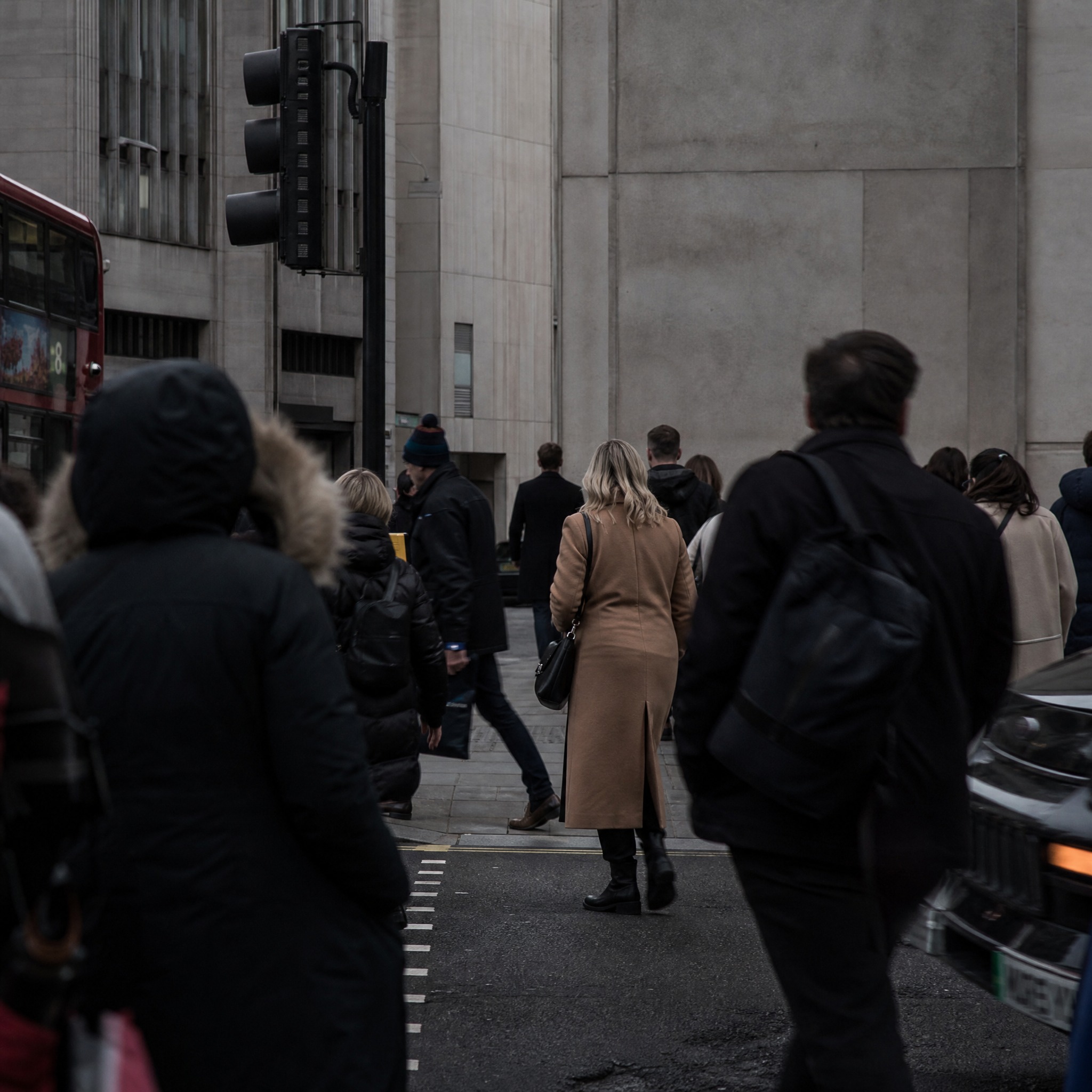
Respond
Close Proximity ResponseA discreet, client carried alert and live location capability that lets a protective team maintain proximity and respond immediately, without an overt security presence.