
Discreet executive protection in Belgravia for private and diplomatic households, planned around a quiet district in which any presence is conspicuous.
Belgravia holds one of the highest concentrations of embassies and diplomatic residences in London, laid out in white stucco terraces around Belgrave Square and Eaton Square. It is among the quietest districts in the centre of the city, and that quiet is the defining feature of the protective picture rather than an incidental one.
On a busy street, movement is anonymous. On a low traffic square where the same twenty households come and go each day, it is not. Arrivals and departures are legible from a parked car or an upper window. A driver waiting at the kerb, a vehicle circling the square, a person who does not live there standing at the railings, all of these are visible in Belgravia in a way they simply are not four hundred metres north on Knightsbridge. This works in both directions: hostile observation is easier to see here, and so is protection.
Diplomatic addresses add a further layer. They carry their own standing profile, their own protest risk and their own routine surveillance, none of which is directed at the private households nearby but all of which is present on the same streets. A private principal in Belgravia lives inside somebody else's security picture as well as their own.
Exposure here therefore gathers at the residence and around the daily pattern attached to it, rather than in public settings.
Diplomatic and residential requirements sit alongside protective ones here, and our work across Belgravia describes how they are handled together.
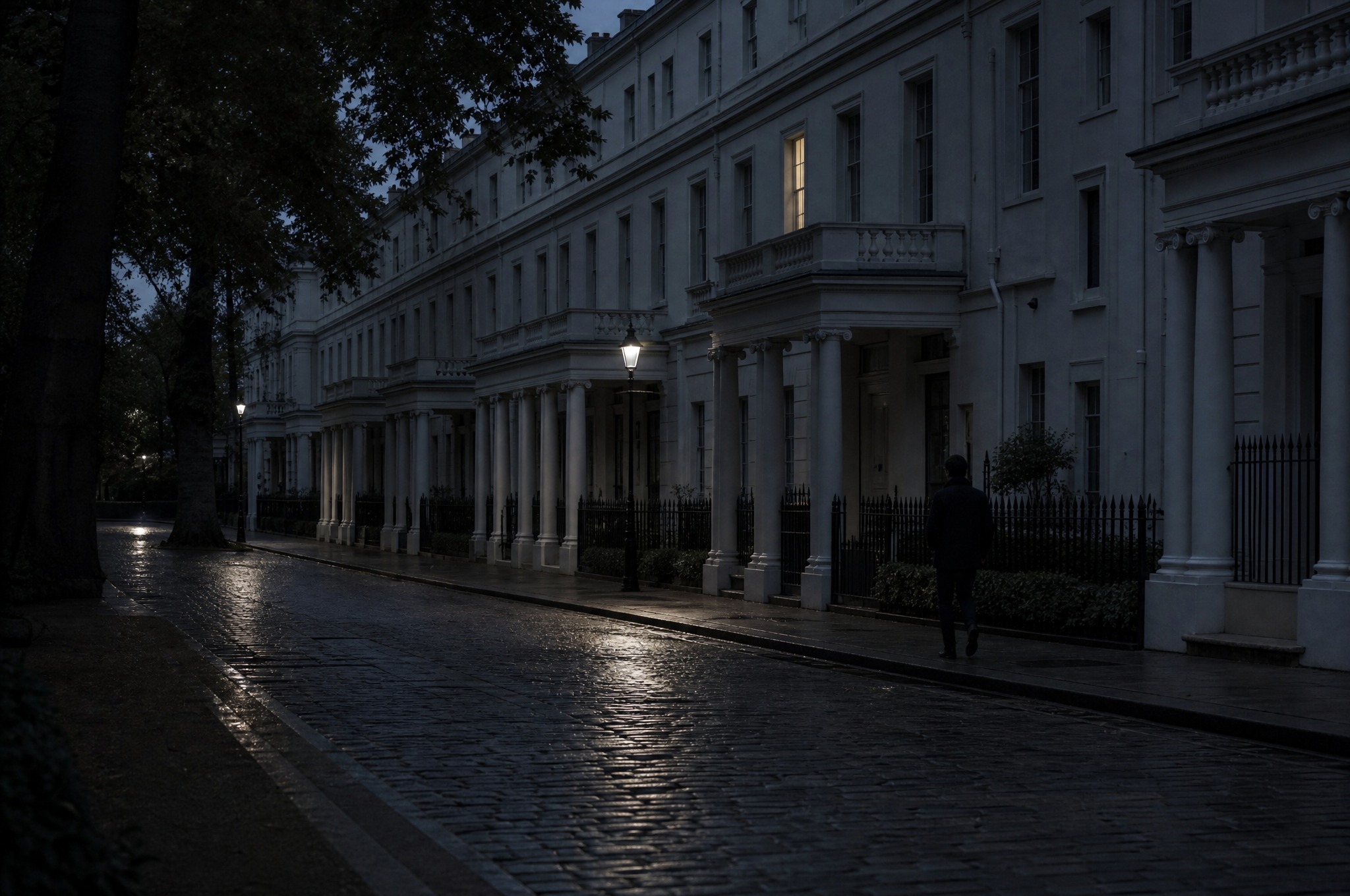
The first constraint in Belgravia is that a visible protective posture defeats itself. A district this quiet notices presence, and a household that acquires an obvious security profile has told the street something it did not previously know. Coverage is therefore built to be indistinguishable from ordinary movement: officers who arrive and depart as household staff would, vehicles that hold at a distance rather than at the door, and a footprint that does not change the appearance of the address.
Because the exposure is residential, the assessment starts at the property line. We look at how the household actually functions across a week, who has access and on what basis, how deliveries and contractors are handled, where the sightlines onto the entrance run from, and which parts of the daily routine are fixed by school, office or obligation and which are simply habit. Habit is where most of the available reduction sits.
Diplomatic proximity is planned for explicitly. Where a household sits near an embassy we establish what that address's own risk calendar looks like, since protest and heightened policing on a neighbouring square change how a principal should arrive and depart on a given day, without any change to their own circumstances.
Reporting is kept to those who need it. In a district where households are known to one another, discretion about the fact of an engagement matters as much as discretion within it.
Planning follows the same sequence as any executive protection engagement, with the difference that Belgravia rewards restraint more than most districts.
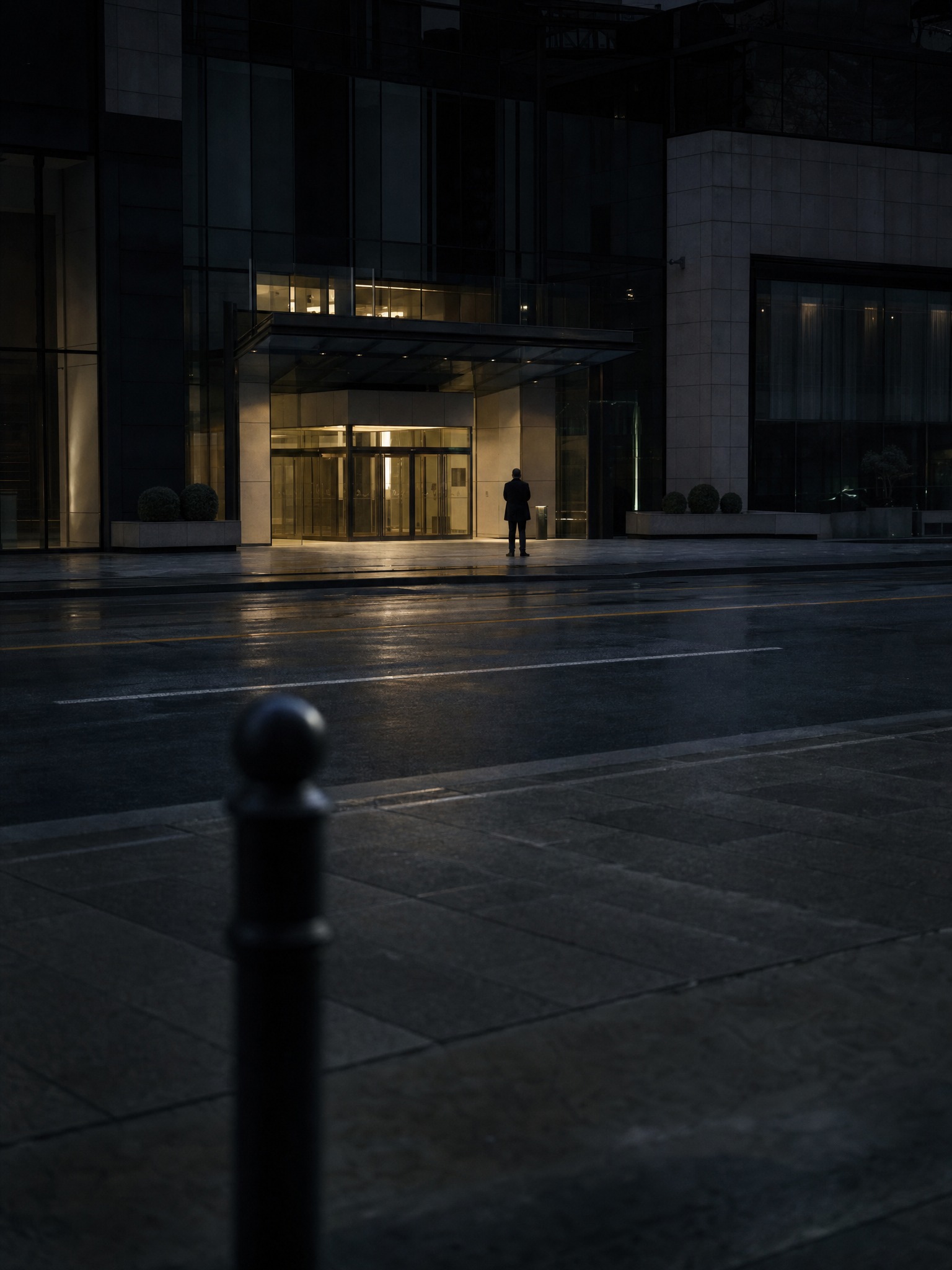
The assessment starts at the property line and works outward. We walk the frontage and establish which windows, doorways and parked positions give a view of the entrance, how long a vehicle can wait on the square without being remarked upon, and where the natural observation points are. In a district this quiet those positions are few and identifiable, which is an advantage.
Inside the property line, the work is about the household rather than the building. We document who has access on a normal week, how each of them is admitted, who holds keys, codes and remote entry, and what happens to that access when somebody leaves. Deliveries and contractors are examined separately, since they are the most frequent unscheduled admissions and the least controlled.
The daily routine is then separated into what is fixed and what is habit. School hours, an office start, a standing medical appointment are fixed. The route taken to reach them, the door used, the time the car is called and the day the household does its regular errands are not. Habit is where most of the available reduction sits, and identifying it requires observing the household rather than asking it.
Where a household sits close to a diplomatic address, that address's own risk calendar is obtained and factored in.
Much of what an assessment finds in Belgravia concerns the address rather than the journey, which is residential protection rather than close coverage.
Belgravia's own rhythm is steady. What varies is the diplomatic calendar attached to the squares, and it varies sharply.
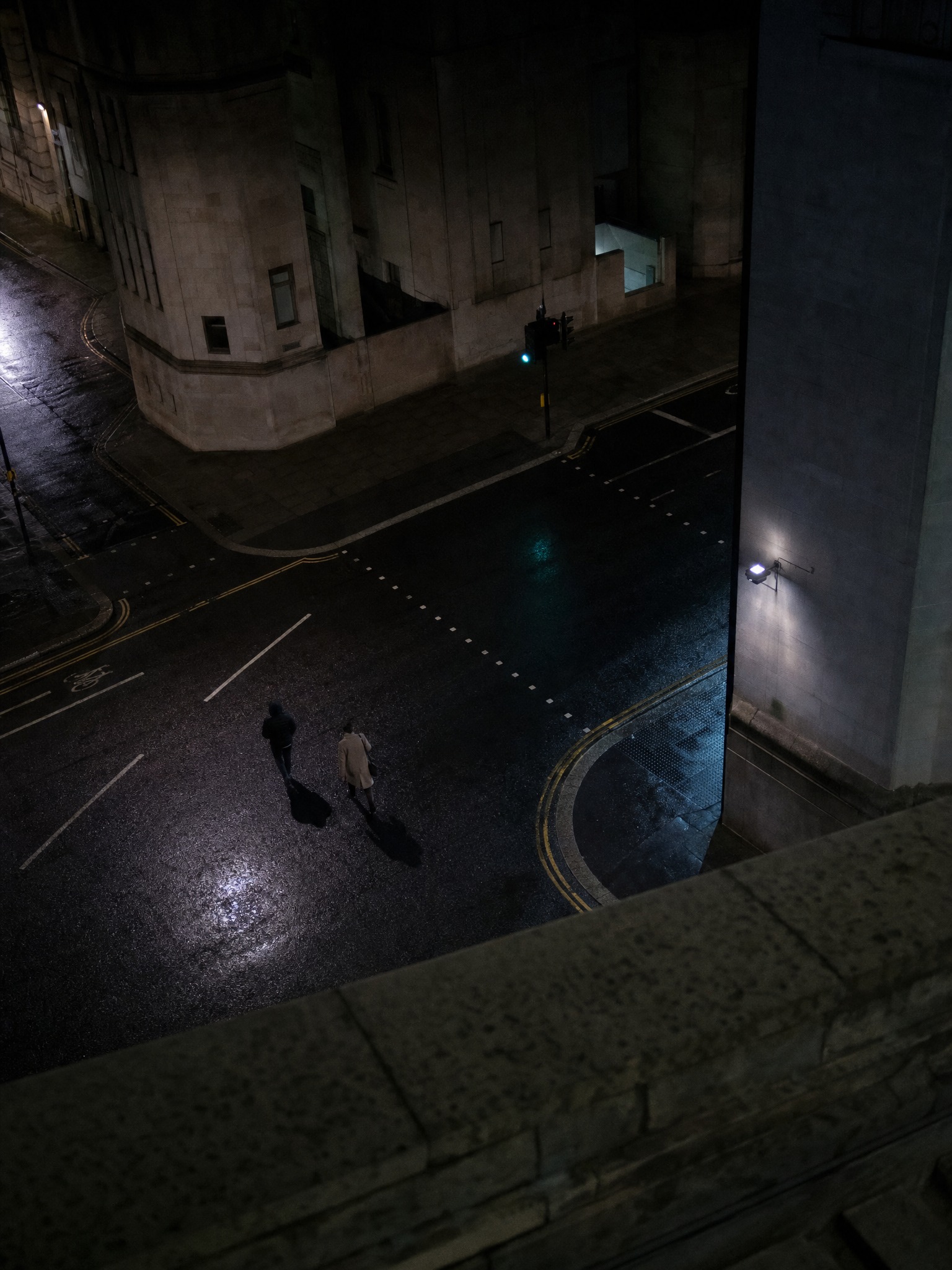
State visits, bilateral meetings, national days and periods of international tension all produce heightened activity around the embassies: additional policing, road closures, demonstrations and press. None of it is directed at the private households nearby, and all of it changes how those households should arrive and depart on the day. A principal who leaves at the usual hour into a closed street and a standing protest has become considerably more visible than they were the day before, for reasons entirely unconnected to them.
The residential calendar matters too. Households in this district are frequently absent for long stretches in summer and over Christmas, and an empty stucco terrace announces itself through unlit windows and an unchanged frontage. Where a household is away, the arrangements are altered rather than suspended.
We maintain the local picture as a standing item so that a household is told in advance when a neighbouring address is likely to raise the profile of the street, rather than discovering it at the door.
Movement north into Knightsbridge is routine for most principals based here, and executive protection in Knightsbridge covers that ground.
Principals who keep an office rather than a residence to the north are covered under executive protection in Mayfair.

Protect
Executive ProtectionDiscreet, intelligence led executive protection for private clients, principals and families, designed to reduce exposure and preserve freedom of movement without unnecessary visible presence.
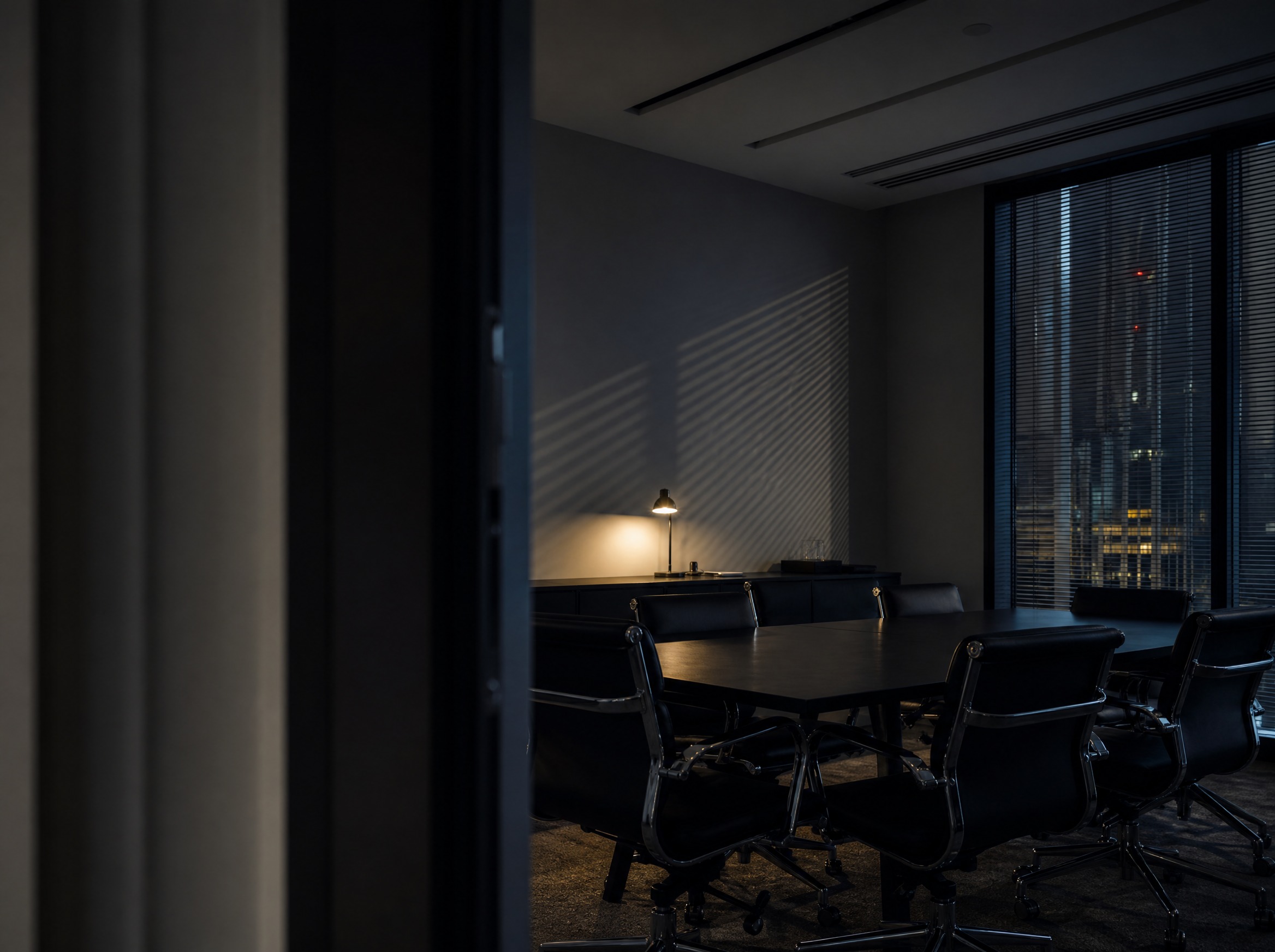
Mitigate
Threat and Risk MitigationStructured assessment that identifies where exposure exists and reduces it through proportionate, intelligence led measures across people, places and routine.
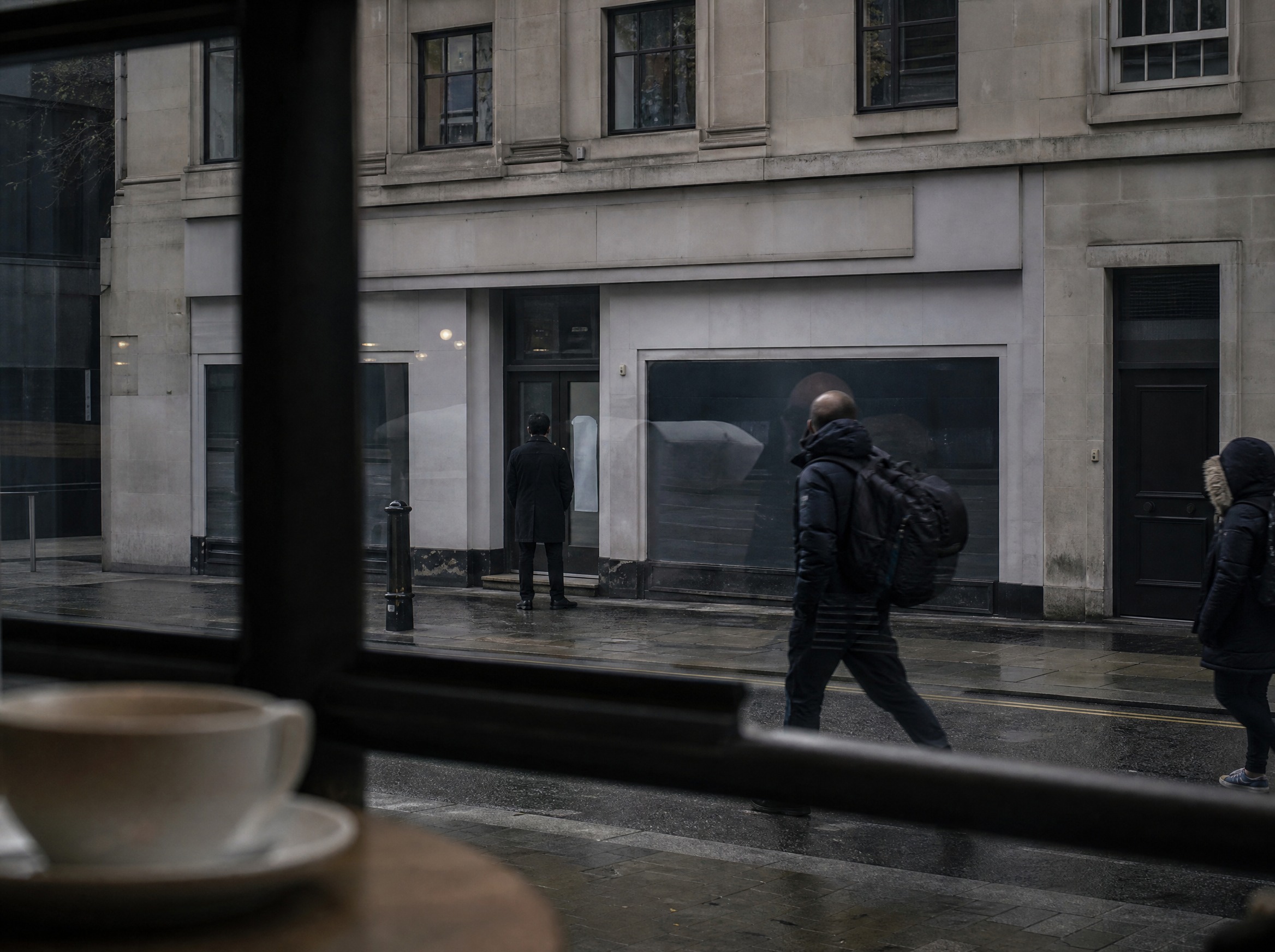
Detect
Surveillance DetectionSurveillance detection identifies hostile interest and emerging patterns of activity, providing early warning of potential threats before targeting progresses to action.
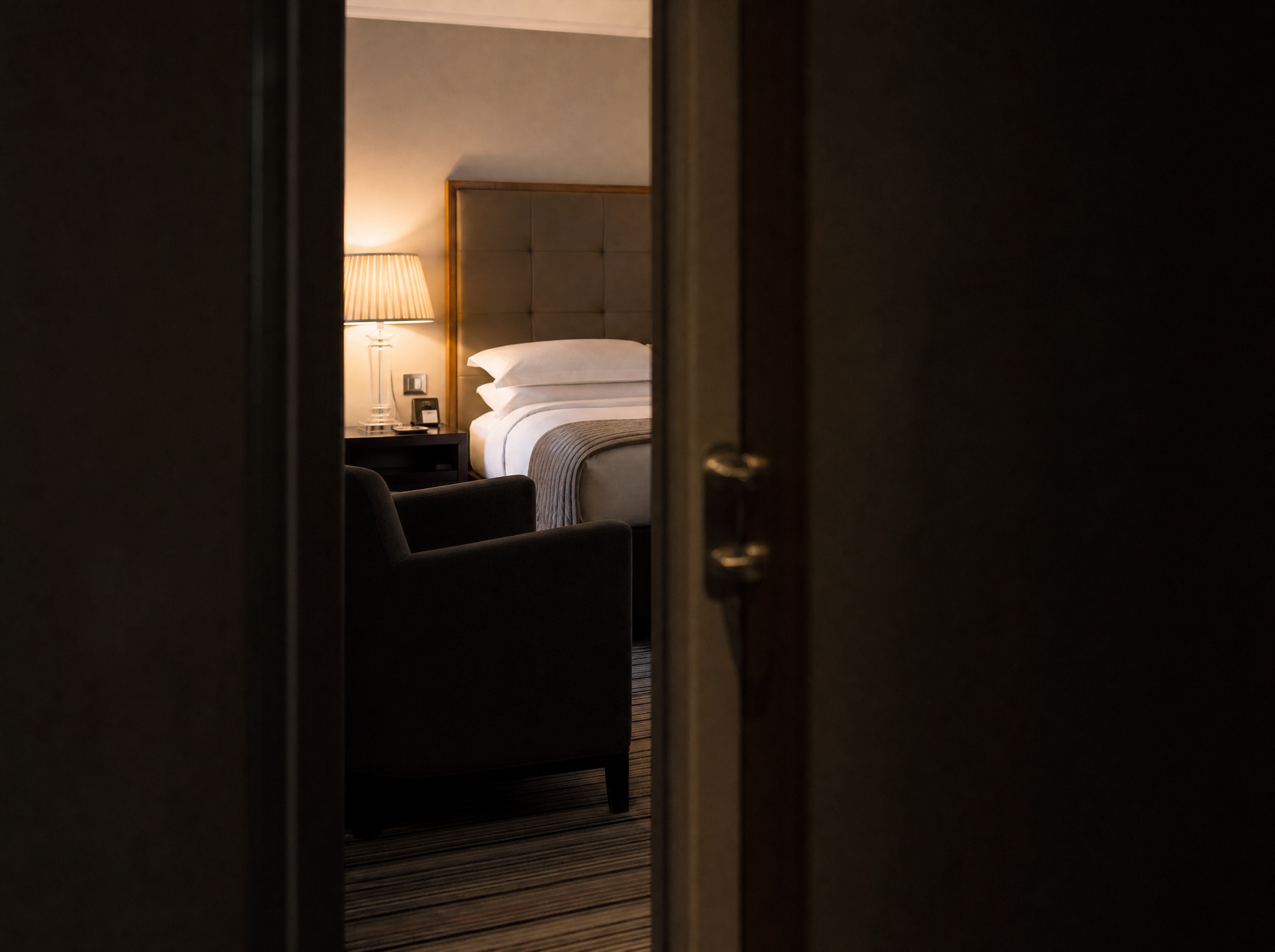
Sweep
Technical SurveillanceTechnical surveillance that detects covert devices, unauthorised transmissions and technical compromise across residences, offices and sensitive environments.

Secure
Security ChauffeuringSecure movement delivered through trained protective drivers, intelligence led route planning and continuous situational awareness.
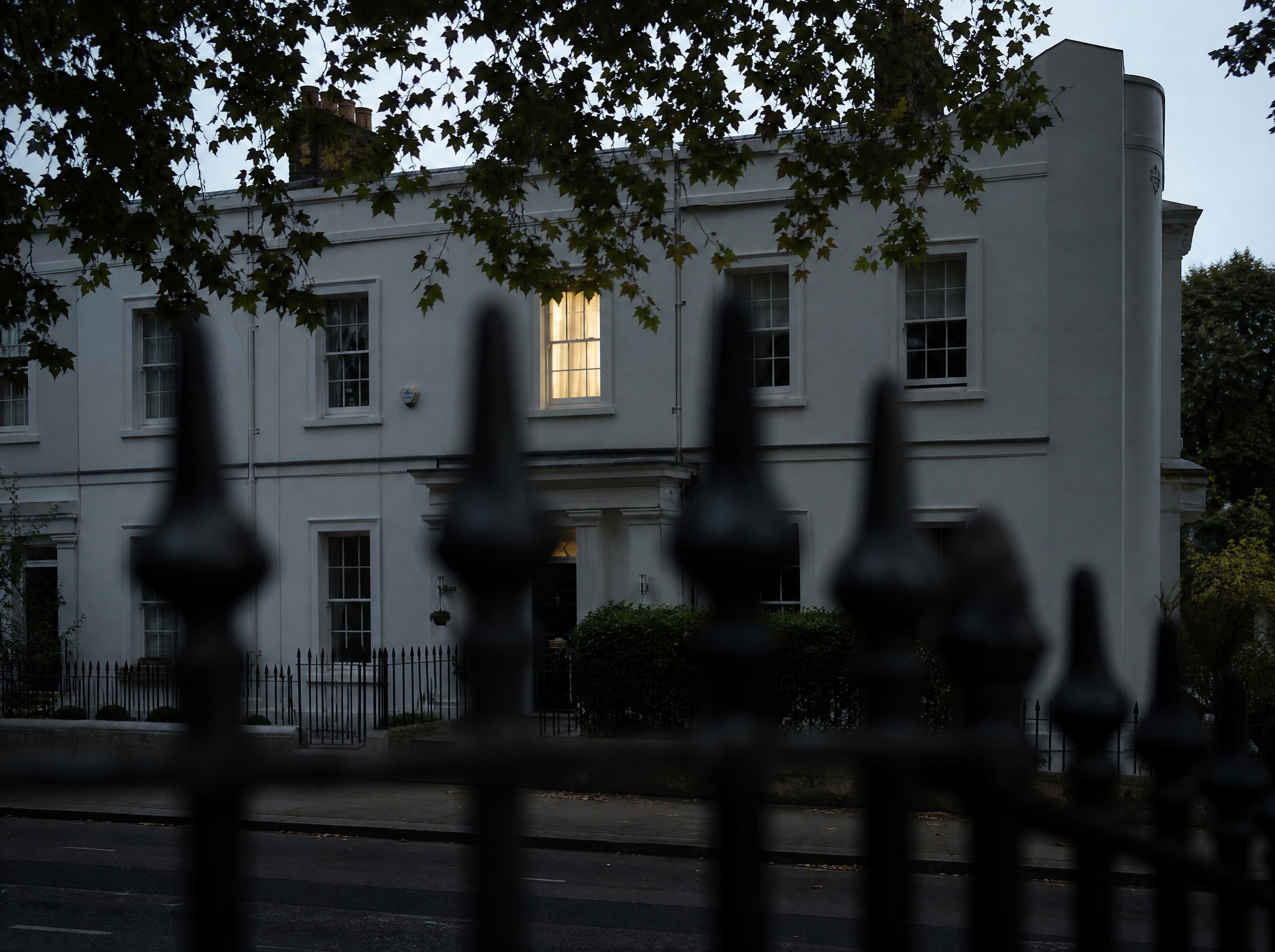
Fortify
Residential ProtectionResidential protection for private homes and estates, drawing on assessment, access control and continuity to protect principals and families at home.
Respond
Close Proximity ResponseA discreet, client carried alert and live location capability that lets a protective team maintain proximity and respond immediately, without an overt security presence.