
Discreet executive protection in Mayfair, positioned by assessed exposure rather than fixed coverage, for principals who move daily within a small and closely watched district.
Mayfair concentrates more exposure into a small footprint than anywhere else in London. Residences on Grosvenor Square and Mount Street sit within a few minutes walk of the family offices and private banks of Berkeley Square, the retail frontage of Bond Street, and a dense cluster of hotels, private members clubs and embassies. For most principals the working day is a sequence of short journeys inside that footprint rather than a commute into it.
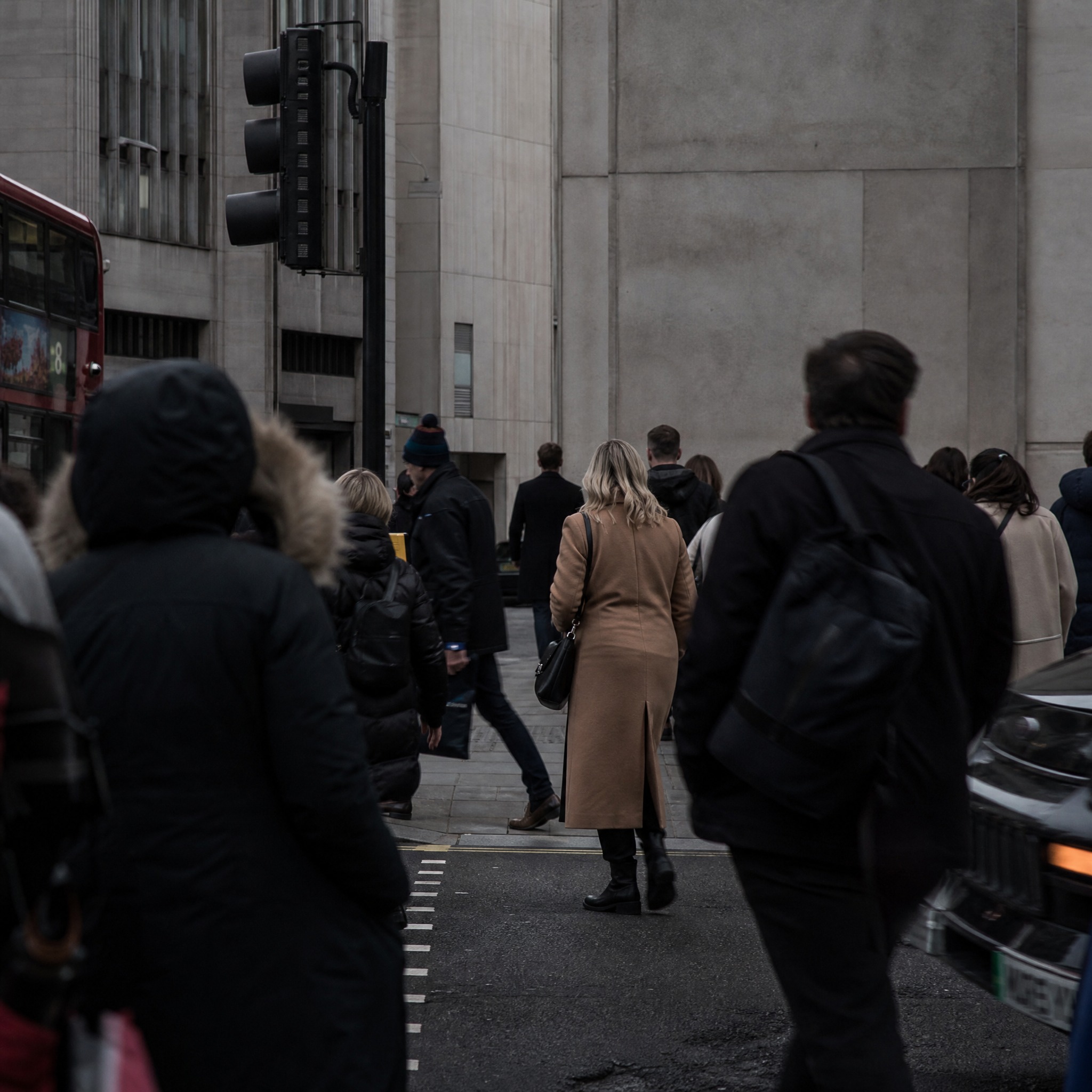
That density changes what exposure looks like. The risk is rarely a confrontation and almost never a stranger. It is pattern. A principal who leaves the same door at the same hour, walks the same two hundred metres to the same office, lunches at the same club and returns by the same route has, within a fortnight, published a schedule to anyone paying attention. Mayfair makes that observation easy. Pavements are narrow and busy, doorways are shared, and a person standing still on Mount Street at nine in the morning attracts no notice at all.
The district also carries a permanent audience. Luxury retail draws photography, hotels and clubs draw press interest around named guests, and the embassies bring their own standing surveillance. A principal in Mayfair is observed incidentally, constantly, by people with no interest in them whatsoever. That background noise is where deliberate observation hides.
Protective work is not the only requirement the district generates, and our coverage across Mayfair sets out the residential and technical side alongside it.
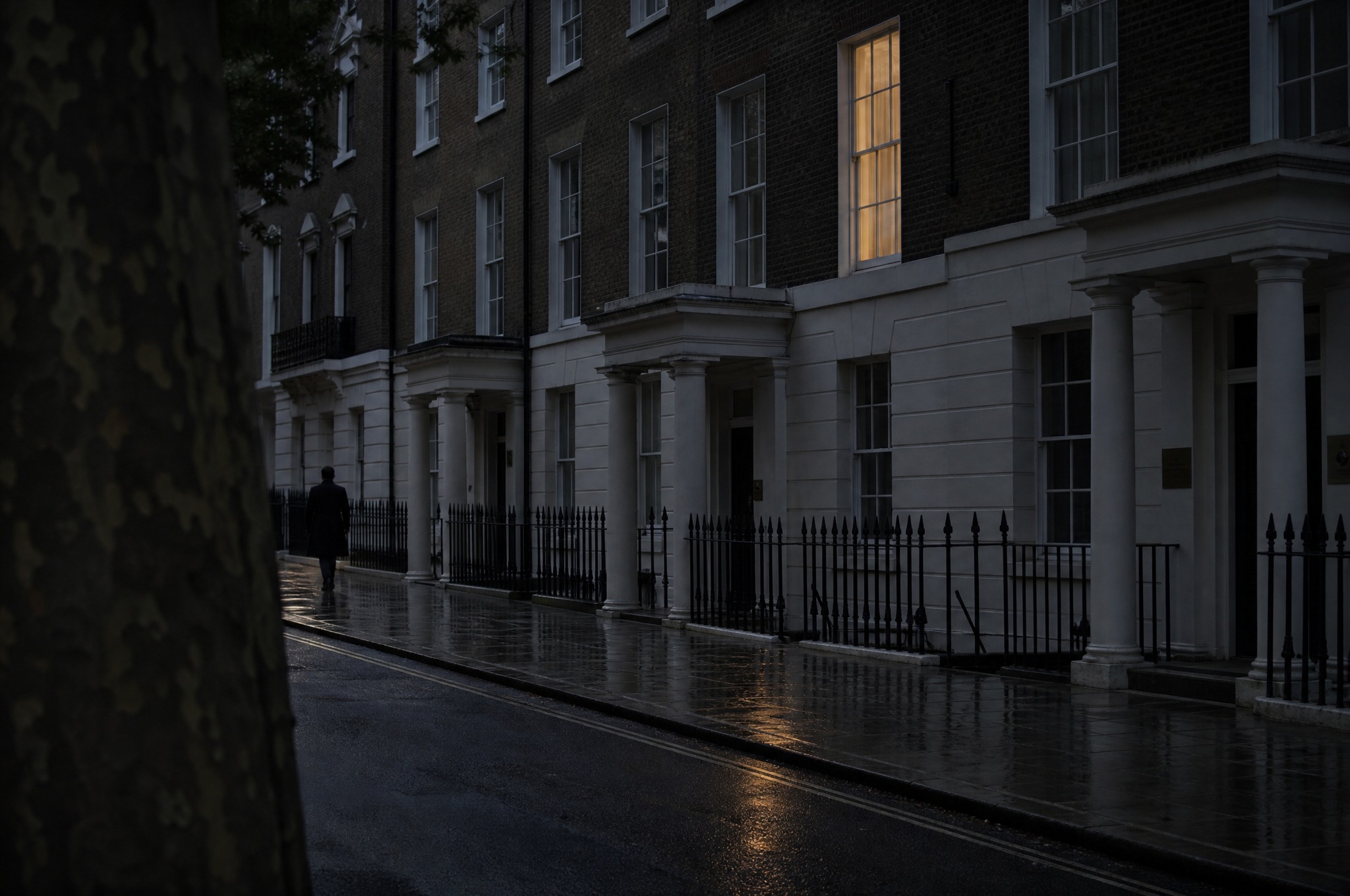
Protection in Mayfair begins with the pattern rather than the person. Before any officer is deployed we map how a principal actually moves across a normal fortnight: which journeys repeat, which are announced in advance, which are made on foot, and where the predictable points of arrival and departure sit. Exposure concentrates at a small number of those points, and most of it can be reduced by changing the pattern rather than by adding presence.
Coverage is then positioned against what the assessment found. In a district this compact, an officer walking a pace behind a principal is often the least effective option available and the most conspicuous. More usually the work is done ahead of the principal and to the side of them: an advance on the venue, a read of the approach, a vehicle held where it can be reached rather than where it can be seen, and an officer who is present in the environment before the principal arrives in it.
Mayfair rewards teams that know the ground. Routes between the garden squares, the service entrances of the major hotels, the pinch points around Bond Street at the end of the working day and the difference between a quiet approach and a watched one are all local knowledge, and they are the difference between a plan that works on paper and one that works at half past six on a Friday.
Everything is run on a need to know basis. Household staff, drivers and office teams are given what they require to do their part and nothing beyond it.
What is assessed and how coverage is planned is common to all executive protection work; what changes in Mayfair is that a working day is made of short journeys rather than long ones.
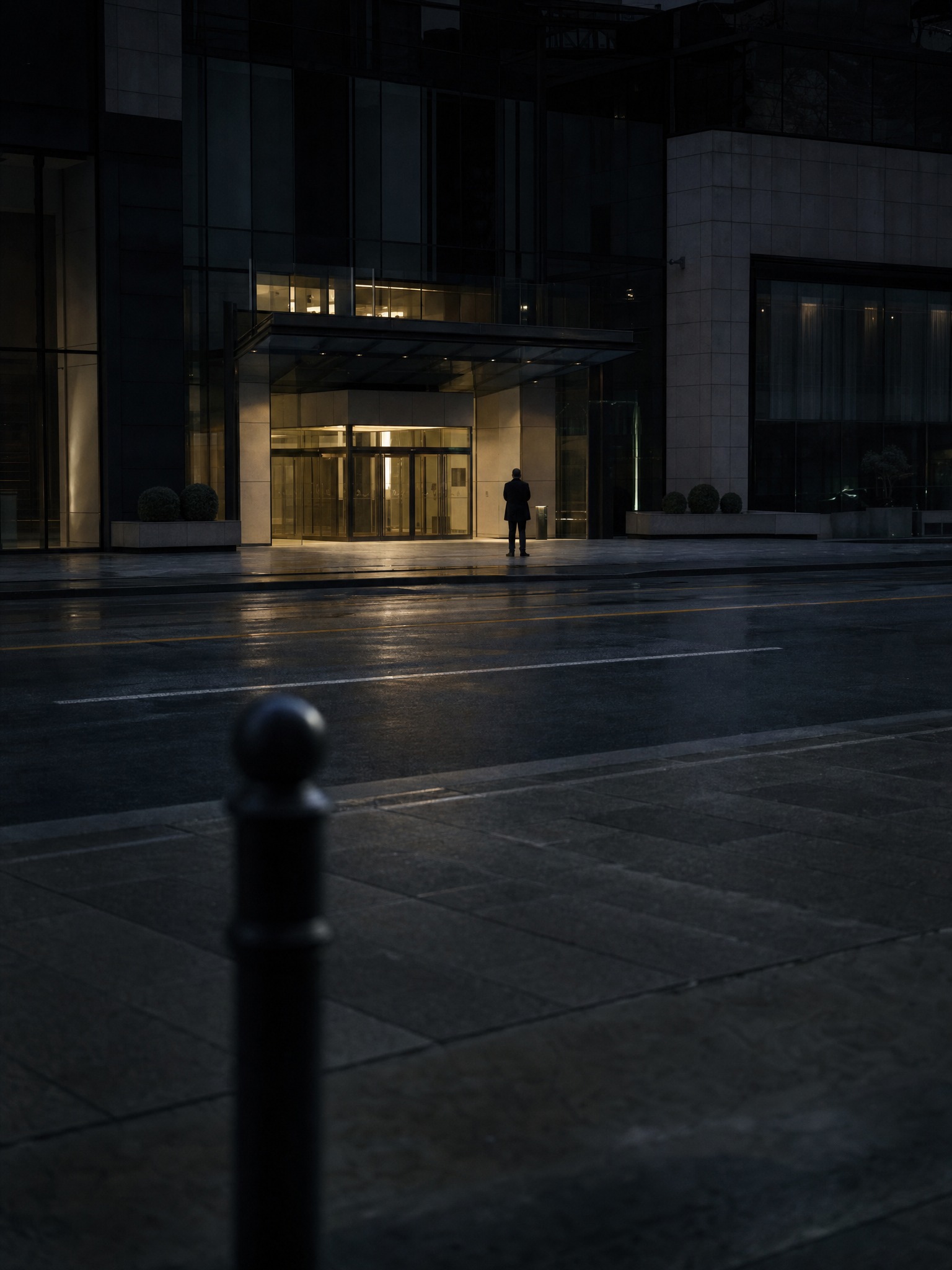
The assessment begins with a movement map covering a normal fortnight. We record every journey a principal actually makes, not the ones they describe: which are on foot, which repeat at the same hour, which are booked in advance by somebody else, and which of them place the principal stationary on a public pavement. In Mayfair that exercise usually produces between six and ten repeated points inside half a square mile.
Each of those points is then examined on the ground. The service entrance of a hotel is a different proposition to its front door. A club that requires a principal to wait in a lobby is different to one where a car can be brought to the step. The garden squares offer approaches that are quiet in the morning and overlooked by four hundred people at lunchtime. None of this is visible from a map and all of it changes what coverage should look like.
Alongside the physical work we establish what is publicly discoverable. Company filings, property records, press coverage, the register of a private club, a charity board listing, a school named in an interview. In a district where the addresses are already known, the question is what else a stranger could assemble in an afternoon, and how much of it points at a fixed time and place.
The output is a written assessment setting out where exposure concentrates, what can be reduced by changing the pattern, and what requires presence. Most engagements find that the first category is larger than the client expected.
Journeys of half a mile are frequently better handled by driver than by team, and security chauffeuring is often the proportionate finding.
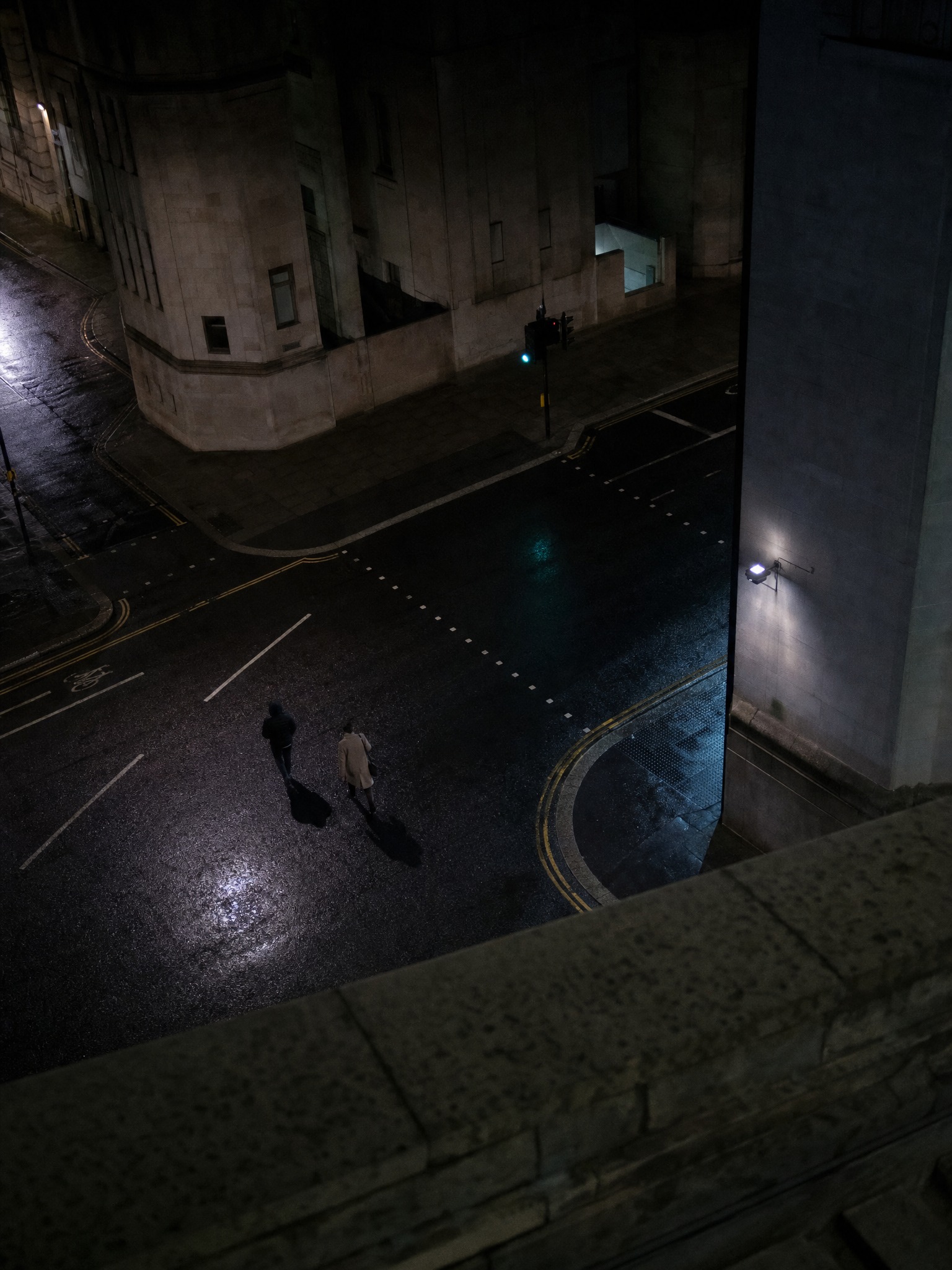
Exposure in Mayfair is seasonal in a way that is easy to overlook. The district fills and empties on a predictable calendar, and the periods when it fills are the periods when a principal is least anonymous.
The London season concentrates events, private views and dinners from late spring into July, and with them a rise in announced attendance and photography. The autumn art fairs and the run up to Christmas do the same for Bond Street and Mount Street, where pavements narrow and forecourts congest. August is quieter on the street but the residences are frequently empty, which changes the residential picture rather than removing it.
Overlaid on that is the principal's own calendar. A board appointment, a results announcement, a legal matter, a philanthropic engagement or a family occasion each raises profile at a known moment, and most of them are recorded somewhere before they happen. We ask for the diary six to eight weeks out for exactly that reason.
Where a period of raised exposure is identified, coverage is adjusted for it rather than held at a constant level all year. That is both more effective and considerably less intrusive than a permanent posture.
A principal who holds a second address a mile west is usually covered under one arrangement rather than two, and executive protection in Knightsbridge describes the same requirement on that ground.

Protect
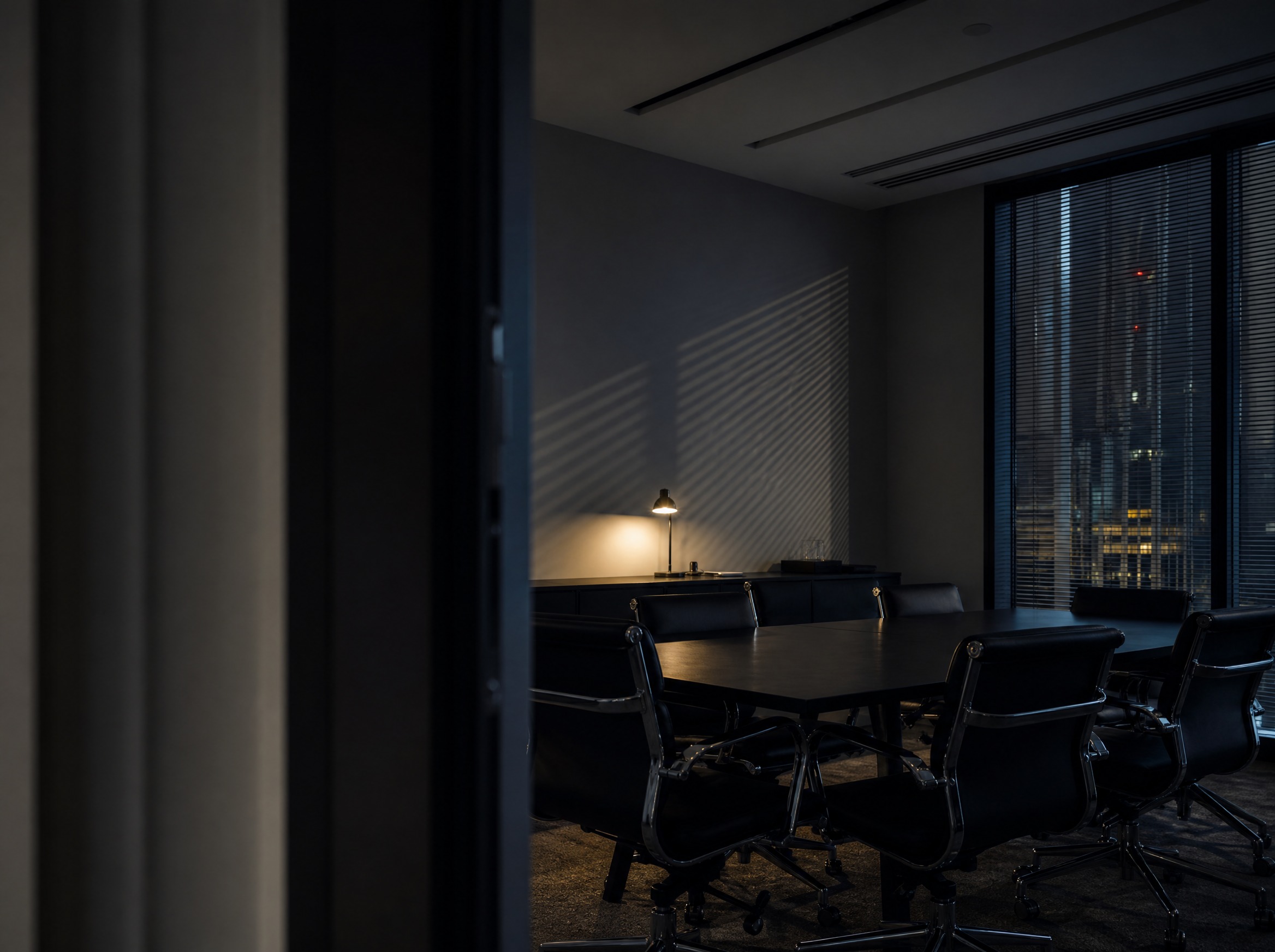
Executive ProtectionDiscreet, intelligence led executive protection for private clients, principals and families, designed to reduce exposure and preserve freedom of movement without unnecessary visible presence.
Mitigate
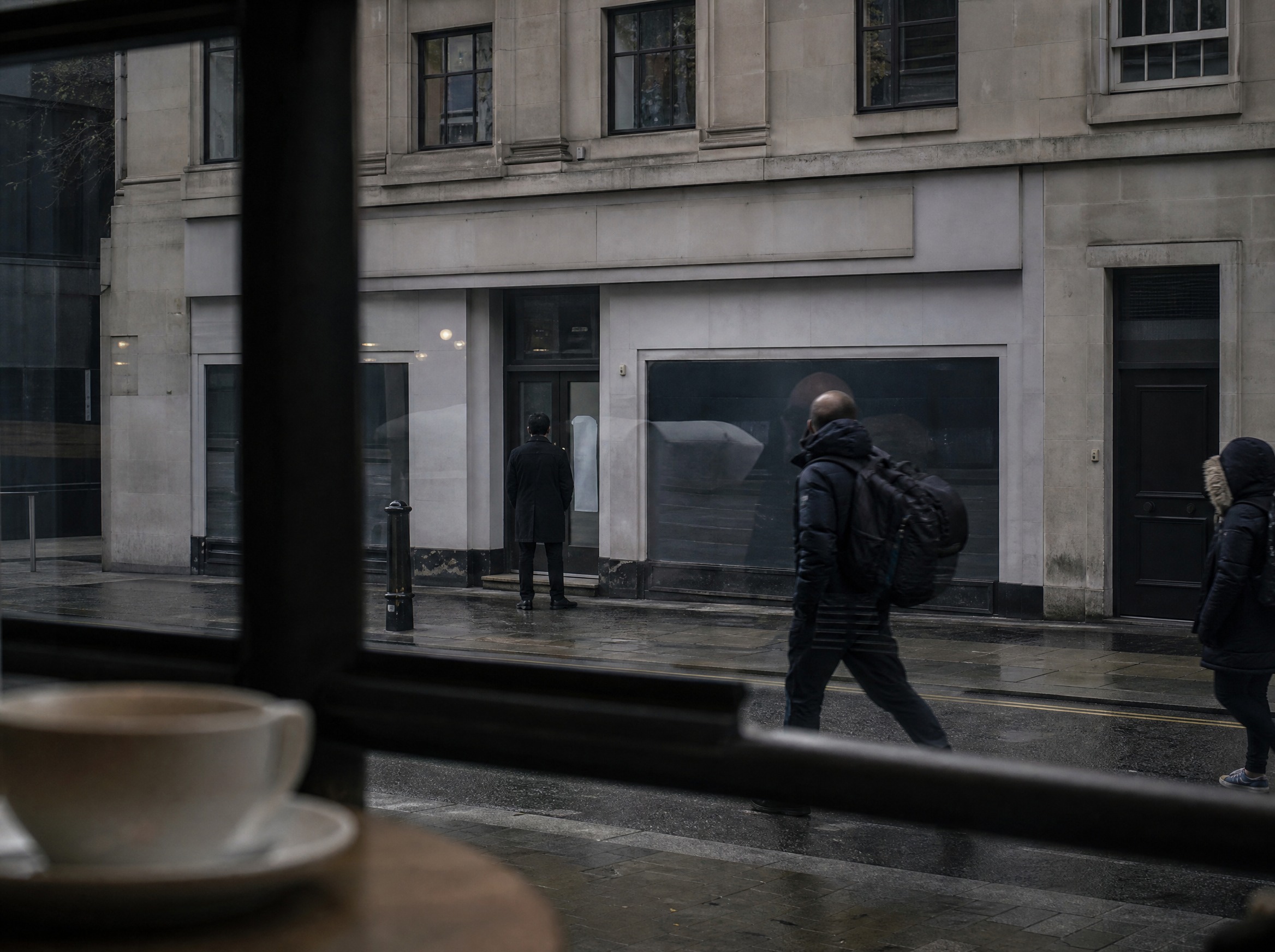
Threat and Risk MitigationStructured assessment that identifies where exposure exists and reduces it through proportionate, intelligence led measures across people, places and routine.
Detect
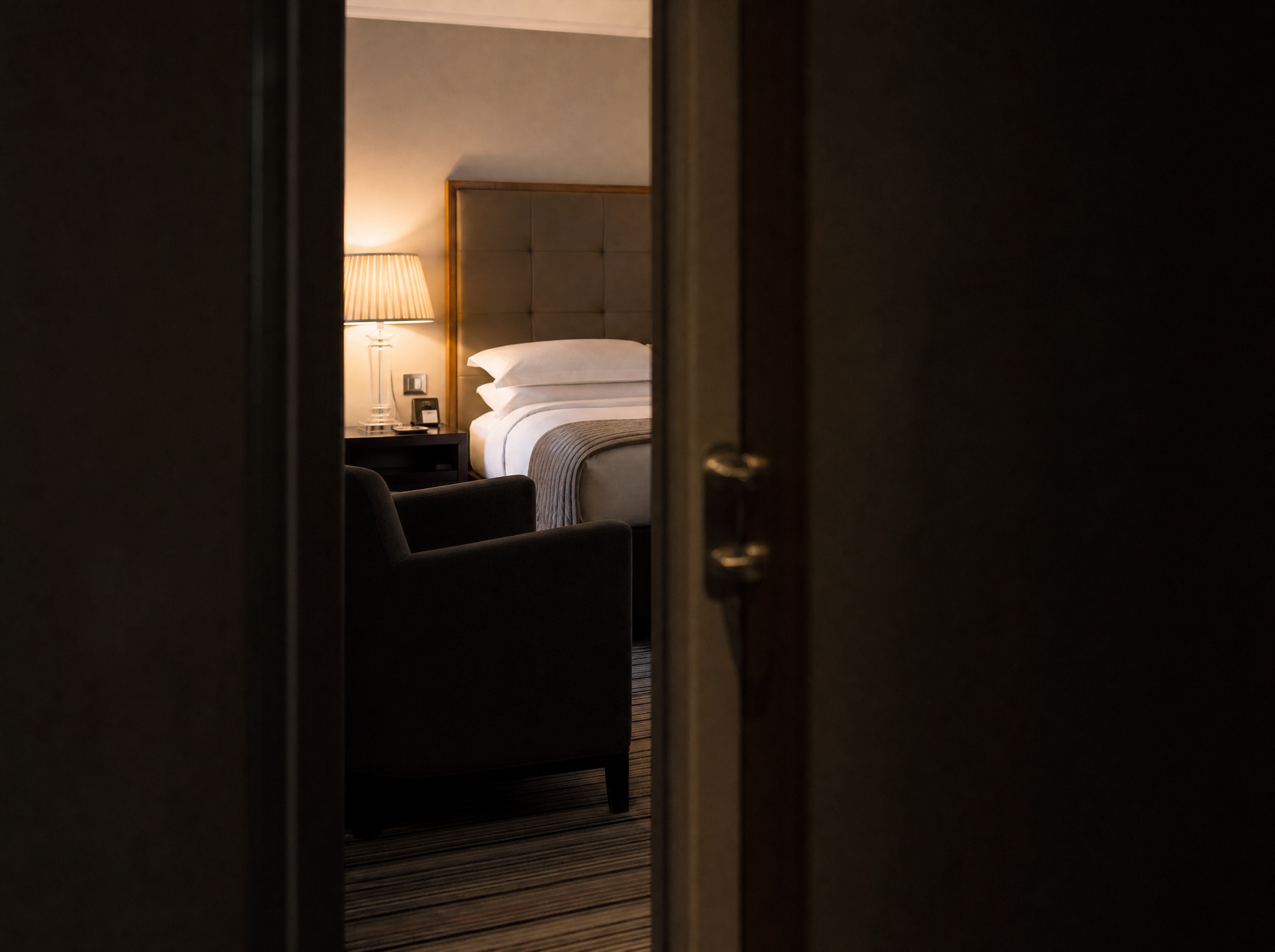
Surveillance DetectionSurveillance detection identifies hostile interest and emerging patterns of activity, providing early warning of potential threats before targeting progresses to action.
Sweep
Technical SurveillanceTechnical surveillance that detects covert devices, unauthorised transmissions and technical compromise across residences, offices and sensitive environments.

Secure
Security ChauffeuringSecure movement delivered through trained protective drivers, intelligence led route planning and continuous situational awareness.
Fortify
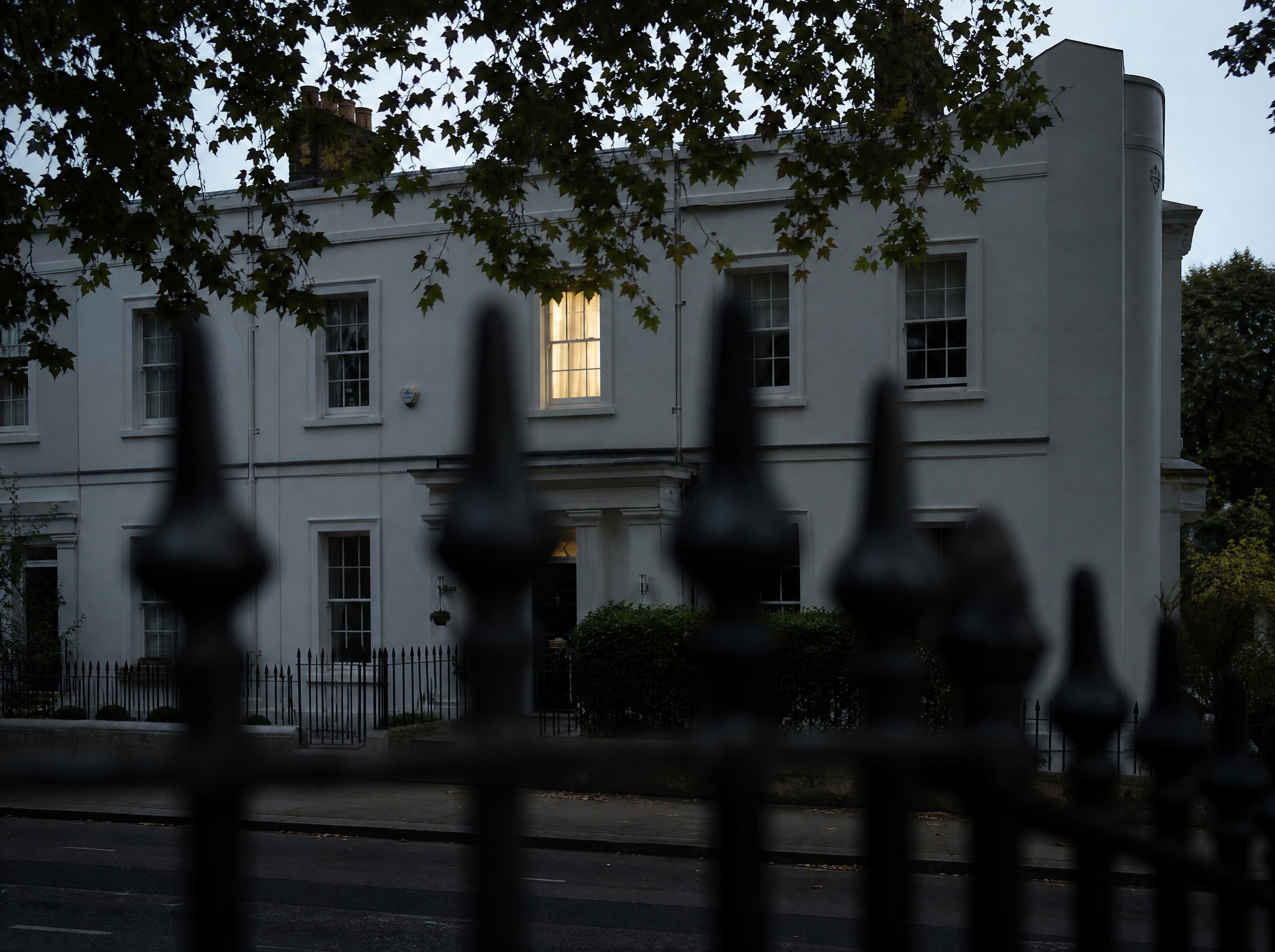
Residential ProtectionResidential protection for private homes and estates, drawing on assessment, access control and continuity to protect principals and families at home.
Respond
Close Proximity ResponseA discreet, client carried alert and live location capability that lets a protective team maintain proximity and respond immediately, without an overt security presence.