
Discreet executive protection in Kensington for families and international residents, planned around the school run, the residence and the predictable rhythm of family movement.
Kensington's exposure is domestic. The borough holds embassies and some of the most valuable private residences in the country on Kensington Palace Gardens, and around them a large population of affluent families and international residents who spend part of the year in London. The museums quarter and the high street draw heavy footfall, while quiet residential streets sit a single turning away.
What distinguishes Kensington from the districts to the east is that the principal is usually a family rather than an individual. That changes the shape of the problem considerably. A family generates several routines rather than one, most of them involving children, most of them fixed by a school timetable, and most of them impossible to vary. The school run happens at the same hour, on the same route, to the same gate, every weekday of term. It is the single most predictable thing most households do, and it is the point at which children are furthest from the residence and least under direct supervision.
International residence adds its own consideration. Households that are present for part of the year leave a property empty for the rest of it, rotate staff between arrivals, and often arrive on a schedule known to a wide circle of agents, managers and service providers well before they land. Exposure in Kensington rarely announces itself. It accumulates quietly, through repetition.
Schools, embassies and long residential streets each generate different requirements, and coverage across Kensington sets out how they differ.

Family protection in Kensington is built around the school run before anything else. We look at the route, the drop off and collection points, how much of the wait is spent stationary, who else is present at the gate on a normal morning, and how much of the arrangement is already known outside the household. Small changes here, in timing, in approach, in who performs the collection, produce a disproportionate reduction in exposure and cost the family very little.
The second focus is the household itself. Staff, tutors, drivers, cleaners and contractors form a circle of access that is often larger than the principals realise and almost never documented. We establish who holds keys and codes, how that access is granted and withdrawn, and what a departing member of staff still knows a month later.
Coverage is calibrated to the family rather than to a single principal. In practice that usually means a low profile posture around children, delivered by officers who are unremarkable at a school gate, combined with a heavier and more conventional posture around a principal with a public profile. The two are planned together but are not the same deployment.
For households present only part of the year, the empty months are treated as part of the engagement rather than a gap in it. A property that is watched while unoccupied is a property whose occupation is known.
The discipline is executive protection as practised anywhere; Kensington changes the pattern of the day rather than the method.
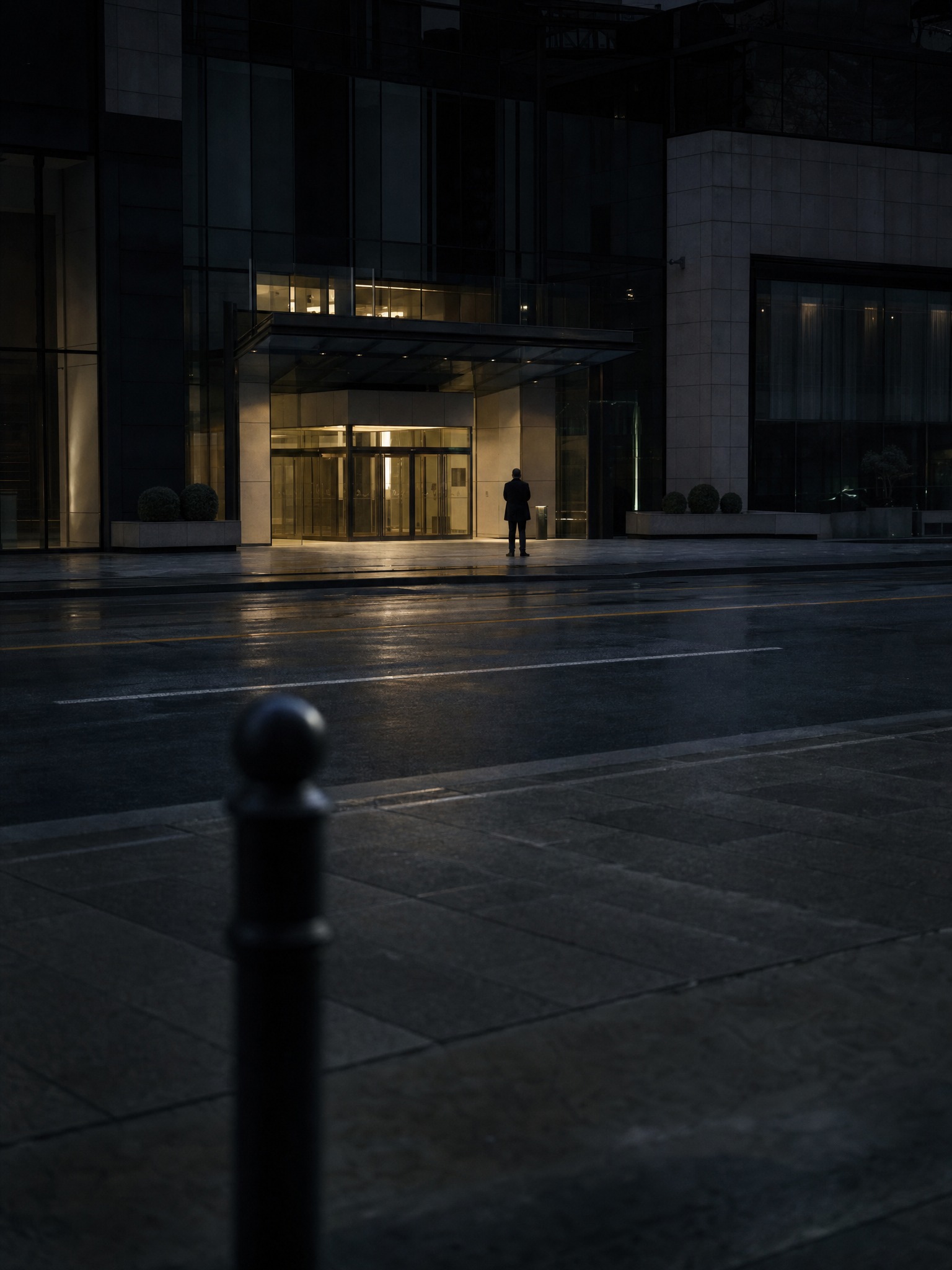
The assessment is built around the family rather than an individual, and it starts with the school run because that is where the fixed points concentrate.
We record the route, the drop off and collection arrangements, how long the vehicle or the accompanying adult is stationary, who else is reliably present at that hour, and how the arrangement is communicated within the household and the school. We also establish how much of it is already known outside the family. School communities are social, and the combination of a named family, a named school and a fixed hour is often assembled without anyone intending it.
The household is assessed next. Staff, tutors, drivers, cleaners and contractors form a circle of access that in most Kensington households has never been written down. We document it, establish how access is granted and withdrawn, and identify what a departed member of staff still knows a month later.
For part year residents the assessment covers both states of the property, occupied and empty, and the transition between them. How an arrival is arranged, who is told and how far in advance, is examined as carefully as the security of the building, because a return that is known in advance is the exposure.
Family movement in Kensington is frequently the exposure that matters, and the finding is often residential protection rather than an officer at the shoulder.
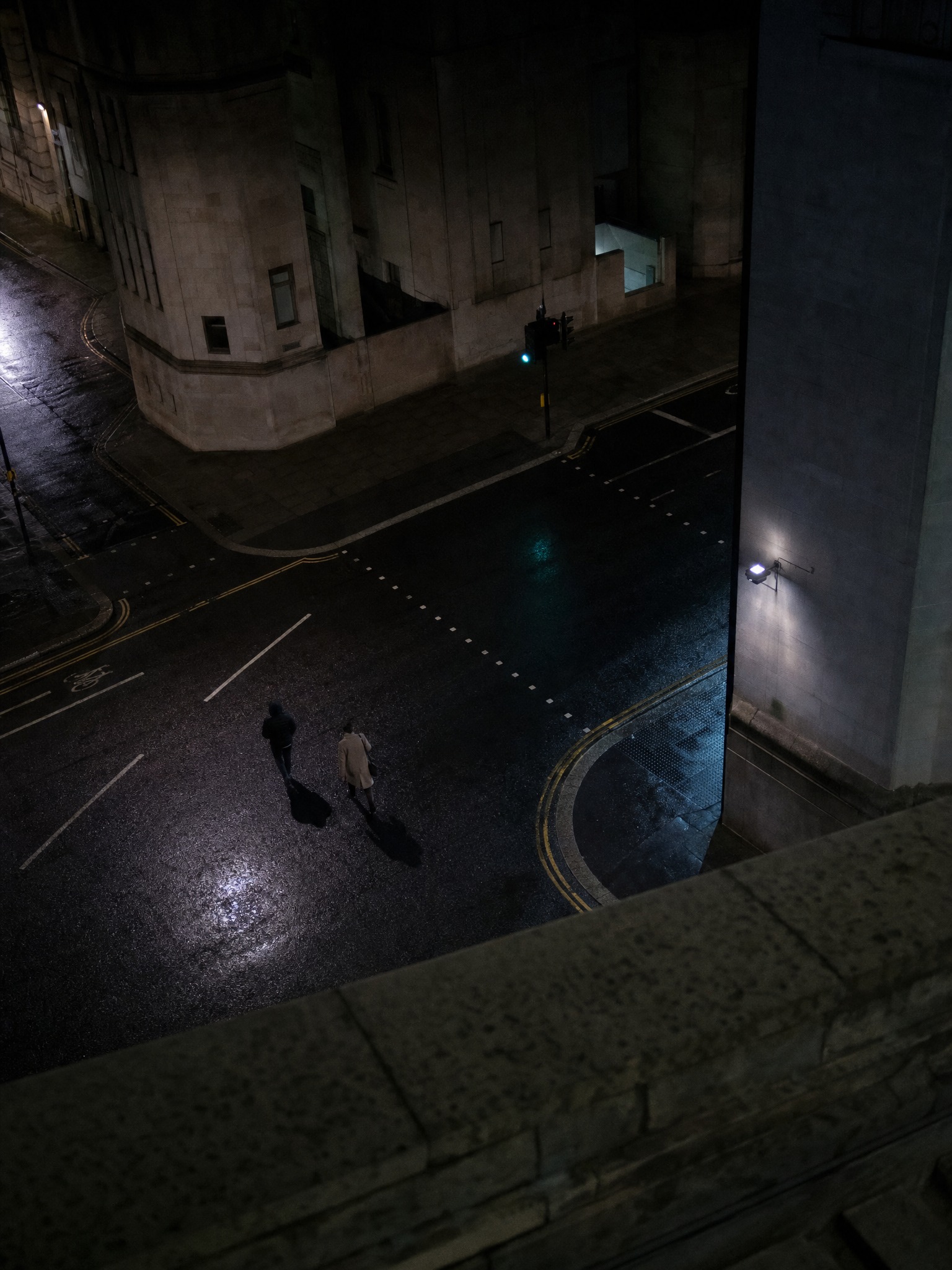
The school calendar governs almost everything. During term the family's movement is at its most regular and most predictable, and the risk is accumulation rather than incident. At half term and over the holidays the pattern breaks, the family is frequently travelling, and the property stands empty. Both states carry exposure and they are not the same exposure.
The start of the academic year is a particular point. Routes, timings and arrangements are new, they settle quickly into a pattern that will hold for a year, and the fortnight in which they are established is the cheapest moment to shape them well. We prefer to be involved before that fortnight rather than after it.
The museums quarter and the high street bring their own seasonal footfall, heaviest through the summer and over the Christmas period, which affects movement on foot rather than at the residence.
For international households the exposure concentrates around arrival and departure, and those dates are typically known to agents, managers and service providers well before the family lands.
The eastward run into Knightsbridge is part of most weeks here, and executive protection in Knightsbridge covers that end of it.

Protect
Executive ProtectionDiscreet, intelligence led executive protection for private clients, principals and families, designed to reduce exposure and preserve freedom of movement without unnecessary visible presence.
Mitigate
Threat and Risk MitigationStructured assessment that identifies where exposure exists and reduces it through proportionate, intelligence led measures across people, places and routine.
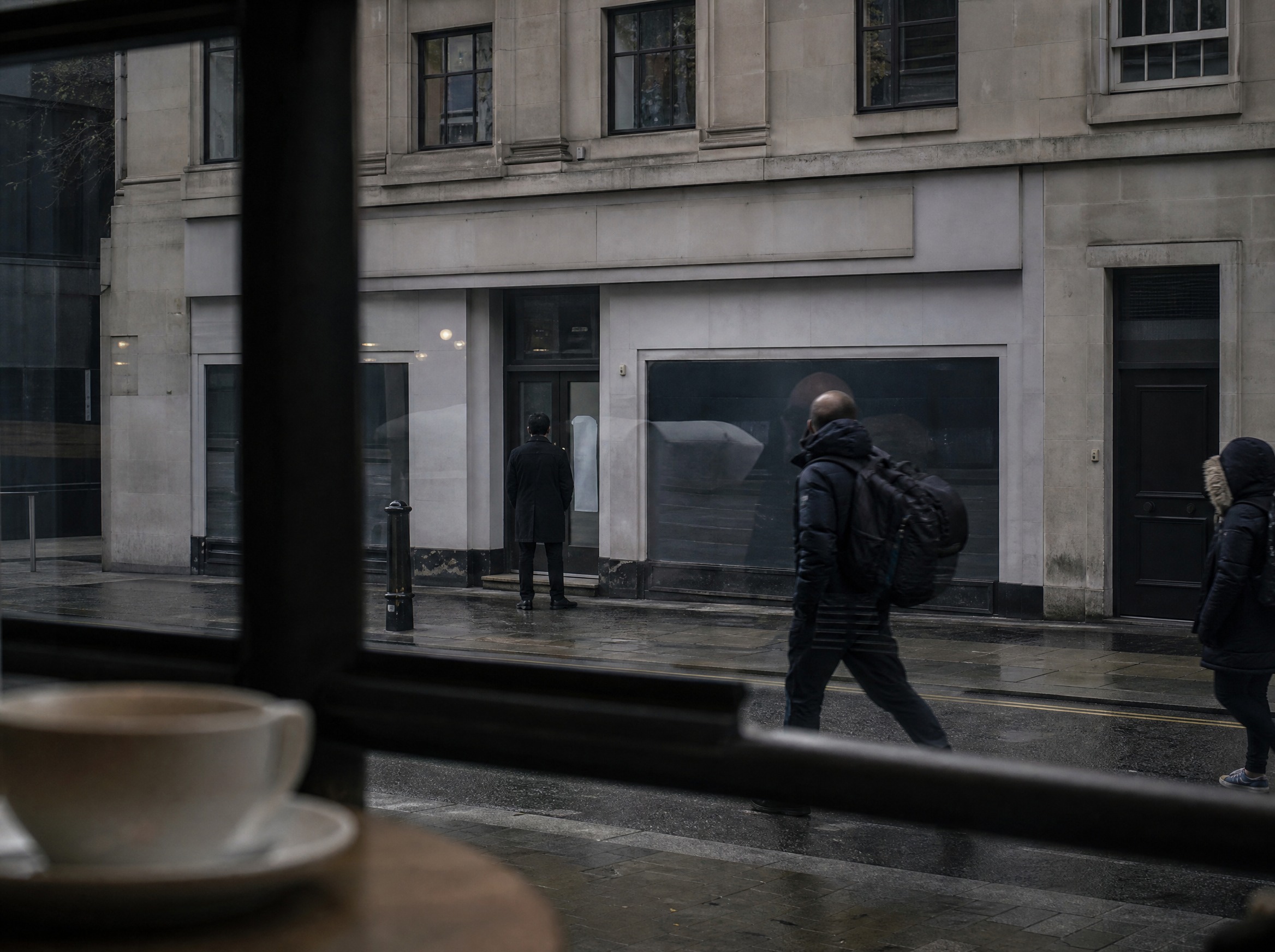
Detect
Surveillance DetectionSurveillance detection identifies hostile interest and emerging patterns of activity, providing early warning of potential threats before targeting progresses to action.
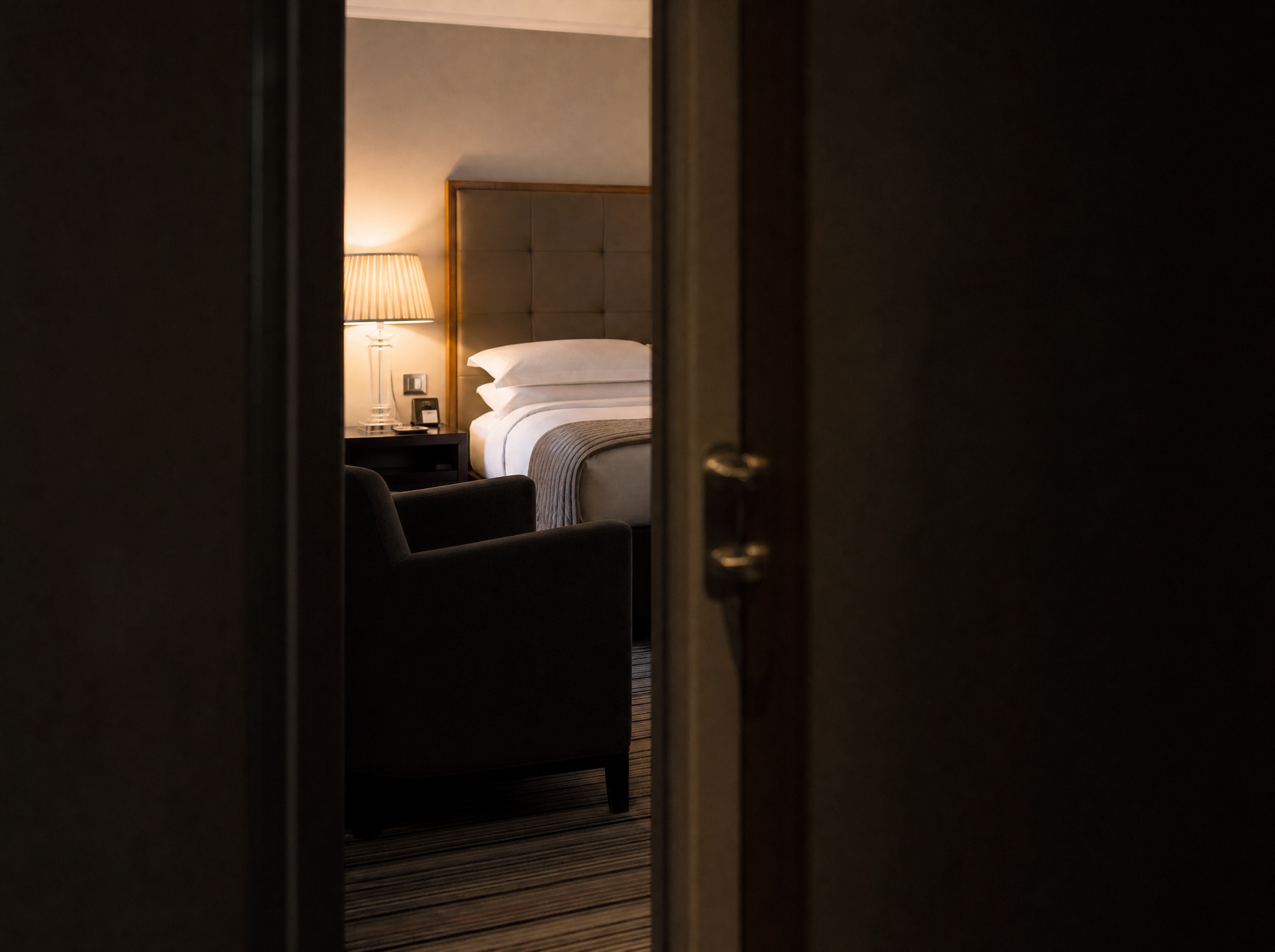
Sweep
Technical SurveillanceTechnical surveillance that detects covert devices, unauthorised transmissions and technical compromise across residences, offices and sensitive environments.

Secure
Security ChauffeuringSecure movement delivered through trained protective drivers, intelligence led route planning and continuous situational awareness.
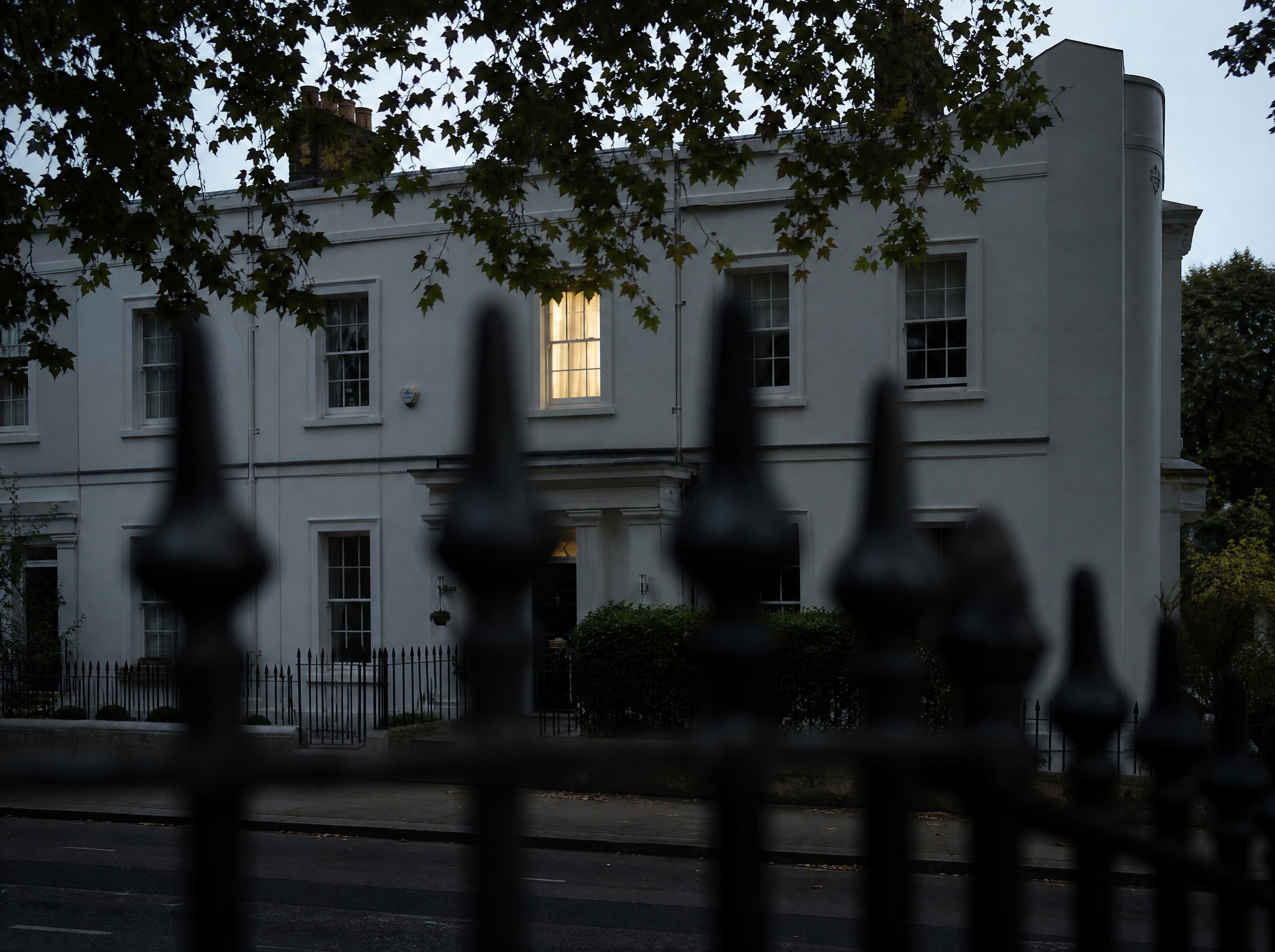
Fortify
Residential ProtectionResidential protection for private homes and estates, drawing on assessment, access control and continuity to protect principals and families at home.

Respond
Close Proximity ResponseA discreet, client carried alert and live location capability that lets a protective team maintain proximity and respond immediately, without an overt security presence.