
Intelligence led protective support for families and international residents in Kensington. In a district of garden squares, embassy addresses and some of the most valuable residences in London, exposure gathers quietly around the home, the school run and the predictable movements of a settled family.
Kensington concentrates wealth, prominence and visibility in a small area. The Kensington Palace Gardens address alone holds embassies and private residences among the most valuable in the country, and the wider borough houses affluent families, senior individuals and international residents who spend part of the year here. The museums quarter around Exhibition Road, Kensington High Street and the garden squares draws heavy footfall and constant observation, while quiet residential streets sit only a turning away.
Exposure in Kensington is rarely dramatic. It develops through pattern. A residence that is known, a school approached at the same hour each morning, staff and deliveries that follow a fixed rhythm, and a family whose movements can be anticipated by anyone prepared to watch. International profile adds a further dimension, where interest may originate well beyond the United Kingdom and attach to a residence long before it attaches to a person.
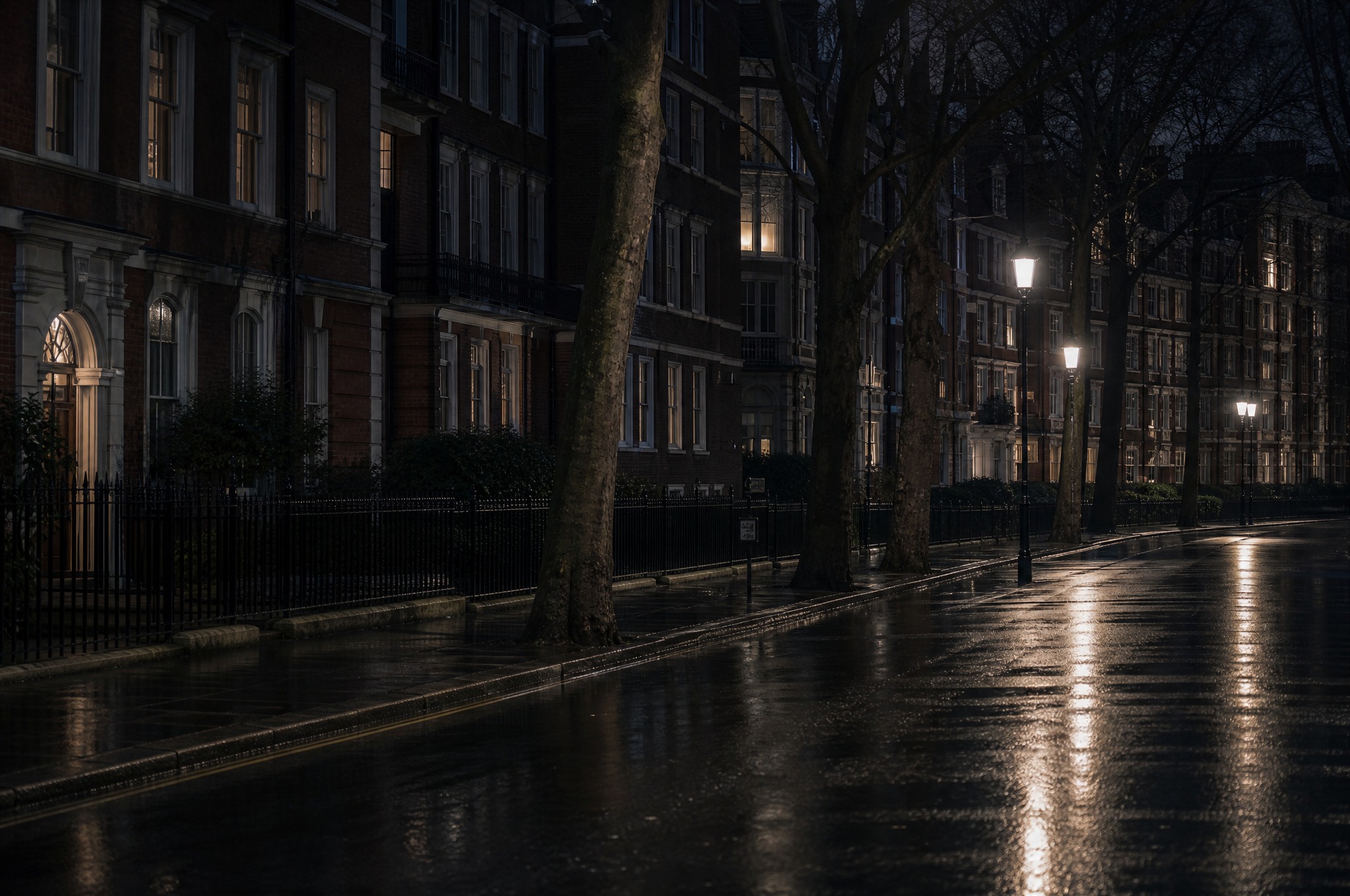
We work to the grain of the area rather than against it. Kensington rewards familiarity: the difference between a through route and a residential cul de sac, the sightlines into a garden square, the approaches to a private school, the points where movement becomes predictable and therefore observable. Protective measures are calibrated to that knowledge and to the character of the household, so a residence remains a home and a family retains its routine.
Delivery is low profile. A single experienced officer operating quietly, a discreet review of a residence and its approaches, or supporting coverage during the school term and periods of heightened visibility, applied in proportion to assessed risk. Where several residences form part of a wider arrangement, measures are standardised where useful and localised where necessary, so movement between properties is consistent without repeated intrusion. Concerns raised by household staff, unexplained callers or repeated presence near a property are assessed, not dismissed.
Residential Protection: intelligence led residential security in Kensington, drawing on assessment, access control and continuity to protect principals and families at home, whether a single property or several residences in a wider arrangement.
Protective Intelligence: collection and analysis that establish what a residence and a family may already reveal through routine, records and publicly available information, supporting decisions before risk escalates.
Executive Protection: discreet close protection for individuals, couples and families in Kensington, delivered with restraint during travel, the school term and periods of increased sensitivity.
Work in Kensington is family work. Households here generate several routines rather than one, most involve children, and most are fixed by a school timetable that cannot be varied.
The school run is therefore the first thing examined and usually the first thing changed. Small adjustments to timing, approach and who performs the collection produce a disproportionate reduction in exposure and cost a family very little. Officers working around children are chosen to be unremarkable at a school gate, which is a different requirement to conventional close protection.
The household is the second focus. Staff, tutors, drivers, cleaners and contractors form a circle of access that is generally larger than the principals realise and almost never written down. Documenting it is a substantial part of the early work.
Where a principal carries a public profile, that requires a heavier posture than the family arrangement around them. The two are planned together but they are not the same deployment, and conflating them tends to produce something too visible for the children and too light for the principal.
For households present only part of the year, the empty months are treated as part of the engagement rather than a gap in it.
The northern boundary opens into Holland Park, where the streets are narrower and the properties closer together.
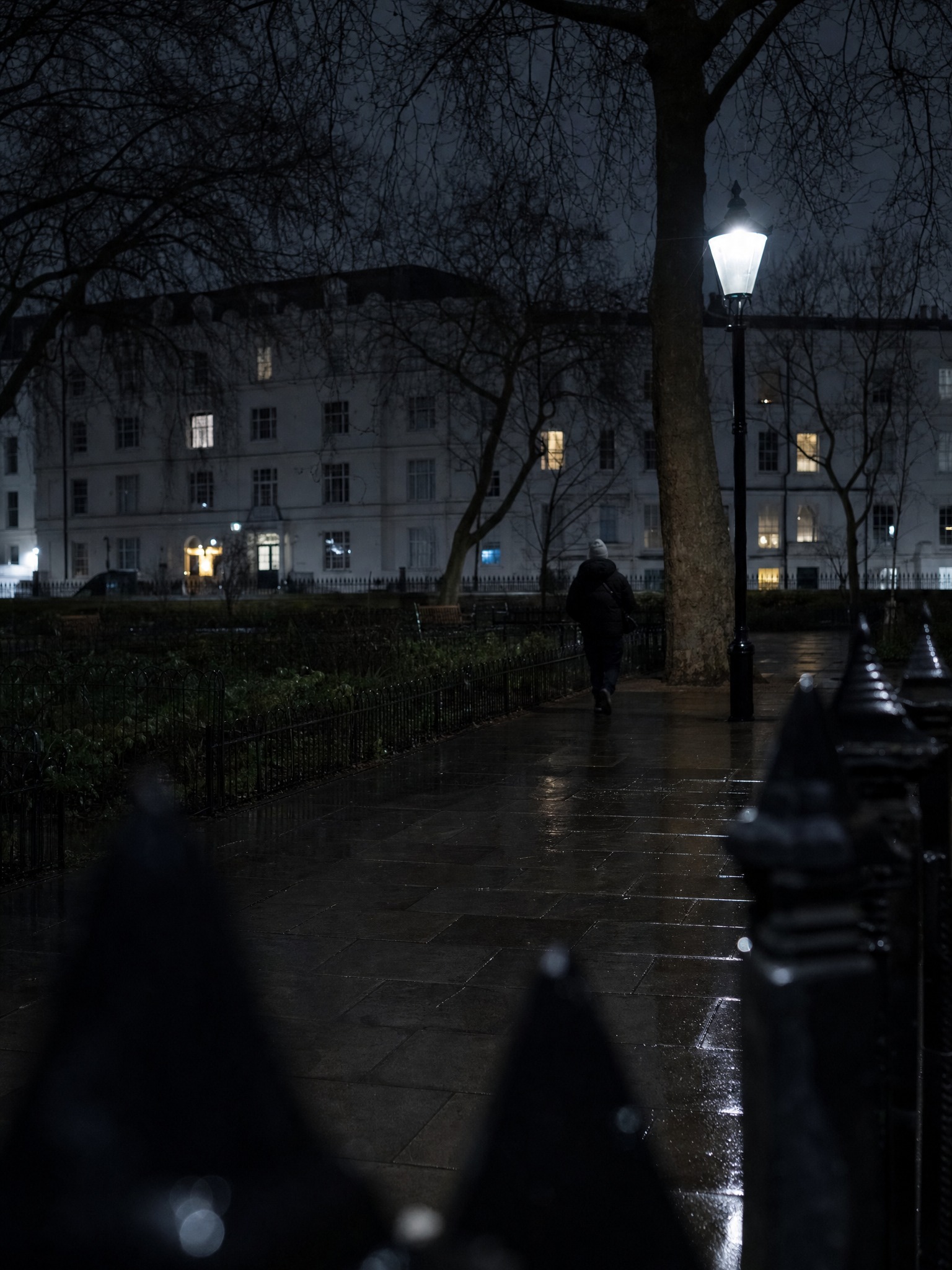
The school calendar governs almost everything. During term the family's movement is at its most regular and the risk is accumulation rather than incident. At half term and over the holidays the pattern breaks, the family often travels, and the property stands empty. Both carry exposure and they are not the same exposure.
The start of the academic year is the point at which new routes and timings are established that will hold for a year, and that fortnight is the cheapest moment to shape them well.
For international households, arrival and departure dates are typically known to a wide circle well before the family lands.
The southern edge runs down towards Chelsea, which carries a different mixture of residential and social movement.
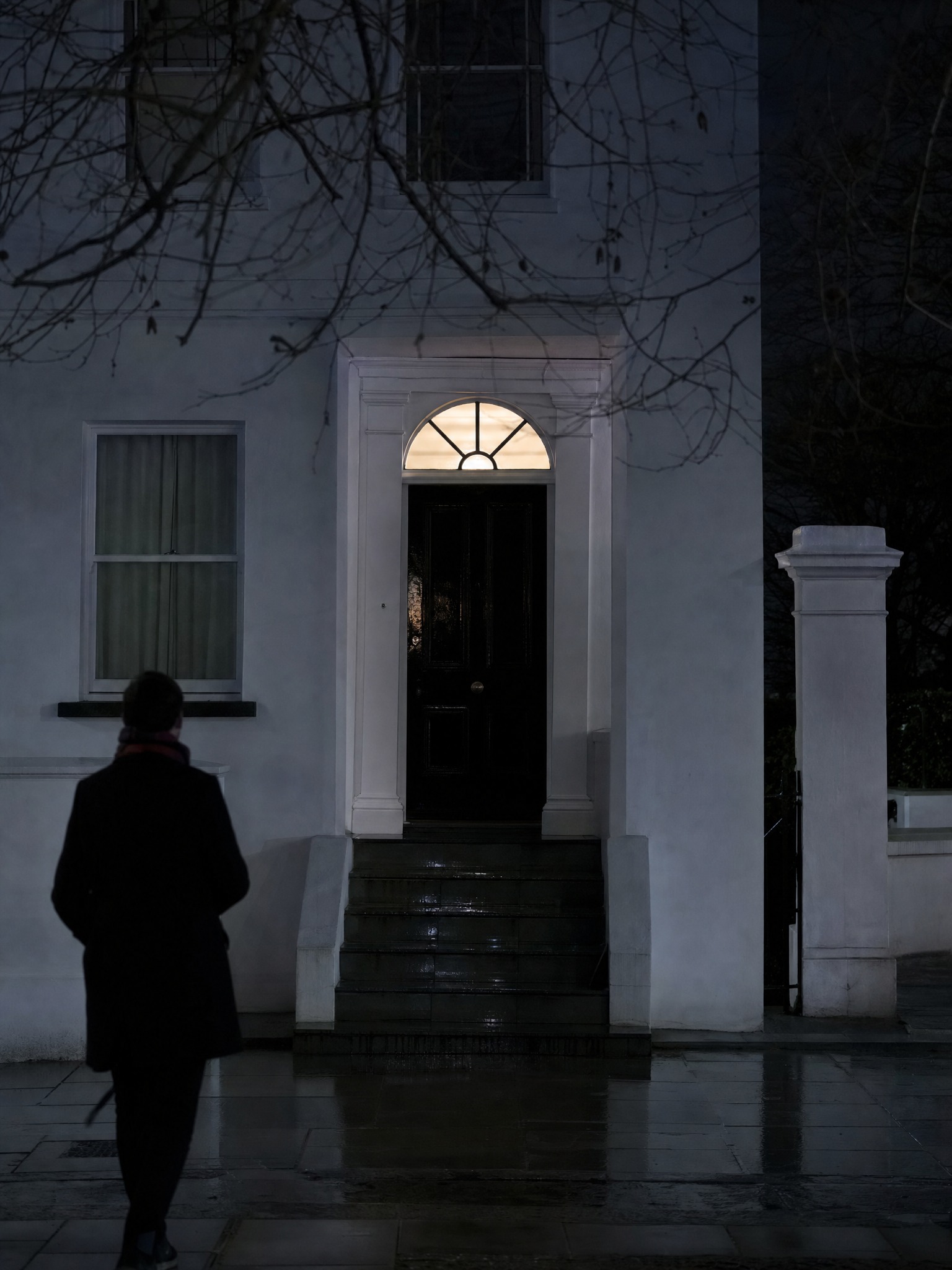
Family work dominates. The typical enquiry comes from a household with school age children, frequently through a private office or an assistant, and the concern is the school run before anything else. What follows is usually a combination of security chauffeuring for the regular movement and a residential assessment of the property.
International households present for part of the year form the second group, and their requirement is split between the occupied months and the empty ones. The empty months tend to be the part nobody has thought about.
Executive protection for a single principal with a public profile is the third pattern, and where it exists it sits alongside the family arrangement rather than replacing it. The two are planned together but they are not the same deployment.
Technical examinations are requested most often on arrival for part year households, rather than in response to a specific suspicion.
Coverage shaped around a school run and a working day, rather than around a single journey, is the common requirement, and executive protection in Kensington describes it.
Repeated sightings near a house or a school gate are dealt with through surveillance detection.
All enquiries are handled discreetly and reviewed before engagement suitability is determined. Information should be limited to what is necessary to outline the matter. Where appropriate, further contact is arranged following review.

Protect
Executive ProtectionDiscreet, intelligence led executive protection for private clients, principals and families, designed to reduce exposure and preserve freedom of movement without unnecessary visible presence.
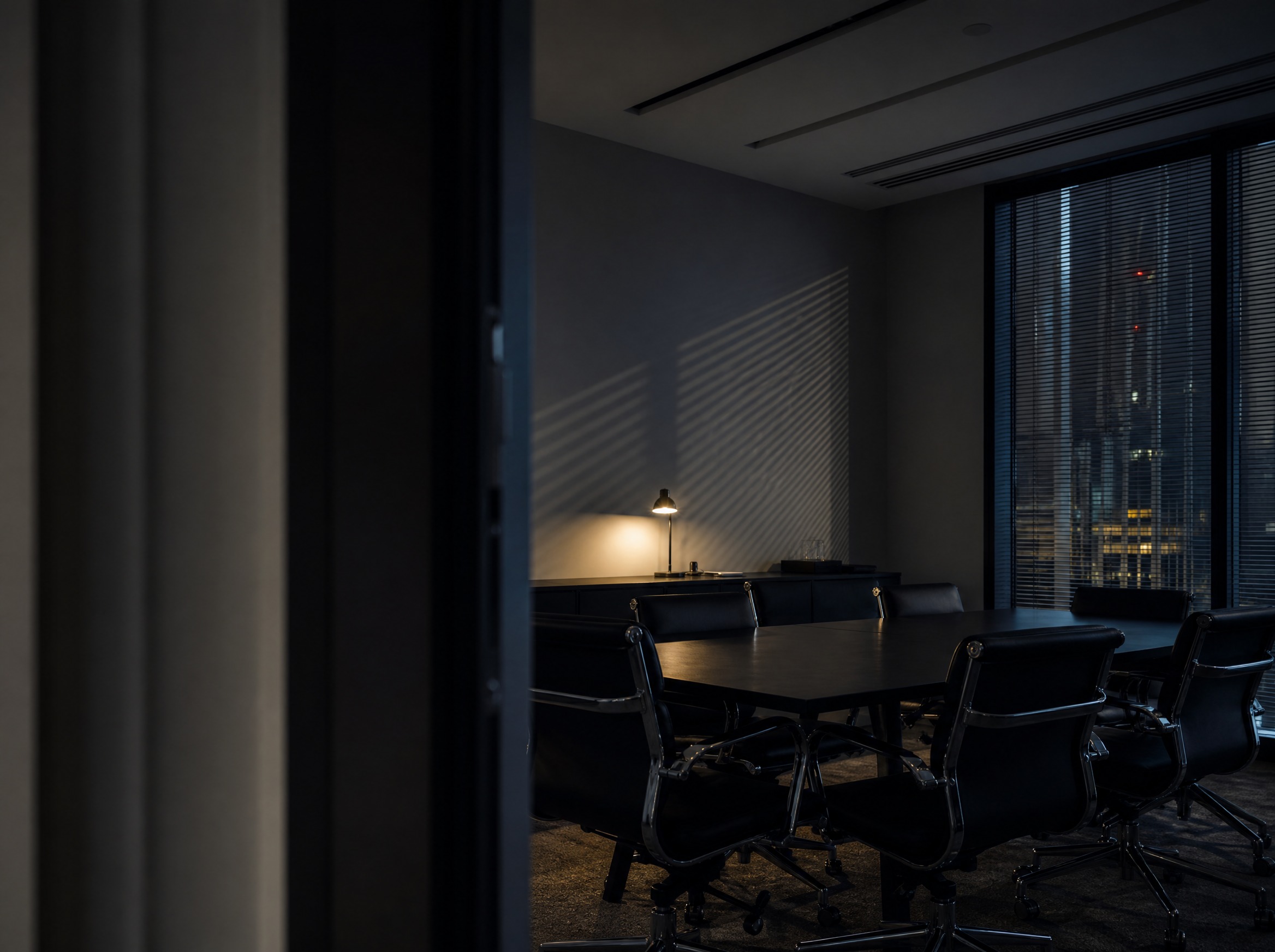
Mitigate
Threat and Risk MitigationStructured assessment that identifies where exposure exists and reduces it through proportionate, intelligence led measures across people, places and routine.
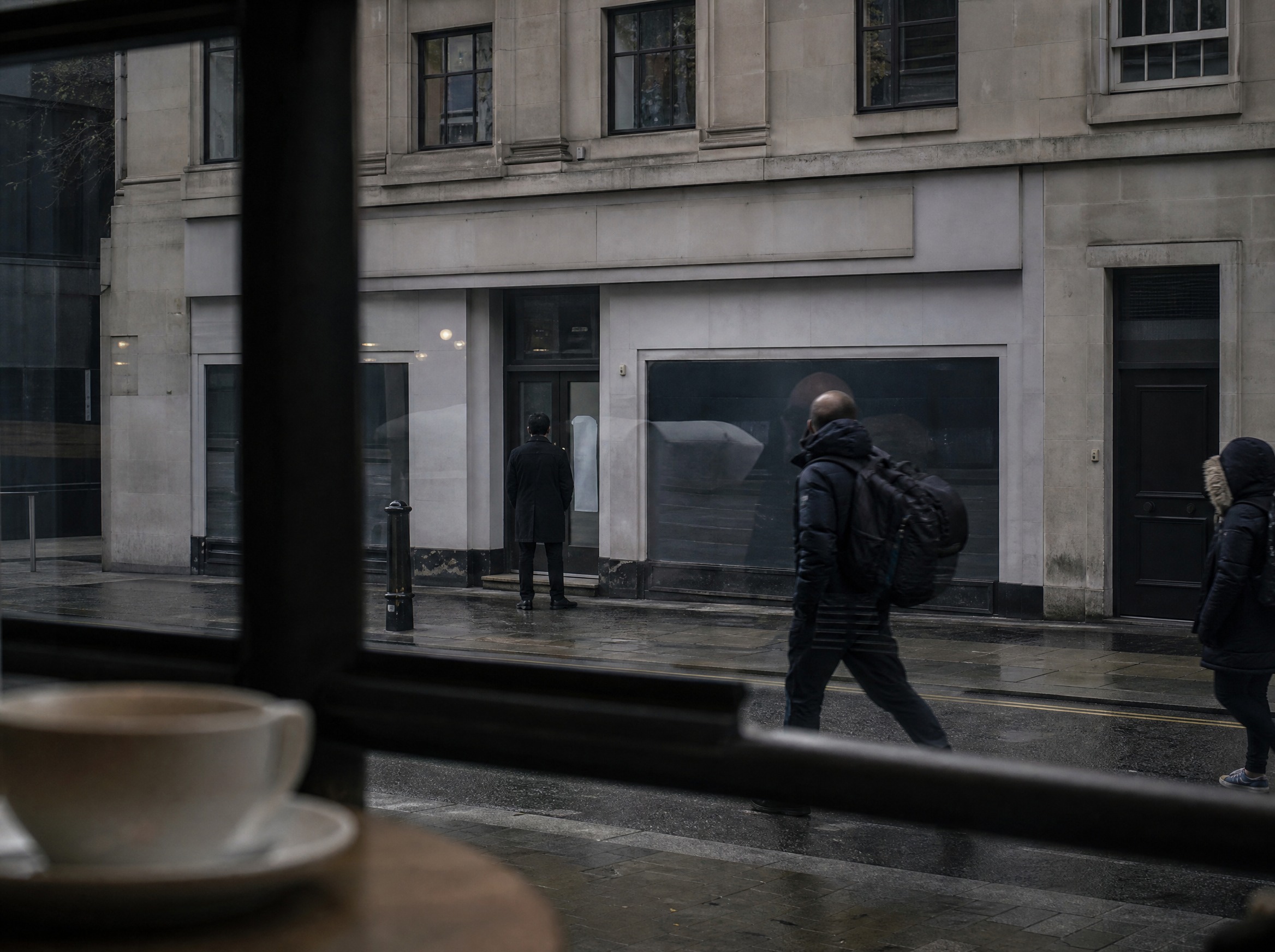
Detect
Surveillance DetectionSurveillance detection identifies hostile interest and emerging patterns of activity, providing early warning of potential threats before targeting progresses to action.
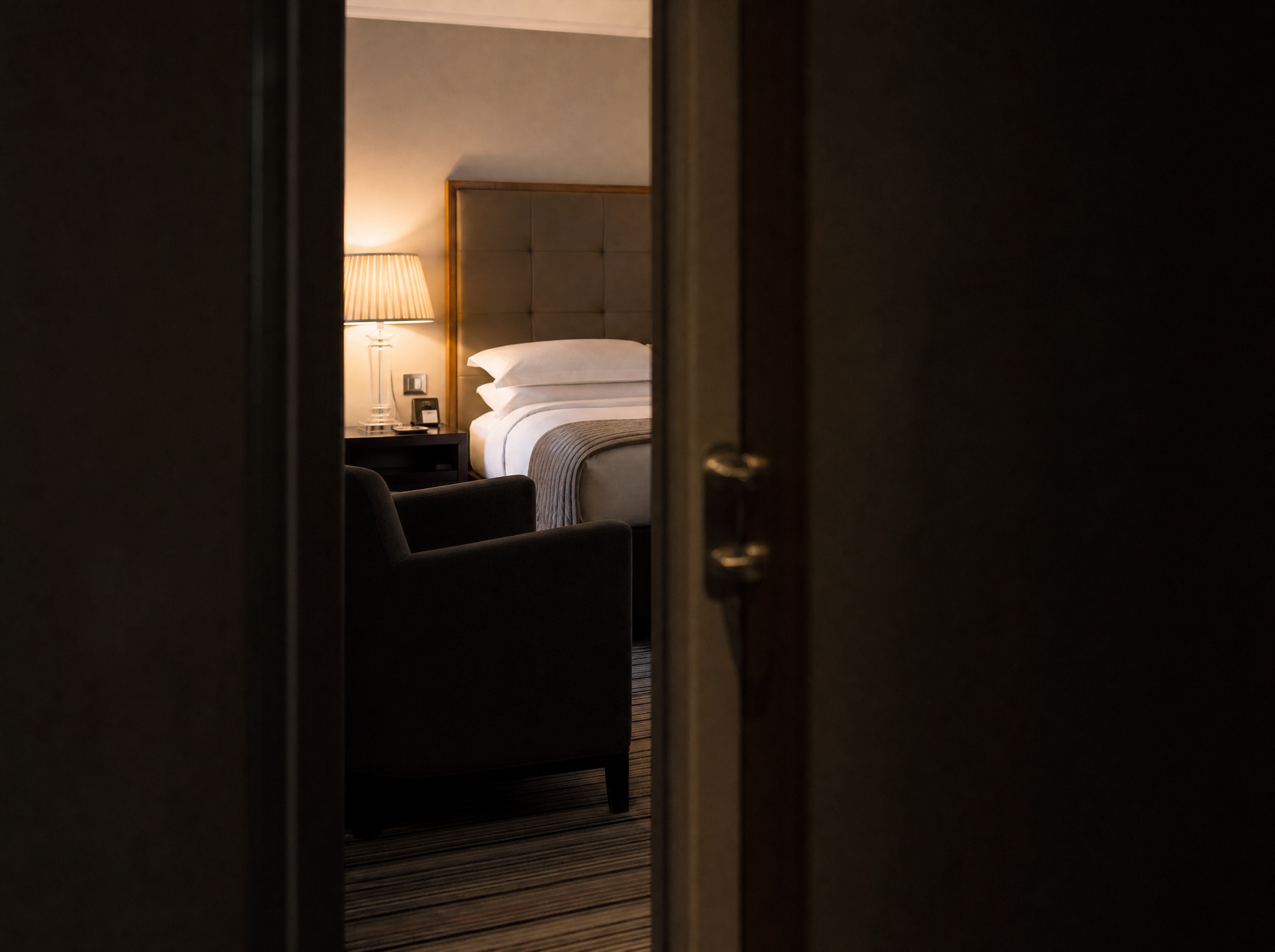
Sweep
Technical SurveillanceTechnical surveillance that detects covert devices, unauthorised transmissions and technical compromise across residences, offices and sensitive environments.

Secure
Security ChauffeuringSecure movement delivered through trained protective drivers, intelligence led route planning and continuous situational awareness.
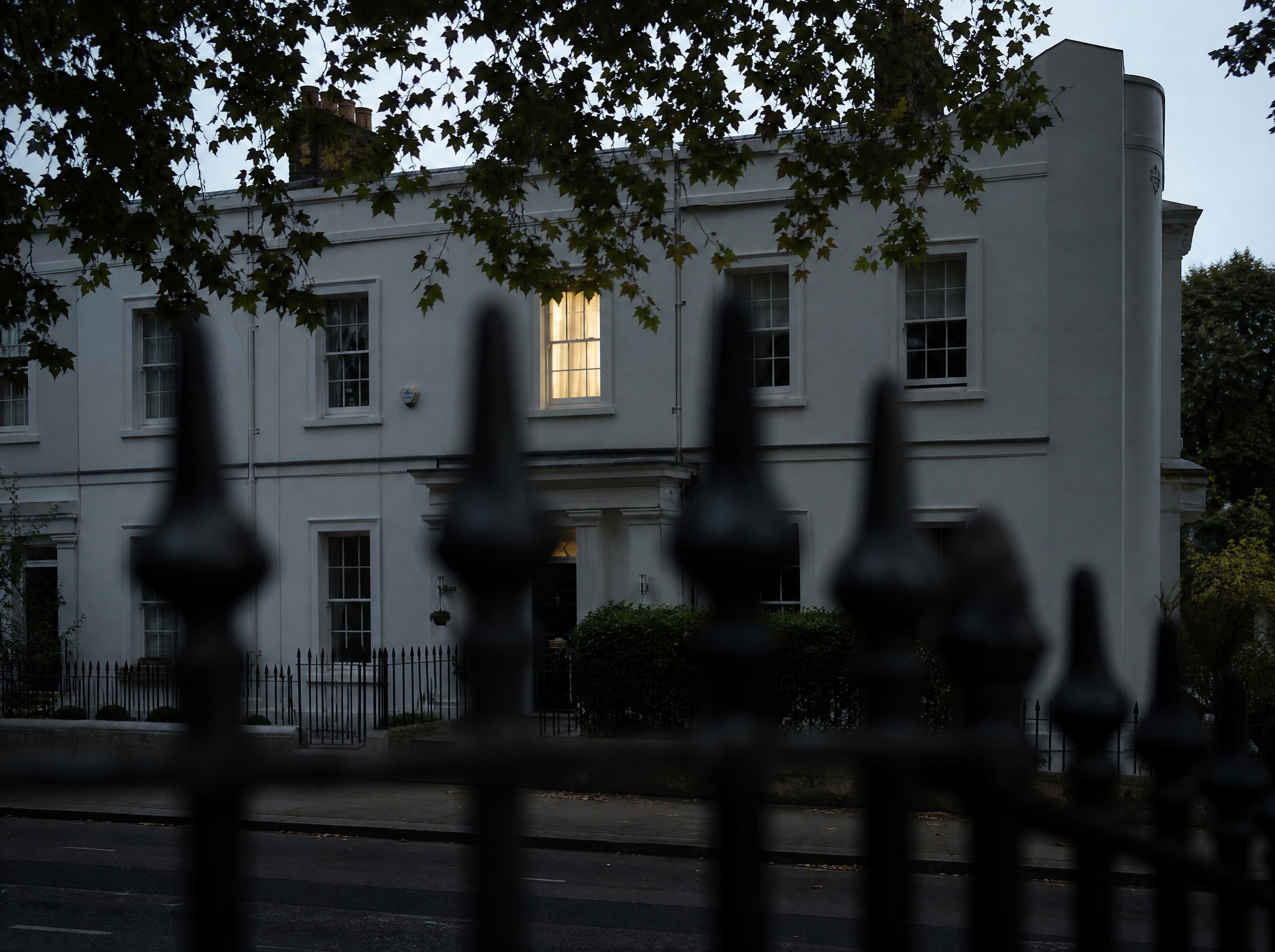
Fortify
Residential ProtectionResidential protection for private homes and estates, drawing on assessment, access control and continuity to protect principals and families at home.

Respond
Close Proximity ResponseA discreet, client carried alert and live location capability that lets a protective team maintain proximity and respond immediately, without an overt security presence.