
Discreet residential and intelligence support across Suffolk. Coverage is shaped by country estates, a quiet coastline and the second and principal homes of private clients seeking privacy and continuity in a rural setting.
Suffolk is a rural county of farmland, market towns and a discreet coastline. Its exposure is quiet and residential rather than crowded. Country estates and period houses sit in open land reached by long private drives, and the coastal towns of Aldeburgh and Southwold hold second homes and principal residences belonging to London based private clients. Newmarket, on the western edge, adds high value bloodstock and racing interests. The character of the risk is shaped by isolation and routine. Properties are set apart from close neighbours, sightlines are long, and arrival and departure are visible across open country. Households often rely on staff, contractors and estate workers, which widens the circle of access. Routine is predictable in a rural setting, where the same journeys, the same suppliers and the same daily patterns recur. The county is calm, but the seclusion that makes it attractive is also what leaves isolated properties, their occupants and their staff requiring considered protective attention.

We work with the realities of rural properties. We assess the estate or residence as a whole: its approaches and drives, its boundaries and sightlines, its outbuildings and the pattern of daily movement across open land. Residential protection draws on assessment, access control and continuity to protect principals and families at home without imposing a visible presence on a rural setting. Where households rely on staff, contractors and estate workers, we address the exposure that comes with a wider circle of access, discreetly and in proportion. Protective intelligence supports decision making by assessing routine, visitors and the profile of an isolated property. For clients who move between a London base and a Suffolk home we maintain continuity across both. Where a principal wishes to retain proximity to a protective response in a rural setting, we can plan and integrate a discreet client carried capability. Discretion is maintained throughout, consistent with the privacy that draws clients to the county.
Residential Protection draws on assessment, access control and continuity to protect principals and families at isolated estates and coastal homes across the county.
Protective Intelligence supports decision making by assessing routine, visitors, household access and the profile of a secluded rural property.
Close Proximity Response is a discreet client carried alert and live location capability that lets a protective team maintain proximity and respond in a rural setting, arranged through prior planning and integration.
Suffolk work covers coastal and inland estates across a sparsely populated county with a small road network and long distances between properties. The exposure is rural and residential, and it is shaped by isolation.
Estates here are frequently working ones, with farm buildings, let cottages, permissive paths and a working population moving across the land through the day. That makes the distinction between legitimate and unexplained presence considerably harder than on a purely residential property, and the survey concentrates on establishing what normal actually looks like across a large site.
Coastal properties carry an additional boundary that is open, publicly accessible and unlit, with approach possible from the shoreline and from footpaths that run along it.
As elsewhere in the country, detection is set outward from the house to buy time against a response measured in tens of minutes, and the household is prepared for that interval rather than assumed to be rescued within it.
Many properties are second homes or seasonal residences belonging to London based families, and occupancy is legible locally. The empty months are planned for directly.
An hour west, Cambridge carries most of the professional requirement in this part of the country.
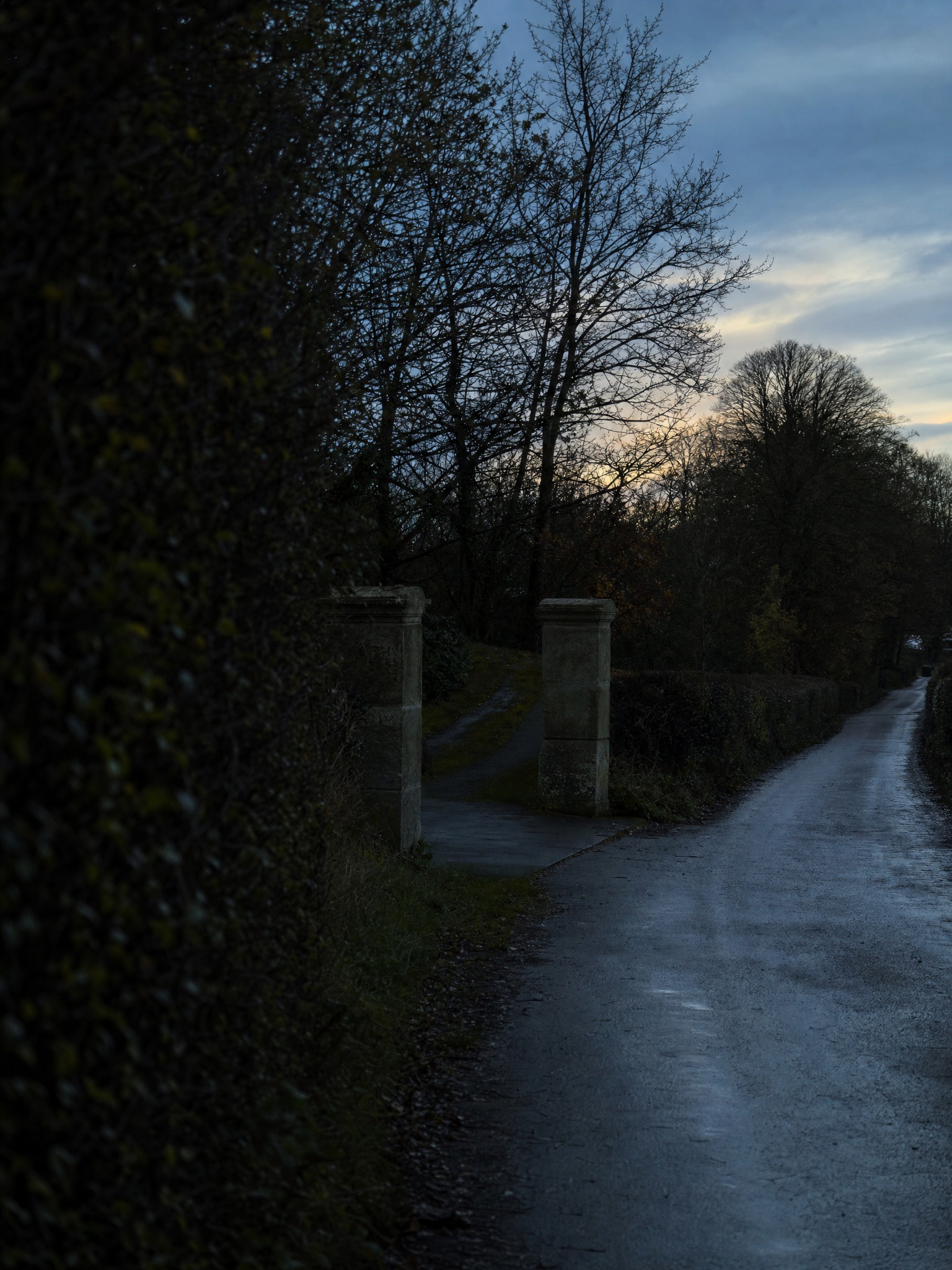
Occupation is seasonal and locally understood. Second homes and coastal properties fill through the summer and over holidays and stand empty for long stretches otherwise, and in a sparsely populated county that is widely known.
The summer weeks bring substantial visiting population to the coast and to the festival venues, changing both the volume and the anonymity of movement on a small road network.
The winter months leave properties at their least observed, on long approaches with no passing footfall and a response measured in tens of minutes.
The equivalent country pattern in the west is the Cotswolds, and the considerations are close to identical.
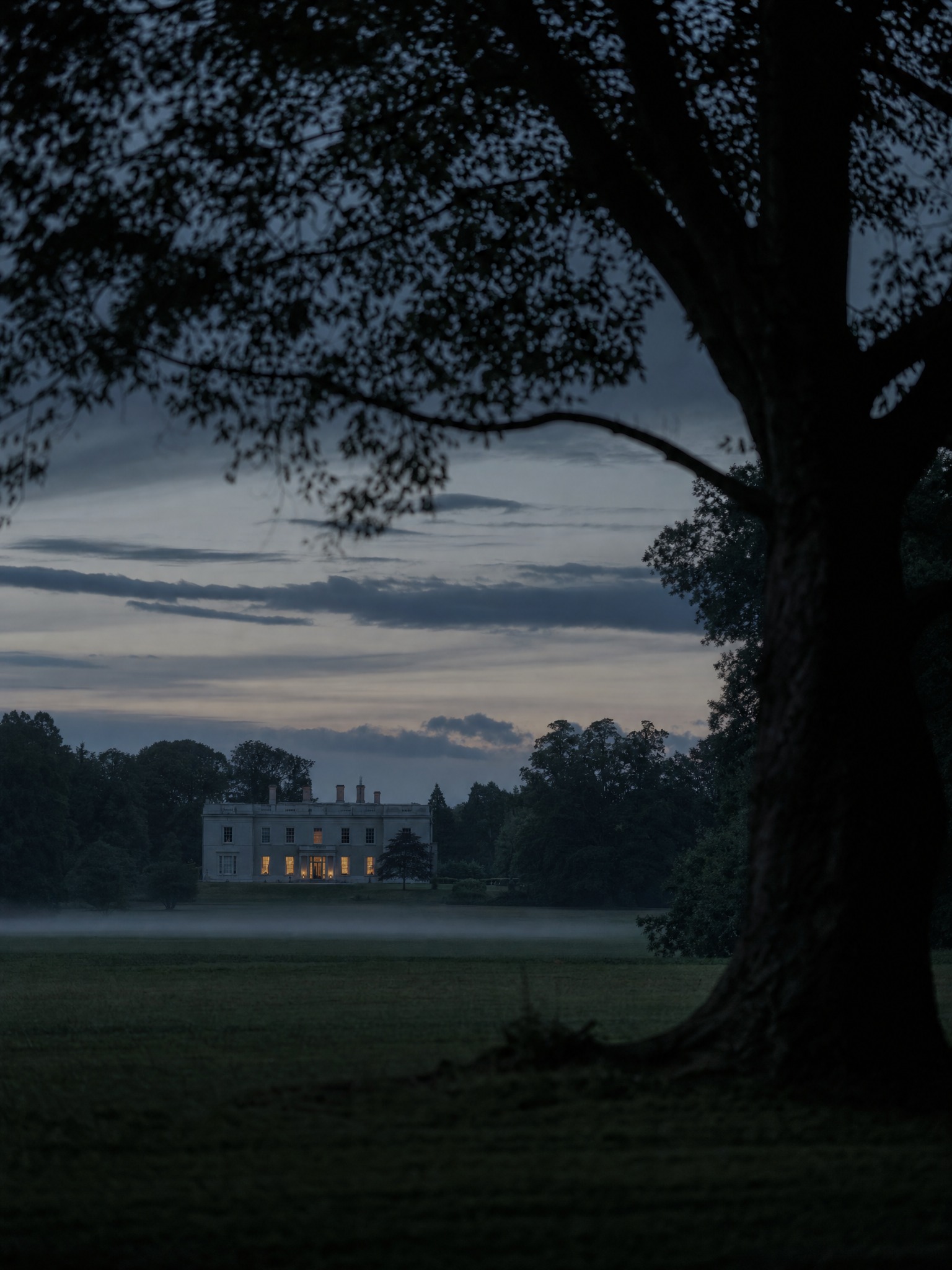
The typical requirement is a rural or coastal property standing empty for long periods, belonging to a household based elsewhere. Occupancy is the central issue and the assessment treats it as a variable rather than a fixed condition.
Working estates present a distinct problem. Farm staff, tenants, contractors and permissive access mean a great deal of legitimate movement across the land, and the work concentrates on establishing what normal looks like rather than treating all presence as unusual.
Coastal properties carry an additional open boundary with footpaths that are used legitimately at hours when a residential street would be empty.
Security chauffeuring is requested for the movement between the county and London, and executive protection around periods of raised profile.
Technical work is uncommon and usually follows building work.
Rural residential work is set out at length under residential protection in the Cotswolds, and the reasoning transfers directly.
On roads with no through traffic, a repeated vehicle is noticed quickly, and surveillance detection is how that is confirmed or dismissed.
All enquiries are handled discreetly and reviewed before engagement suitability is determined. Information should be limited to what is necessary to outline the matter. Where appropriate, further contact is arranged following review.

Protect
Executive ProtectionDiscreet, intelligence led executive protection for private clients, principals and families, designed to reduce exposure and preserve freedom of movement without unnecessary visible presence.

Mitigate
Threat and Risk MitigationStructured assessment that identifies where exposure exists and reduces it through proportionate, intelligence led measures across people, places and routine.

Detect
Surveillance DetectionSurveillance detection identifies hostile interest and emerging patterns of activity, providing early warning of potential threats before targeting progresses to action.
Sweep
Technical SurveillanceTechnical surveillance that detects covert devices, unauthorised transmissions and technical compromise across residences, offices and sensitive environments.

Secure
Security ChauffeuringSecure movement delivered through trained protective drivers, intelligence led route planning and continuous situational awareness.
Fortify
Residential ProtectionResidential protection for private homes and estates, drawing on assessment, access control and continuity to protect principals and families at home.

Respond
Close Proximity ResponseA discreet, client carried alert and live location capability that lets a protective team maintain proximity and respond immediately, without an overt security presence.