
Discreet protective and intelligence support across Essex. Coverage is shaped by the affluent belt inside the M25 around Chigwell, Loughton and Brentwood, the market towns and country houses of the north, and the airport, motorway and rail corridors that carry the county's movement.
Essex holds two kinds of wealth and they sit at opposite ends of the county. On the London fringe, inside and just beyond the M25, Chigwell, Loughton, Buckhurst Hill and Brentwood form a belt of large detached houses behind high walls and electric gates, home to Premier League players, television and media figures, property developers and business owners whose profile is often public. Epping Forest bounds it to the north and west, the Central line and the Elizabeth line from Shenfield carry it into the City and Canary Wharf, and the M11 and A12 lead out. North and east the county changes character. Saffron Walden, Thaxted and the Uttlesford villages hold Georgian and timber framed houses and country property within reach of Cambridge and Stansted, and the Dedham Vale, Colchester and the Blackwater and Crouch estuaries carry established families, sailing and land. Stansted handles business aviation as well as scheduled traffic, and London Gateway, Tilbury and Harwich move freight through the south and east. Exposure concentrates behind the gates of the London fringe, where profile is high and addresses are widely known.
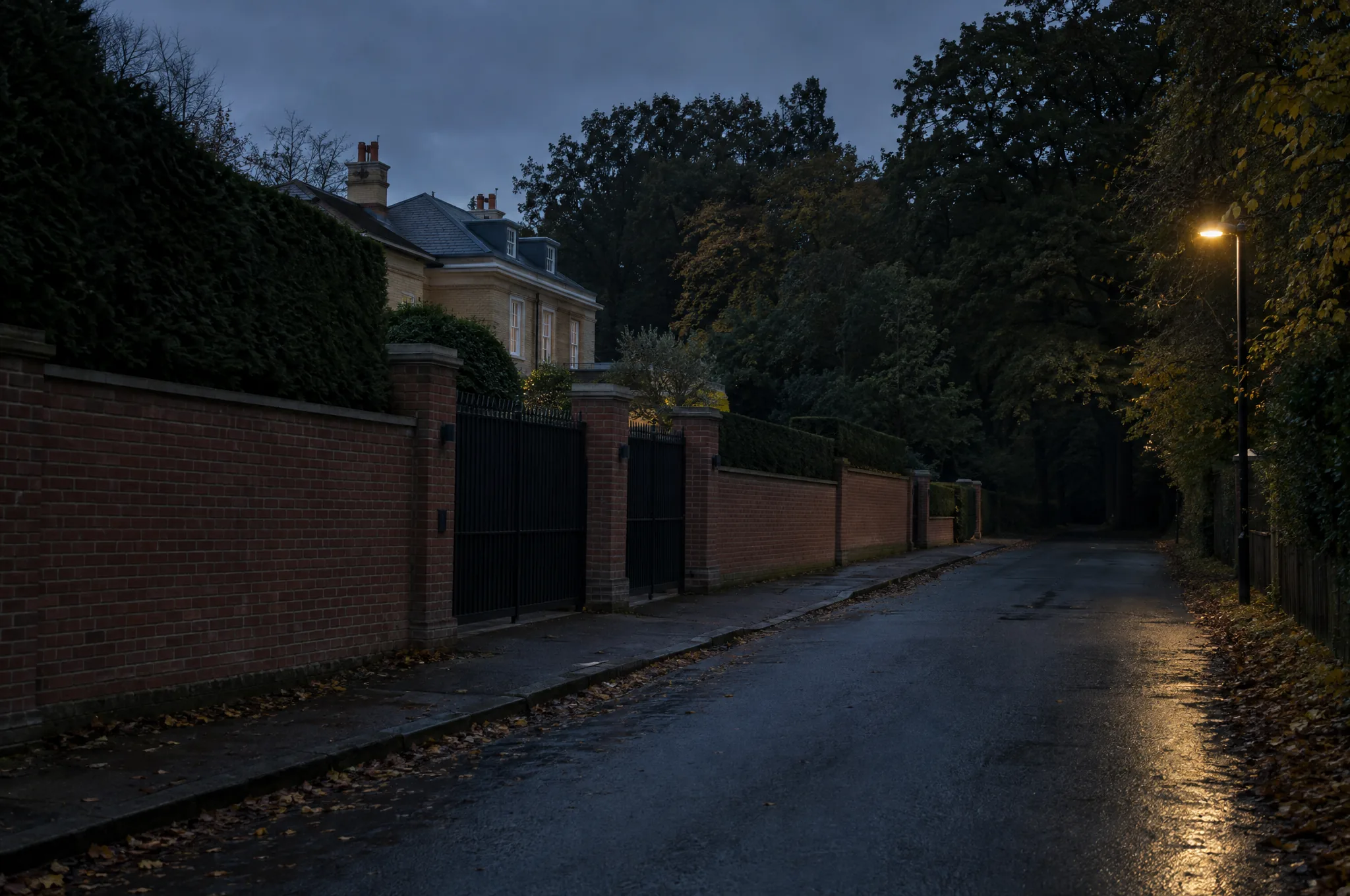
Around Chigwell and Brentwood a principal's profile frequently precedes the address: the houses are known, the cars are known and the fixtures are published, so the residence is assessed on the assumption that it has already been looked at. Access control, the pattern of household staff and the approaches from Epping Forest and the surrounding lanes are the usual findings. Movement to training grounds, studios, the City and the airports is planned to keep time in public view short. Match days and public appearances are handled as periods of raised exposure with their own plan. In the north the requirement is quieter and more rural, with long boundaries, footpaths and villages that notice a stranger. We plan the Stansted departure and the M11 corridor as one movement, and we keep coverage in proportion to the setting. A conspicuous team draws attention in a county that is used to noticing wealth.
Executive Protection is engaged by players, presenters and business owners for match days, West End appearances and weeks when a story reaches the press.
Residential Protection divides between gated houses on the London fringe, where the wall exists but the access circle is unknown, and northern country houses bounded by footpaths.
Surveillance Detection establishes whether a vehicle near a home, a forest car park or a training ground is recurring, and says so plainly.
The belt inside the M25 carries most of the requirement and most of the profile, and the work there begins from the assumption that the household is already known.
Houses around Chigwell and Chigwell Row are large, walled and gated, and their owners are among the most publicly visible private residents in the country. Fixtures, filming schedules and social media place them at known venues on known dates, and the address itself is rarely a secret. The assessment starts from that assumption.
Epping Forest wraps Loughton and Buckhurst Hill on three sides. It gives residents their privacy and gives anyone else thousands of acres of public, unlit approach to residential boundaries, with the Central line and the M11 a few minutes away.
Further east, Hutton Mount and the private roads of Brentwood and Shenfield present a more settled picture, with the Elizabeth line and the A12 shaping a commute into the City.
The forest towns share a road network that is easy to observe. The A121, the A104 and the roads to the M25 junctions are few, a household's vehicles are quickly learned, and the school run and the drive to training overlap at the gate each morning.
North of the M25 the county opens into farmland and the pattern becomes rural. Distances are longer, the lanes have no alternatives and the villages of Uttlesford and the Rodings keep their own watch.
Across the border the same commuter pattern continues into Hertfordshire, which shares the M25 and the Stansted corridor.
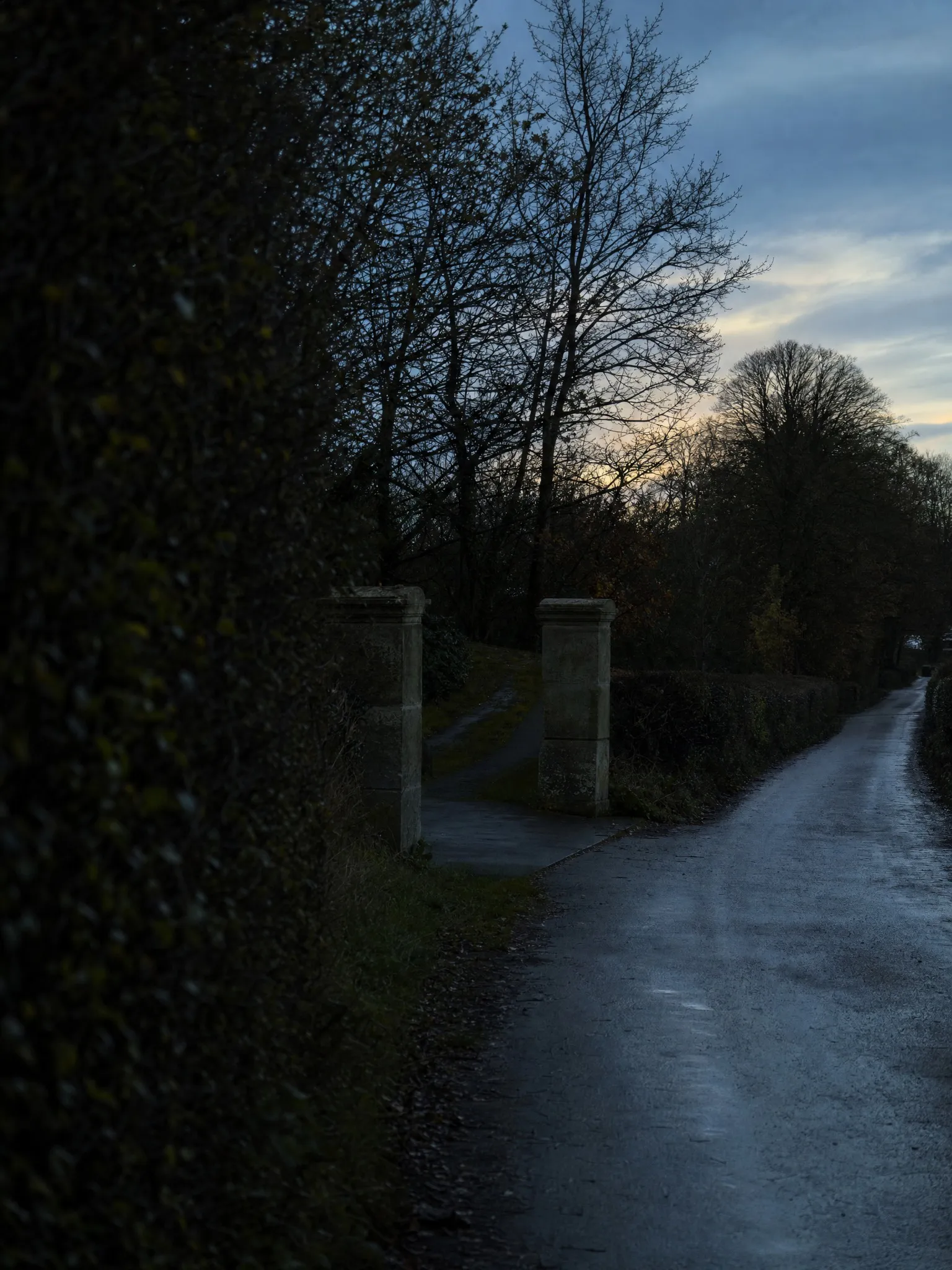
The football season sets the calendar on the London fringe. Match days, cup fixtures and the start and end of the season put players and their families at known grounds on published dates, and the transfer windows in summer and January bring press, agents and attention to home addresses.
Filming and broadcast schedules produce the same effect for media principals, and a launch, a series or a public dispute raises exposure for weeks at a time.
Summer moves the county outdoors. Burnham Week fills the Crouch in late August, the Blackwater and the Colne carry sailing through the season, and Audley End near Saffron Walden hosts open air concerts that fill the lanes of the north for a run of evenings.
Term dates at Chigwell School, Brentwood School, Felsted and New Hall fix the morning pattern for much of the year, and the August departures through Stansted are the most predictable movement many families make.
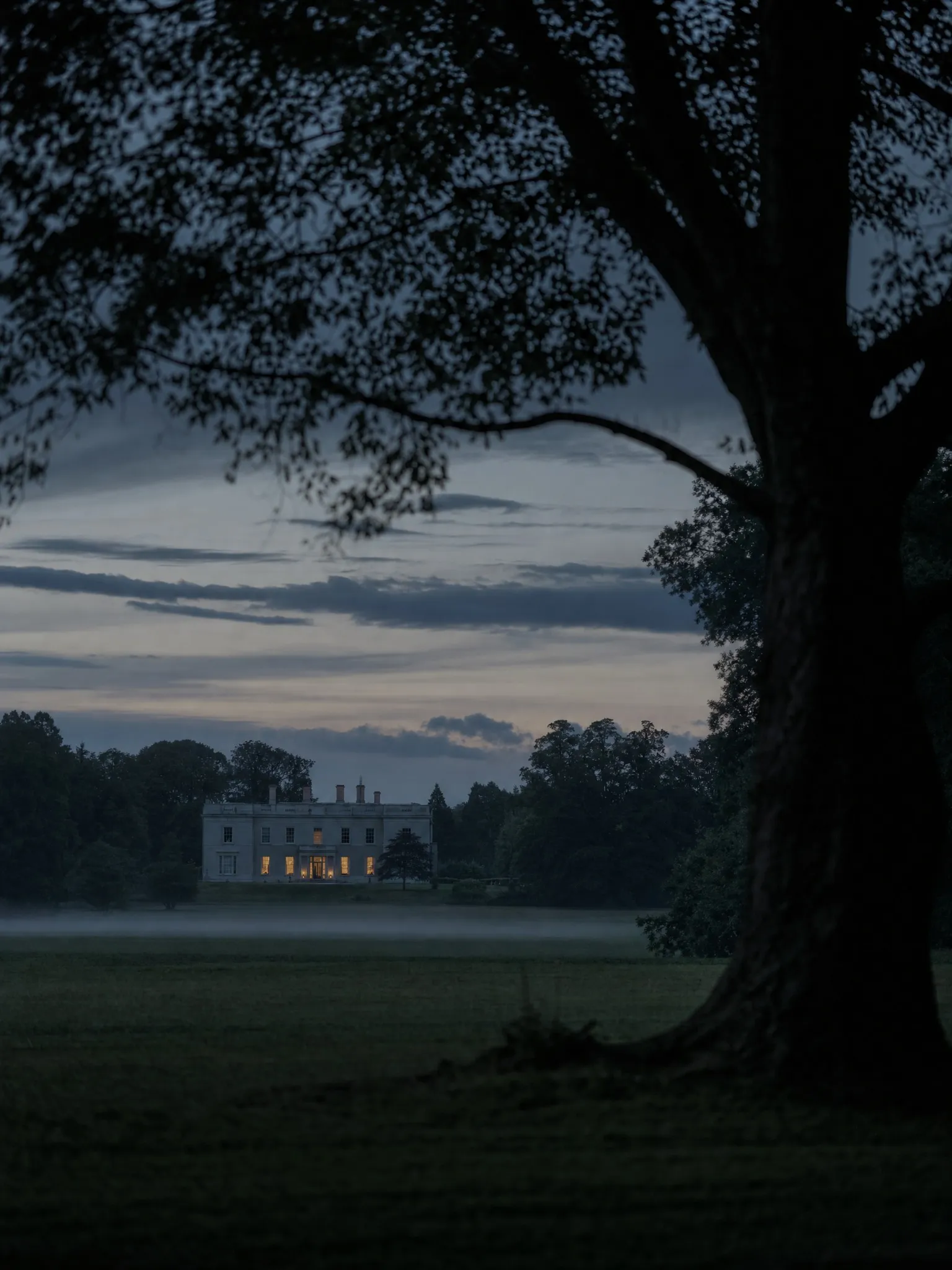
Residential assessment of a gated house on the London fringe is the most frequent request. The wall and the gate are usually in place. The questions are about who has been inside, which cars are known, how the household's movements are published without anyone intending it, and how the forest and the lanes approach the boundary. This work is covered under residential protection.
Executive protection follows, requested by players, presenters and business owners around fixtures, appearances and periods when a matter has reached the press.
Security chauffeuring covers principals whose journeys to training grounds, studios, the City and Stansted are repeated and observable.
Family offices ask for the question of unwanted attention to be answered properly, which means establishing whether a presence is repeated rather than living with an impression.
In the north, country households ask for the estate and the village to be considered together, usually after a purchase, and the finding is more often about footpaths and contractors than about the gate.
Rooms, cars and gate systems are examined once a rebuild ends and when a relationship or a household changes. Agents and advisers sometimes ask on a principal's behalf before a contract is signed.
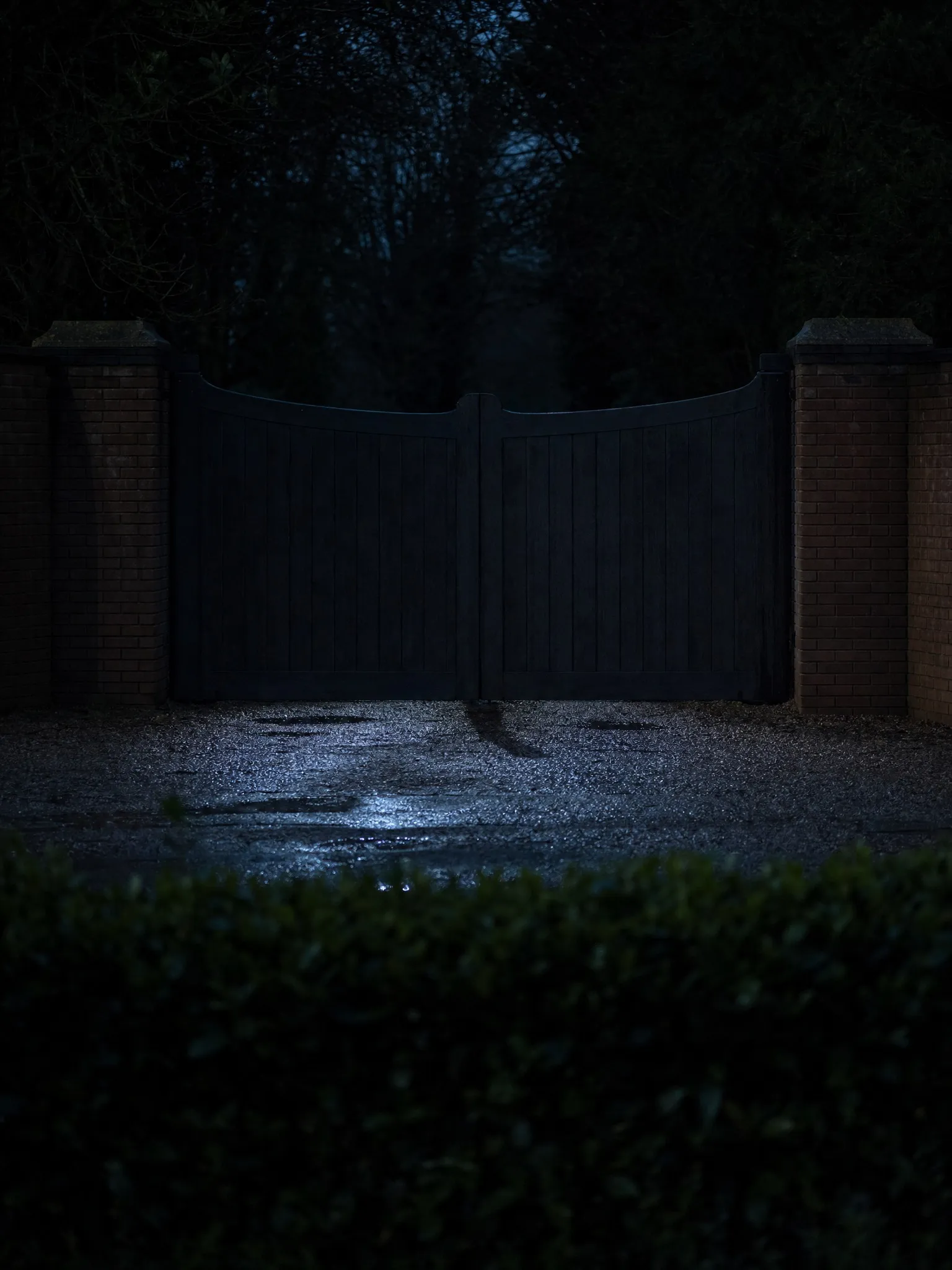
All enquiries are handled discreetly and reviewed before engagement suitability is determined. Information should be limited to what is necessary to outline the matter. Where appropriate, further contact is arranged following review.

Protect
Executive ProtectionDiscreet, intelligence led executive protection for private clients, principals and families, designed to reduce exposure and preserve freedom of movement without unnecessary visible presence.

Mitigate
Threat and Risk MitigationStructured assessment that identifies where exposure exists and reduces it through proportionate, targeted measures across people, places and routine.

Detect
Surveillance DetectionSurveillance detection identifies hostile interest and emerging patterns of activity, providing early warning of potential threats before targeting progresses to action.
Sweep
Technical SurveillanceTechnical surveillance that detects covert devices, unauthorised transmissions and technical compromise across residences, offices and sensitive environments.

Secure
Security ChauffeuringSecure movement delivered through trained protective drivers, considered route planning and continuous situational awareness.
Fortify
Residential ProtectionResidential protection for private homes and estates, drawing on assessment, access control and continuity to protect principals and families at home.

Respond
Close Proximity Response™A discreet, client carried alert and live location capability that lets a protective team maintain proximity and respond immediately, without an overt security presence.