
Discreet protective and intelligence support in Cardiff. Coverage is shaped by the Senedd and the Welsh Government, a broadcasting and professional services core, the affluent suburbs to the north and west, and a stadium in the middle of the city that fills it on fixed dates.
Cardiff is the capital of Wales and carries the exposure of a capital in a city of moderate size. The Senedd sits on the waterfront in Cardiff Bay, the Welsh Government occupies Cathays Park beside the civic centre, and the BBC's Welsh headquarters stands at Central Square opposite the station. Financial and professional services, broadcasting, law and the university give the centre a working population with a public face, and the Principality Stadium stands at the heart of the shopping streets. The wealth is residential and lies to the north and west. Cyncoed and Lisvane hold large detached houses on the slopes above Roath Park, Llandaff keeps its cathedral village character around the Cathedral School, and the Victorian villas of Pontcanna along Cathedral Road are the city's most sought after period addresses. Penarth adds a coastal quarter to the south. Movement runs east along the M4 to Bristol and London, with Paddington under two hours from Cardiff Central, and to Cardiff Airport at Rhoose. It is a capital whose public figures live ten minutes from their offices.
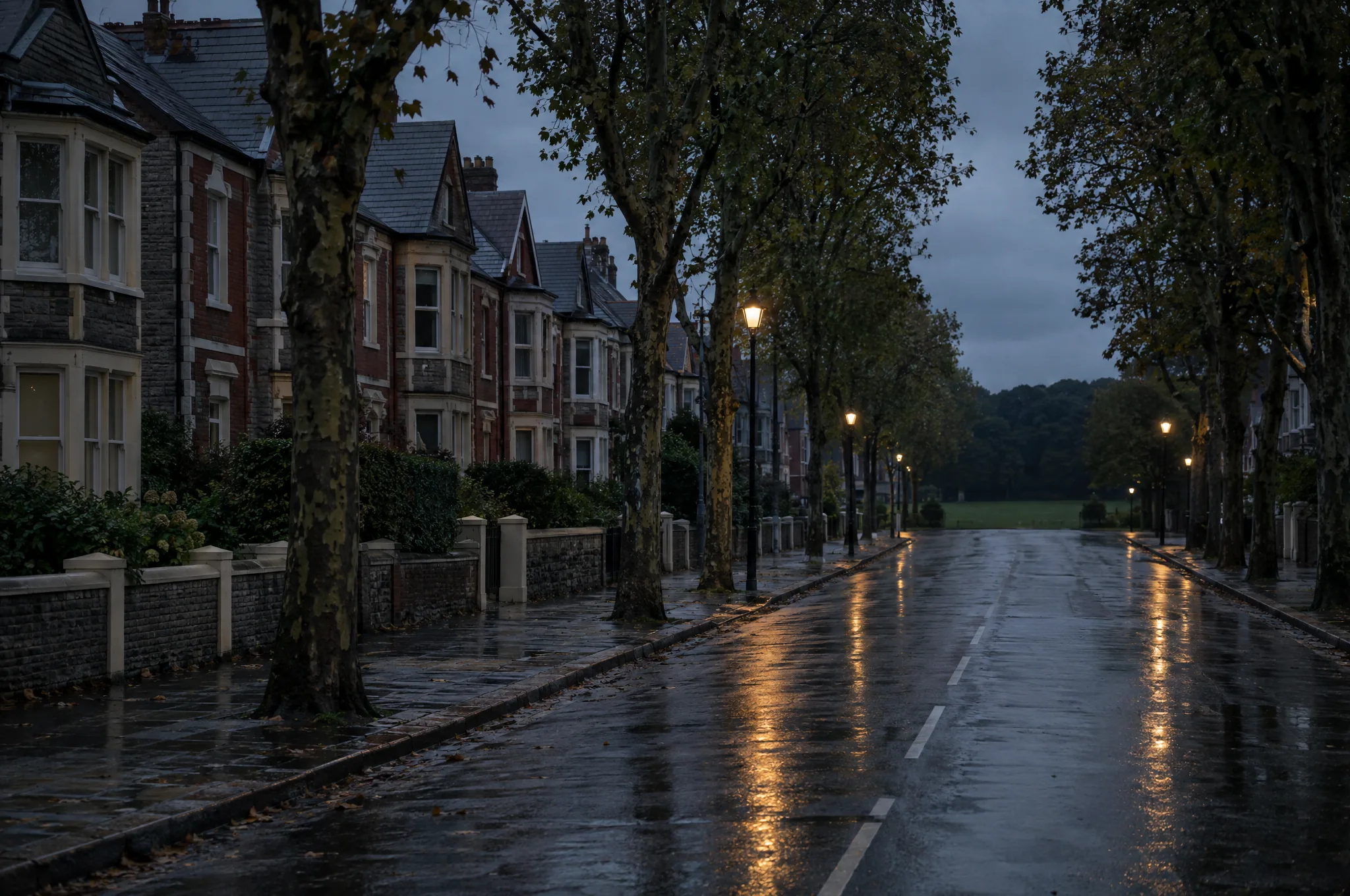
We work in Cardiff across two settings that touch constantly. The first is public life: the Bay, Cathays Park, the broadcasting studios and the venues where a principal is known by face and present on a published timetable. The second is the suburbs, where the same principal lives in a house that colleagues, journalists and the public can find without difficulty. We plan movement between them with attention to how few roads carry it, and on stadium dates we plan around a closed centre. Residentially we assess the northern suburbs as they are, with parkland against garden boundaries, lanes behind the larger plots and neighbours who notice a car that does not belong. For the Bristol and London journeys we treat the M4 and the Severn crossing as a single fixed corridor. The footprint is one officer who fits the setting and does not read as a detail.
Executive Protection in Cardiff attends government, broadcasting and business principals between the Senedd, the Principality Stadium and the Bay hotels, at a scale the city does not read as security.
Threat and Risk Mitigation puts a Welsh public figure's broadcast schedule, correspondence file and findable house in Cyncoed or Llandaff side by side and weighs the combination.
Residential Protection extends from the large houses of Cyncoed, Lisvane and Llandaff to the Penarth seafront, where the Esplanade puts the public at the garden wall.
Cardiff's exposure is public before it is private. A significant number of principals here hold roles that are visible by design, in government, in broadcasting, in sport and in the professions, and the timetable that goes with those roles is largely published.
Public life is concentrated in a small area. The Senedd, the government offices, the studios and the stadium are within a mile of each other, and the same faces move between them on foot along the same streets.
The stadium is the defining fact of the centre. On international and concert dates the roads around it close, the trains fill, and a principal who has to be in the city that day moves through a crowd of tens of thousands rather than around it. Those dates are known a year ahead and are planned that far in advance.
Residentially the suburbs are prosperous and settled. Cyncoed and Lisvane back onto parkland, reservoirs and open country, Pontcanna's villas open onto the fields behind Cathedral Road, and rear lanes serve many of the larger plots. The boundary at the back is walked before the one at the front.
Correspondence is a recurring feature. Public roles here attract letters, messages and approaches, and a household is usually asked to keep them and pass them on rather than to dismiss them, because the pattern matters more than any single item.
The M4 corridor is the working link east. Principals with interests in Bristol cross the Severn several times a week on a road with no practical alternative.
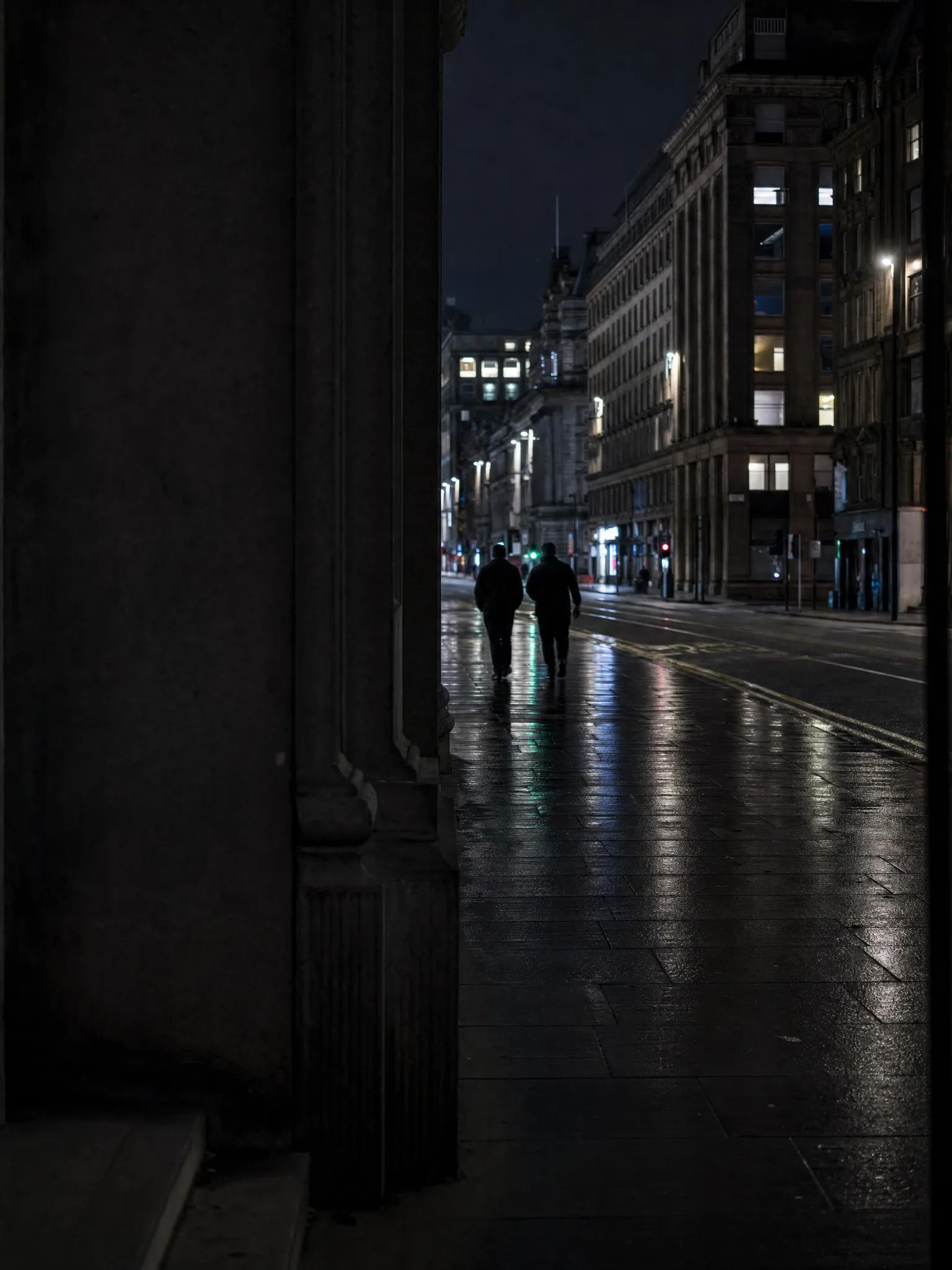
The rugby calendar sets Cardiff's year. The Six Nations closes the centre on two or three Saturdays between February and March, the autumn internationals do the same in November, and the summer concert season fills the stadium and the hotels on dates published well ahead. Football at the Cardiff City Stadium and cricket at Sophia Gardens add their own fixtures.
The political calendar runs alongside. Senedd terms, budget rounds and election periods raise the visibility of anyone in public office, and a public figure is most exposed at the events around them rather than in the chamber.
Residentially the winter carries the higher risk, when early darkness leaves parkland, lakeside paths and rear lanes unobserved against the northern suburbs for long evenings, and the Christmas break empties a proportion of the larger houses.
Households that keep a second property across the water in Bath move between the two on a weekend pattern that is easy to learn.
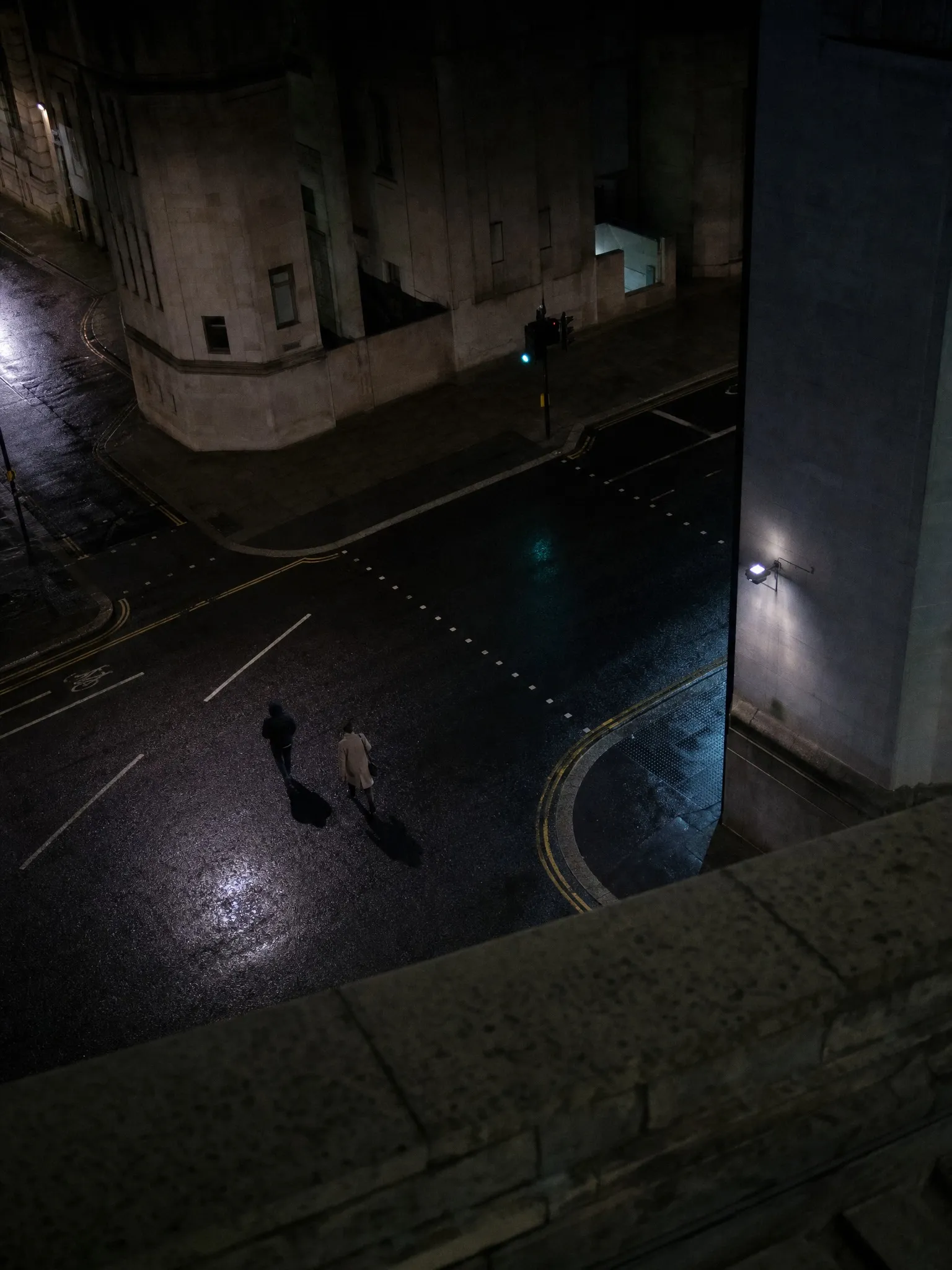
Protection for a public figure leads in Cardiff, and the enquiry tends to follow a change in profile: a new appointment, a broadcast, a decision that drew attention or a period of hostile correspondence. The request is for someone present at the events, the studios and the walk between them without the appearance of a detail.
Residential assessments follow, mostly in Cyncoed, Lisvane and Llandaff, where the finding is usually about the rear boundary and the circle of people who know the household's routine.
Members and officials working around the Senedd ask for a standing review of their correspondence, run as threat and risk mitigation rather than as an afterthought.
Security chauffeuring covers the M4 to Bristol and London and the airport, and on stadium dates the planning of any movement through the centre at all.
Sporting principals ask for the house and the family to be covered while they are away with the squad, and for the walk from the ground to the car to be planned on the days they are recognised most.
Private offices and chambers ask for a single point of contact across the office, the home and the journey east, with reporting kept short and infrequent.
Offices in the Bay and at Central Square ask for a technical surveillance examination before sensitive meetings and after refits.
All enquiries are handled discreetly and reviewed before engagement suitability is determined. Information should be limited to what is necessary to outline the matter. Where appropriate, further contact is arranged following review.
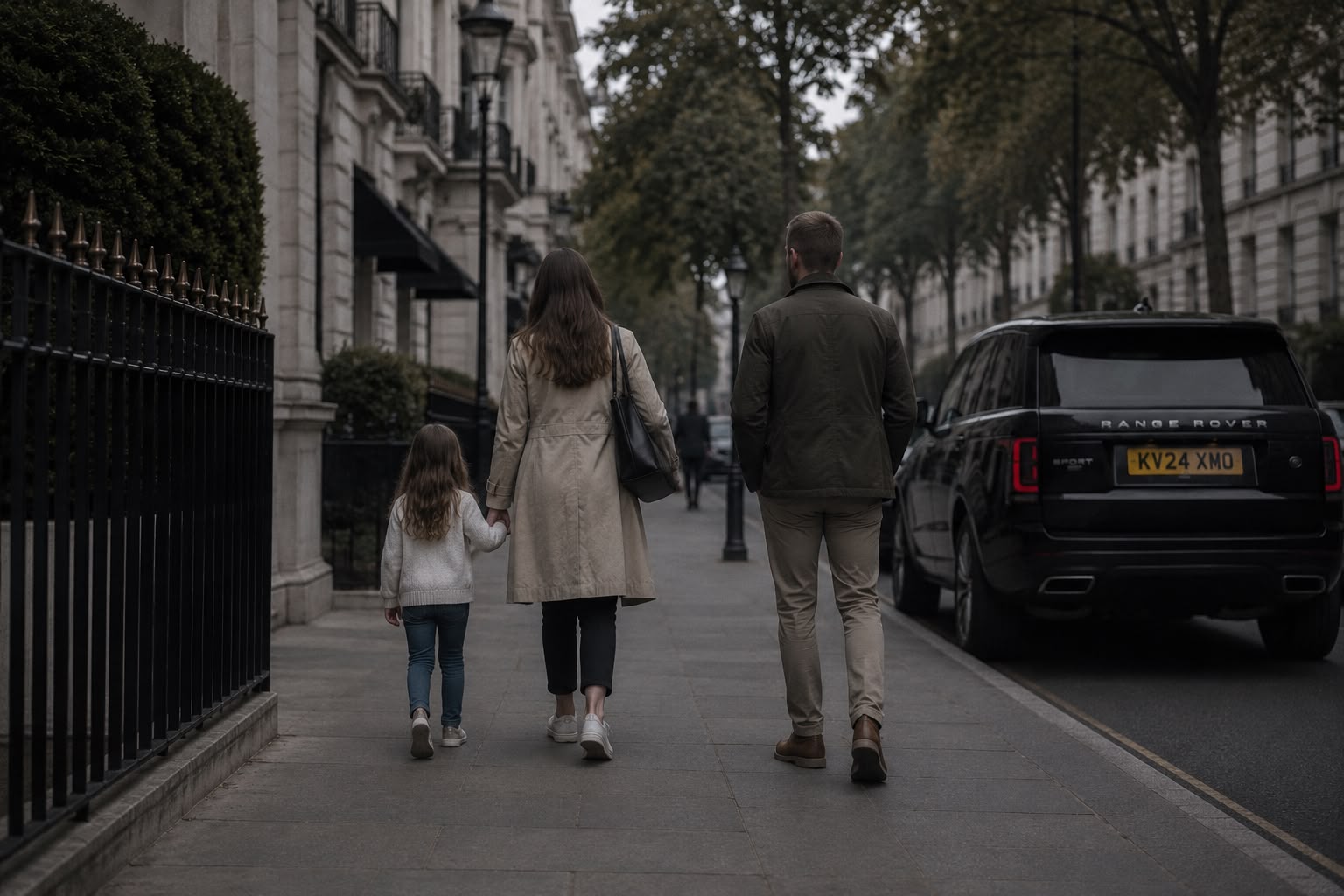
Protect
Executive ProtectionDiscreet, intelligence led executive protection for private clients, principals and families, designed to reduce exposure and preserve freedom of movement without unnecessary visible presence.
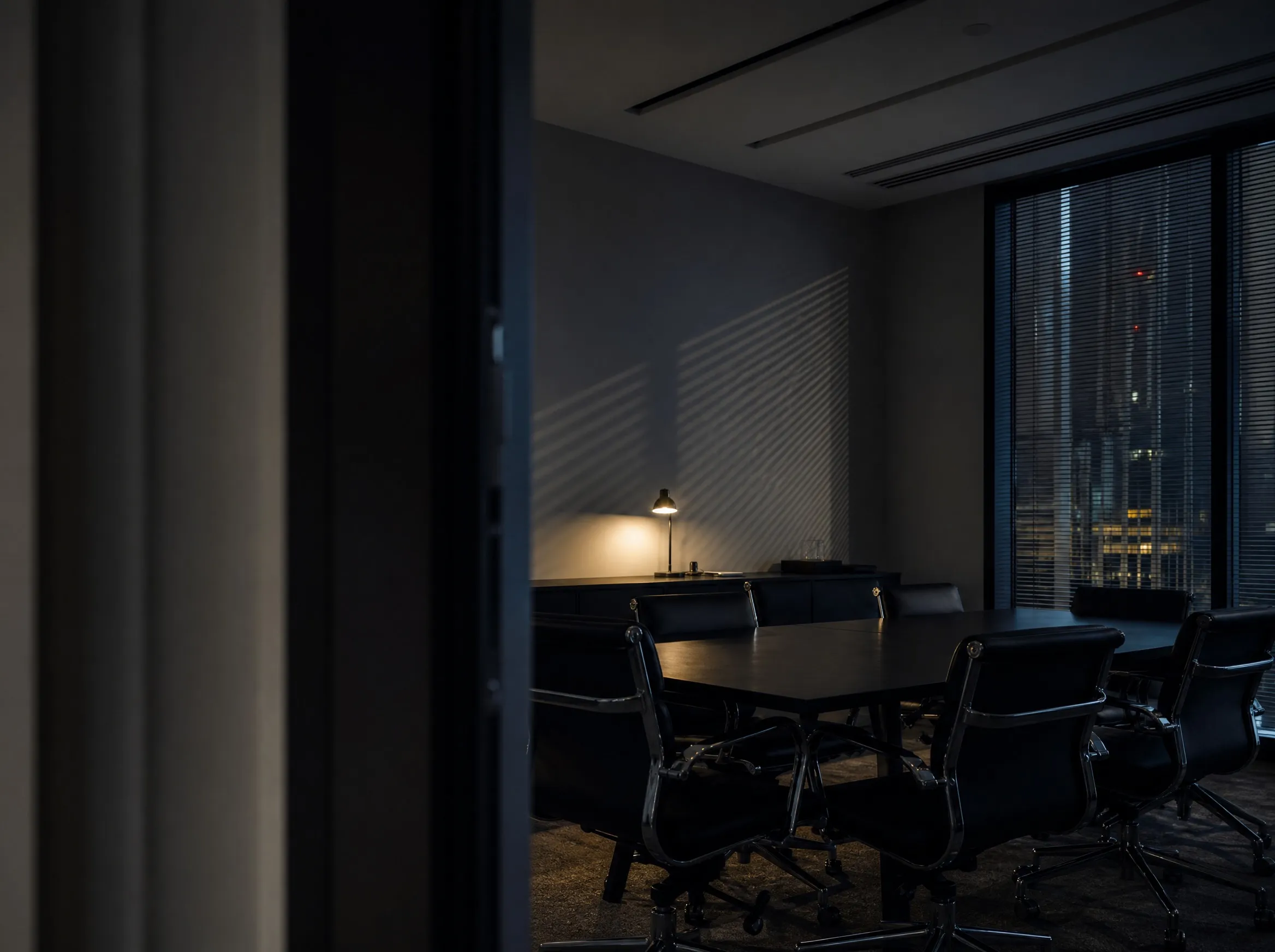
Mitigate
Threat and Risk MitigationStructured assessment that identifies where exposure exists and reduces it through proportionate, targeted measures across people, places and routine.
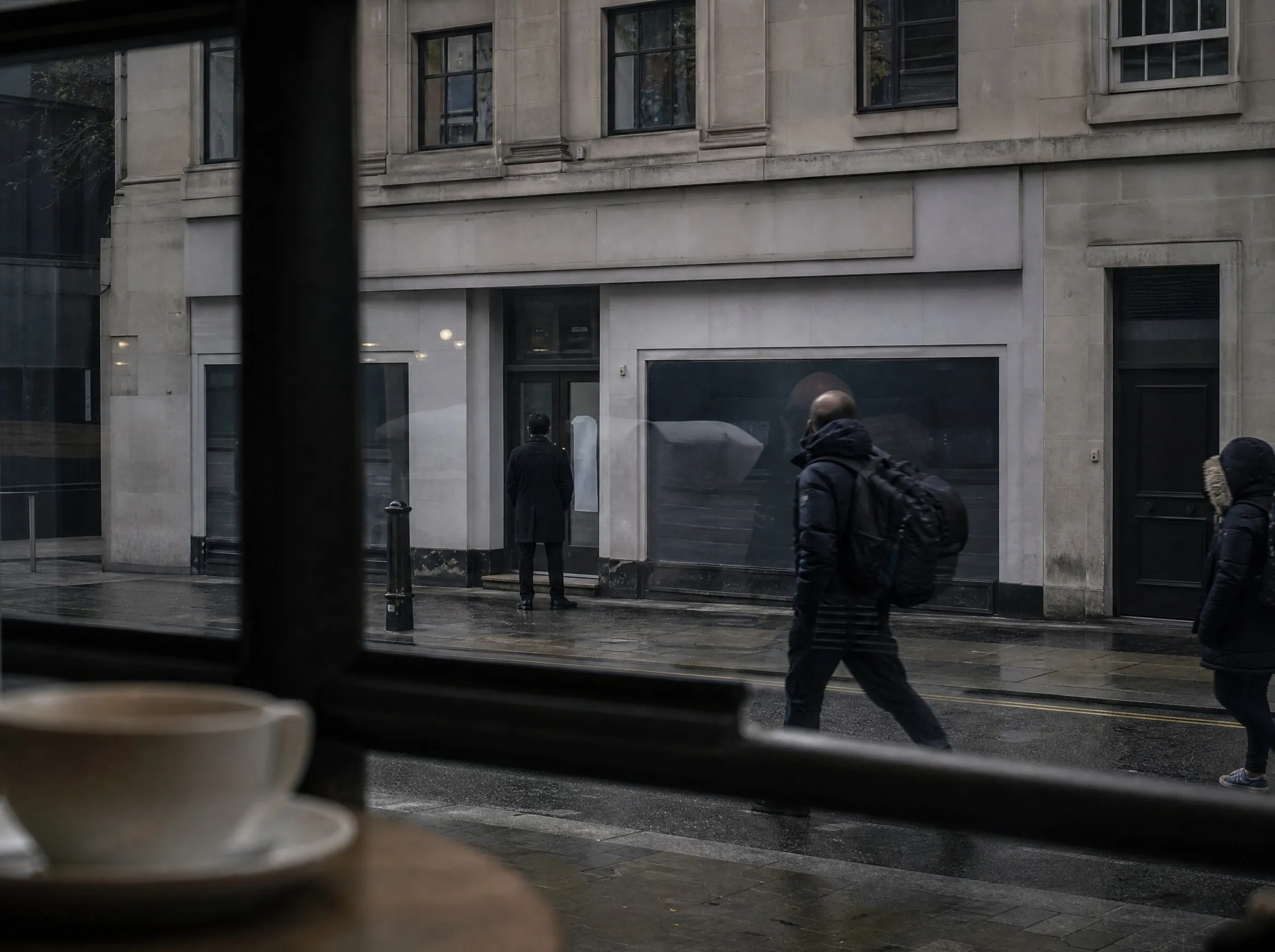
Detect
Surveillance DetectionSurveillance detection identifies hostile interest and emerging patterns of activity, providing early warning of potential threats before targeting progresses to action.
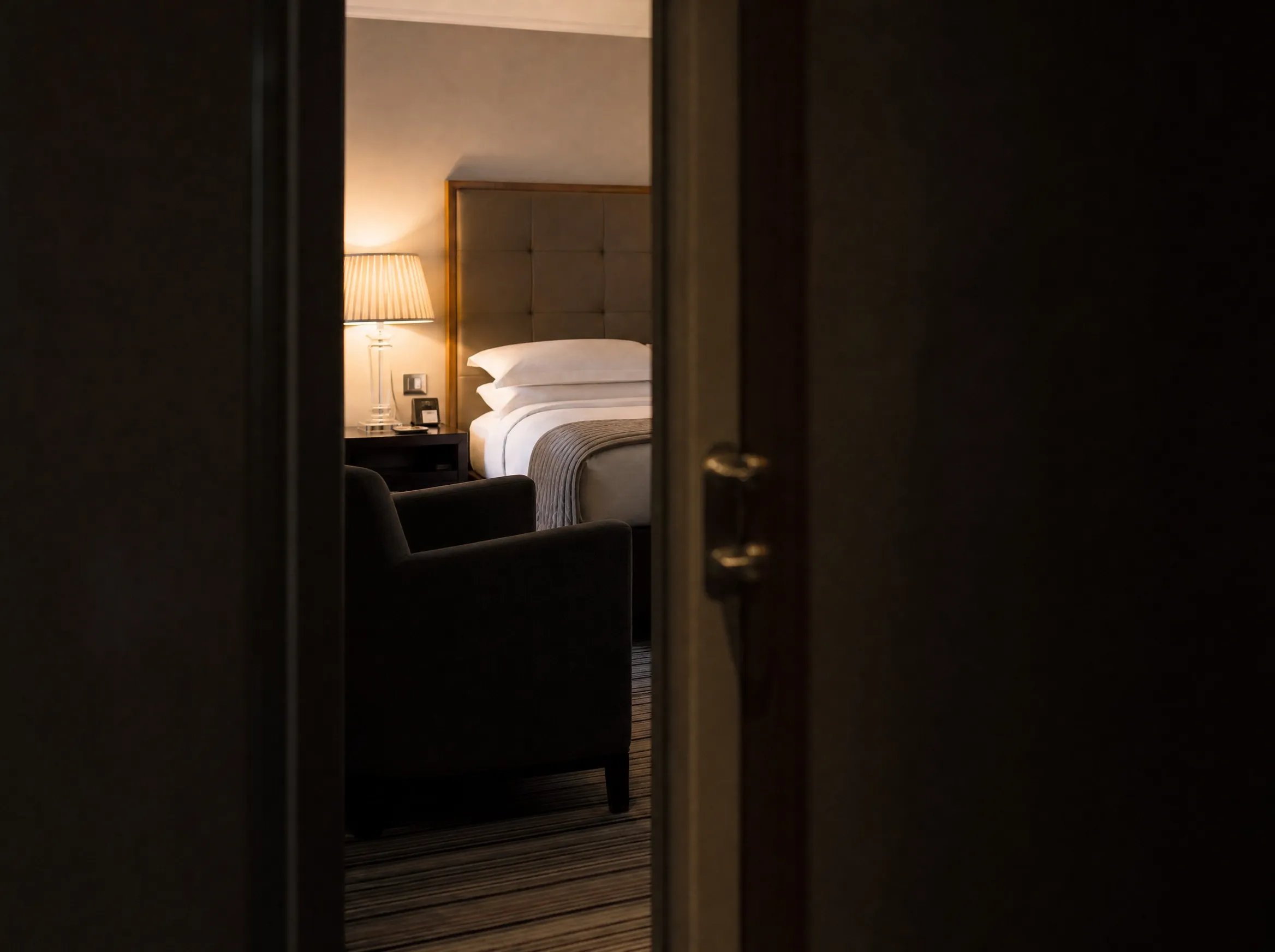
Sweep
Technical SurveillanceTechnical surveillance that detects covert devices, unauthorised transmissions and technical compromise across residences, offices and sensitive environments.
Secure
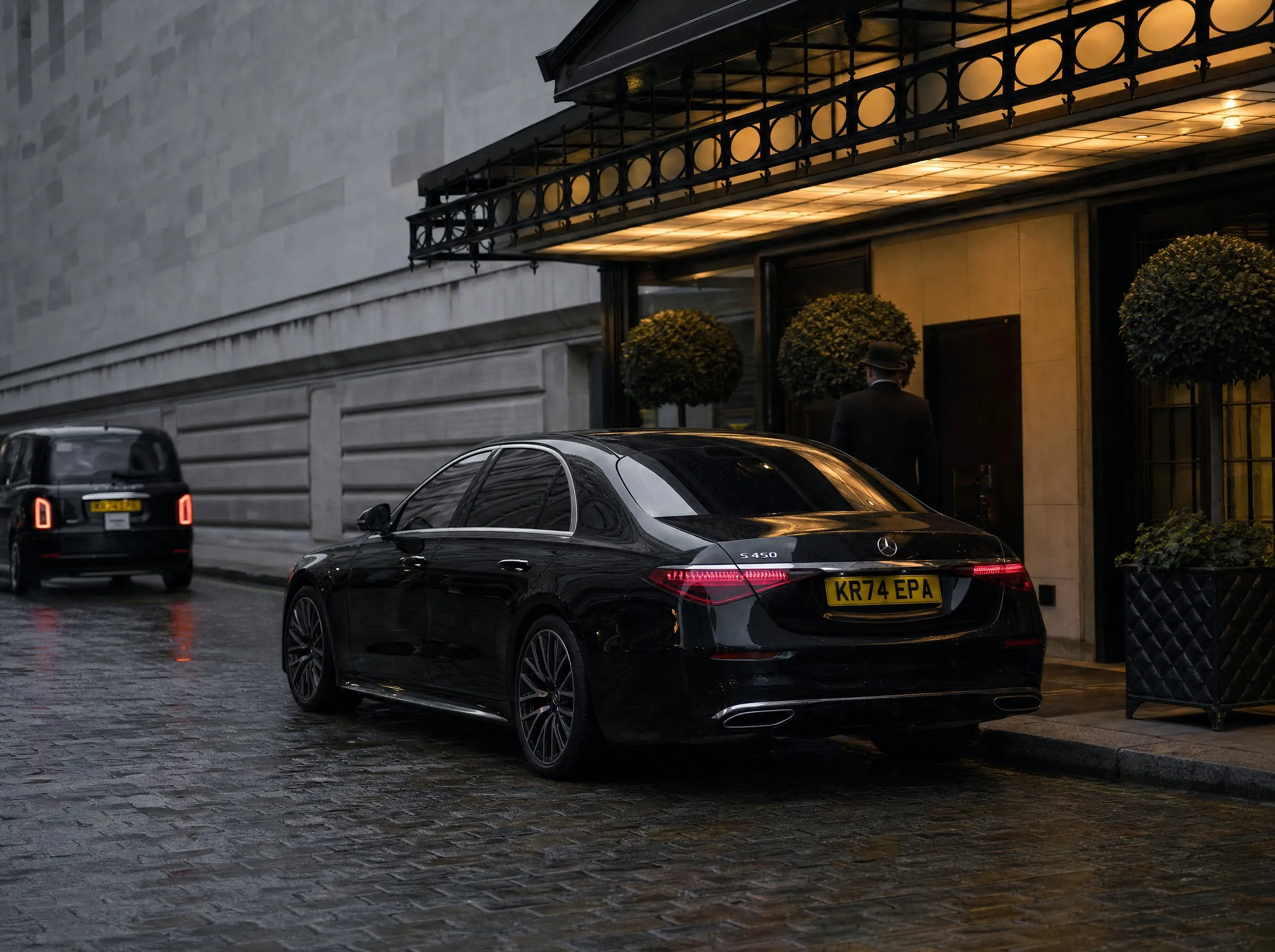
Security ChauffeuringSecure movement delivered through trained protective drivers, considered route planning and continuous situational awareness.
Fortify
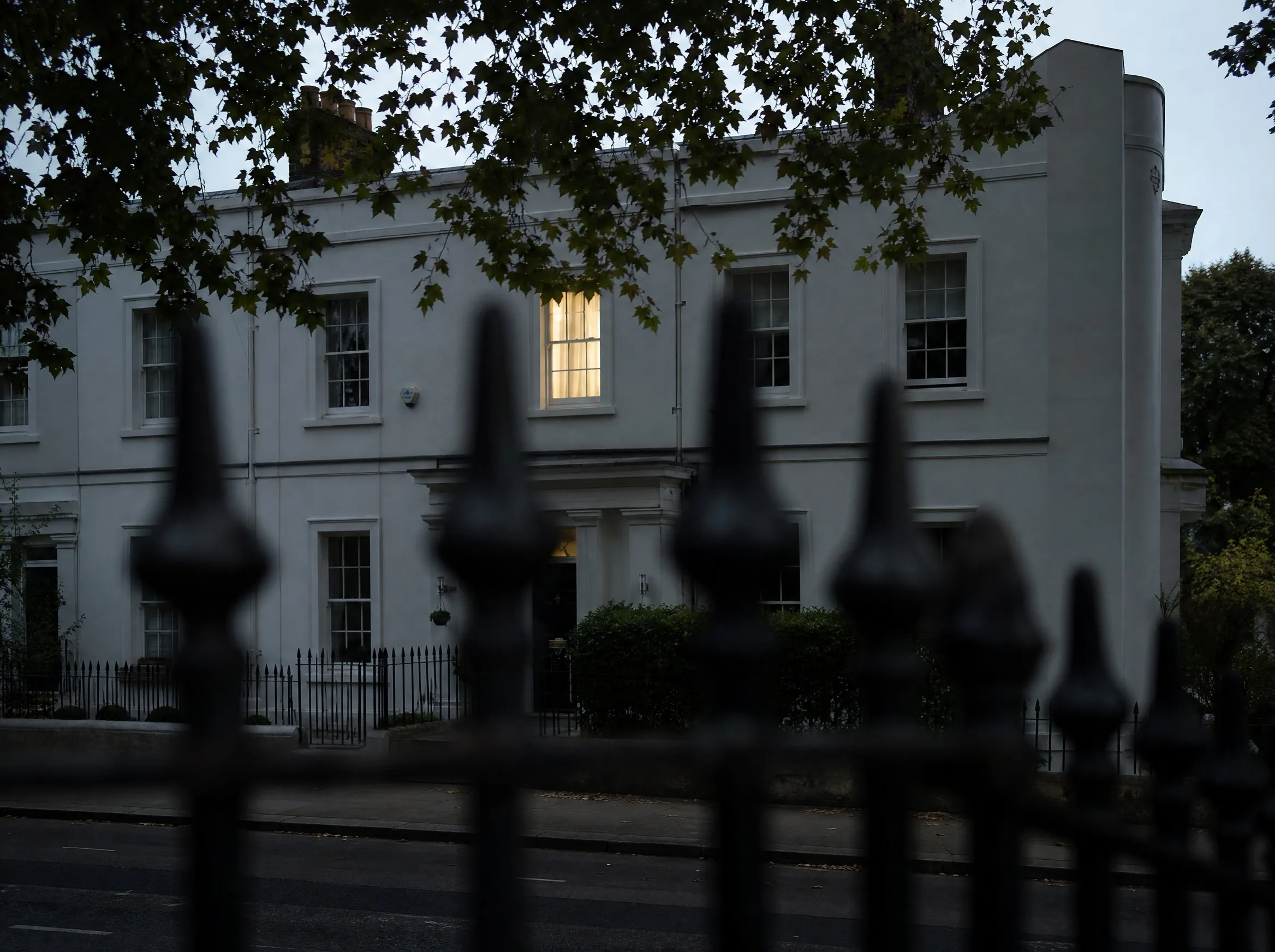
Residential ProtectionResidential protection for private homes and estates, drawing on assessment, access control and continuity to protect principals and families at home.
Respond
Close Proximity Response™A discreet, client carried alert and live location capability that lets a protective team maintain proximity and respond immediately, without an overt security presence.