
Discreet residential and protective support in Bath. Coverage is shaped by listed Georgian property on the slopes above the centre, a city that fills with visitors for much of the year and the settled movement of the families who live here.
Bath sits in a bowl of the Avon valley and its wealth lies on the slopes above the Georgian centre. The Royal Crescent, the Circus and Lansdown Crescent are the recognised addresses, but the most valuable private houses stand on Sion Hill, in Somerset Place, along Cleveland Walk in Bathwick and on the hill roads above Widcombe, terraced into the gradient with gardens falling away beneath them. Residents are established families, professionals dividing the week between Bath and Bristol, retired principals and second home owners present for part of the year. The city is a World Heritage Site and listing constrains what can be altered on a house. Visitor footfall is heavy in the centre in every season and thins abruptly on the hills. Bath Spa station puts Paddington roughly eighty minutes away, and the A46 and the A4 carry road movement to the M4 and into Bristol. Independent schools on Lansdown and at Prior Park and the Recreation Ground on match days add regular, readable movement. It is a small, prosperous and closely observed city.
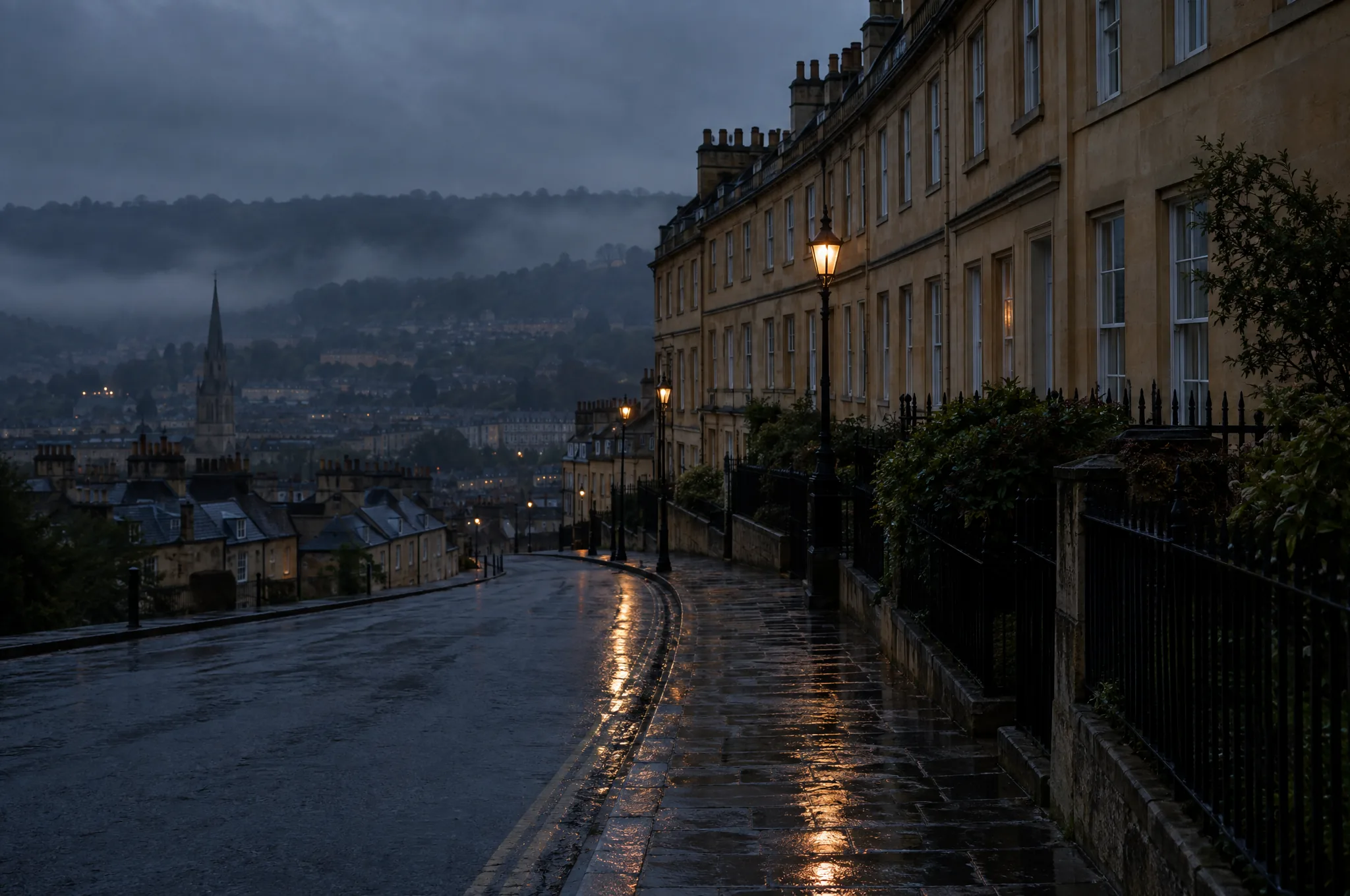
Work in Bath begins with the gradient. Almost every house of consequence here stands on a slope, overlooked from the road above and looking out across roofs below, so a residential assessment reads the property from the streets, footpaths and public gardens that see into it rather than from the front door. Listing conditions limit what can be done to a facade. Protective measures are therefore placed where they will not be seen and rest on planning and on who is admitted rather than on visible hardware. Movement is short and legible: the school run, the drive into Bristol, the station and the occasional journey to London, all of it leaving the valley by a handful of roads. For principals with a public profile we assess venues in the centre and the hours at which the city fills, and we keep the footprint to a single officer who passes as one more visitor.
Residential Protection in Bath concerns houses on Lansdown, Sion Hill and in Bathwick that the terraces above and the gardens below look into, within what a listed facade permits.
Threat and Risk Mitigation considers what a Georgian second home in the Circus or on the Royal Crescent reveals when it stands empty between visits.
Security Chauffeuring covers the school run up Lansdown Hill, the A4 and A46 towards Bristol and the M4, and the station, on the few roads out of the valley.
Bath is a residential city first. The commercial requirement is small, and most of what we are engaged to do concerns a house, the family in it and the short journeys that begin at its door.
The houses present a particular problem. They are listed, so the boundary cannot be raised and the facade cannot be altered, and they are stacked on hillsides where the pavement above a garden wall is level with the first floor windows. Public ground looks in from above and from across the valley. The assessment is conducted from those vantage points before it is conducted from inside.
Many properties on the hills have rear access from a lane or a footpath, and the footpaths between Lansdown, Camden and the centre are unlit and quiet after dark. Those approaches are walked and documented.
A proportion of houses here are second homes. An empty house in a terrace of occupied ones is quickly recognised as empty by anyone who pays attention, and periods of absence are managed as a specific exposure.
Households here are run by a small circle of staff, cleaners, gardeners and key holders, and in a city this size that circle overlaps with the circles of other households. That circle is documented at the outset.
Movement is constrained by the valley. Three or four roads carry almost everything out of the city, which limits the variation available and places weight on timing and observation instead.
The city's other half of the week sits in Bristol, twelve miles west, where many principals here keep an office and where the movement pattern is repeated often enough to be readable.
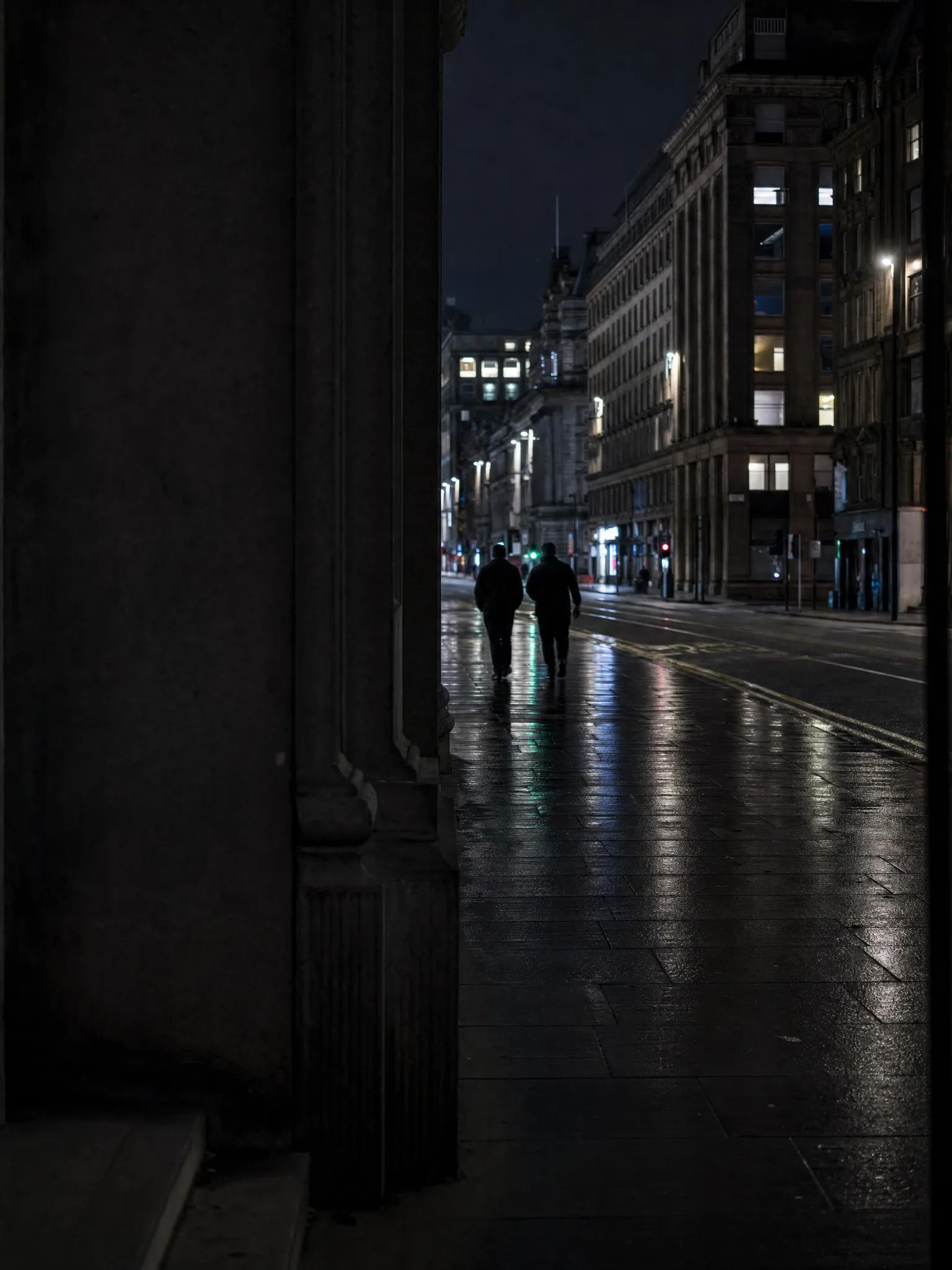
Bath fills on a calendar. The Christmas market brings the heaviest footfall of the year to the centre through late November and December, the Bath Festival and the half marathon crowd the spring, and summer runs at a steady peak. In those weeks the streets below the Crescent are dense with visitors and an unfamiliar figure standing still is unremarkable.
Rugby at the Recreation Ground and racing on Lansdown bring traffic to the hill roads on fixed dates, and match days close the routes past the ground for hours at a time, which is planned for rather than discovered.
Residentially the winter carries the higher risk. Early darkness leaves hillside gardens and rear lanes unobserved for long evenings, and the houses left empty until spring are known locally to be empty.
Families who keep a country house in the Cotswolds move between the two along the A46 on a pattern that is repeated most weekends.
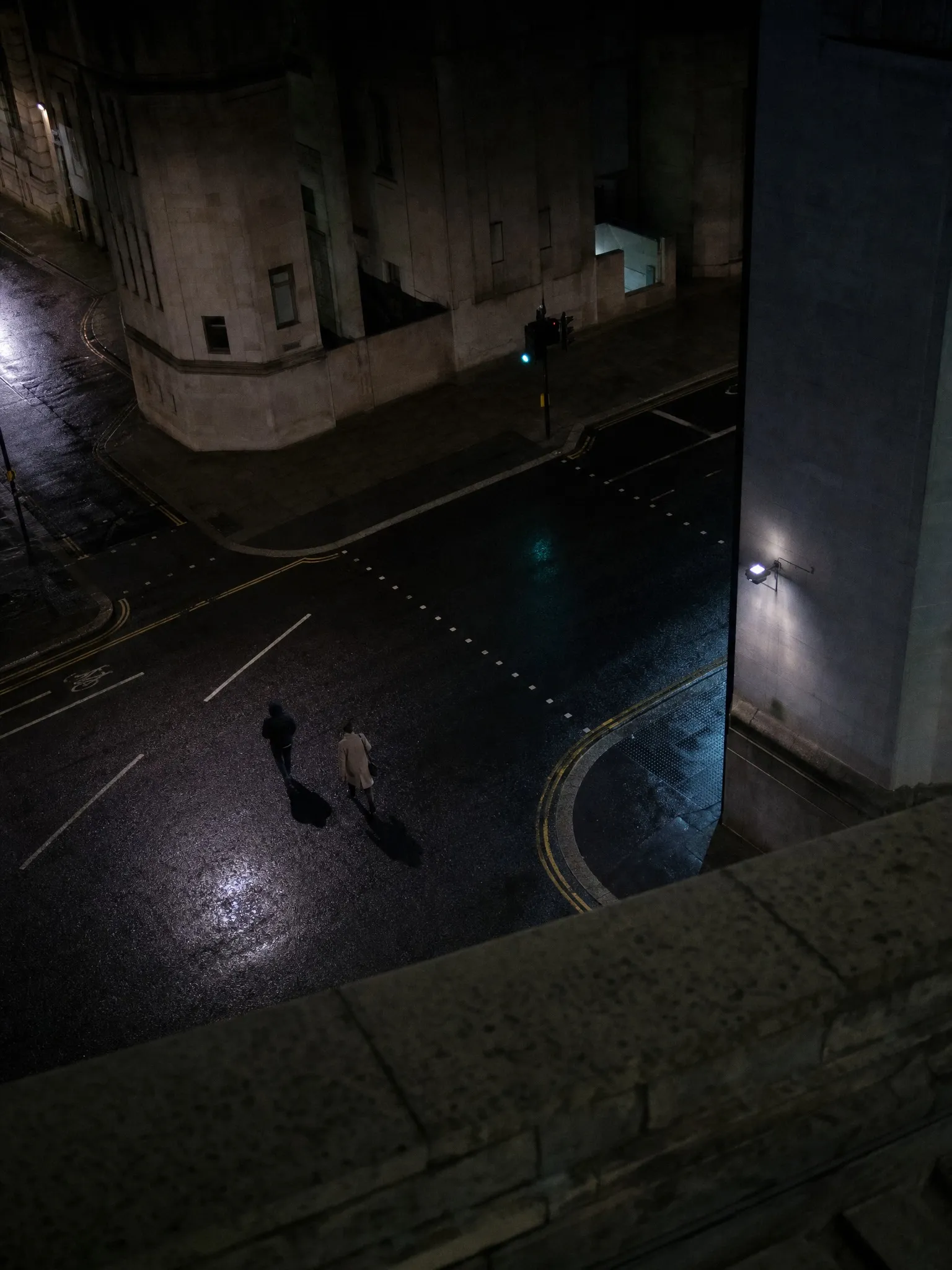
Residential enquiries lead in Bath, and they start with the hill. A family in a listed house on Lansdown or in Bathwick asks what can be done when the boundary cannot be raised and the road above looks into the garden, and the answer is planning, access and continuity rather than fabric.
Second home owners ask for the property to be assessed and then held through absence, with periods away managed rather than simply left.
Private offices and family lawyers ask for an assessment before a purchase completes, since what can be changed on a listed hillside house is limited and is better known before exchange than after.
Security chauffeuring follows, mainly the school run to Lansdown or Prior Park and the drive into Bristol, covered by a driver who observes.
Executive protection is occasional and attached to events, a public appearance or a period of press interest, and is kept to one officer who moves as the family moves.
Households that have changed staff or completed building work ask for a technical surveillance examination of the house.
A car that appears too often on a quiet hill road is confirmed or dismissed through surveillance detection before anything else is changed.
All enquiries are handled discreetly and reviewed before engagement suitability is determined. Information should be limited to what is necessary to outline the matter. Where appropriate, further contact is arranged following review.

Protect
Executive ProtectionDiscreet, intelligence led executive protection for private clients, principals and families, designed to reduce exposure and preserve freedom of movement without unnecessary visible presence.
Mitigate
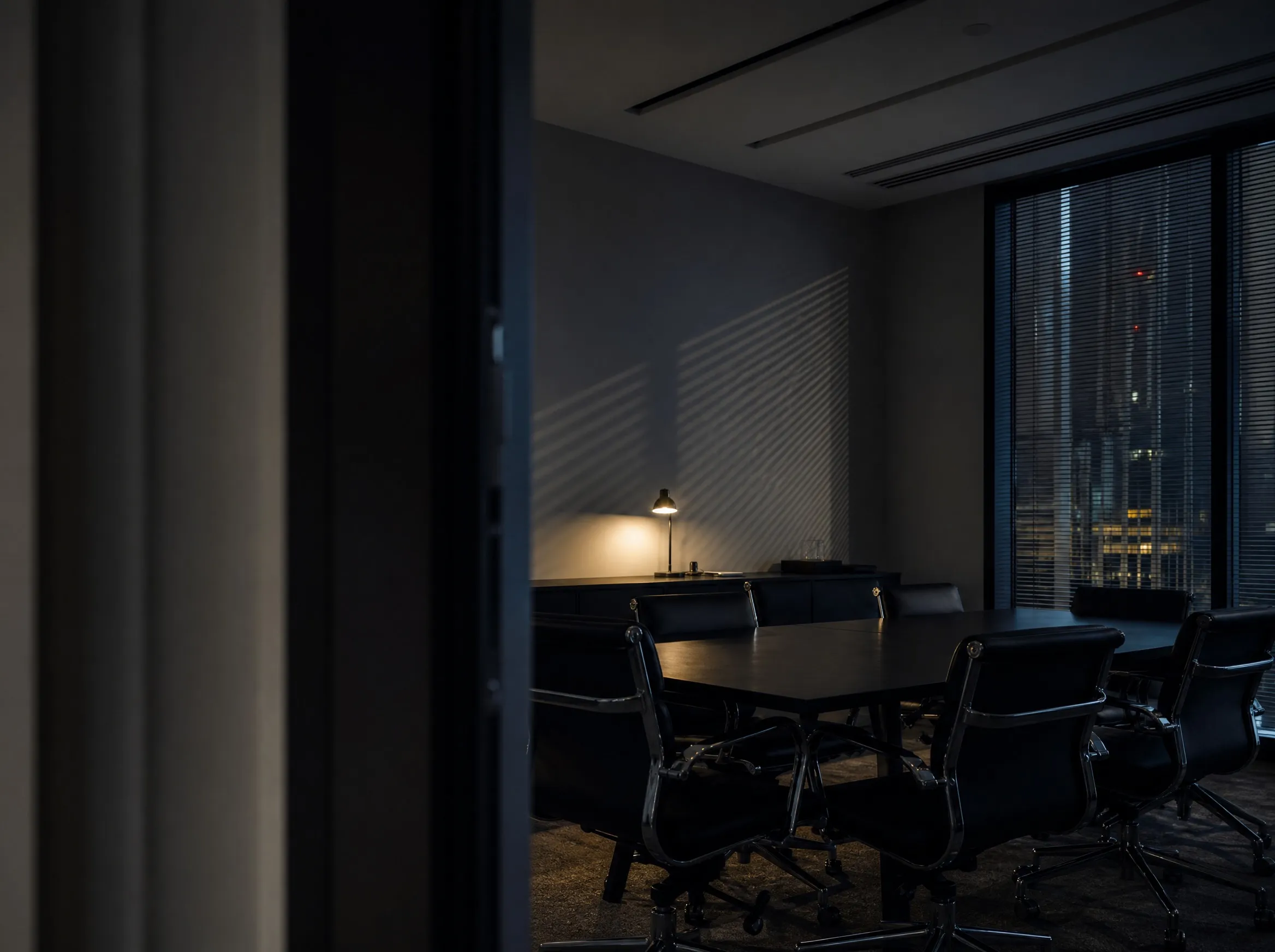
Threat and Risk MitigationStructured assessment that identifies where exposure exists and reduces it through proportionate, targeted measures across people, places and routine.
Detect
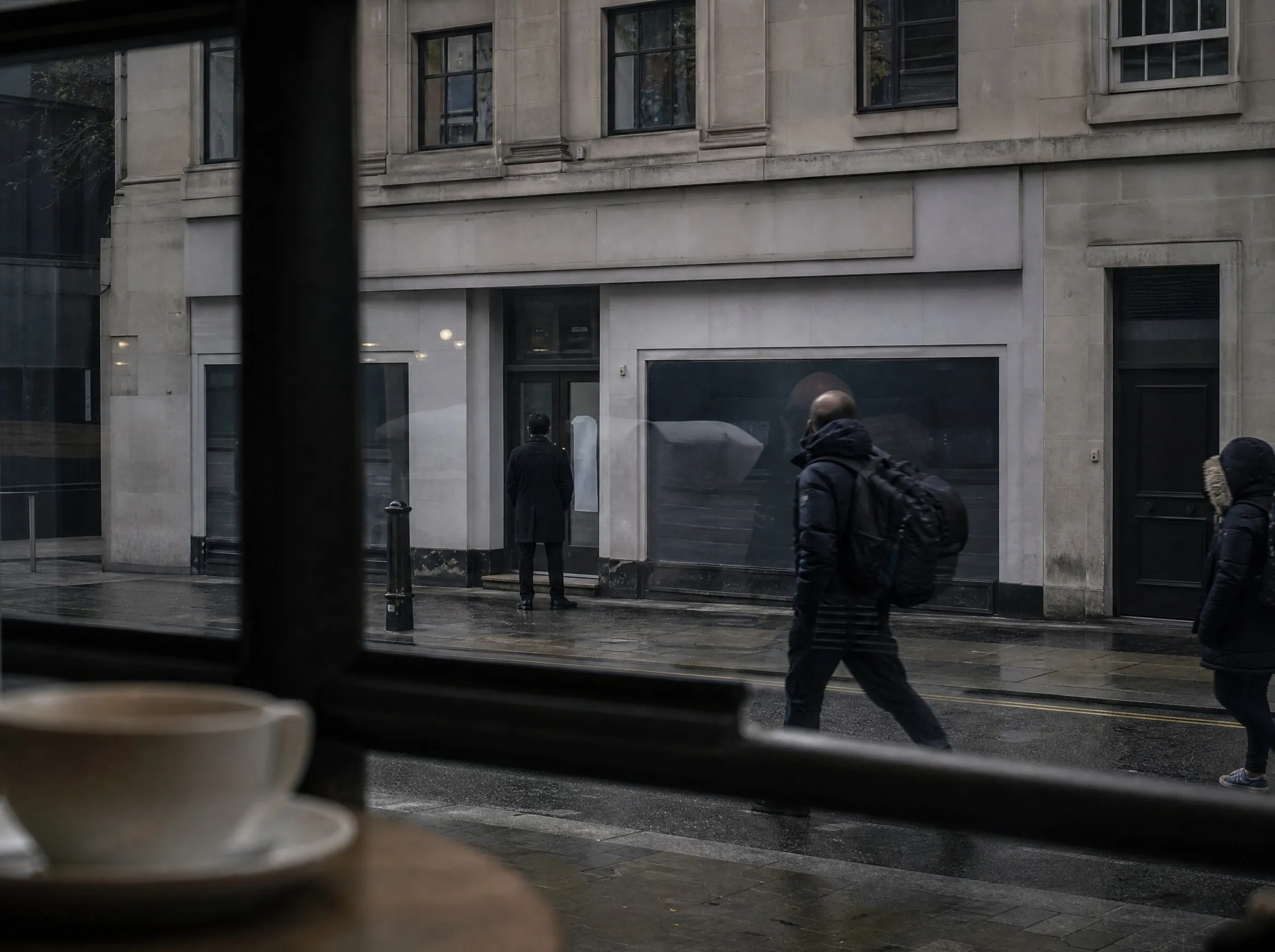
Surveillance DetectionSurveillance detection identifies hostile interest and emerging patterns of activity, providing early warning of potential threats before targeting progresses to action.
Sweep
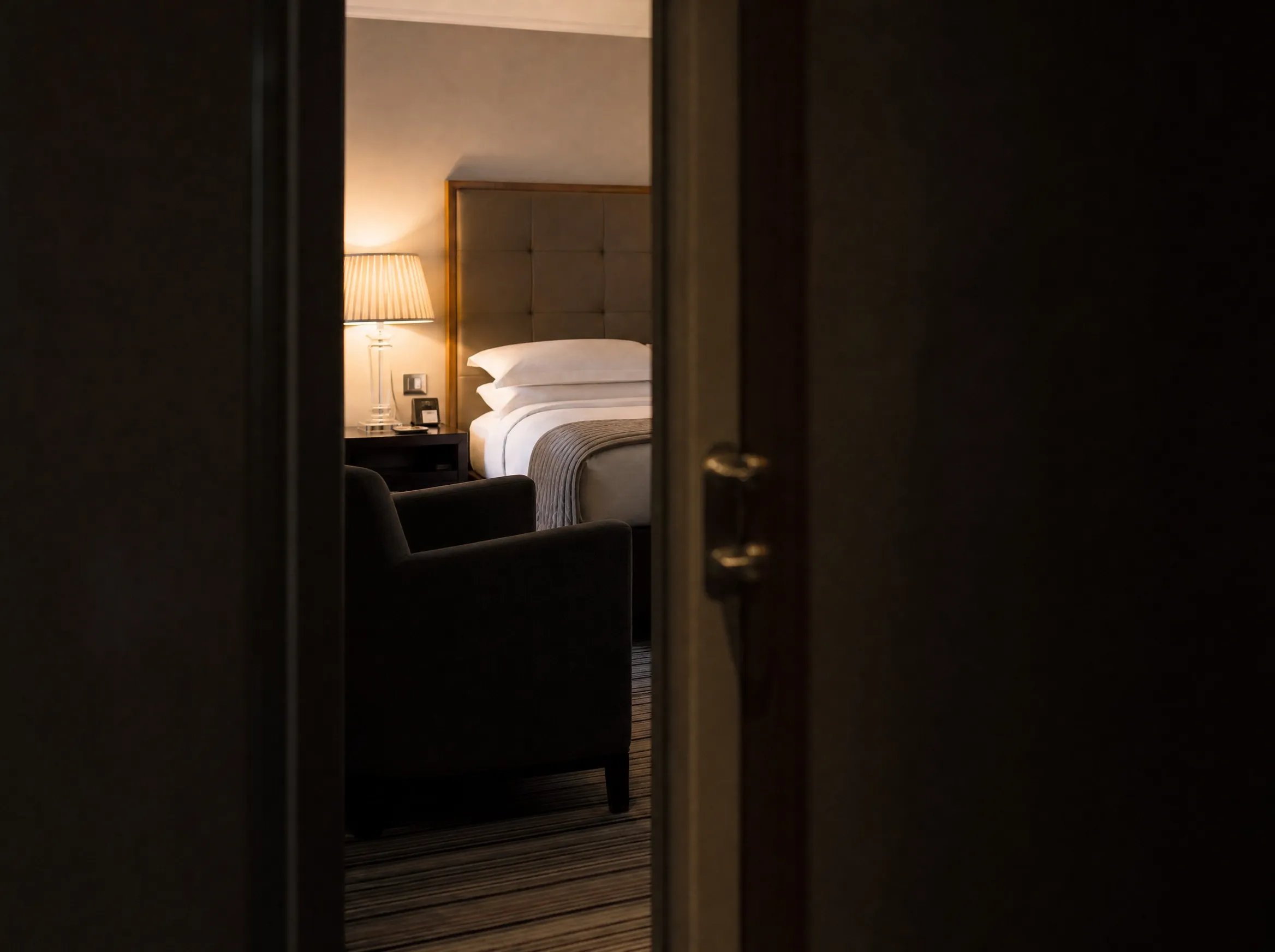
Technical SurveillanceTechnical surveillance that detects covert devices, unauthorised transmissions and technical compromise across residences, offices and sensitive environments.

Secure
Security ChauffeuringSecure movement delivered through trained protective drivers, considered route planning and continuous situational awareness.
Fortify
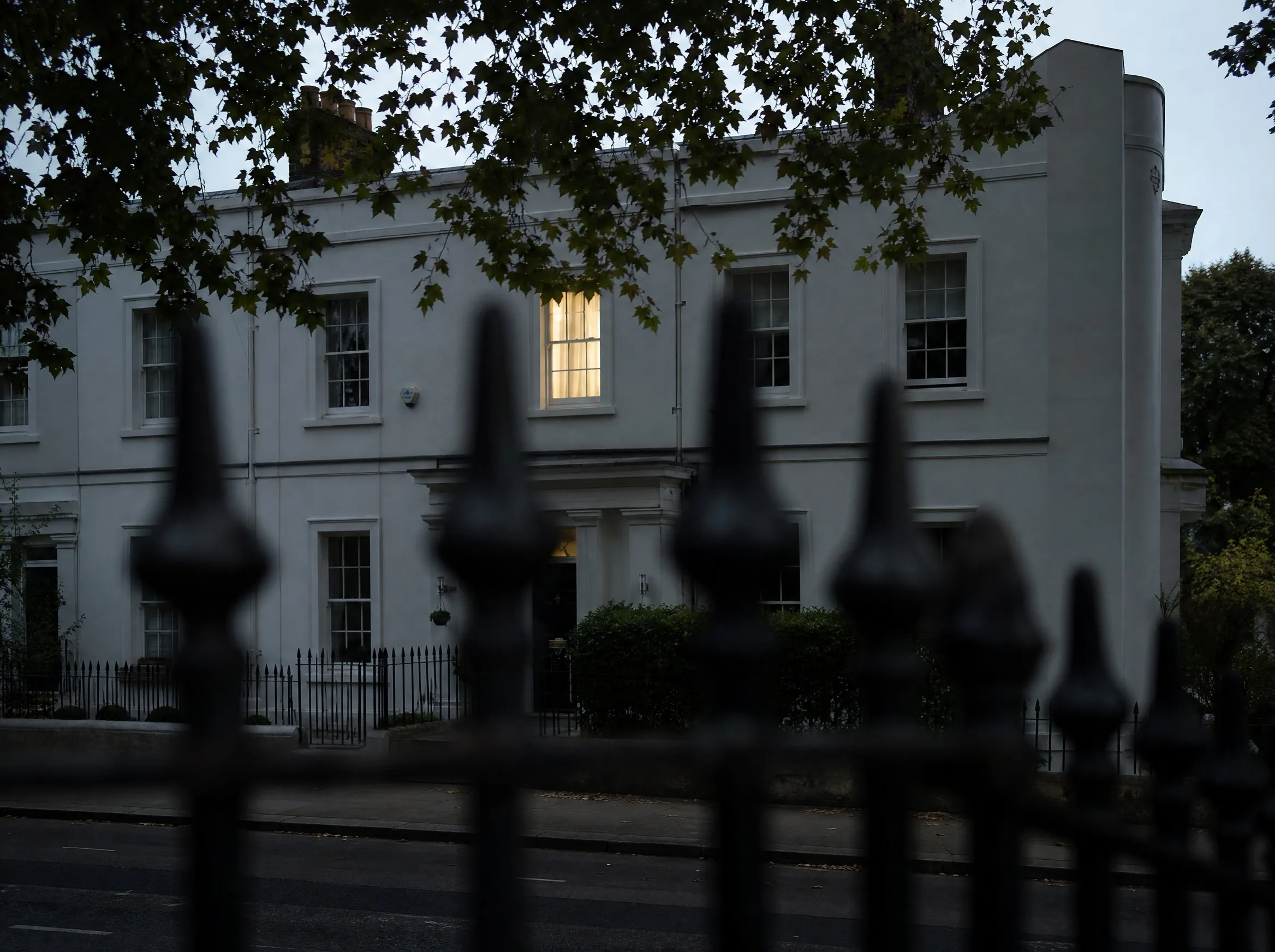
Residential ProtectionResidential protection for private homes and estates, drawing on assessment, access control and continuity to protect principals and families at home.

Respond
Close Proximity Response™A discreet, client carried alert and live location capability that lets a protective team maintain proximity and respond immediately, without an overt security presence.