
Security chauffeuring in Westminster for principals moving between fixed appointments in a compact, heavily observed and frequently disrupted district.
Westminster is the working centre of the state. Whitehall, Parliament, government departments and the headquarters of major institutions sit within a compact and heavily observed area, alongside embassies and some of the most visited public spaces in the country. Footfall is constant, media presence is permanent, and public order events and protest are a routine feature of the calendar rather than an exception to it.
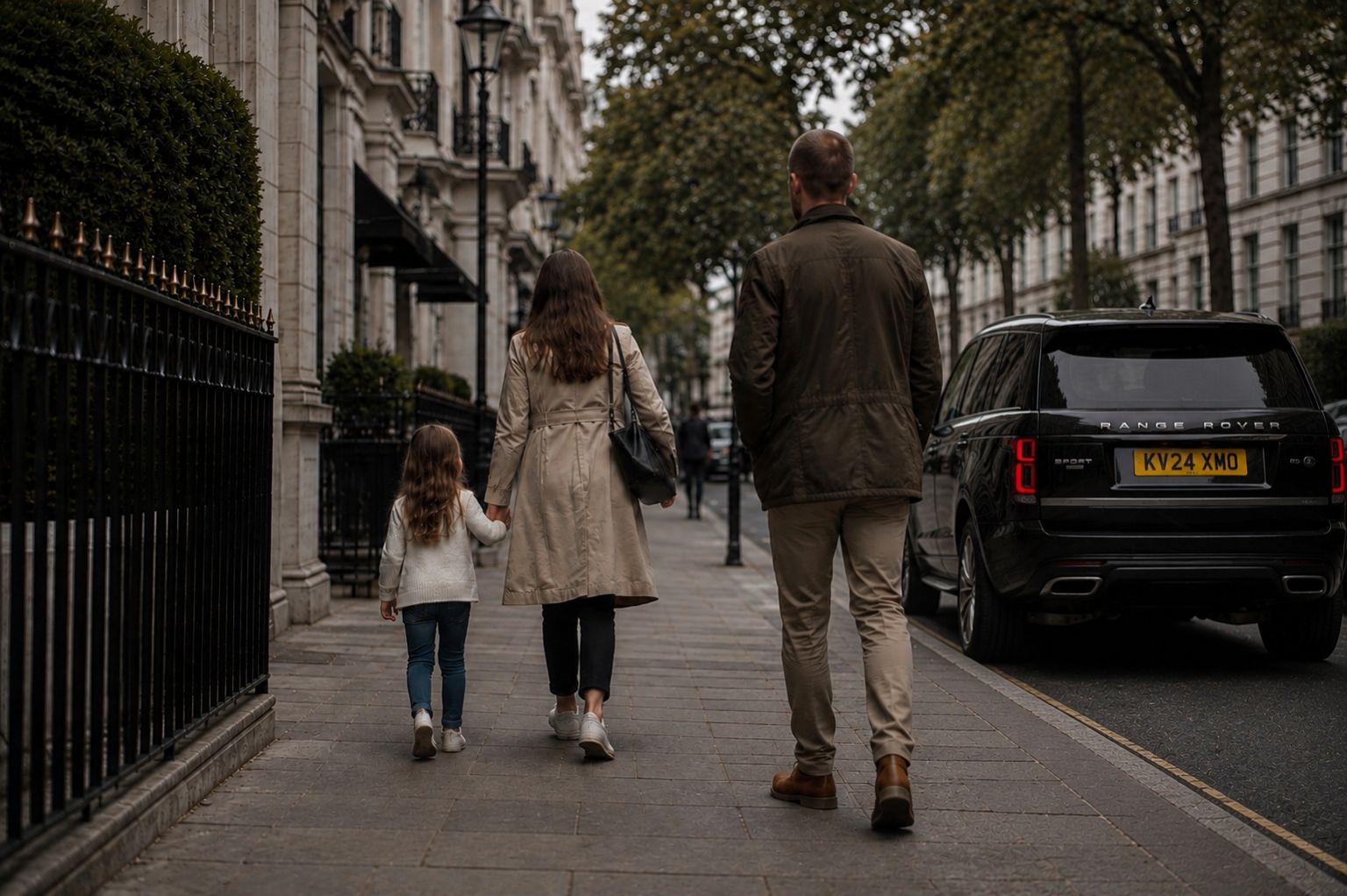
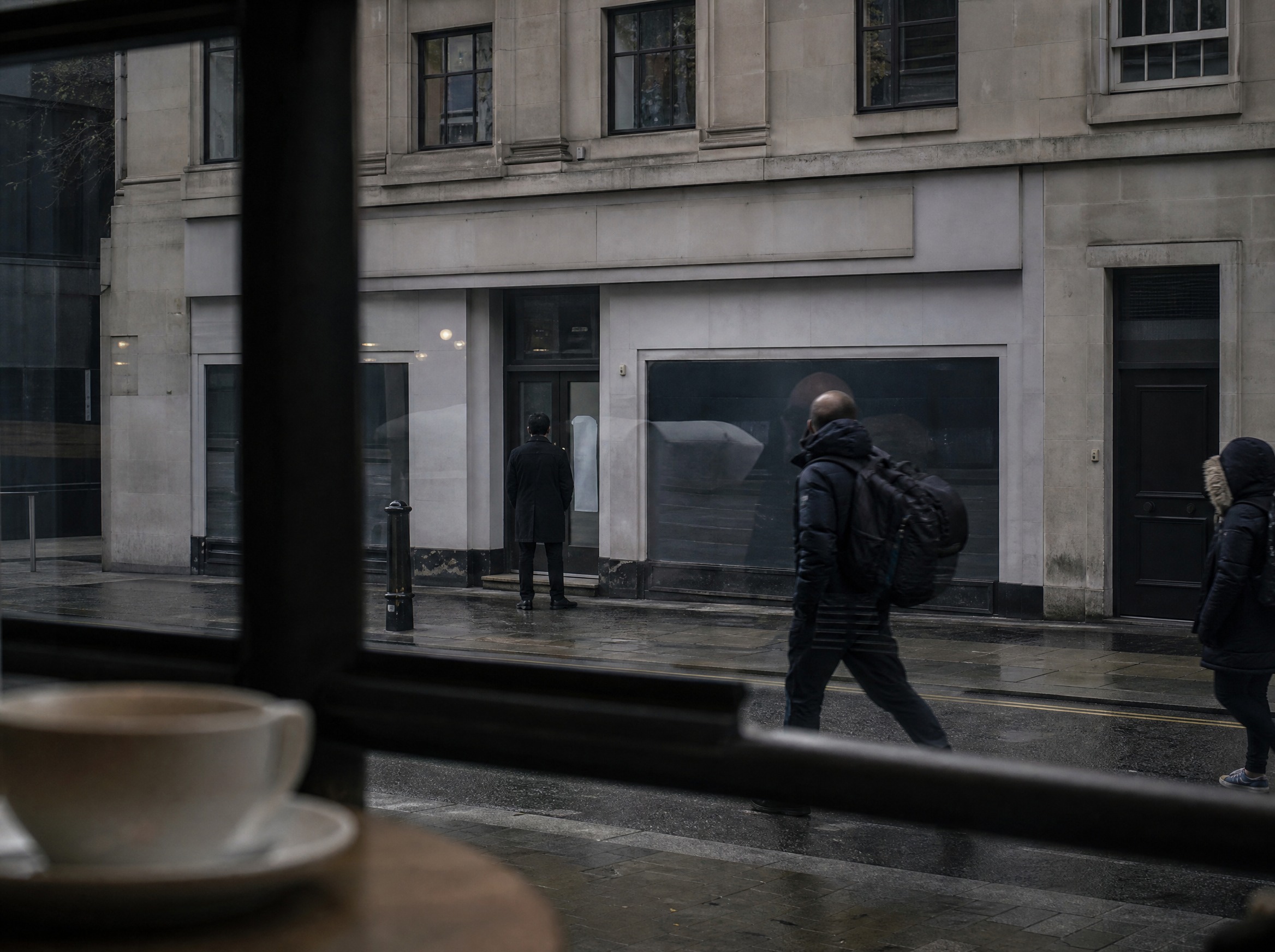
For a principal moving by vehicle this produces a specific set of problems. Appointments here are usually at named buildings, at fixed times, arranged in advance and frequently a matter of record. The arrival point is often known before the principal is. Set down is regularly on a public frontage in view of cameras, press and passers by, and the walk from vehicle to door is short but entirely exposed.
The district is also unusually prone to disruption. Road closures, security operations, ceremonial events and demonstrations can render a planned approach unusable at short notice and with no warning to the person in the vehicle. A route that worked yesterday may be closed today for reasons that have nothing to do with the principal.
Movement in Westminster is therefore less about the journey than about the last hundred metres of it.
Movement is only part of what the area generates, and how we work across Westminster covers the meeting and residential side as well.
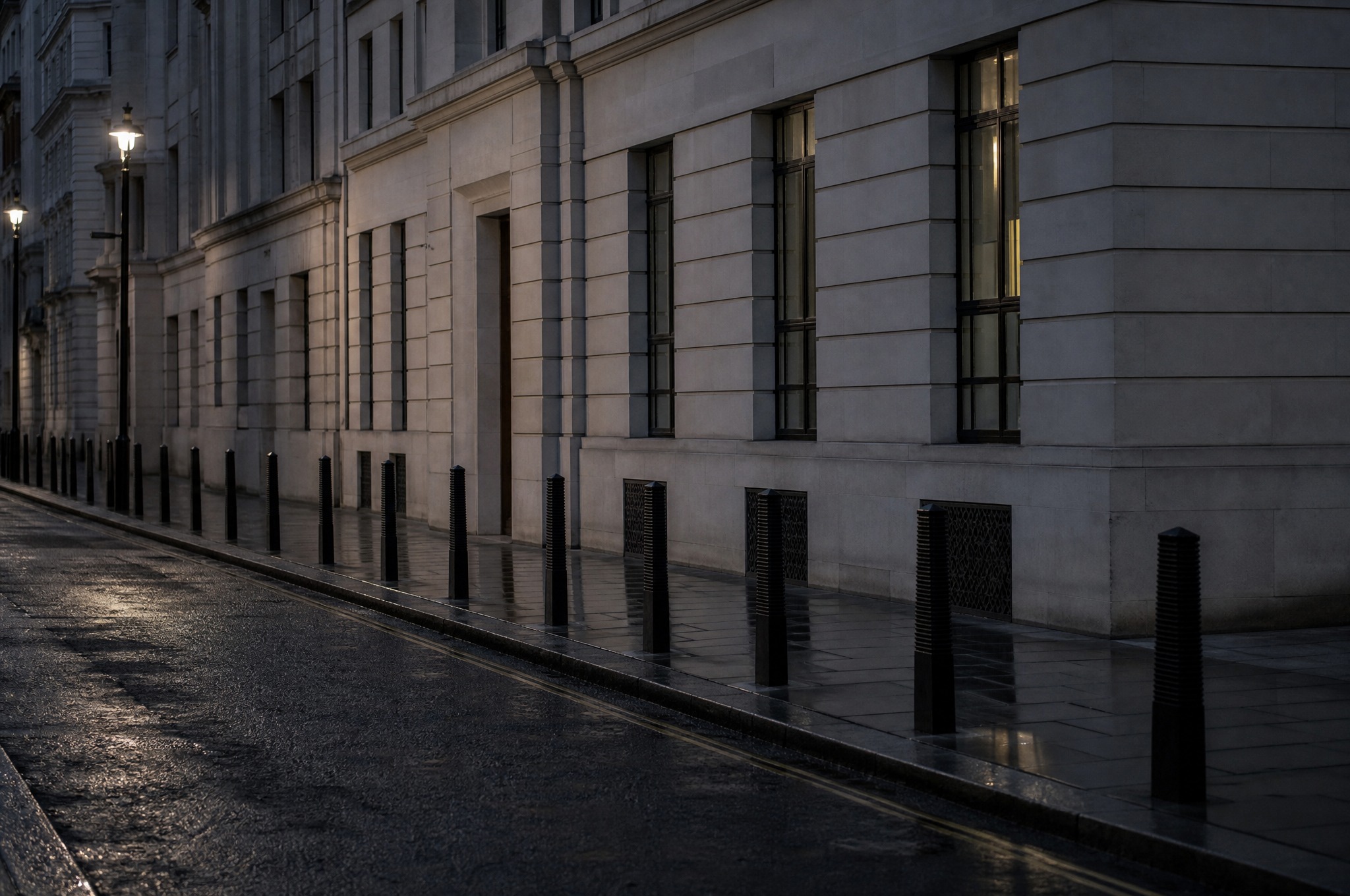
Security chauffeuring in Westminster is planned around the set down rather than the route. For each appointment we establish where the vehicle can actually stop, how far the principal will be on foot, what the frontage looks like at that hour, and which alternative approach is used if the primary one is closed. Every journey is planned with a second option, because in this district the first one fails often enough to matter.
Officers are current on the district's disruption picture. Knowing that a street is closed for a state occasion, that a demonstration is routed past a particular junction, or that a security operation has changed the traffic pattern is the difference between a principal arriving unremarkably and a principal sitting stationary in a queue on a public road. That awareness is maintained deliberately rather than encountered on the day.
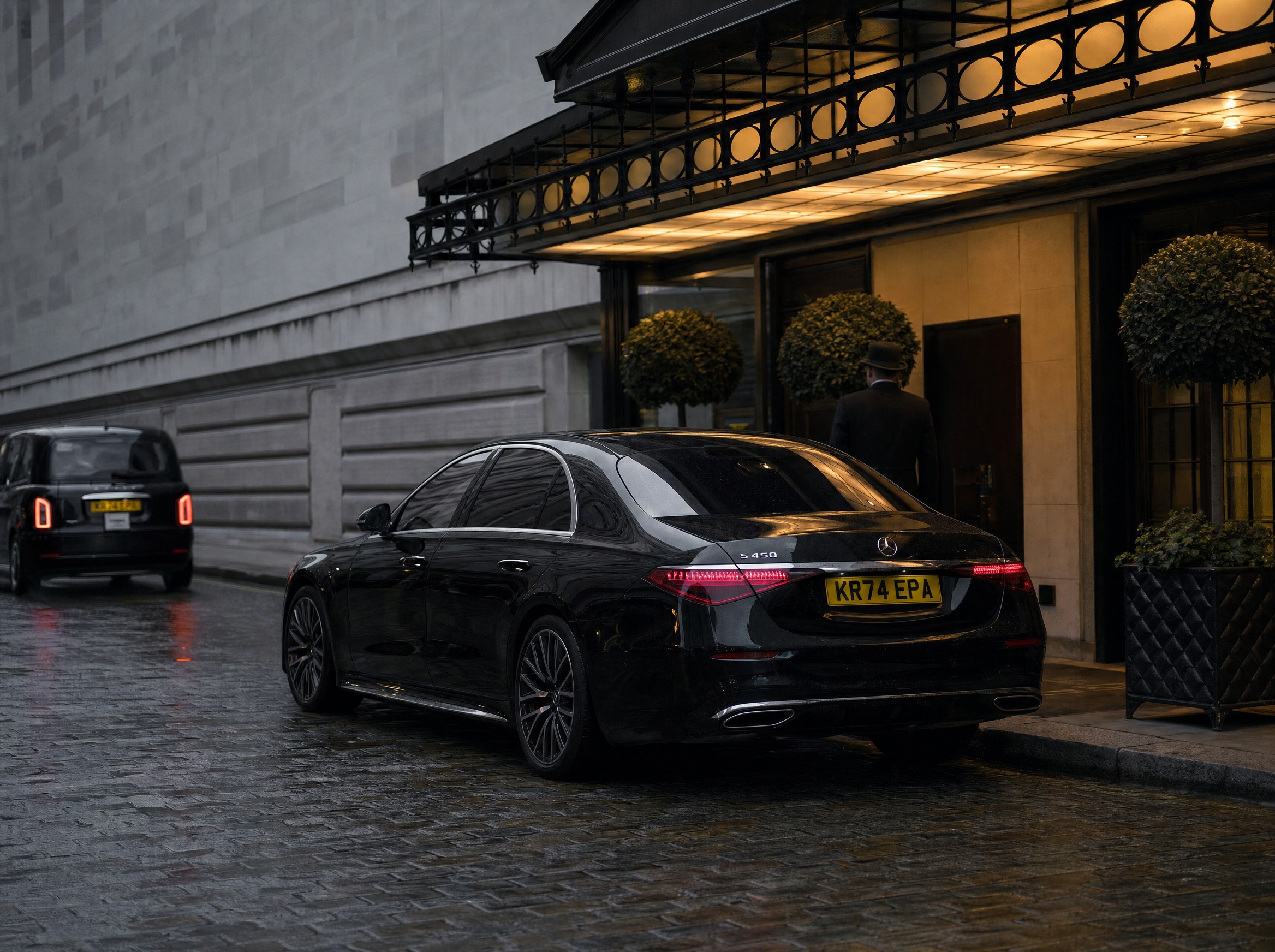
Vehicles and drivers are chosen to be unremarkable. In a district where a great deal of protected movement occurs, an obviously protected vehicle is a category rather than a disguise. The objective is a principal who arrives looking like everyone else arriving.
Where an appointment is announced in advance or likely to attract press, the arrival is treated as the exposure it is, and the timing, entrance and waiting position are set accordingly rather than left to the driver on the day.
Drivers are protection trained. The role is a protective one that happens to involve a vehicle.
Route planning, driver standard and situational awareness are common to all security chauffeuring; Westminster adds closures, cordons and a great deal of unpredictable traffic management.
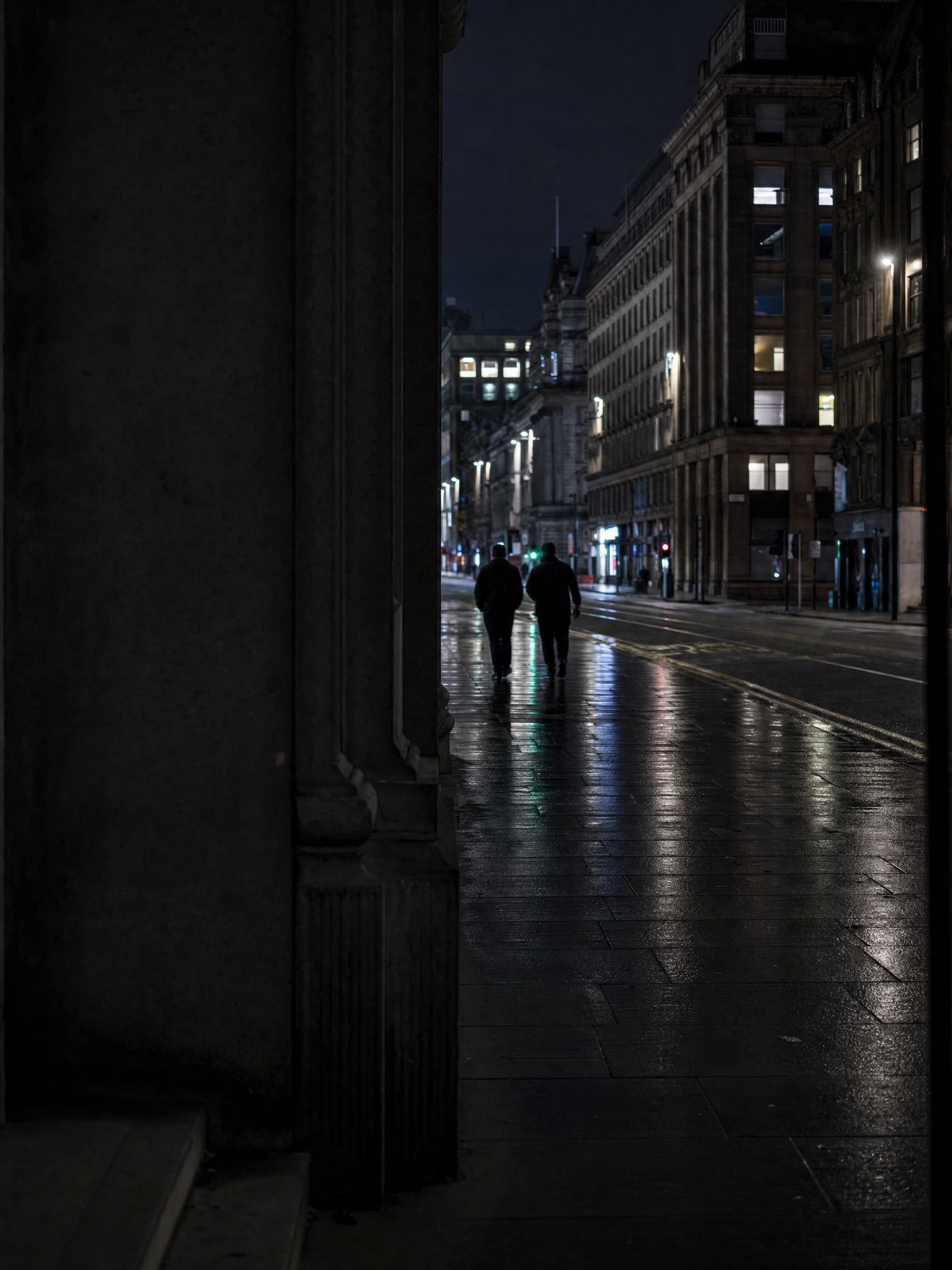
The assessment is conducted venue by venue rather than route by route, because in Westminster the journey is rarely the problem.
For each building a principal uses regularly we establish where a vehicle can lawfully and practically stop, how far the principal will be on foot, what that frontage looks like at the relevant hour, whether there is a controlled or service entrance available, and what the fallback approach is when the primary one is closed. That last point is not hypothetical here; closures are frequent and often unannounced to anyone outside the operation causing them.
We then assess the standing disruption picture: the ceremonial calendar, the parliamentary sitting pattern, the protest cycle and the locations that are routinely used for both. That picture is maintained rather than researched at the point of need.
Where a principal's attendance at a particular building is a matter of public record, we assess what is discoverable about the timing, since a published appointment converts a routine arrival into an anticipated one.
The output is a set of arrival plans rather than a route card, each with a primary and an alternative, held by the driver and reviewed on the morning of use.
An assessment sometimes finds that the drive is the controlled part of the day and the exposure sits elsewhere, which is executive protection rather than transport.
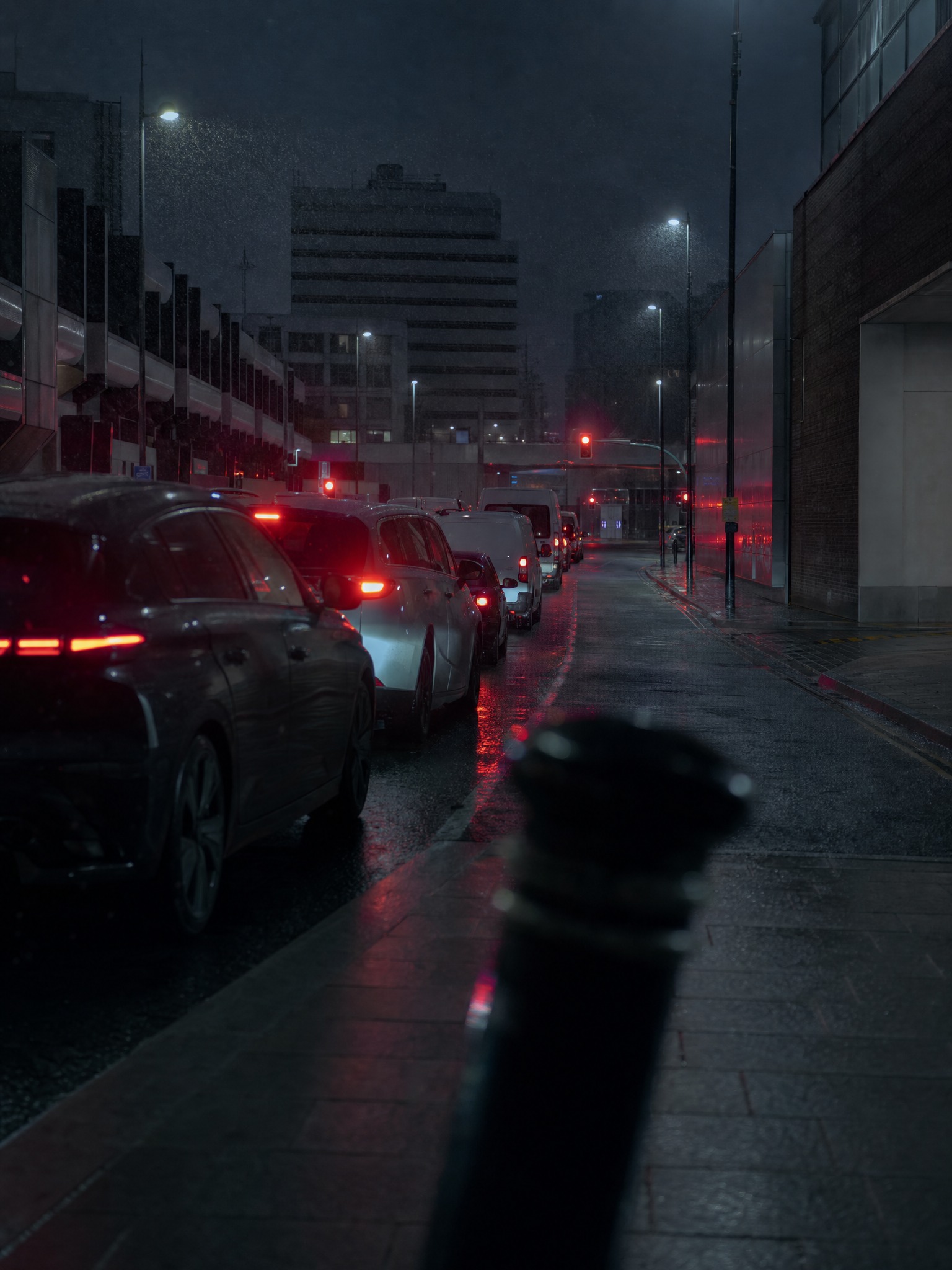
Westminster runs on a calendar that is largely published in advance, which is unusual and useful.
The state opening, ceremonial occasions, major national events and set piece political moments all bring road closures, security operations and press concentration on known dates. Parliamentary sitting weeks change traffic, footfall and the availability of parking across the district. Party conference season and fiscal events draw both media and demonstration to predictable locations.
Protest is the least predictable element and the most consequential for a vehicle. Routes are frequently notified in advance, and where they are, a principal's arrival can simply be moved by half an hour or to a different frontage at no cost. Where they are not, the value lies in the driver knowing the district well enough to recognise the build up before it closes the road.
Against that, the principal's own calendar. Any appointment that has been announced, listed or briefed should be treated as known, and the arrival planned on that basis rather than as a routine movement.
Journeys that end south west of the city run into a different problem entirely, which security chauffeuring in Richmond sets out.
Protect
Executive ProtectionDiscreet, intelligence led executive protection for private clients, principals and families, designed to reduce exposure and preserve freedom of movement without unnecessary visible presence.
Mitigate
Threat and Risk MitigationStructured assessment that identifies where exposure exists and reduces it through proportionate, intelligence led measures across people, places and routine.
Detect
Surveillance DetectionSurveillance detection identifies hostile interest and emerging patterns of activity, providing early warning of potential threats before targeting progresses to action.
Sweep
Technical SurveillanceTechnical surveillance that detects covert devices, unauthorised transmissions and technical compromise across residences, offices and sensitive environments.
Secure
Security ChauffeuringSecure movement delivered through trained protective drivers, intelligence led route planning and continuous situational awareness.
Fortify
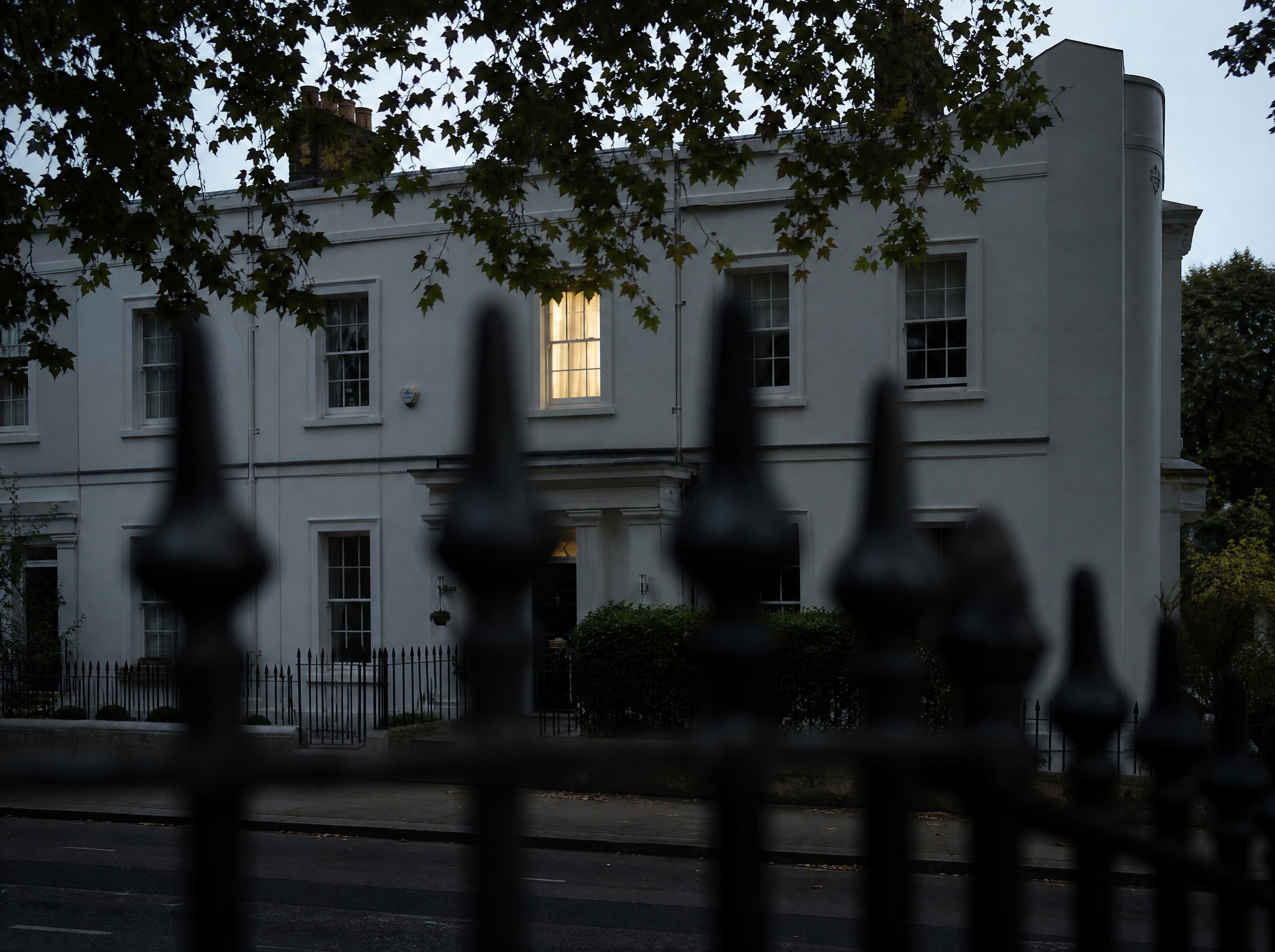
Residential ProtectionResidential protection for private homes and estates, drawing on assessment, access control and continuity to protect principals and families at home.
Respond
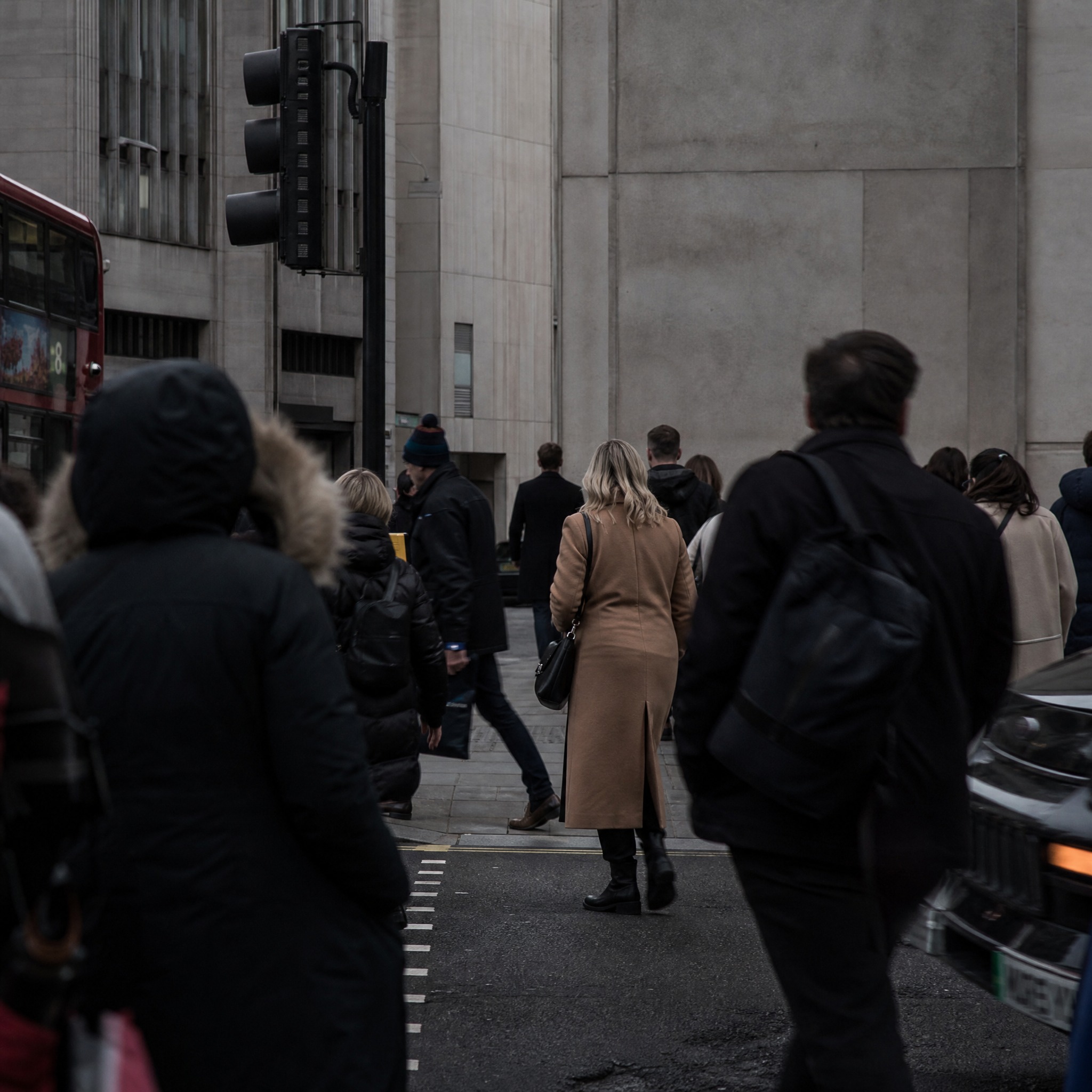
Close Proximity ResponseA discreet, client carried alert and live location capability that lets a protective team maintain proximity and respond immediately, without an overt security presence.