
Discreet residential and intelligence support in Tunbridge Wells. Coverage is shaped by the gated parks laid out around the Common, the established and professional families who live in them, and a settled routine of school, station and the High Weald.
Tunbridge Wells is a spa town of Regency and Victorian order on the edge of the High Weald, and its wealth is arranged around the Common. The Pantiles and the chalybeate spring lie at the foot of the town, and above them the private parks laid out in the nineteenth century still hold its most substantial houses. Calverley Park, designed by Decimus Burton, is gated. Camden Park is a private estate. Nevill Park and Hungershall Park climb the western slope above the Common beside the Spa Hotel, and Broadwater Down carries a run of Victorian villas beneath mature trees to the south. The residents are professional and established rather than conspicuous: lawyers, finance principals, consultants and families drawn by the grammar schools and Tonbridge School a few miles north. Trains reach Charing Cross, Cannon Street and London Bridge within about an hour, and the A21 and A26 carry road traffic to the M25 and Gatwick. Movement follows the school day and the timetable. Exposure sits at the park gate, the station car park and the quiet approaches across the Common after dark.
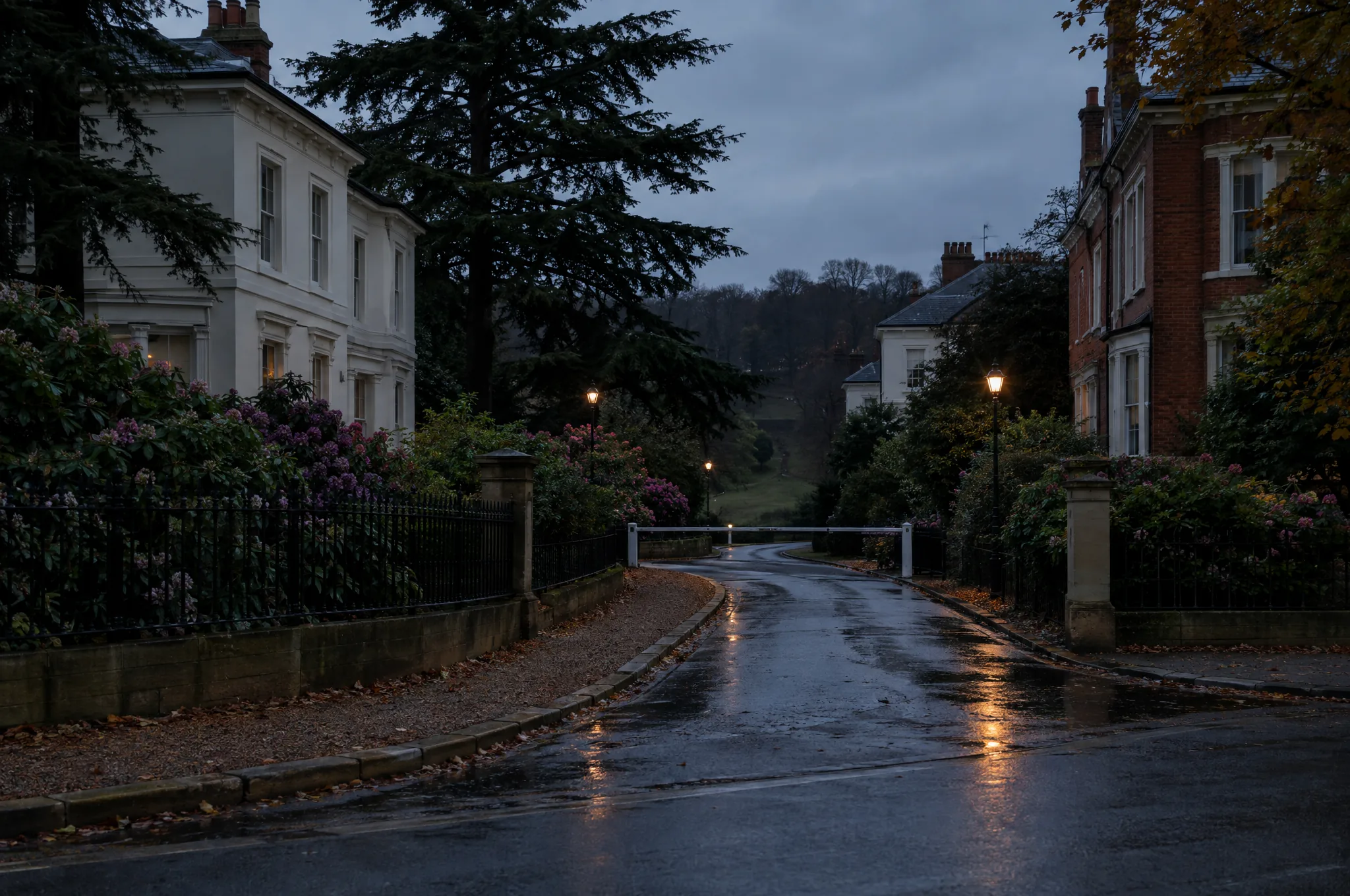
A private road behind a gate offers a settled boundary, yet the Common beside it is open ground crossed by paths at every hour, and the parks were built for views, which means the houses can be seen from the slopes as clearly as they see out. We assess each residence in daylight and again after dark, map the approaches from the Common and the public streets, and address the access circle of cleaners, gardeners, tutors and contractors that a large household depends on. The commute is planned with the residence, since the walk or drive to the station is the most repeated movement of the week. For families with children at the grammar schools or boarding nearby, the school run and the term calendar are built into the picture. Coverage stays low profile, because a park of thirty houses notices everything.
Residential Protection is arranged for houses in the private parks and the Victorian villas around the Common, where a park road with its own gate is not a controlled boundary.
Threat and Risk Mitigation considers the approaches across the Common, the access circle of a large staffed household and the routine of a daily commute by the same train.
Technical Surveillance examines a Tunbridge Wells residence once the builders have left or the staff have changed, for principals whose City affairs reach into the household.
The parks are the defining feature of Tunbridge Wells and they shape the residential picture more than anything else in the town.
Each is a private road with a small number of large houses, a gate or barrier, and a community that knows its own cars. That familiarity is an asset. A vehicle that does not belong is noticed within days, and residents are the first line of observation whether they intend to be or not.
The weakness is the ground the parks were built to look at. Nevill Park and Hungershall Park face the Common, an open and largely unlit expanse with paths from Rusthall, the Pantiles and the London Road, and the elevation that gives the houses their outlook gives the slopes a matching view of gardens and upper windows.
The commute is short and repetitive. Most principals here use the station, which sits below the town centre with an open car park on either side, and the walk or drive from park to platform runs through the same streets at the same hour on every working day.
Beyond the town the High Weald begins at once. Country houses around Langton Green, Speldhurst, Bidborough and Groombridge are reached along lanes with no alternative route, and many households keep both a town house and a property in the lanes. The two addresses share cars, staff and a weekly rhythm.
The A21 leads north to the private roads of Sevenoaks and the M25, and the county as a whole is set out on the Kent page.
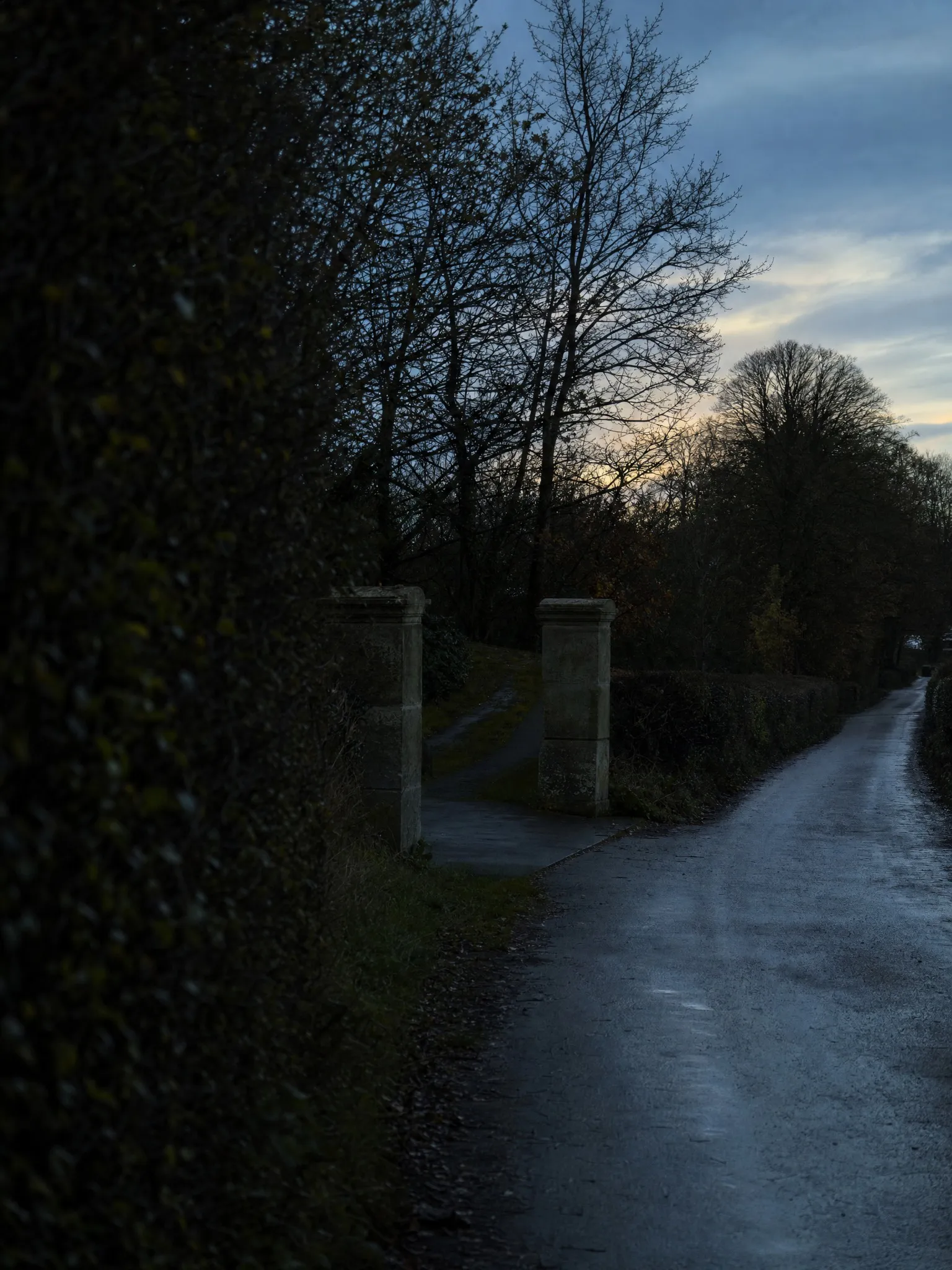
Term dates set the rhythm. The grammar schools and the independent schools of the town and Tonbridge produce a fixed morning and afternoon pattern, and the eleven plus season each autumn brings a visiting population to school gates that is unfamiliar to the households around them.
Summer opens the town. The Pantiles run outdoor music and markets through the warmer months, the Common fills at weekends, and Dunorlan Park and Calverley Grounds host events that bring crowds to the edge of residential streets. Bewl Water and the Weald draw day traffic along the A21 and the lanes.
Winter reverses it. Early darkness leaves the Common and the slopes below the parks unobserved for long evenings, and the boundaries of the parks matter more than any event in the calendar.
Households with property in the lanes find that exposure moves between the two addresses with the season, and the journey between them is included in the plan.
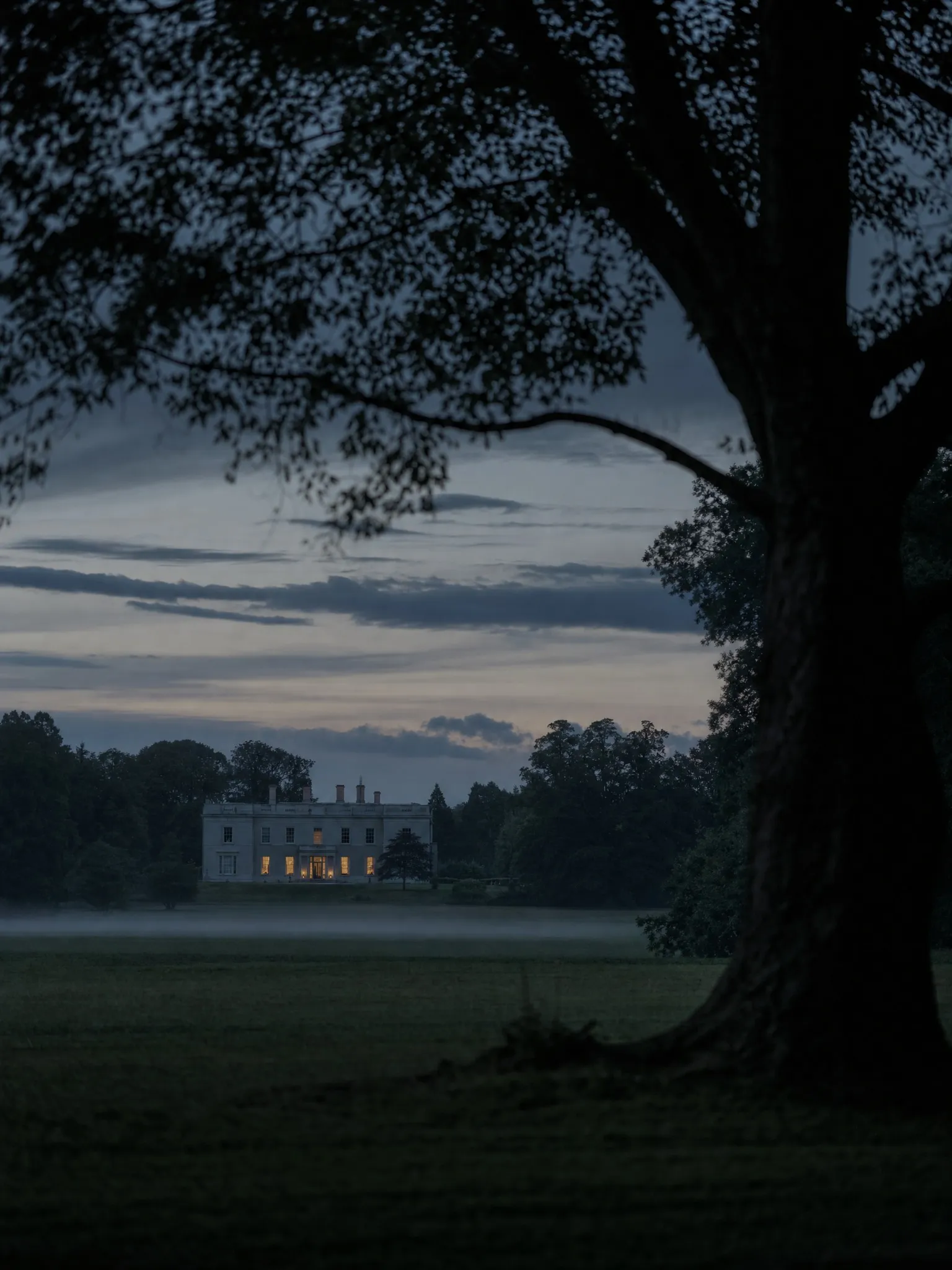
More households ask for a residential assessment of a house in one of the parks than for anything else, and the questions arrive in a familiar order: the gate, the Common behind it, the staff who hold keys and the tradespeople who have been through the house since the last owner left. That work is covered under residential protection.
Security chauffeuring is asked for by principals who prefer to be driven to London rather than take the train, and by families who want the school run and airport journeys covered by a driver who observes as well as drives.
Executive protection is occasional and tends to accompany a period of raised profile, a public dispute or a matter that has reached the press. It is usually short, and it is usually arranged through a private office or a lawyer rather than by the principal.
Technical examinations are requested after works, after a separation, and by principals whose business in the City makes what is said at home worth protecting.
Families with a second property in the Weald ask for both addresses and the road between them to be treated as one.
Protective intelligence, assessing routine and the people around a household, sits beneath most of these requests.
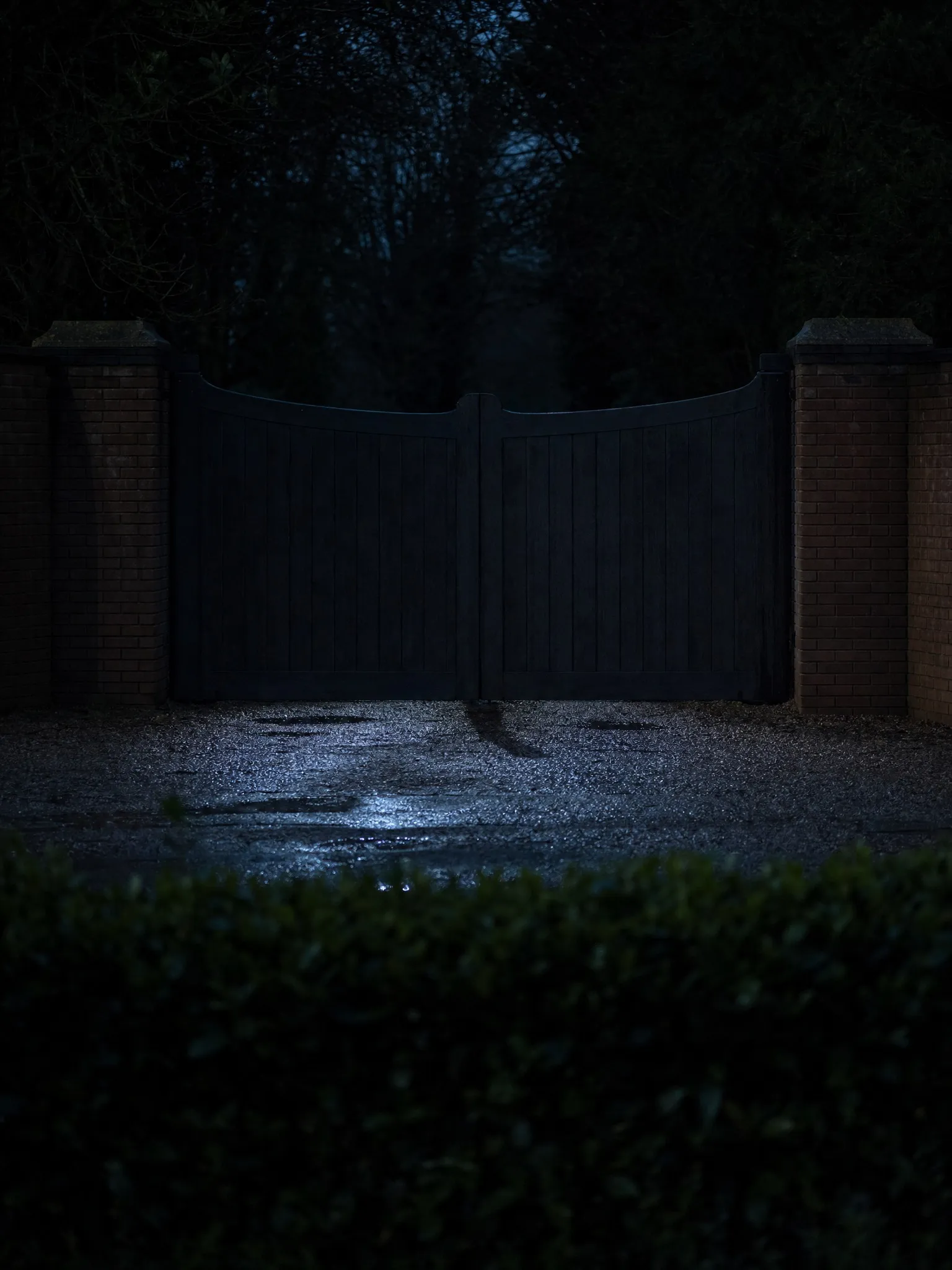
All enquiries are handled discreetly and reviewed before engagement suitability is determined. Information should be limited to what is necessary to outline the matter. Where appropriate, further contact is arranged following review.

Protect
Executive ProtectionDiscreet, intelligence led executive protection for private clients, principals and families, designed to reduce exposure and preserve freedom of movement without unnecessary visible presence.
Mitigate
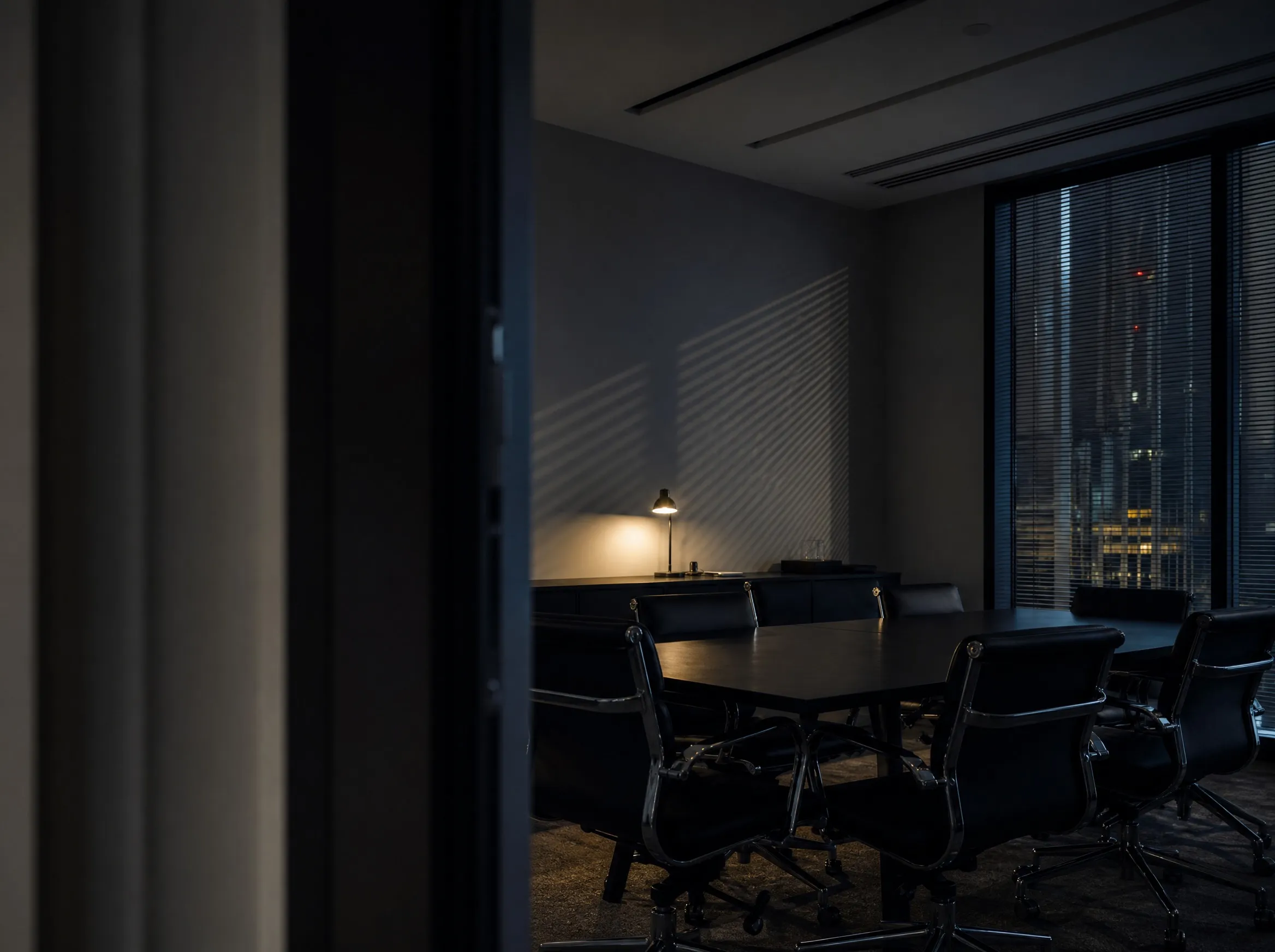
Threat and Risk MitigationStructured assessment that identifies where exposure exists and reduces it through proportionate, targeted measures across people, places and routine.

Detect
Surveillance DetectionSurveillance detection identifies hostile interest and emerging patterns of activity, providing early warning of potential threats before targeting progresses to action.
Sweep
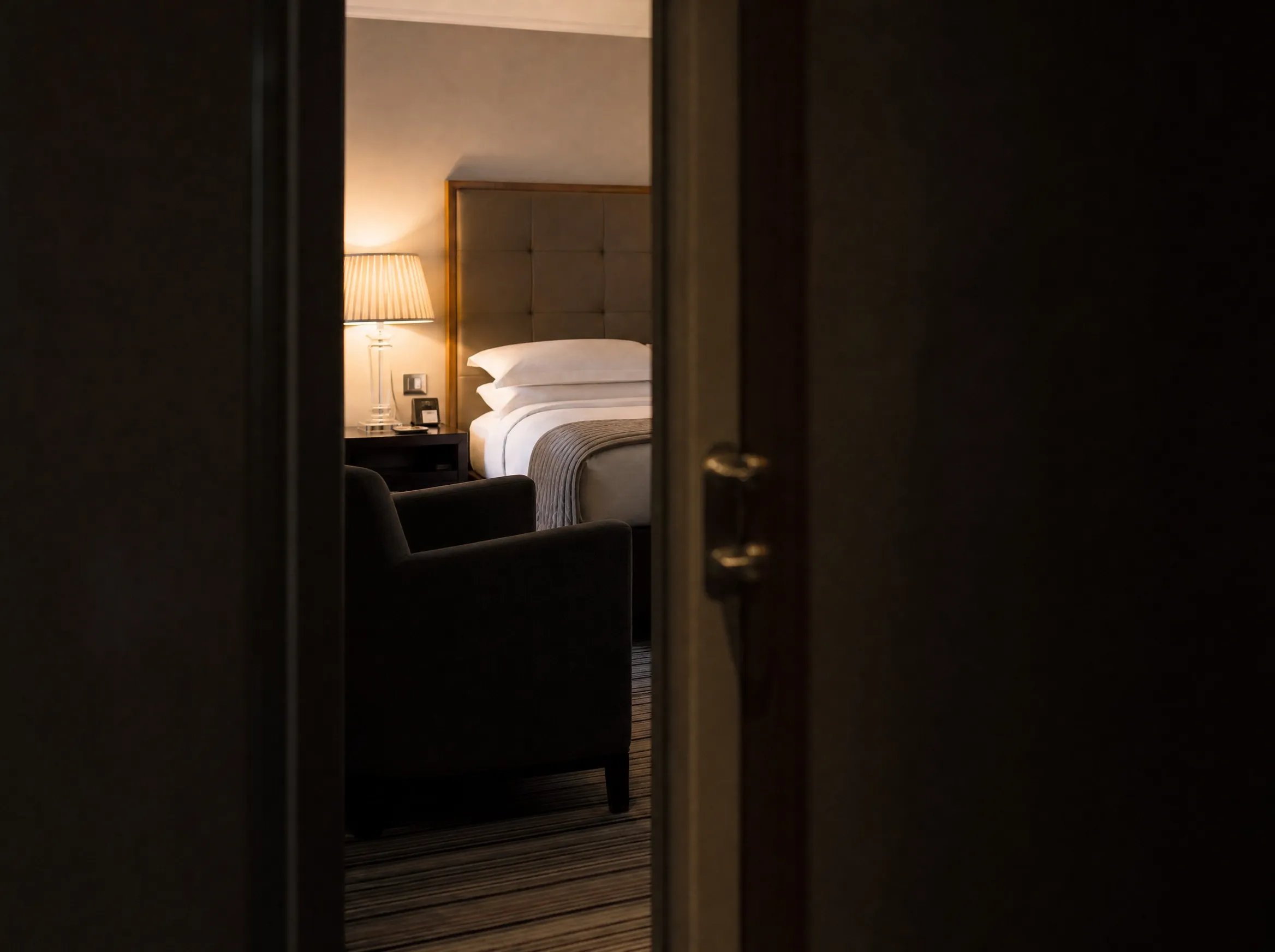
Technical SurveillanceTechnical surveillance that detects covert devices, unauthorised transmissions and technical compromise across residences, offices and sensitive environments.

Secure
Security ChauffeuringSecure movement delivered through trained protective drivers, considered route planning and continuous situational awareness.
Fortify
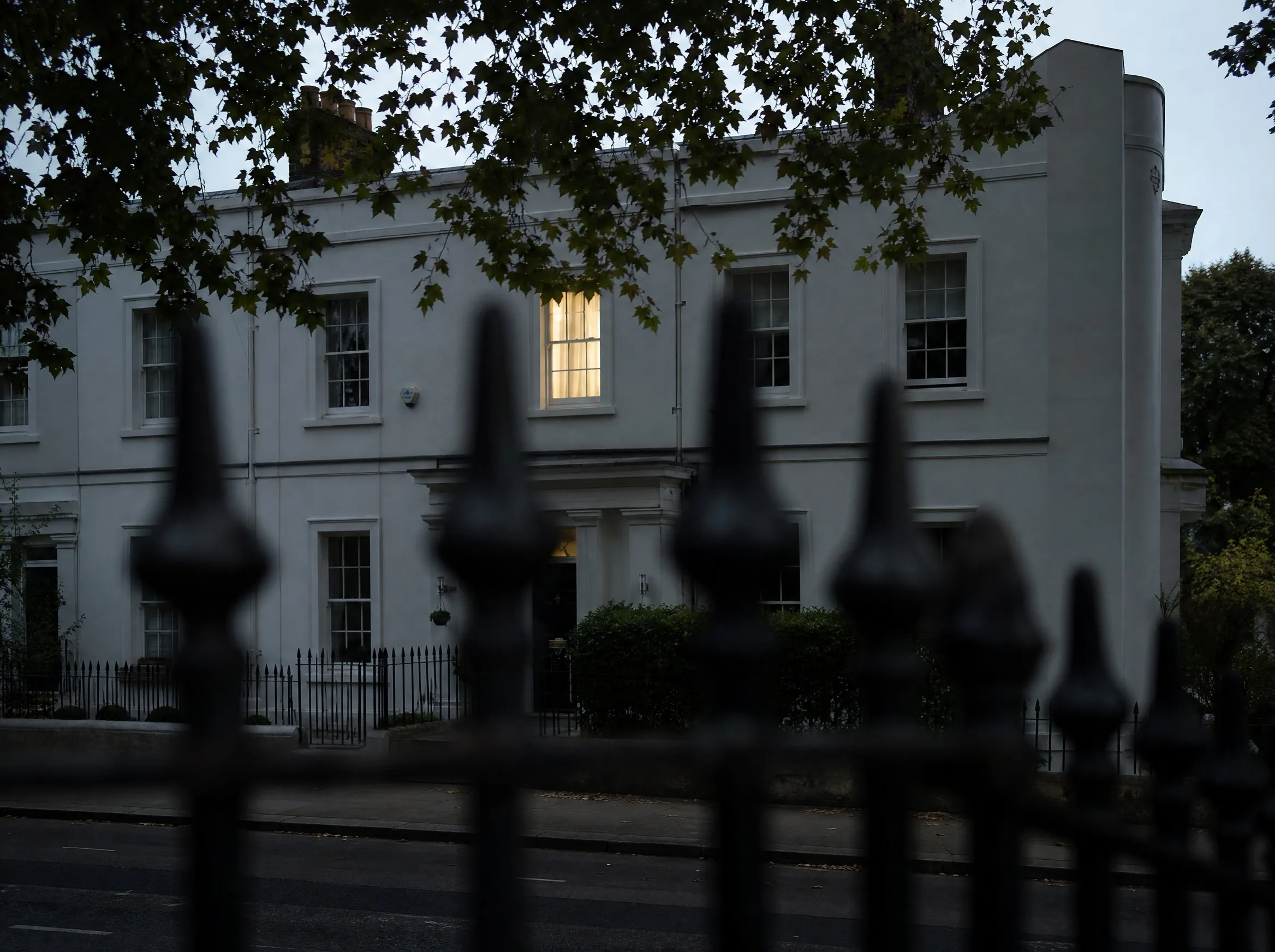
Residential ProtectionResidential protection for private homes and estates, drawing on assessment, access control and continuity to protect principals and families at home.

Respond
Close Proximity Response™A discreet, client carried alert and live location capability that lets a protective team maintain proximity and respond immediately, without an overt security presence.