
Discreet residential and protective support in Chislehurst. Coverage is shaped by a village of large houses beside the commons on London's Kent border, the private roads around Camden Place, and households who travel into the City by train and out into Kent by car.
Chislehurst keeps a Kent postcode and a Kent character ten miles from central London. The village stands on high ground in the Borough of Bromley between Bickley, Petts Wood and Sidcup, and its centre is the common, saved from enclosure in 1888, with St Paul's Cray Common and the woodland of Scadbury Park continuing the open ground east and north. The largest houses stand on Camden Park Road, Kemnal Road, Yester Road and Wilderness Road, Victorian and Edwardian villas and later replacements on deep plots behind brick walls and mature cedars, and Camden Place, where Napoleon III spent his exile, is now the clubhouse of the golf club at the heart of them. Beneath the western slope the caves draw visitors all year. Residents are City principals, senior professionals, business owners and established families, and the week runs on the trains from Chislehurst and Elmstead Woods to Cannon Street, London Bridge and Charing Cross, and on the A21 into Kent. Exposure gathers on roads that are quiet enough to be watched and around common edges that are public, wooded and dark for half the year.
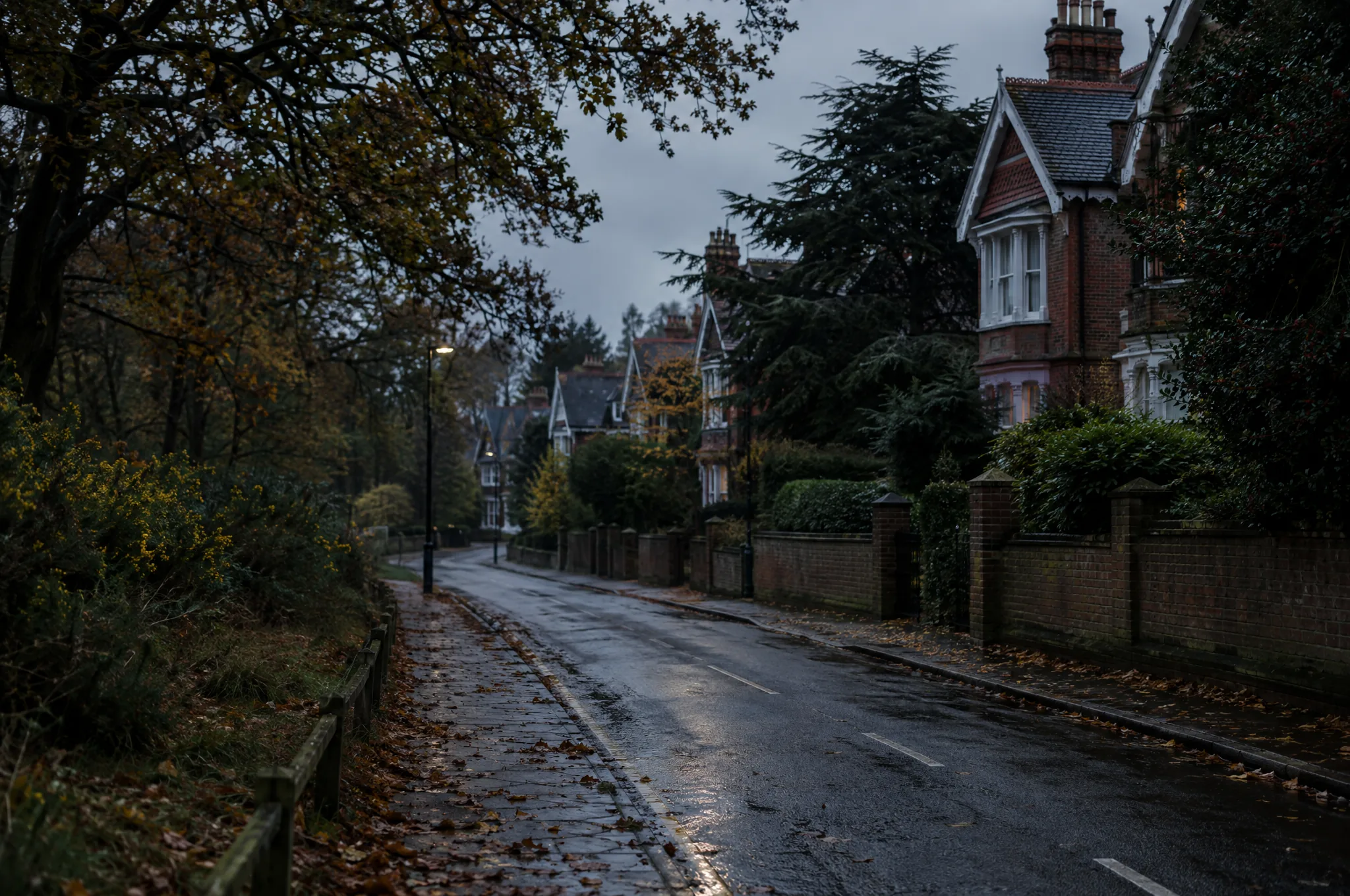
The village is worked as a residential setting first and a commuter one second. A house here is usually seen from two directions, the road at the front and the common or woodland at the back, and the assessment walks both, in daylight and after it, before anything is recommended. Coverage is kept low profile: an officer who passes as a driver or a member of the household, and planning that leaves no trace on the road. Families in large houses with gardeners, cleaners and builders moving through are protected by controlled access and a consistent team. Security chauffeuring covers the road journeys into town and down into Kent where the train does not serve. Protective intelligence sits underneath, with technical examinations once builders leave or a housekeeper changes. Where a family member moves alone we can plan a discreet client carried capability instead of an accompanying officer.
Residential Protection concerns the large houses on Camden Park Road and Kemnal Road and the properties whose gardens end at the commons, where the rear boundary matters most.
Security Chauffeuring takes the A20 into the City and the A21 down to the Sevenoaks schools, with the same driver reading both roads day after day.
Surveillance Detection on the roads around the commons, where a parked vehicle has few reasons to wait, establishes whether the one a household noticed is returning.
Chislehurst is a place of edges. The common, St Paul's Cray Common and Scadbury Park put open, wooded, publicly accessible ground against the back or side of many of the largest plots, and that ground is unlit and unobserved from the road after dark.
The roads themselves are quiet. Camden Park Road and Kemnal Road carry little through traffic, so a parked car with an occupant is noticeable to residents, and an observer who has found a reason to be there can watch a gate at leisure.
The commute divides. Many principals take the train from Chislehurst or Elmstead Woods, the same platform each morning. Others drive, and the routes out to the A20 and the A21 are few enough to be learned.
Household access is wide on plots this size. Gardeners, pool and gate contractors and cleaners work across several houses on the same road and hold keys and codes between them, and a change of staff at one house reaches the next within days.
The trains end at Cannon Street and London Bridge, and the picture at the City of London end is one of fixed arrival points and crowded pavements rather than quiet roads.
South down the A21 the country requirement begins at Sevenoaks, where many families here have schools, relatives and weekend commitments.
The village is discreet by habit. Money here is long held and quietly kept, a conspicuous arrangement would be remarked on at the golf club within the week, and the work is planned to match.
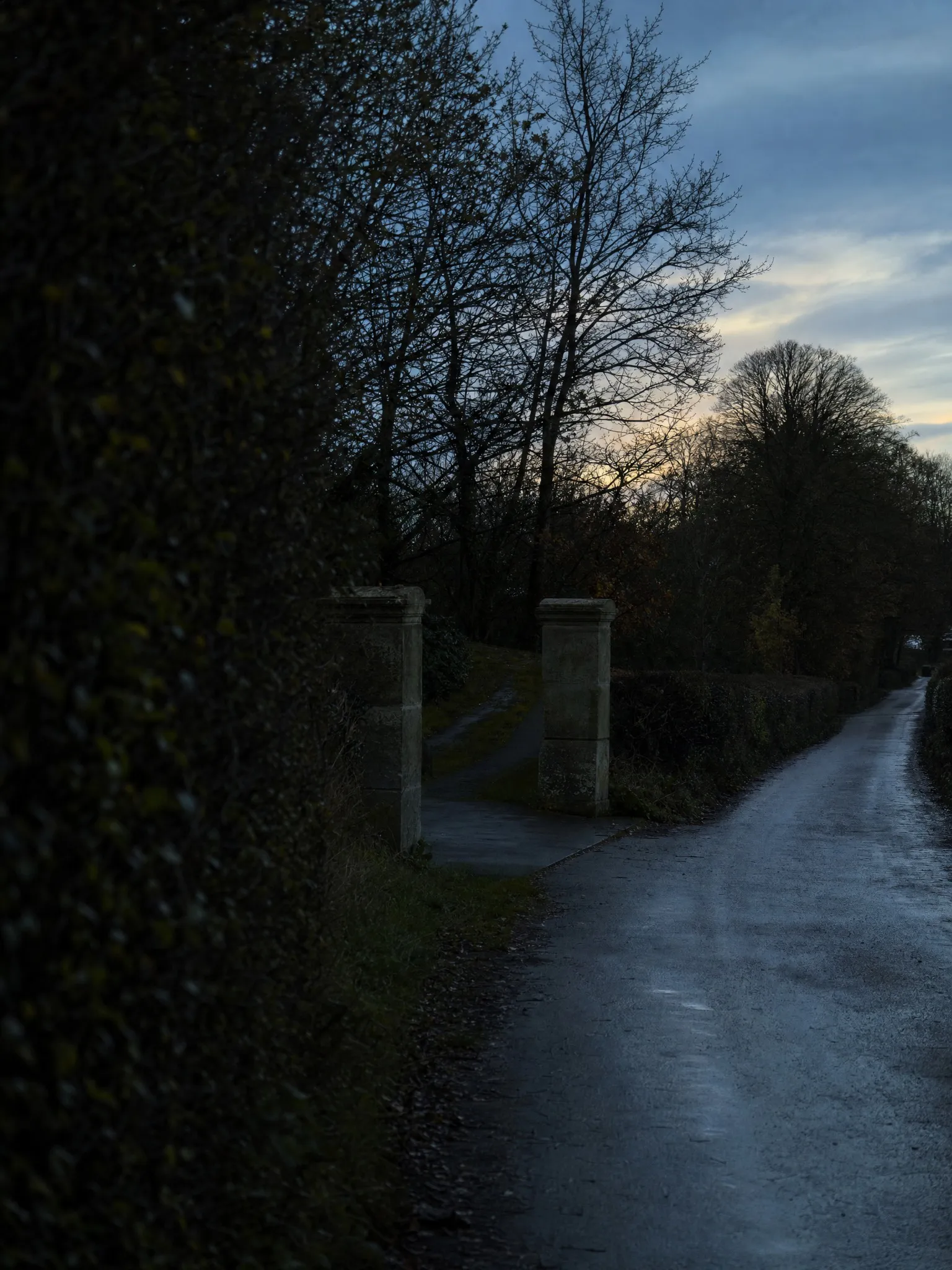
The school calendar sets the weekly pattern. Families are spread across the independent schools of the village and the Kent schools down the A21, and the school run and the station walk start at one gate within an hour of each other from September to July.
Summer fills the commons. Cricket on the common, walkers on the rides through Scadbury and the golf club's competition calendar put more people on the edges of the largest gardens, and a family's long absence abroad is visible from the road.
Winter belongs to the house. Darkness falls across the commons and the wooded roads before five, lit windows show to the road all evening, and the garden side of the house is unobserved until morning.
Beyond the M25 many of these households keep country houses and family across Kent, and weekend journeys down the A21 and the M20 are covered as part of the week rather than as time off from it.
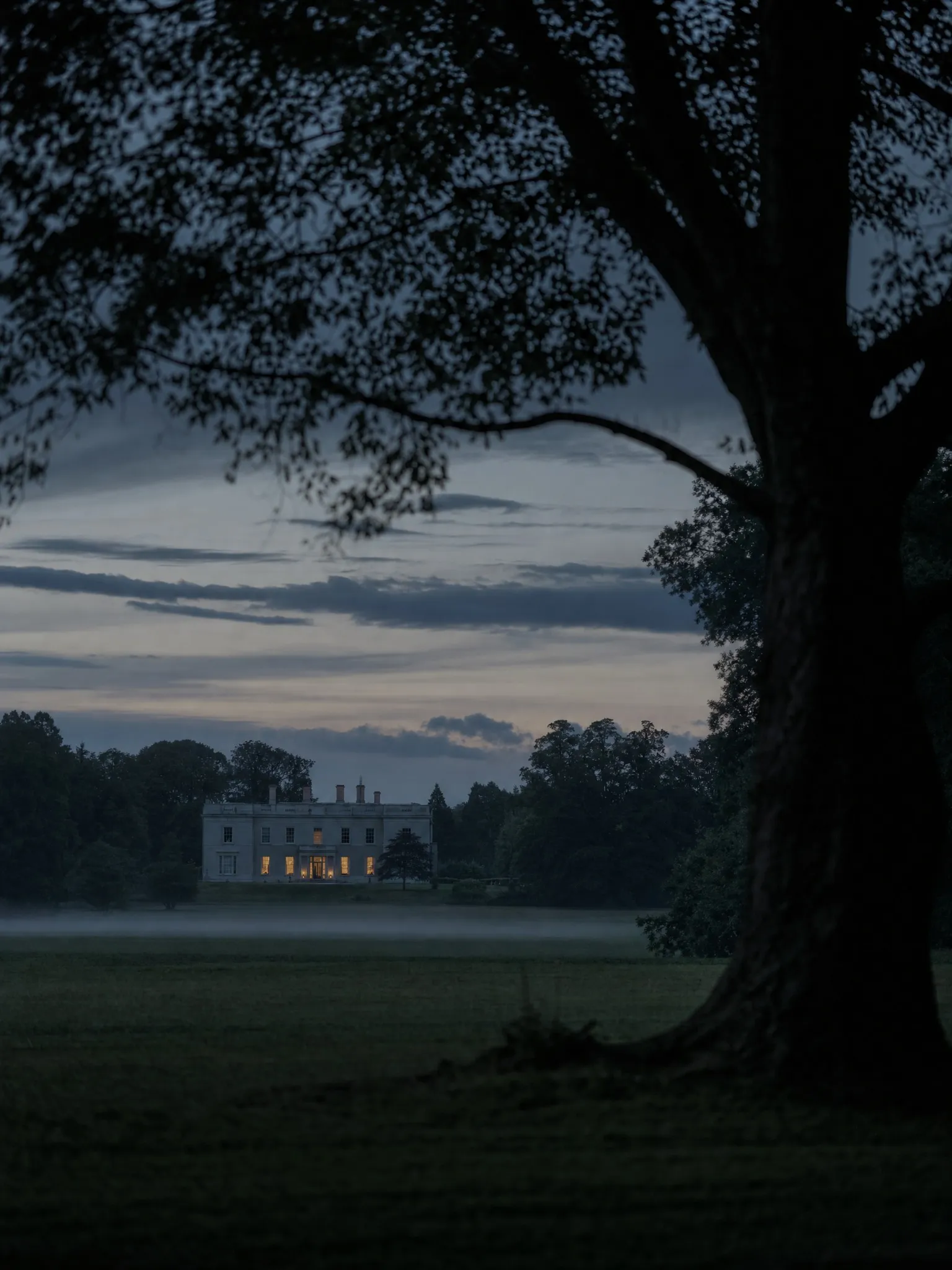
The first request is a residential assessment, and it usually follows a purchase or a rebuild. A family has taken a house on Camden Park Road or Kemnal Road, the plot runs to the common or the golf course, and they want to know what that edge means. The assessment is walked from both sides and the finding is generally the rear boundary and the access circle rather than the front gate.
The commute comes next. Principals who drive rather than take the train ask for security chauffeuring that varies the route to town and covers the weekend runs into Kent, with the school run often added.
Families who have noticed a car twice ask for the question to be answered rather than left, and the answer is usually reached without a vehicle on the road.
Technical examinations follow the many rebuilds on these plots, a change of household staff, and occasionally a meeting whose content came back from outside.
Executive protection is requested around a period, a transaction, a dispute or press interest, and ended when it closes.
Long summer absences are the most common seasonal request, and a house that behaves as though it is occupied is arranged under residential protection.
All enquiries are handled discreetly and reviewed before engagement suitability is determined. Information should be limited to what is necessary to outline the matter. Where appropriate, further contact is arranged following review.

Protect
Executive ProtectionDiscreet, intelligence led executive protection for private clients, principals and families, designed to reduce exposure and preserve freedom of movement without unnecessary visible presence.
Mitigate
Threat and Risk MitigationStructured assessment that identifies where exposure exists and reduces it through proportionate, targeted measures across people, places and routine.
Detect
Surveillance DetectionSurveillance detection identifies hostile interest and emerging patterns of activity, providing early warning of potential threats before targeting progresses to action.
Sweep
Technical SurveillanceTechnical surveillance that detects covert devices, unauthorised transmissions and technical compromise across residences, offices and sensitive environments.

Secure
Security ChauffeuringSecure movement delivered through trained protective drivers, considered route planning and continuous situational awareness.
Fortify
Residential ProtectionResidential protection for private homes and estates, drawing on assessment, access control and continuity to protect principals and families at home.

Respond
Close Proximity Response™A discreet, client carried alert and live location capability that lets a protective team maintain proximity and respond immediately, without an overt security presence.